Team Pipit’s Extraordinary Birding Feat: 150 species in all 14 Vermont Counties
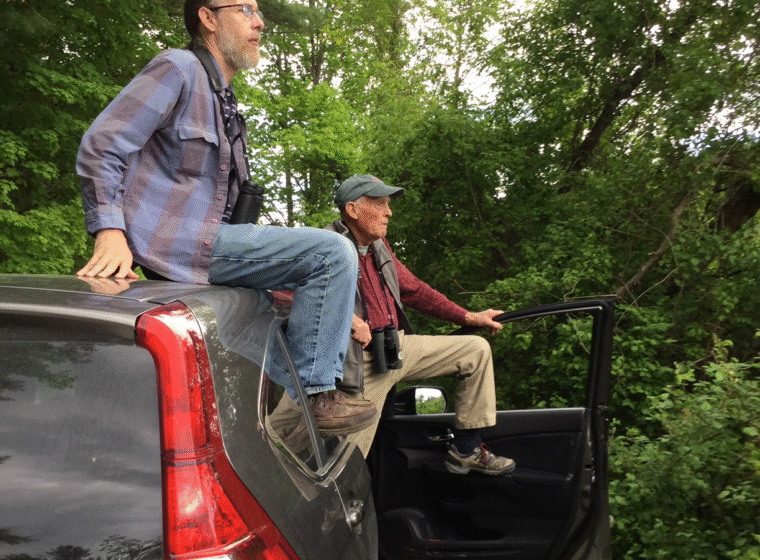
Fred (Pat) Pratt of Team Pipit completed an extraordinary birding feat on November 25, notching his 150th species of 2019 in Bennington County, with a pair of Northern Shovelers. This discovery earned Pat the 14th Star Award, as the first birder ever to record 150 species in all 14 Vermont counties during a single calendar year. Congratulations to Team Pipit for a truly inspiring accomplishment!
Field Guide to September 2019
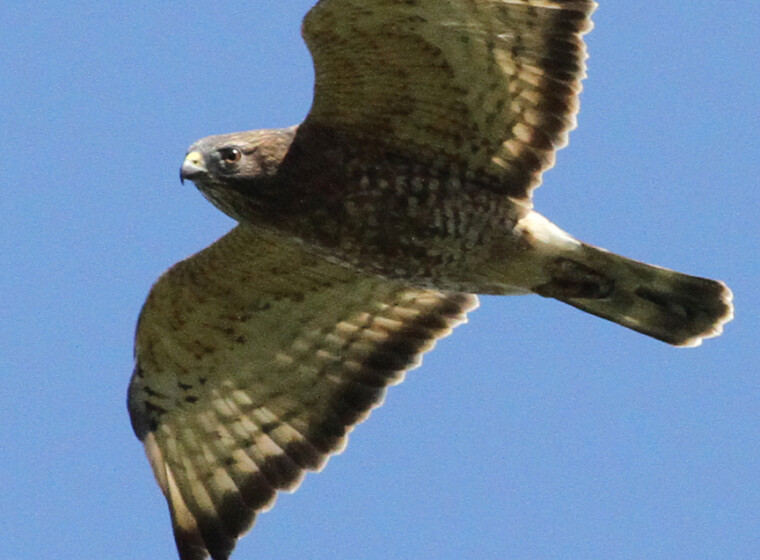
Here is your field guide to some amazing migrations happening right now, and a few other natural history tidbits to look for this fall.
From New England to Colombia, Migratory Species Rely on Grassland Ambassadors – Part II
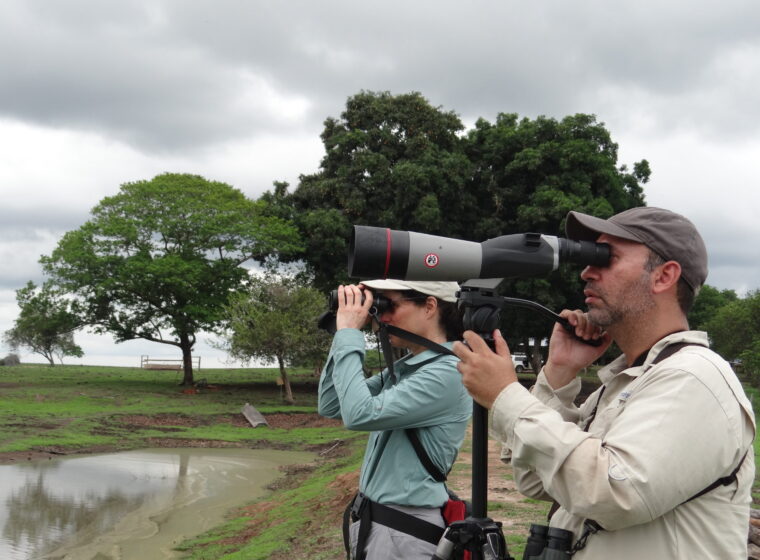
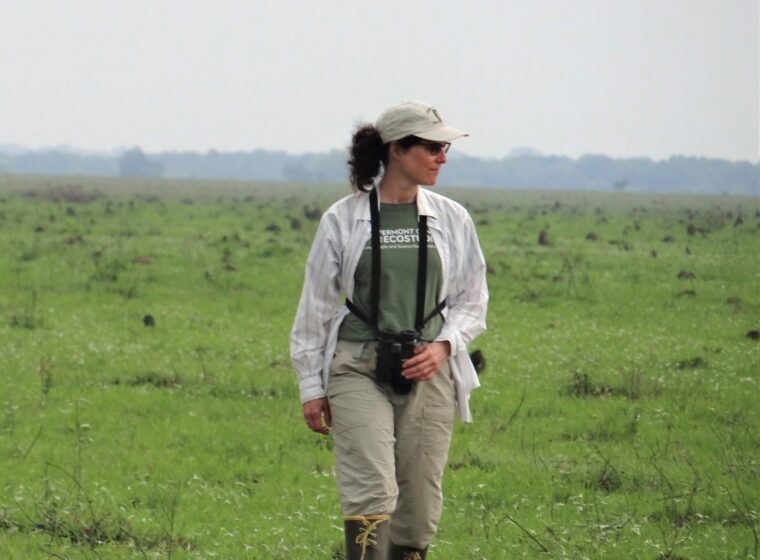
VCE biologist Rosalind Renfrew spent three weeks in Colombia with conservation partners Asociación Calidris for migratory grassland bird research and outreach. Read part two of a three-part series about this incredible shared learning experience.
From New England to Colombia, Migratory Species Rely on Grassland Ambassadors
VCE biologist Rosalind Renfrew spent three weeks in Colombia with conservation partners Asociación Calidris for migratory grassland bird research and outreach. Read part one of a three-part series about this incredible shared learning experience.
2019: Norwich Year of the Bird
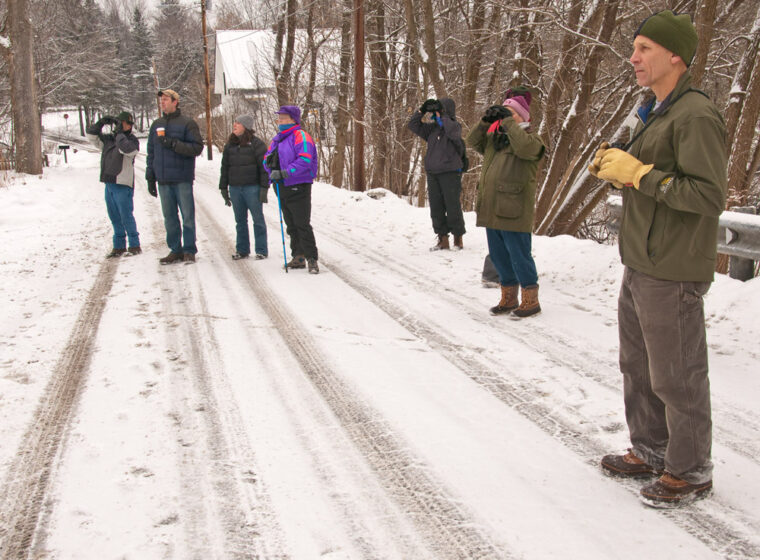
Norwich 2019 Year of the Bird is underway. This is an informal (but serious) challenge to birders to explore the avian diversity of Norwich, get outdoors, share the thrill of discovery, and learn. The collective goal is to document 175 species within the town’s borders during 2019. A special web page will allow everyone to keep track and share their sightings through Vermont eBird. Grab your binoculars and join the quest!
Field Update: Loon Wins and Losses
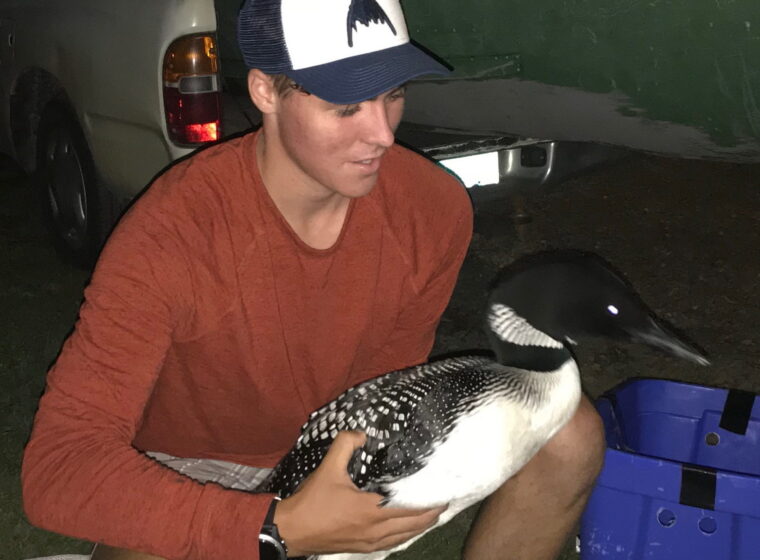
Every year, some of our returning loons get themselves into “hot water,” so to speak. Eric Hanson, VCE’s loon biologist, gives us his mid-season good news/bad news update here.
2018 Peregrine Falcon Nesting Season Complete
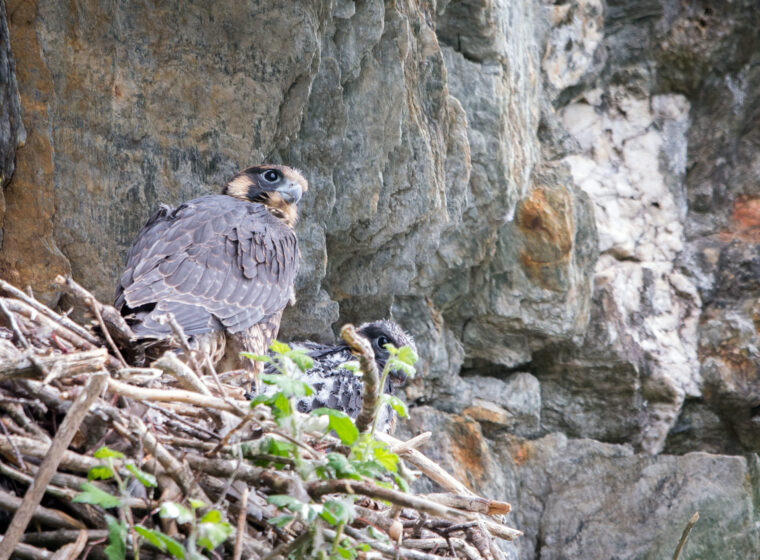
The Vermont Fish & Wildlife Department recently announced that Peregrine Falcon nesting season has ended, so hikers and rock climbers can return to Vermont cliffs starting August 1, 2018.
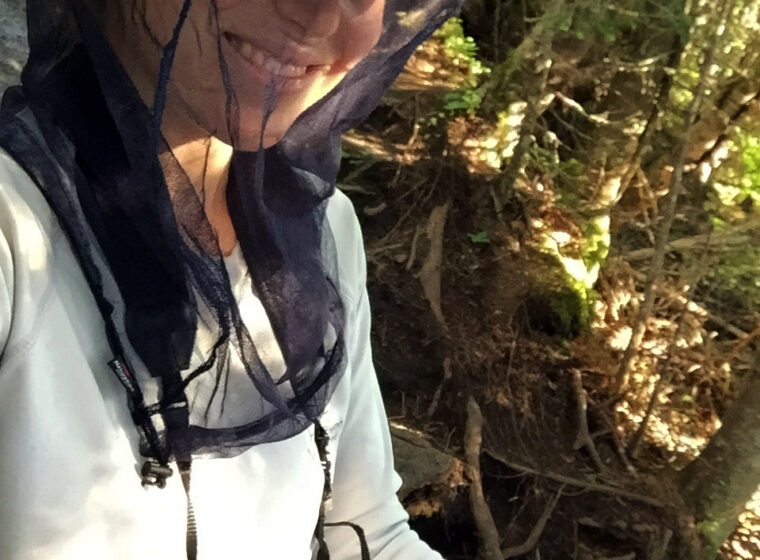
Weathering Whitcomb for Mountain Birdwatch
Tara Rodkey, VCE’s 2018 Alexander Dickey Conservation Intern, shares her reflections on a particular Mountain Birdwatch site on a mid-summer’s day (and night).
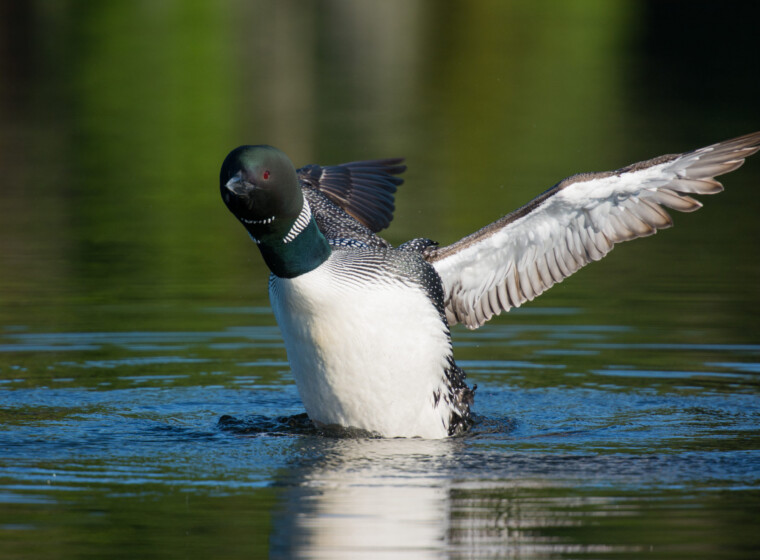
Give ‘Em Space: Observe Nesting Loons from a Distance
The Vermont Fish & Wildlife Department is asking boaters and anglers to enjoy loons from a safe distance this summer.
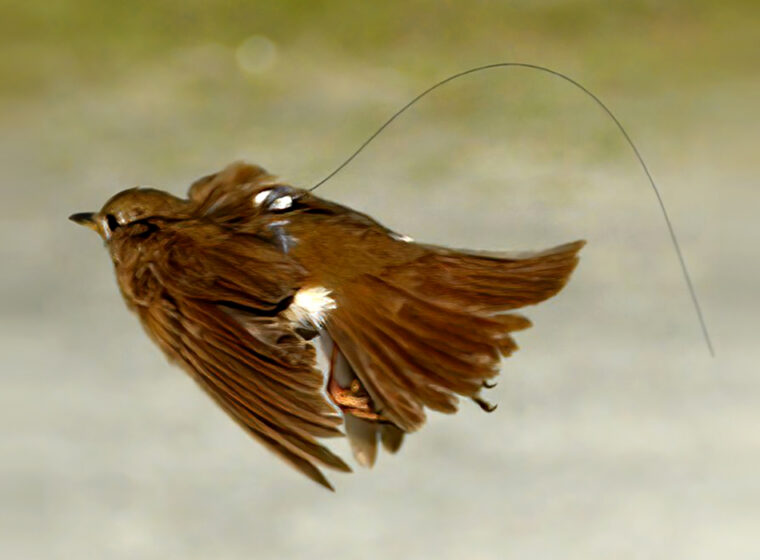
VCE Birdathon Terns up a Last-minute Surprise
Boreal birds, balsam fir spires and peat bogs proved an irresistible lure to the Green Mountain Goatsuckers, drawing us back to Vermont’s Northeast Kingdom for our 2018 Birdathon. From the Barton River wetlands to the larch and fir forests of Victory, we covered a lot of ground. Our species count topped out at 103, and the day’s most surprising bird was our very last tally.
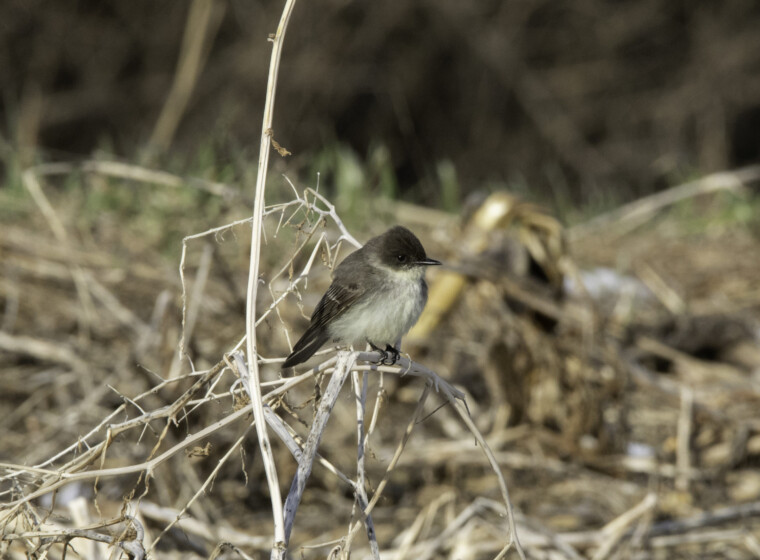
Bad Weather Yields Phoebe Bonanza
Bad weather may create memorable birding for humans, but unusual concentrations of grounded migrants typically reflect stressful situations for the birds themselves. Three VCE staff recently experienced an unprecedented and unforgettable gathering of Eastern Phoebes at Lake Runnemede in Windsor.
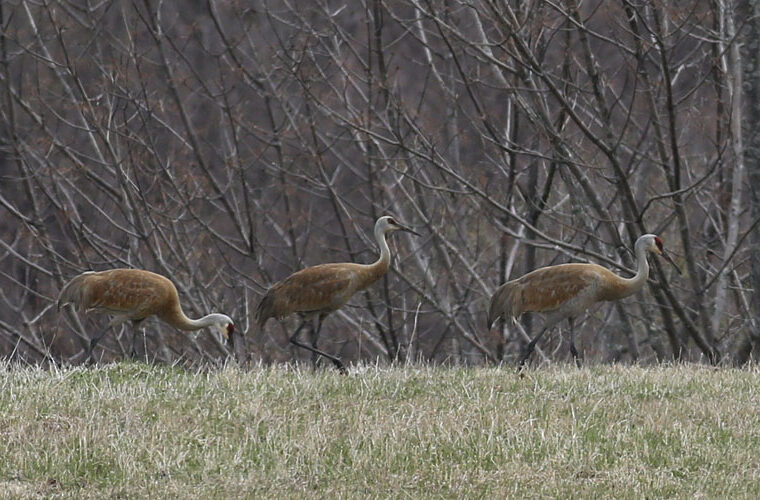
Sandhill Cranes Make Surprise Visit to Windsor County
The unexpected Earth Day sighting of 3 Sandhill Cranes at the Windsor Prison farm may reflect the species’ recent increase in New England, and the possibility that this stately species will be more regularly found in the Upper Valley and beyond.