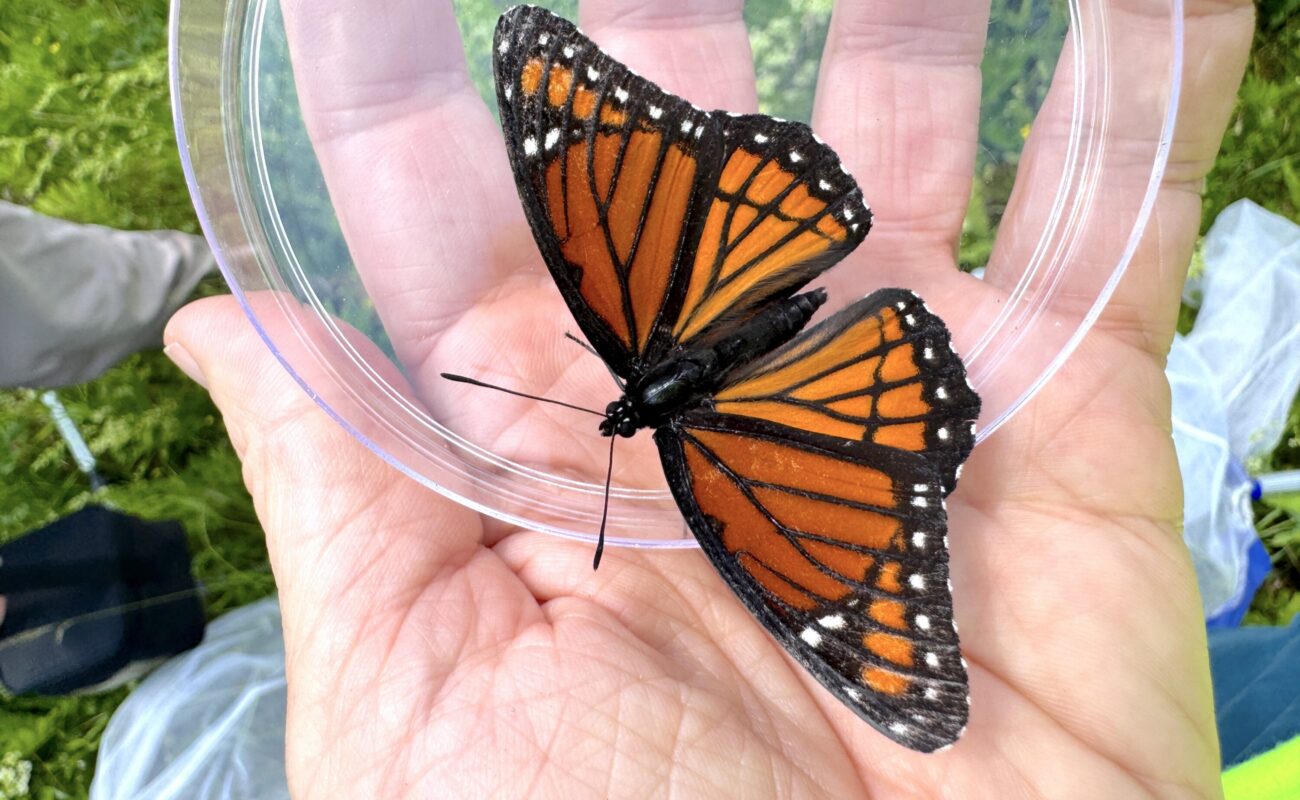
When the Prize Flies Away
Follow VCE's Seasonal Butterfly Atlas Technician Jill DeVito as she wanders through meadows in search of elusive butterflies, collecting valuable data for The Second Vermont Butterfly Atlas.
Uniting People and Science for Conservation
The Vermont Center for Ecostudies advances biodiversity conservation across the Americas through research, monitoring, and community engagement. We envision a society that sustains healthy ecosystems through science-based decision making.
Latest from the Blog
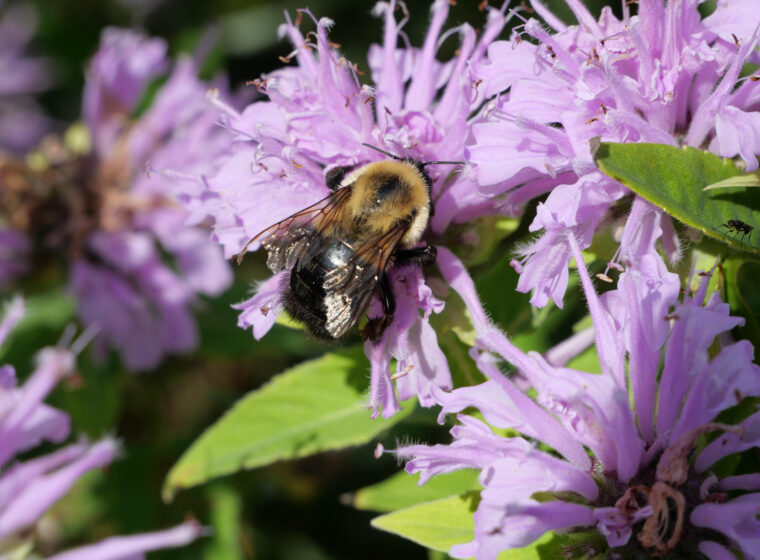
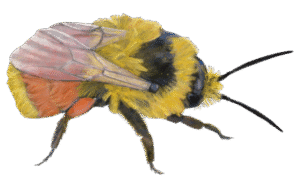
Nothing to Fear and Everything to Learn From Bees in the Garden
Nia Suresh, shown here working in an experimental garden, was a 2026 VCE summer intern under VCE conservation biologist Desirée Narango. Before coming to VCE, I had never worked with…
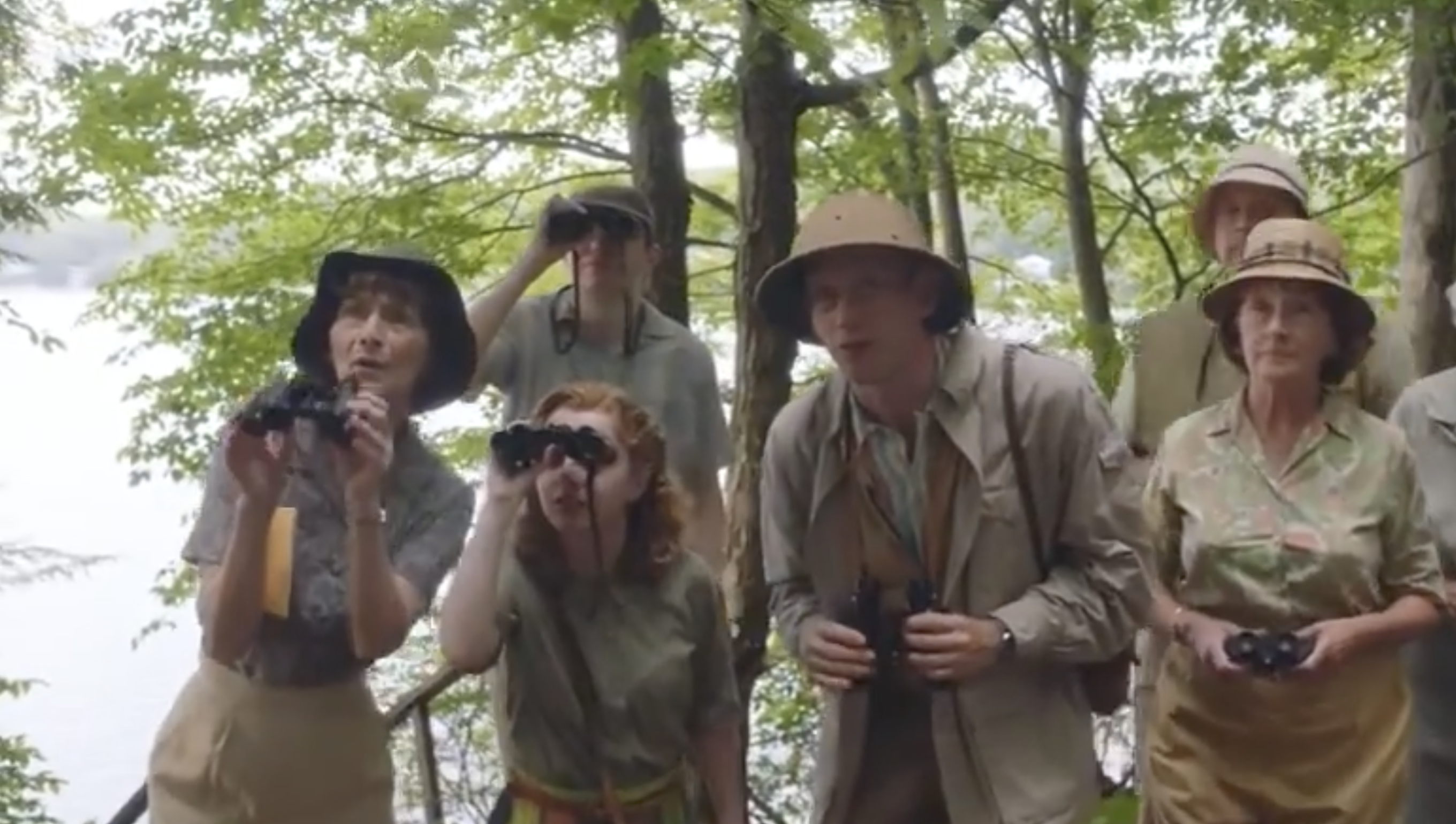
The Rare Bicknell’s Thrush in Popular Culture
Because of its remote habitat, small geographic range, and nondescript appearance, Bicknell’s Thrush is not exactly a household name. But that doesn’t mean it hasn’t gotten any spotlight! Here are a few recent appearances of BITH in popular media.
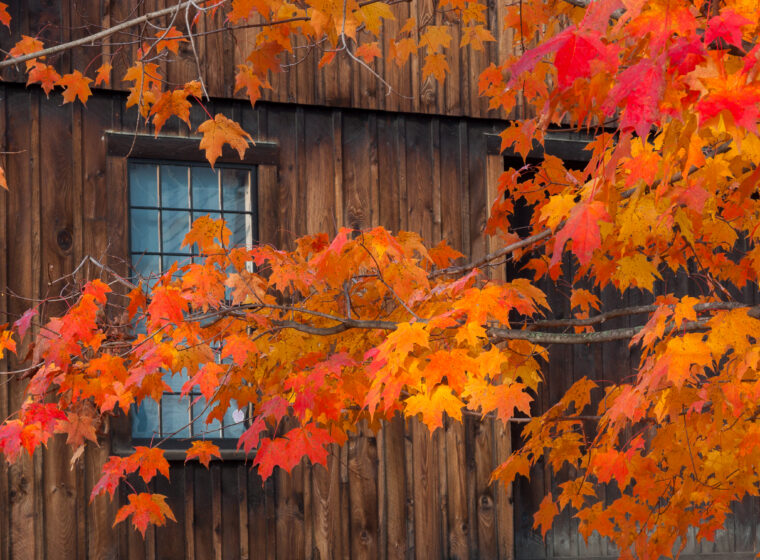
Field Guide to October 2026
Keep your eyes sharp this month! You might see a migrating dragonfly or a vagrant hummingbird. At the very least, it pays to keep your wits about you in case you encounter a certain pollinator and beneficial insect. That’s right, we’re talking about yellow jackets.
Explore Our Impact
Scientific articles published in peer-reviewed journals
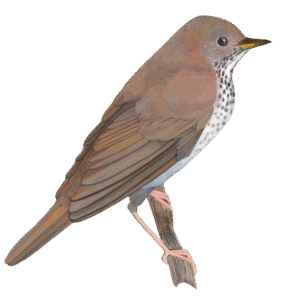
34Years that VCE has led the charge to research, monitor, and conserve Bicknell's Thrush
55Vermont wild bee species targeted for urgent conservation in 9 “Important Bee Areas” identified by the Vermont Wild Bee Survey
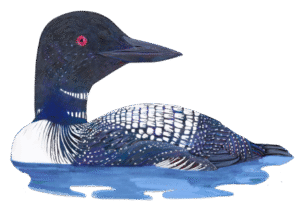
147Territorial loon pairs recorded in Vermont by LoonWatch
900+Community scientists participating in VCE-led field studies
1 millionResearch-grade biodiversity records confirmed on iNaturalist Vermont
What We Do
With the help of hundreds of volunteers and partners, we lead monitoring and research projects focused on the status and ecology of birds, amphibians, insects, and other species. We then publish and share our findings with policymakers, land stewards, gardeners, and wildlife lovers so everyone can take science-backed action to protect biodiversity—from backyards to mountain peaks. Read about some of our current projects below.
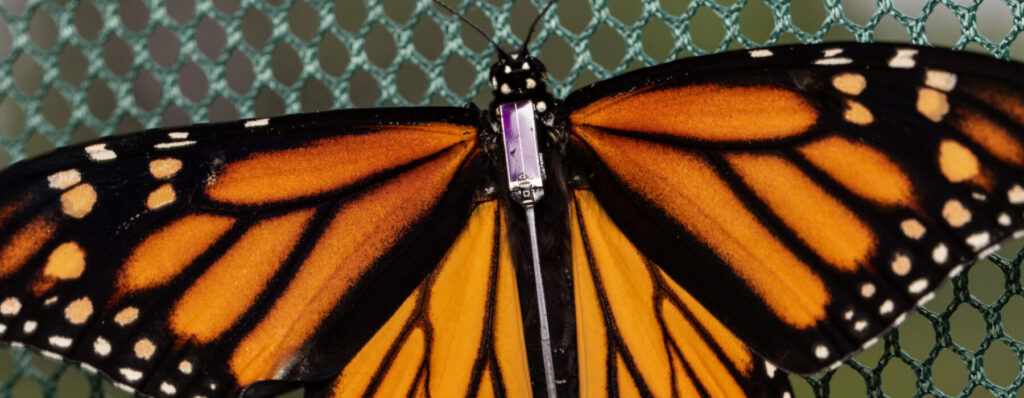
Vermont Monarch Migration Project
Where do our 'Ver-Monarchs' go and how many make it to Mexico? VCE scientists are using cutting-edge solar-powered and bluetooth-enabled tags to track the annual fall migration of Monarchs.
Learn more and join »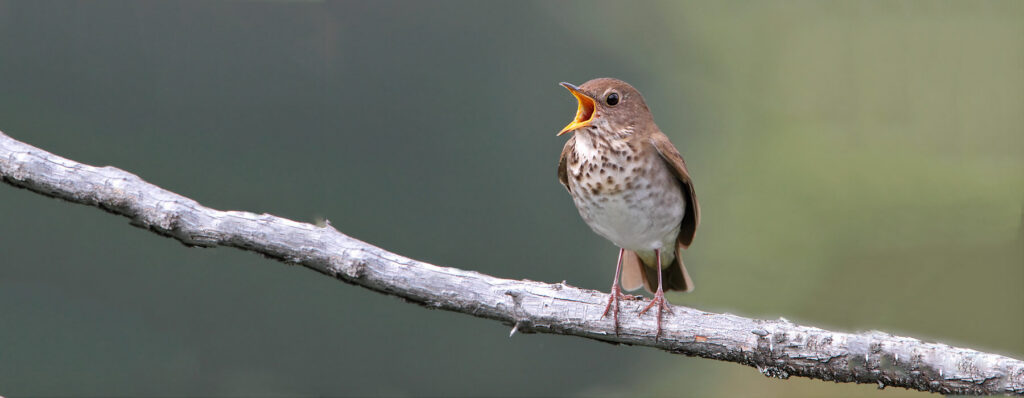
Bicknell’s Thrush Full Annual Lifecycle
VCE’s long-term commitment to Bicknell’s Thrush conservation demands that we pay careful attention to issues beyond its breeding range here in New England, including its habitat needs during migratory and wintering seasons. For over 20 years we have been unraveling its elusive winter ecology in the Caribbean to inform conservation efforts. Recently, we have begun new research to investigate stopover habitat for Bicknell's Thrush in the Mid-atlantic as well.
Learn more and join »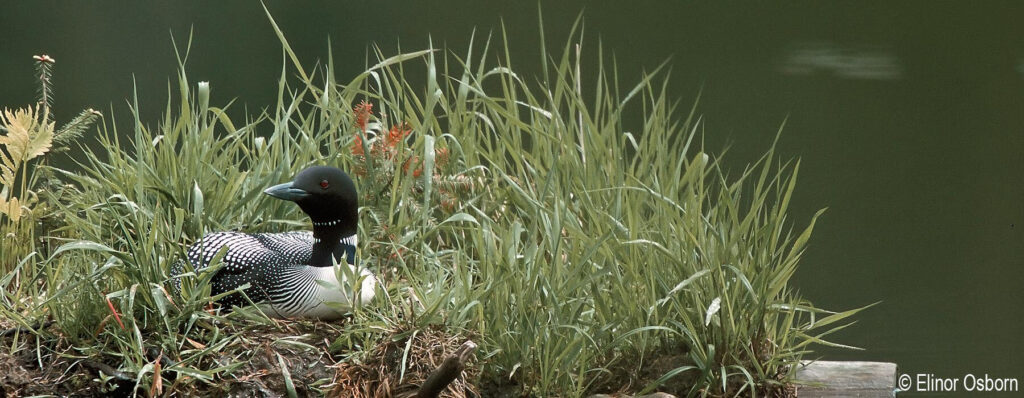
Vermont Loon Conservation Project
Four decades ago, Vermont had only seven pairs of Common Loons left in the state. Now 115 nesting pairs call our lakes and ponds home, and the number continues to increase. This conservation triumph is the result of many organizations and people—including regular folks like you—working together.
Learn more and join »Events
Workshops, Webinars, Field Trips, and More
Attending an event with VCE staff members is a phenomenal way to expand your knowledge about our region’s natural wonders and get the latest research updates.