Naturalists Help the Vermont Atlas of Life on iNaturalist Build Biodiversity Big Data in 2020
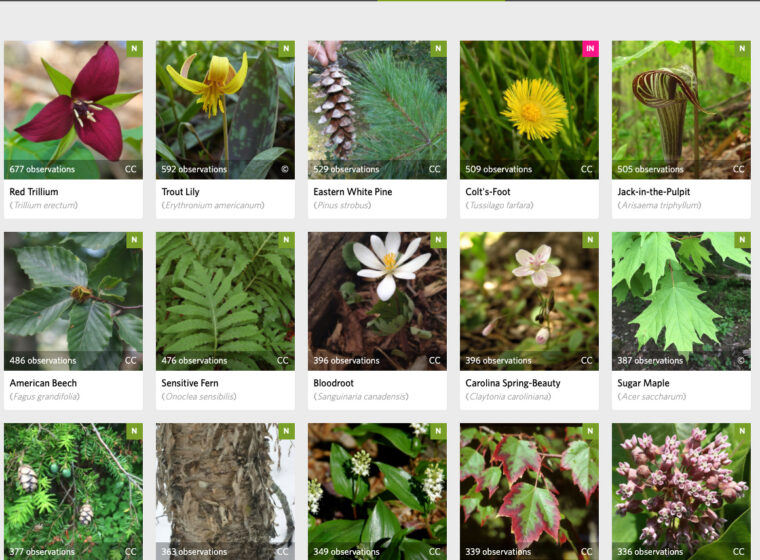
From the first observation of 2020, a Gray Fox still celebrating the New Year at 4:30 AM, to Great Mullein leaves poking out of the snow shared at twilight on the last day of the year, naturalists added nearly 175,000 biodiversity records to our rapidly growing database of life in Vermont. Read on for highlights from an amazing year!
Craig Provost: A Birding Quest for the Ages
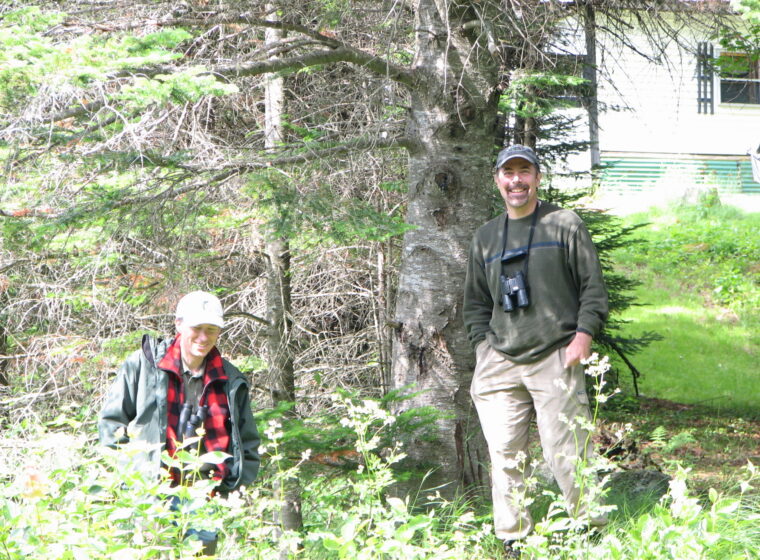
In June 2020, lifelong birder Craig Provost achieved an extraordinary milestone that precious few Vermont birders will ever realize, becoming just the second person in history to document 150 species in all of Vermont’s 14 counties, each within a single calendar year!
Gifts for the Conservation-minded People on Your Gift-giving List
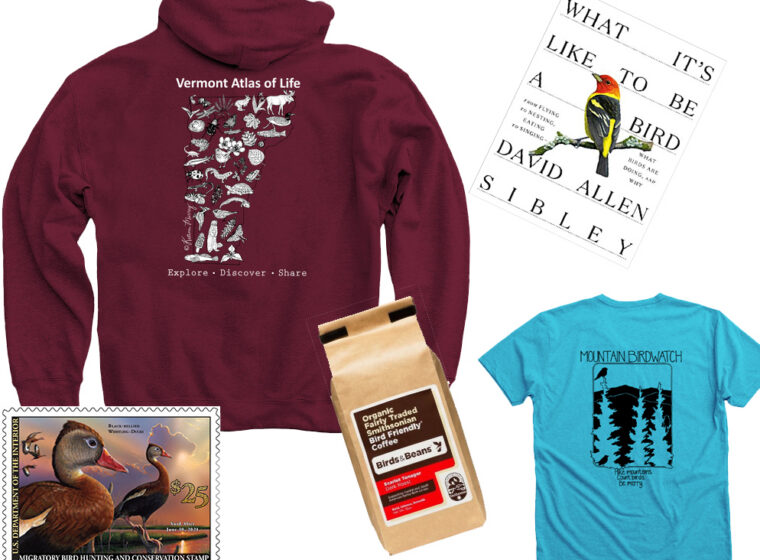
The holidays are stressful enough without the added burden of having to think outside the box (and quickly) to make sure you have something for everyone. We at VCE would like to help you out this season by providing some creative, conservation-themed solutions to your gift-giving dilemmas!
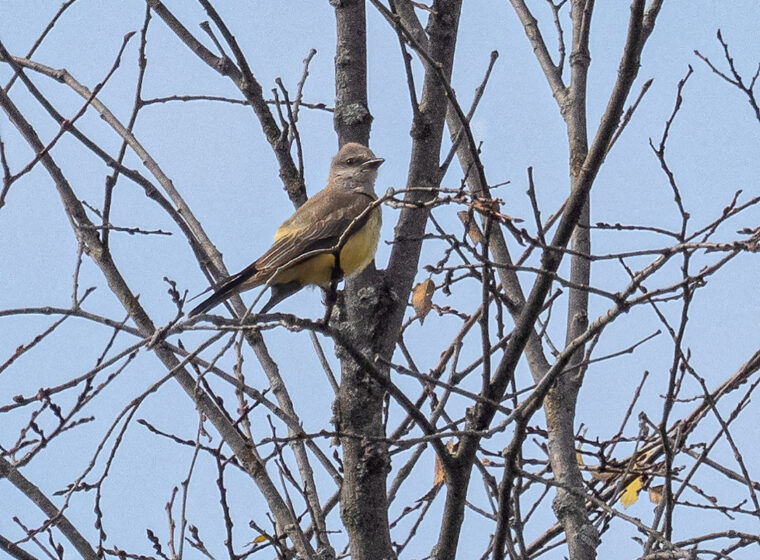
A Misplaced Avian Visitor from the West
Most birders (present company definitely included) are shameless thrill-seekers; nothing electrifies us like the unexpected appearance of a rarity. To be sure, keeping track of common species throughout the year…
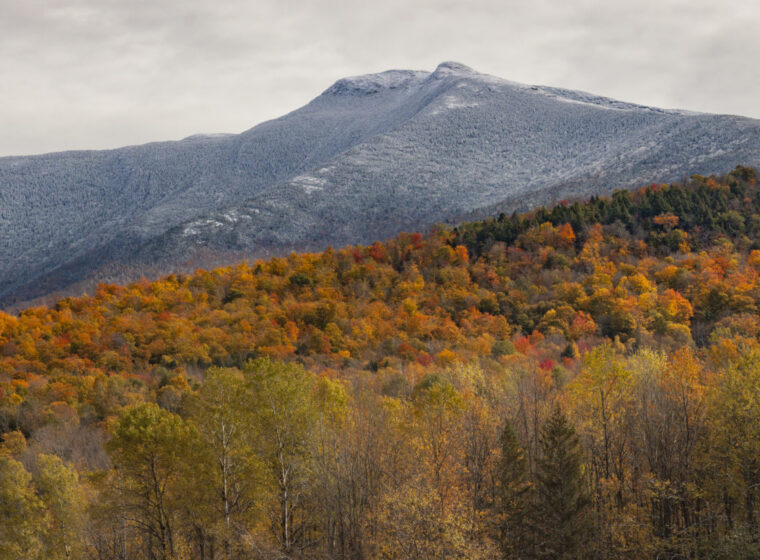
Field Guide to October 2020
October is a month of change. The forested hills fade from green to a kaleidoscope of red and gold that dazzles the eyes. Here’s your field guide to some moments that you might not otherwise notice during these few precious weeks.
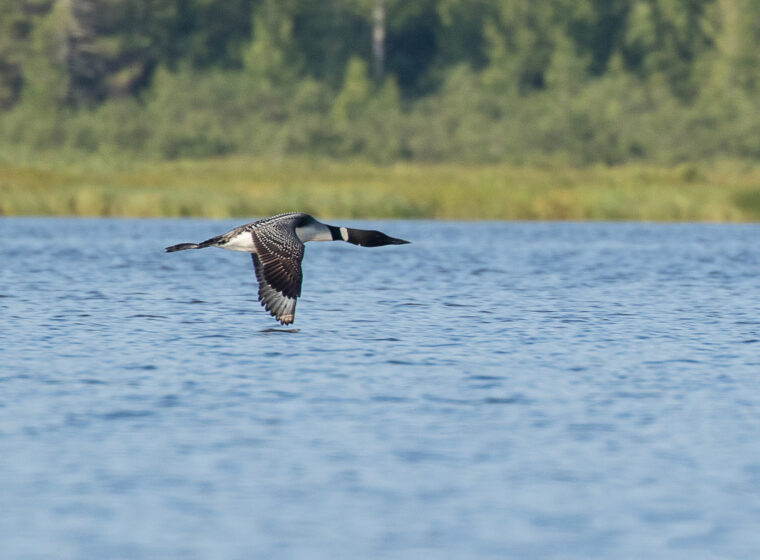
Loon Departure Times
Those lucky enough to still be spending time on their favorite Vermont lakes may have noticed the disappearance of their resident adult loons, even with chicks still around. When do loons take to the skies? Read on to find out.
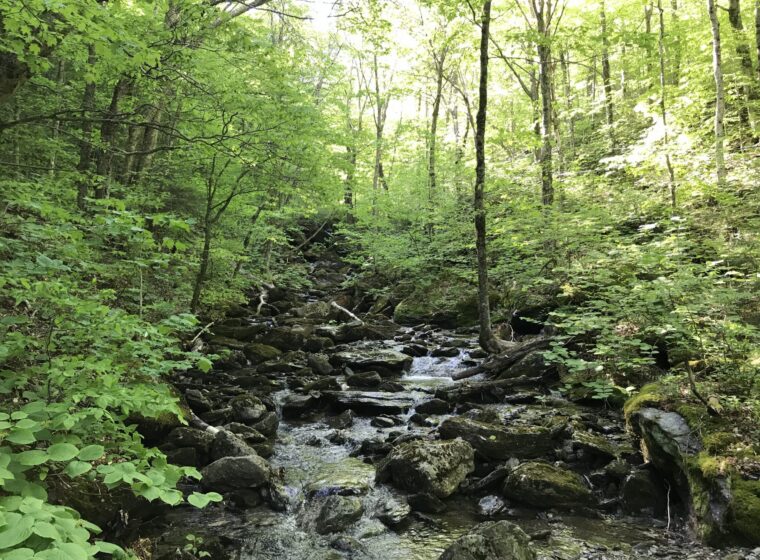
In the Field with VCE’s Bird-friendly Maple Efficacy Study–Part II
Sam Blair, a UVM senior and seasonal field biologist working with Steve Faccio on VCE’s Bird-friendly Maple Efficacy Study, offers his reflections from the field in this second update.
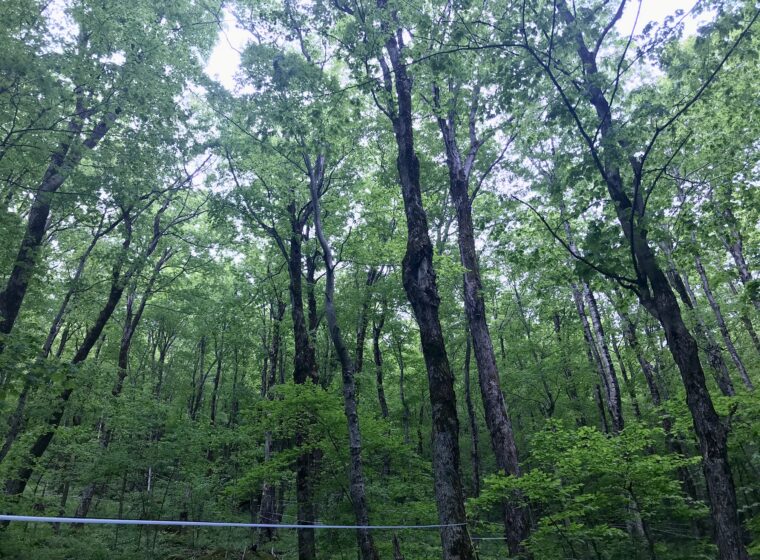
In the Field with VCE’s Bird-friendly Maple Efficacy Study
Here’s an update from the field (with amazing photos) from Sam Blair, a UVM senior and seasonal field biologist working with Steve Faccio on VCE’s Bird-friendly Maple Efficacy Study.
VCE Staff “Bird in Place” for Backyard Bird Quest 2020
VCE’s annual Birdathon took on a new form this spring, as the Green Mountain Goatsuckers “birded in place” for Backyard Bird Quest 2020. Sallying forth individually from our home bases—some even outside Vermont—we collectively found 134 species during the day, raising crucial funds for VCE’s wildlife conservation work.
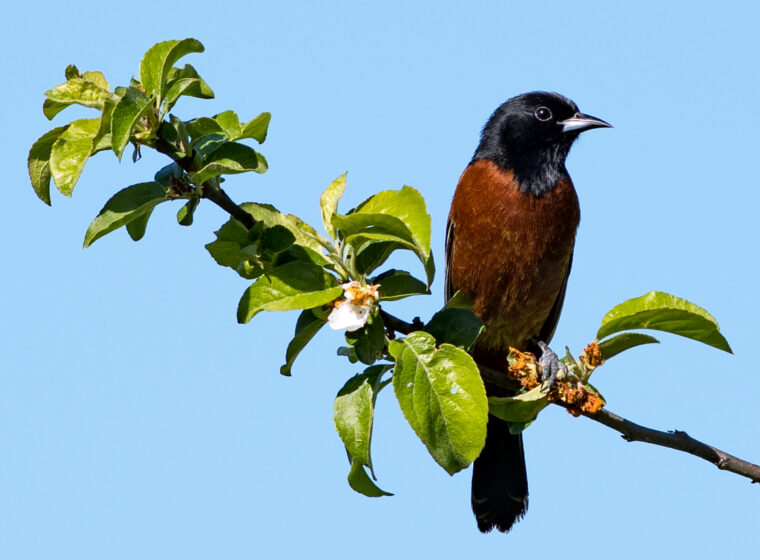
A Serendipitous Orchard Oriole Extravaganza
A casual dusk bird walk during a layover in Panama City provided Chris Rimmer with an unforgettable birding experience, as he intercepted an unprecedented concentration of Orchard Orioles heading to a communal nighttime roost.
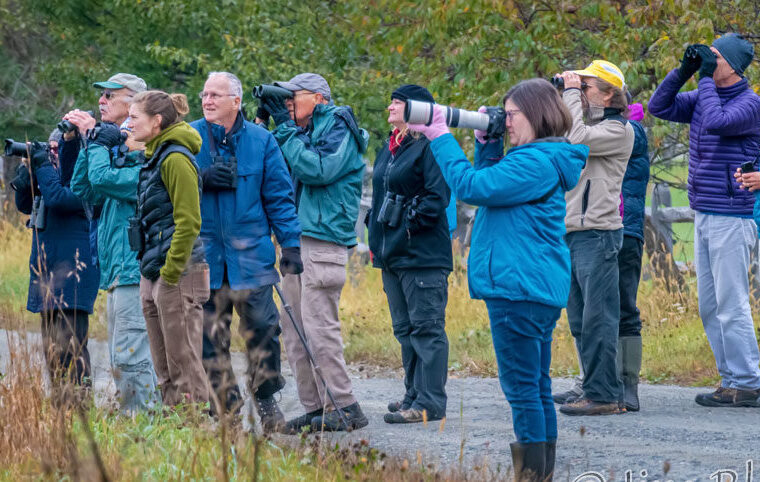
2019 Norwich Bird Quest Racks up 177 Species
Birders rose to the challenge in 2019, as the inaugural Norwich Bird Quest eclipsed its goal of 175 species found within town borders in a single year. Over 1,300 eBird checklists by 17 birders generated an impressive total of 177 species, with numerous surprises. The 2020 Quest is now underway, with even more ambitious goals!
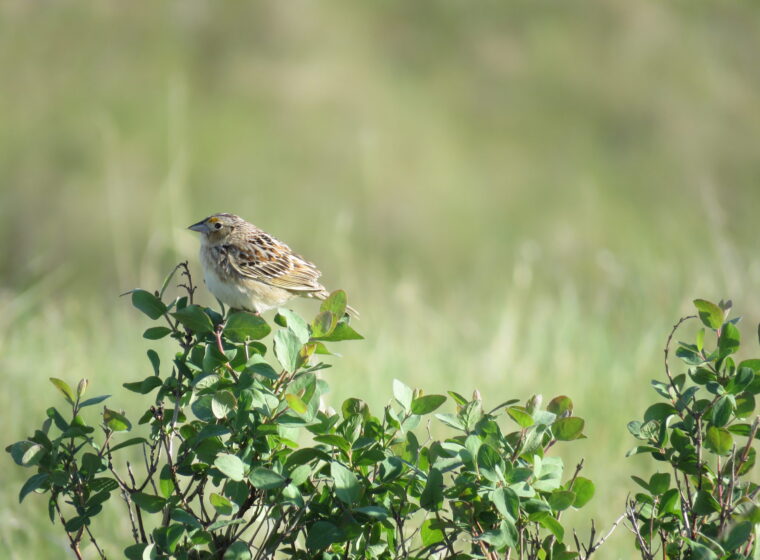
Of Birds and Buckets: Nocturnal Flight Call Recordings Shine A Light on Migration Timing
Most of our knowledge regarding the migration timing of songbirds comes from birding observations made during the day, even though much of the actual migration occurs at night. Is this a problem? As it turns out, it might be.