VCE Science Projects
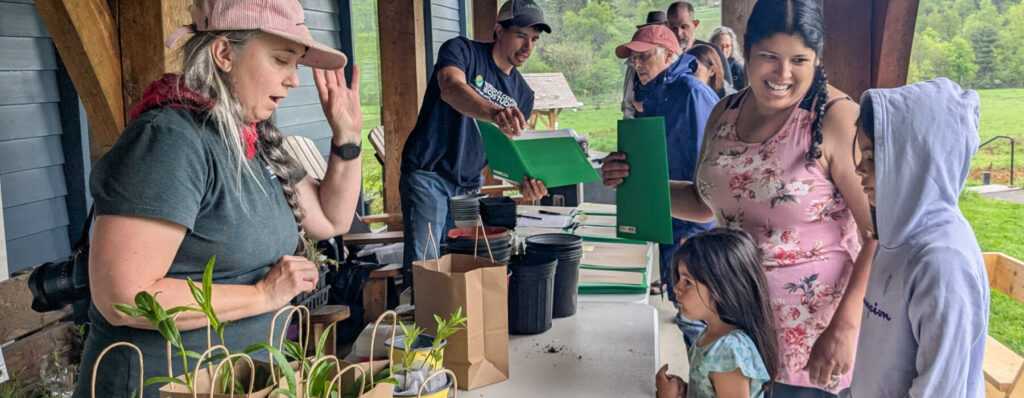
Adopt-a-Plant
Community scientists from Vermont, New Hampshire, and Massachusetts were invited to adopt a native plant for their own garden or balcony. By collecting data on plant growth and insect activity throughout the year, these volunteers are helping us gather more conclusive evidence on the relationship between plant ecotype and pollinator support.
Taxa: Arachnids, Invertebrates, Birds Ecosystem: Developed Region: Northeastern US Volunteers: No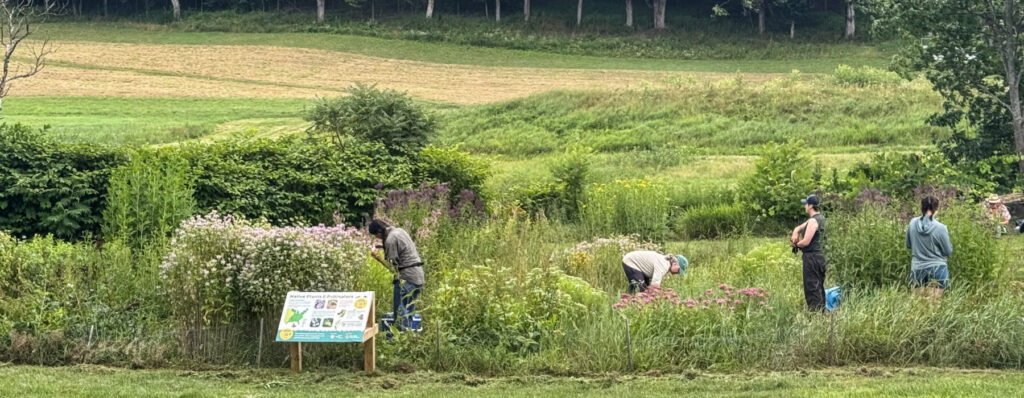
Native Plant Ecotype Experiment
We are collaborating with Native Plant Trust on a first-of-its-kind, community-based garden experiment to assess how plant provenance influences plant phenology, flower resources, and pollinator support.
Taxa: Plants, Invertebrates Ecosystem: Developed, Agricultural Region: Northeastern US Volunteers: No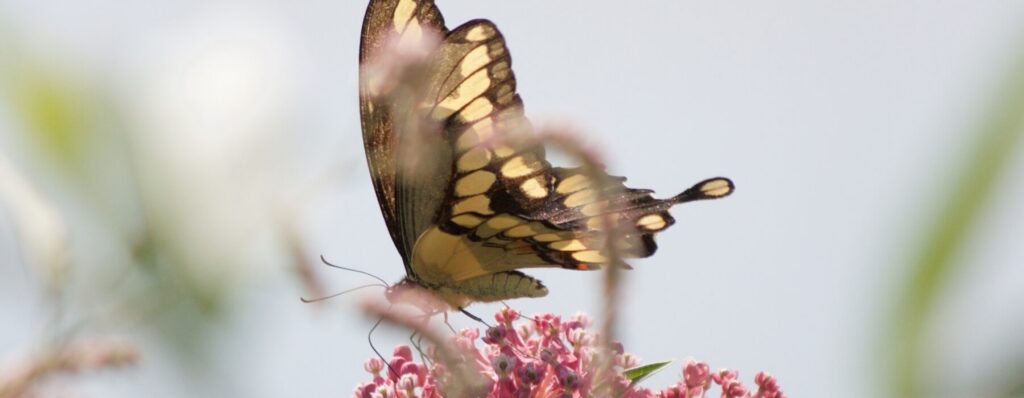
Pollinator Interactions on Plants
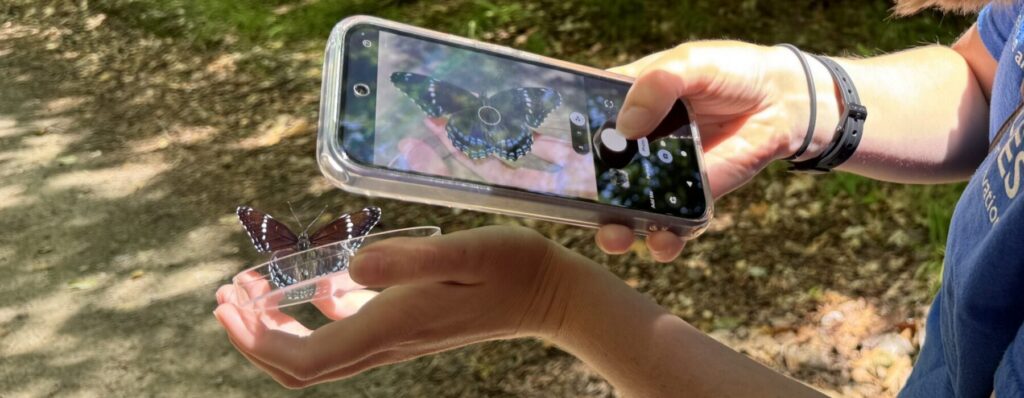
In February of 2023, VCE launched a community science project studying plant-insect interactions across the northeastern United States. It's called the Pollinator Interactions on Plants project, or ‘PIP’ for short. You can contribute—all you need is a camera (or your phone), and an enthusiasm for observing insect life and flowers around you.
Taxa: Invertebrates, Birds Ecosystem: Developed, Agricultural Region: Northeastern US Volunteers: Yes - Beginner
Second Vermont Butterfly Atlas
The Vermont Butterfly Atlas is a five-year survey that is completed every 20 years with the help of volunteer community scientists, who document the abundance and distribution of butterflies across Vermont.
Taxa: Invertebrates Ecosystem: Grasslands & Meadows, Forests, Developed, Mountains, Agricultural Region: Vermont Volunteers: Yes - Beginner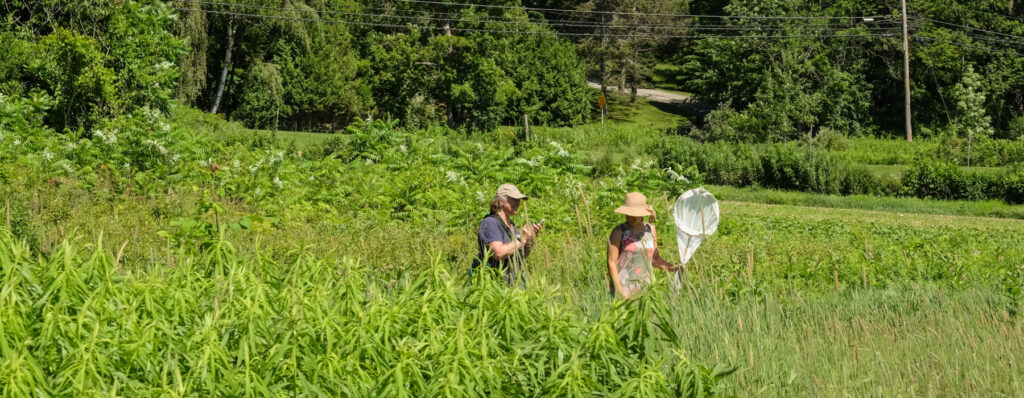
Vermont Atlas of Life
The Vermont Atlas of Life is a library of knowledge on Vermont’s animals, plants, fungi, and microorganisms—an online, real-time resource with maps, photographs, and primary biodiversity data open for anyone to use.
Taxa: Amphibians, Invertebrates, Mammals, Plants, Reptiles, Mollusks, Arachnids, Birds, Fungi, Fish Ecosystem: Forests, Grasslands & Meadows, Mountains, Developed, Lakes & Ponds, Agricultural Region: Vermont Volunteers: Yes - Beginner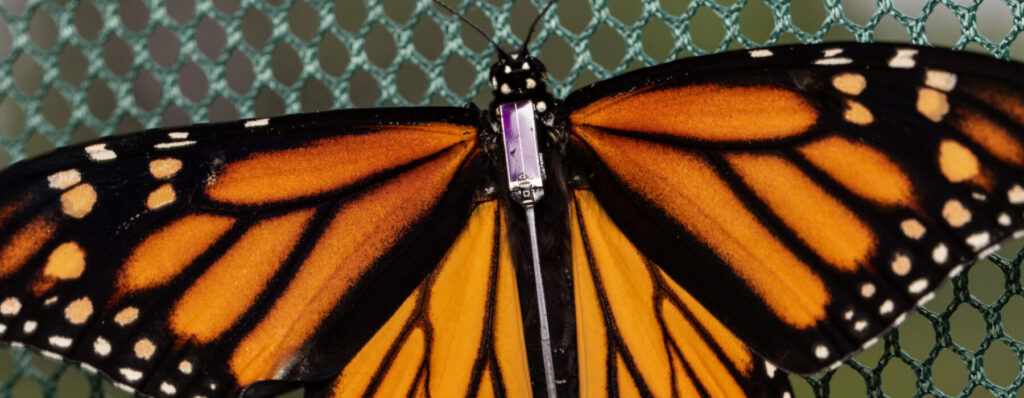
Vermont Monarch Migration Project
Where do our 'Ver-Monarchs' go and how many make it to Mexico? VCE scientists are using cutting-edge solar-powered and bluetooth-enabled tags to track the annual fall migration of Monarchs.
Taxa: Invertebrates Ecosystem: Agricultural, Developed, Grasslands & Meadows, Forests, Mountains Region: North America, Vermont Volunteers: No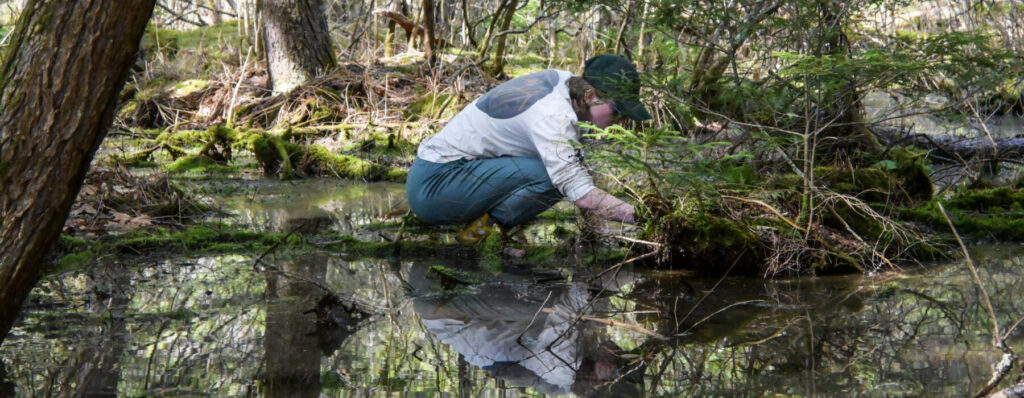
Vermont Vernal Pool Monitoring and Atlas
Vernal pools are one of the Northeast’s most dramatic seasonal ecosystems, bursting with life as frogs and salamanders gather to breed. While vernal pools provide critical breeding habitat for charismatic species and serve as hidden powerhouses within forest ecosystems, they face an uncertain future in Vermont.
Taxa: Amphibians, Invertebrates Ecosystem: Forests Region: Vermont Volunteers: No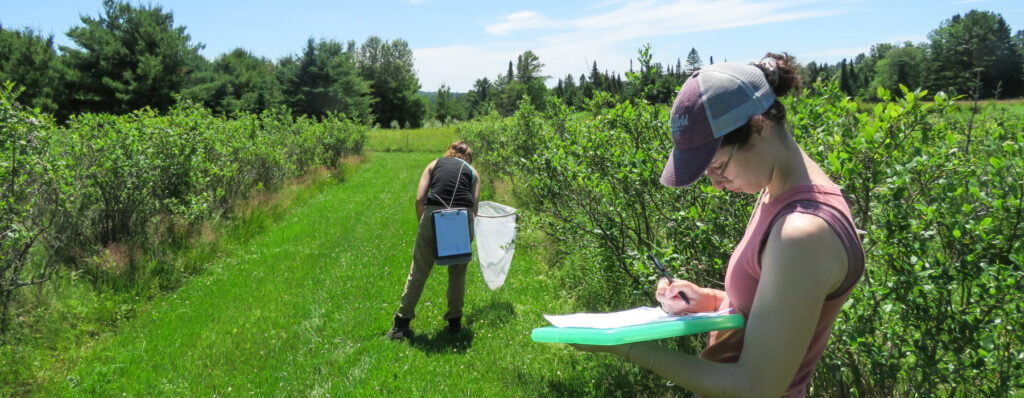
Wild Bees on Farms
This project aims to uncover which bee species are supported by specific crops throughout the seasons, which non-crop plant species are being visited by bees, and if bees are exposed to pesticides.
Taxa: Invertebrates Ecosystem: Agricultural Region: Vermont Volunteers: No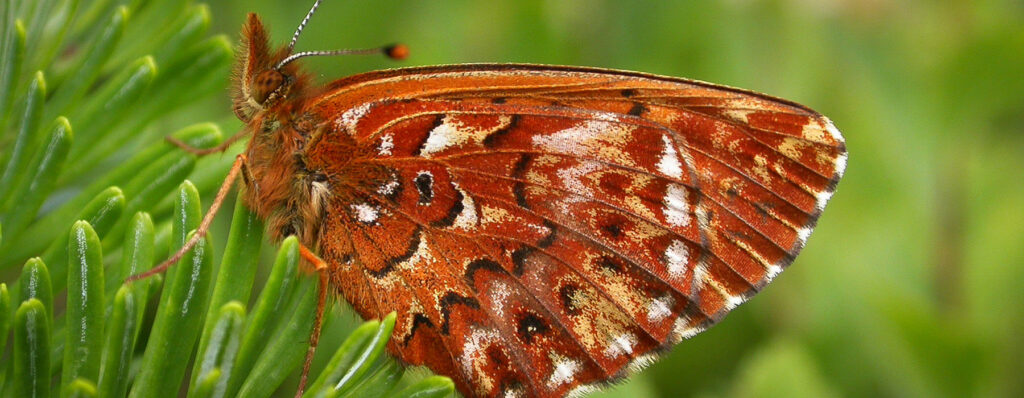
Alpine Butterflies
Perched atop New Hampshire’s Presidential Range in the alpine tundra are two butterflies that exist nowhere else on earth. Although at first blush both species may seem secure on these protected summits, there are several threats to their long-term survival.
Taxa: Invertebrates Ecosystem: Mountains Region: Northeastern US Volunteers: No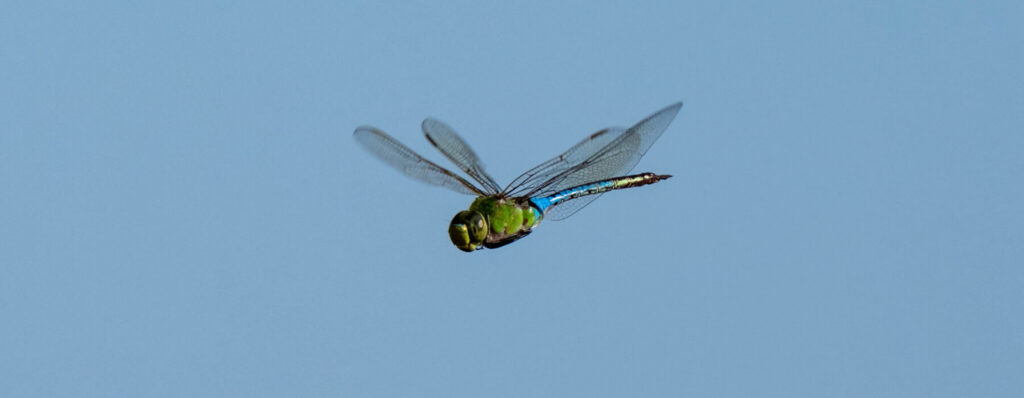
Green Darner Dragonfly Migration
Like birds, millions of Green Darners migrate to the north in the spring and south in the fall. Where are they coming from and where do they go?
Taxa: Invertebrates Ecosystem: Lakes & Ponds Region: Eastern North America Volunteers: No
Upper Valley Backyard Tick Project
New Englanders are worried about ticks and the diseases they spread. So many anxious homeowners are turning to a relatively new service: backyard tick spraying. How is this affecting beneficial insects like pollinators? And does it work?
Taxa: Invertebrates Ecosystem: Developed Region: Upper Valley Volunteers: No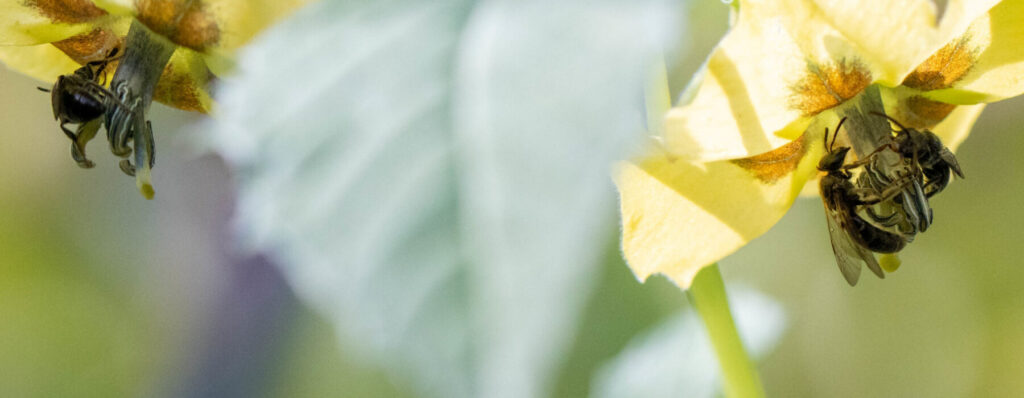
Vermont Wild Bee Survey
Wild bees are a diverse and ecologically important insect group. And as one of the most important groups of pollinators, they provide essential ecological and agricultural services.
Taxa: Invertebrates Ecosystem: Forests, Grasslands & Meadows, Developed, Agricultural Region: Vermont Volunteers: No