A Sharper Focus for Vermont’s Wild Future
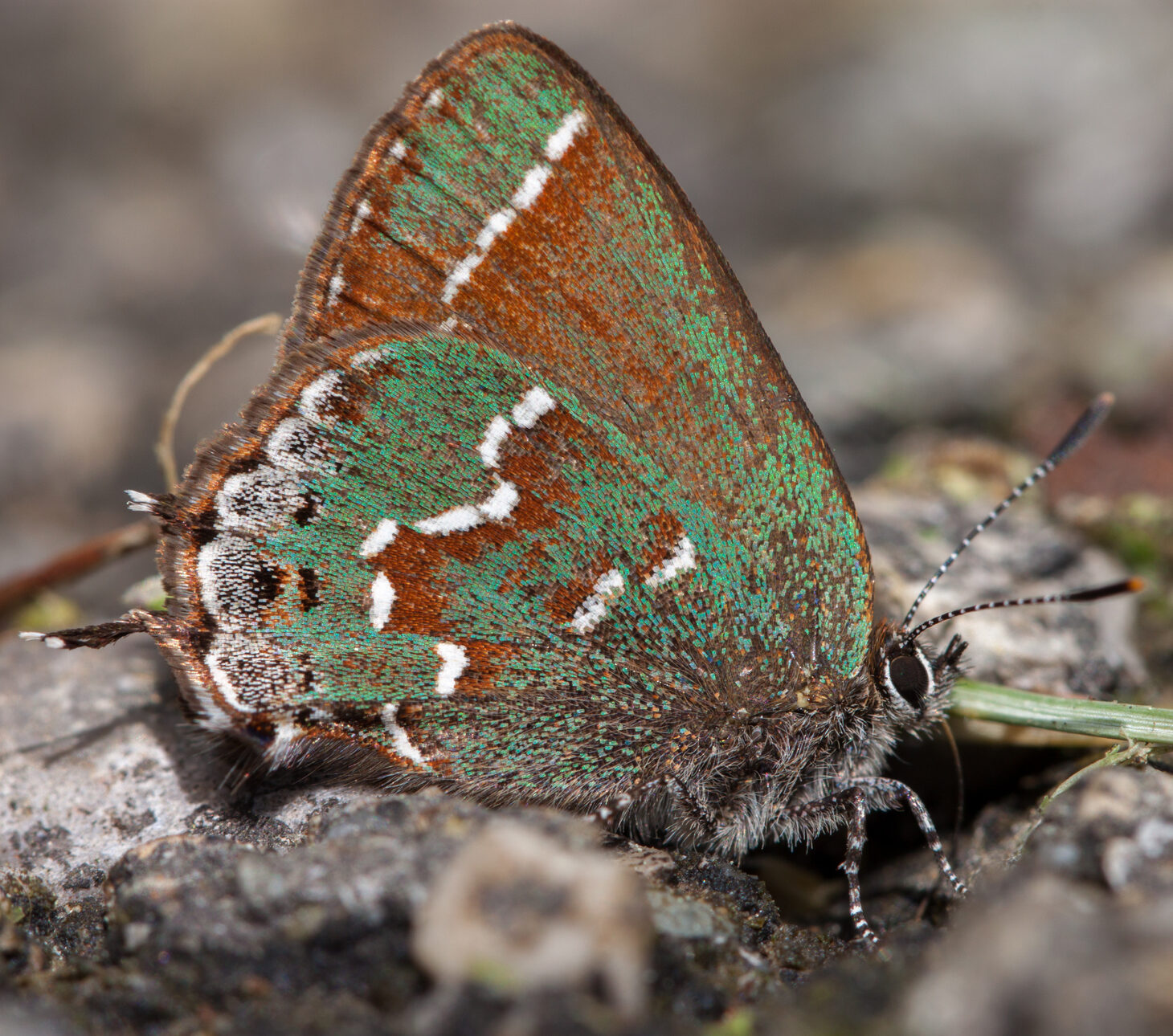
Juniper Hairstreak (Callophrys gryneus), a Vermont Species of Greatest Conservation Need © Kent McFarland
Vermont will soon publish its updated Wildlife Action Plan, a 10-year road map that sets conservation priorities and helps determine which species can qualify for government funds for conservation planning, recovery work, and further research. Only species included in the plan are eligible for that support, and inclusion requires enough data to make the scientific case.
Five VCE staff members took part in the drafting process through Scientific Advisory Groups, in which much of the plan’s scientific framework is assembled. The draft also cites the Vermont Atlas of Life as a biodiversity resource, highlighting how long-term field data can turn overlooked species into recognized conservation priorities. Using Atlas data, more than 100 species were included in the plan for the first time.
That work comes at a critical moment. Large gaps remain in what the state knows—especially regarding invertebrates and fungi, groups that have historically received less attention. Vermont is among the first states to include fungi on its list of Species of Greatest Conservation Need, a shift that broadens the picture of what biodiversity conservation can include.
By pairing landscape-scale planning with species-level distribution models, researchers at VCE and elsewhere can see not just where habitat matters, but which species may be overlooked. “We can look at biodiversity conservation at two levels,” says Ryan Rebozo, VCE’s director of conservation science. “There’s the big habitat level, and then the individual species that are falling through the cracks.”
As the picture sharpens, so does the sense of where conservation attention is most needed. Species once absent from the record are now visible in the data and eligible for protection. That shift—from partial knowledge to something more complete—marks a quiet but consequential step forward for conservation in Vermont.
Next Steps• Complete remaining species distribution models, then provide ground truth through summer fieldwork. |
Turning Pollinator Data into Planting Decisions
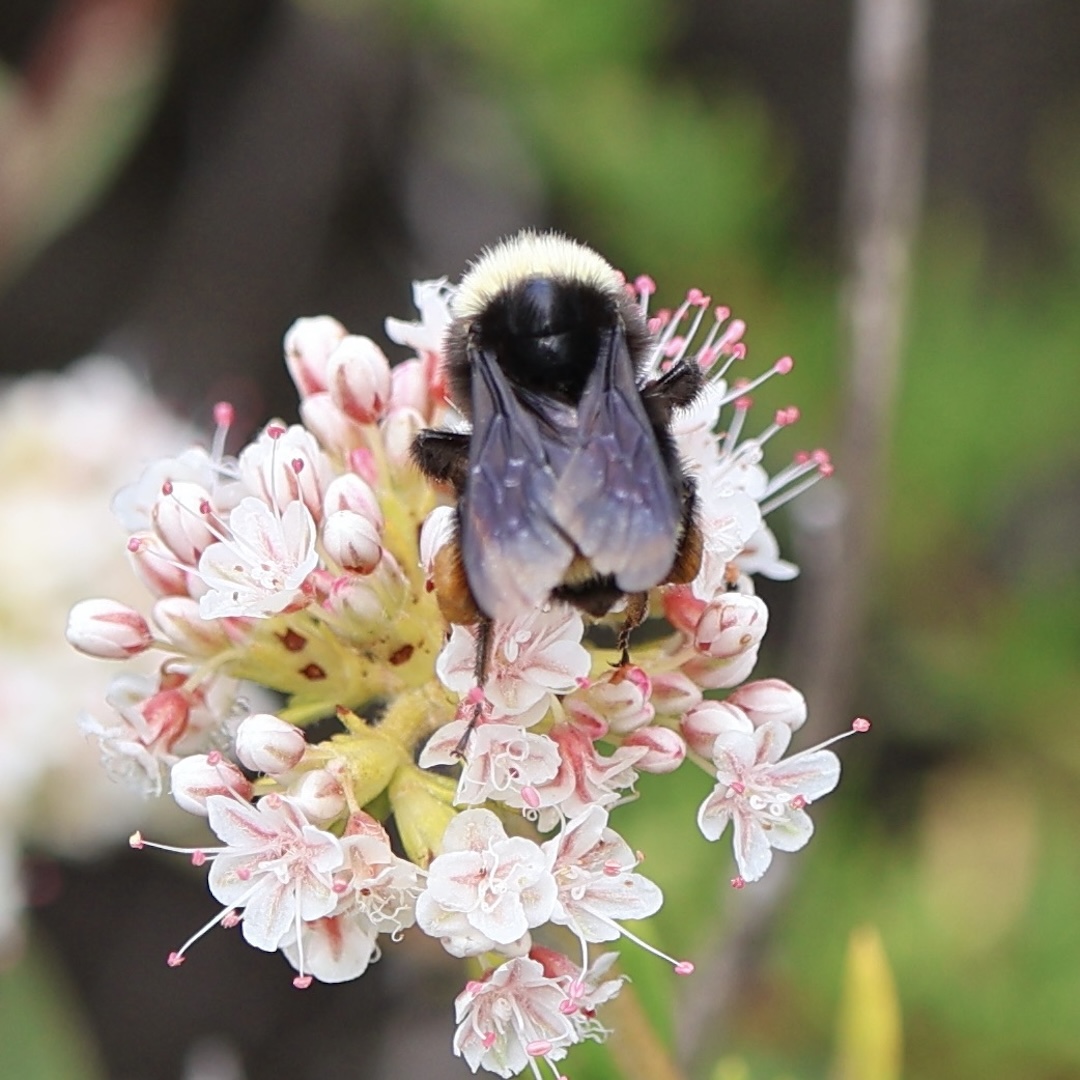
Yellow-faced Bumble Bee (Bombus vosnesenskii) on California Buckwheat (Eriogonum fasciculatum) by Karen Fraser (via iNaturalist, public domain)
In 2025, VCE Conservation Biologist Desirée Narango took on a stubborn challenge: how to use large, unruly datasets on plants and pollinators to generate gardening advice people can actually use. Through a working group funded by the National Center for Ecological Analysis and Synthesis, Narango joined researchers and practitioners in California to build a tool that turns complex ecological data into practical planting recommendations.
By combining open community-collected data, machine learning algorithms, and predictive models, the team found ways to fill gaps in incomplete records and identify which plants are likely to be the most beneficial to pollinators in places with different management goals. Some help to extend bloom seasons. Some are especially valuable for specialist bees. Others feed adult pollinators while also supporting caterpillars. The result is guidance that can help gardeners, farmers, and land managers choose plants with greater confidence.
That work now powers new features in the California Native Plant Society’s Calscape tool, offering region-specific recommendations based on local conditions. Instead of asking people to guess which native plants might help, it gives them a clearer, science-based starting point.
The idea could travel well. With more than 650,000 records of plant and pollinator interactions in the Northeast, Narango is already exploring how to bring a similar approach closer to home, adapting the modeling framework to build a Northeast native plant prioritization tool. You can contribute to that effort by documenting pollinator interactions you see in your own yards and gardens and submitting them to iNaturalist.
Next Steps• Secure funding to adapt the California modeling framework and build a Northeast native plant prioritization tool. |
Science Gets a Seat at the Policy Table
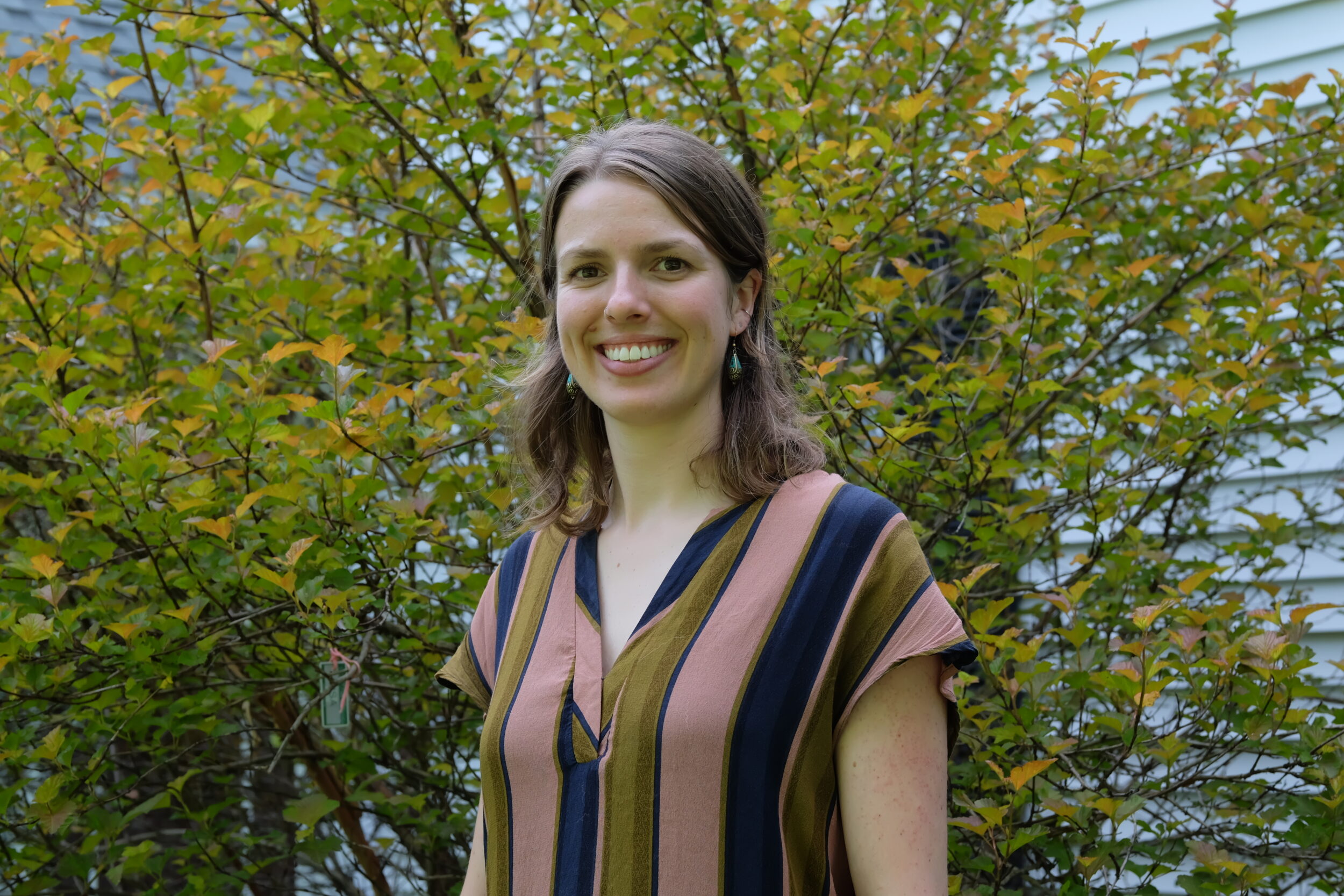
Emily Anderson, VCE’s Science to Policy Manager © Alden Wicker
As part of VCE’s science-to-policy initiative, the organization moved more deliberately in 2025 to put its science to work in public decision-making. It brought field data, species expertise, and ecological insight directly into policy discussions, shifting from occasional input to sustained engagement. With its first dedicated science-to-policy staff, VCE joined working groups, submitted public comments, and built relationships across Vermont’s decision-making landscape.
“Providing tools for science-based policy decisions is a key interest right now, and we want to support that,” says VCE Science to Policy Manager Emily Anderson.
VCE staff contributed to the implementation of Act 181, weighed in on wakeboat impacts to loon nests, helped shape discussions on wetland protections, and brought science to bear on grassland bird habitat in permit renewals. It also joined the Environmental Common Agenda process for the first time, helping outline environmental priorities at the state level.
The goal, says Anderson, “is to make sure the best available science does not just sit on the shelf, but helps shape decisions.”
Next Steps• Expand partnerships and policy networks while staying active in rulemaking and legislative discussions. |
More than a Map: A Closer Look at Where Conservation Matters Most
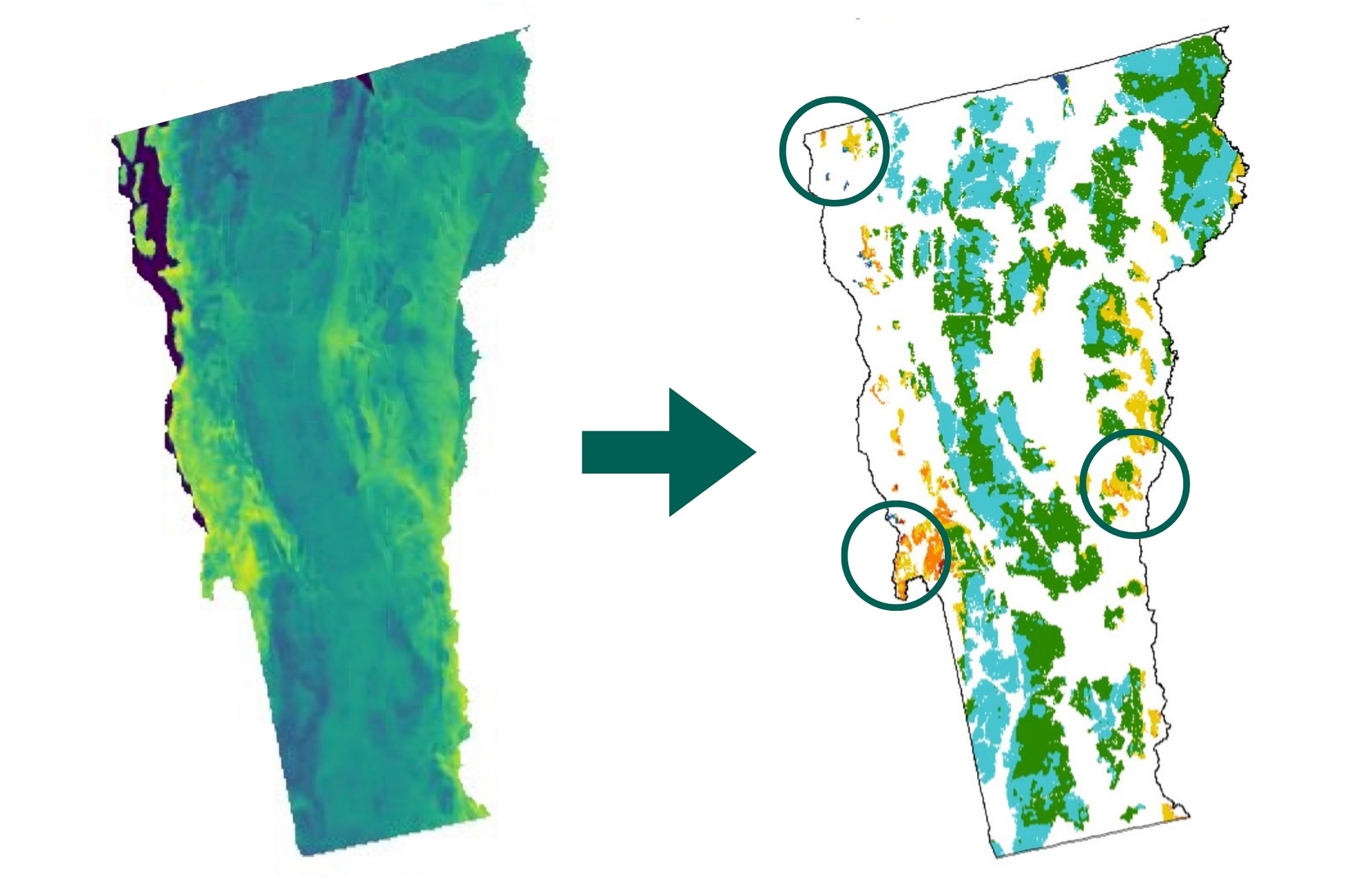
Habitat suitability models (left) help identify areas where species diversity is expected to be high (right). © Graphic by Brian Kron
Vermont Conservation Design is a science-based statewide plan that identifies priority lands and waters for conservation and land-use decisions. In 2025, a VCE team began sharpening that big-picture tool with a new layer of species-level insight, making it more versatile and more powerful on the ground.
VCE scientists launched a major modeling effort to predict where species live now and where they are most likely to persist as climate and land use change. Using tens of thousands of community science observations, the team is building models for more than 100 species of conservation concern and combining more than 30 environmental variables to map current and future habitat suitability across Vermont.
The aim is to make Vermont Conservation Design a stronger conservation tool. By showing which species are already well represented in the network of conserved lands—as well as which places or species may be slipping through the cracks—the models can help focus protection where it matters most.
“Just having an idea of where the species are predicted to be will help Vermonters manage habitats and protect those species,” says Mike Hallworth, VCE’s conservation and data scientist. “This can lead to land being protected because we identified that it’s important for biodiversity. That’s just super exciting.
Next Steps• Complete species distribution models to identify priority biodiversity areas now and under future conditions. |
When AmeriCorps Shut Down, the Work Continued
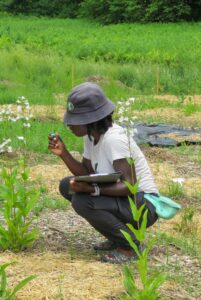
Onome Ofoman © Sammi Rizzo
In May, with no warning, the federal government terminated the Eco AmeriCorps program. Members across the country were dismissed immediately, losing pay, health insurance, and, in some cases, housing, months before their terms were meant to end. At VCE, the shutdown came just as the Adopt-a-Plant project, which Onome Ofoman was coordinating, was beginning to reach hundreds of new volunteers across the Northeast.
Thanks to the generosity of VCE donors, we were able to keep Ofoman on through the early summer, covering the remainder of her salary, health insurance, and education award after federal support vanished. She stayed long enough to guide the project through its critical first phase before leaving for her PhD program at the University of Vermont.
Ofoman’s work helped turn a surplus of study plants into an ambitious community science effort, drawing in many people who were new to VCE. The episode was a clear reminder of how much AmeriCorps members give to this work and how much can be lost when that support disappears overnight.
This article is from VCE’s 2025 Annual Report. Read more about what we accomplished in 2025 at the Annual Report homepage!