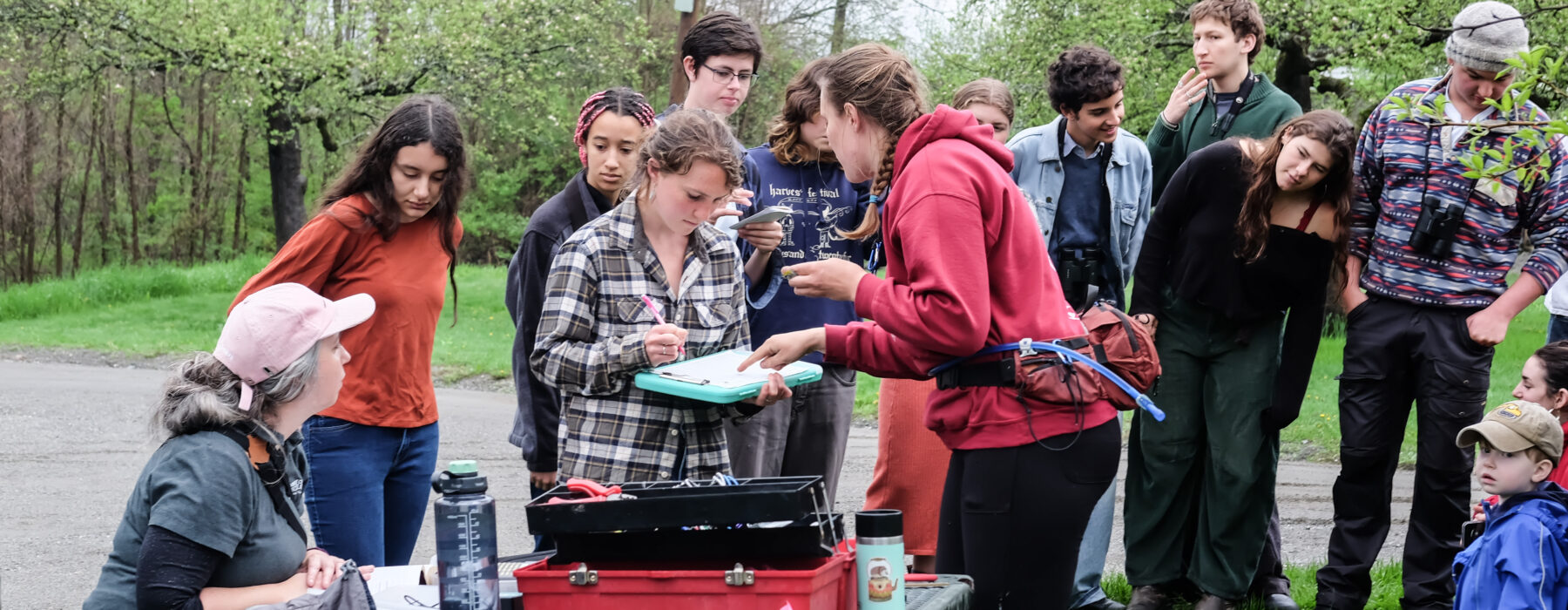
Anyone can be a community scientist! That’s what we call our volunteers here at Vermont Center for Ecostudies. As a national leader in people-powered science, VCE invites anyone and everyone to contribute to data collection and wildlife monitoring.
We can’t do what we do alone. Community scientists help us multiply the efforts of our staff biologists, allowing us to monitor species from New York to Maine. The effort, skills, and commitment required of a community scientist are as diverse as a bog ecosystem.
You can start simply, by snapping a picture of a bumblebee visiting a flower in your garden and uploading it to the community science app iNaturalist. Kayak around your local pond to look for a loon nest. Invite a VCE biologist or another volunteer to your property to survey for butterflies, bees, or grassland birds, and learn how to be a good steward in the process. Take a moonlit summer hike to listen for Whip-poor-wills. And invite a VCE scientist to give a talk in your community.
Sound intimidating? It doesn’t have to be! We provide guidance for regular folks looking to get hands-on involvement in conservation in their neighborhood, local public land, and across the Northeast. That includes webinars, workshops, easy software platforms, and hands-on help from our scientists.
Explore below to see how you can get involved
“As a volunteer, it made me happy to know that what I was doing was actually making a difference in helping to track long-term changes of bird populations. In an era where scientific studies can’t be reliably carried out by the government, volunteering to continue bird surveys like the Forest Bird Monitoring Program is now more critical than ever.”
— Spencer Ogden
Community Science Projects at VCE
Pollinator Interactions on Plants
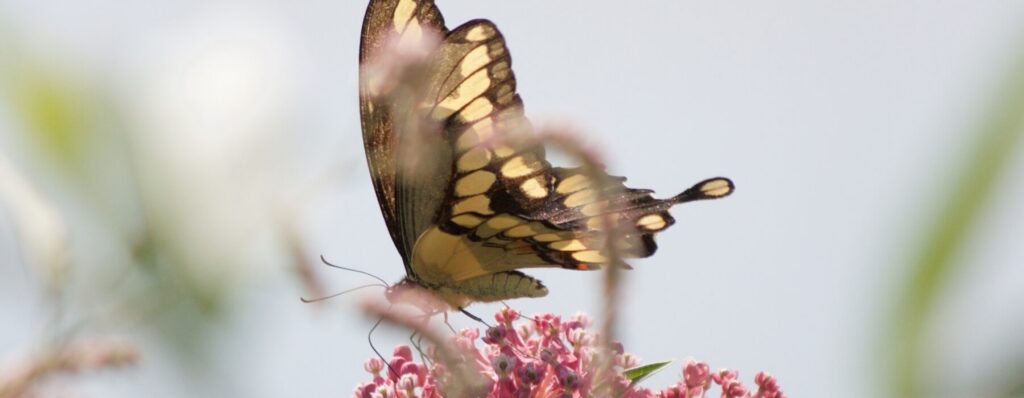
In February of 2023, VCE launched a community science project studying plant-insect interactions across the northeastern United States. It's called the Pollinator Interactions on Plants project, or ‘PIP’ for short. You can contribute—all you need is a camera (or your phone), and an enthusiasm for observing insect life and flowers around you.
Learn more and join »
Vermont Atlas of Life
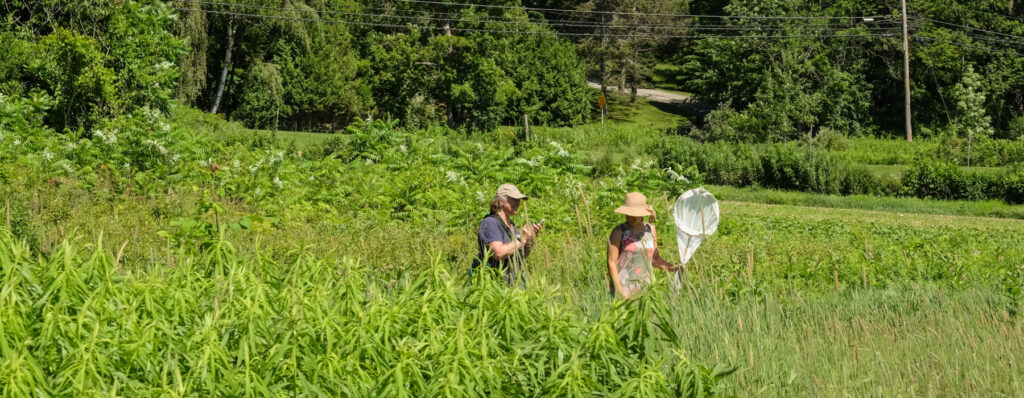
The Vermont Atlas of Life is a library of knowledge on Vermont’s animals, plants, fungi, and microorganisms—an online, real-time resource with maps, photographs, and primary biodiversity data open for anyone to use.
Learn more and join »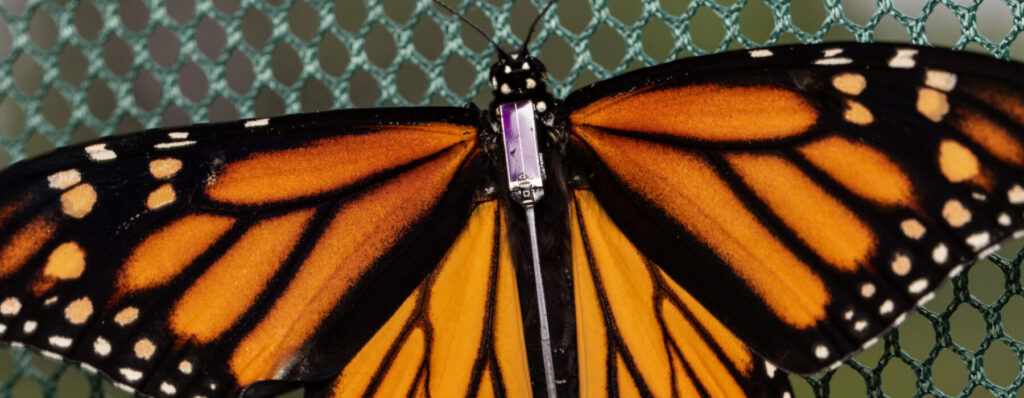
Vermont Monarch Migration Project
Where do our 'Ver-Monarchs' go and how many make it to Mexico? VCE scientists are using cutting-edge solar-powered and bluetooth-enabled tags to track the annual fall migration of Monarchs.
Learn more and join »