Volunteer
We’re so happy you’re here. Volunteer opportunities range from using an app to upload casual wildlife sightings, to participating in one-day monitoring events, or committing to long-term wildlife monitoring.
All skill and knowledge levels welcome! Each community science project is facilitated by our staff, who provide project-specific training and instructions. If you have questions, please contact Community Science Coordinator Dana Williams at dwilliams@vtecostudies.org.
We're Currently Recruiting Volunteers For:
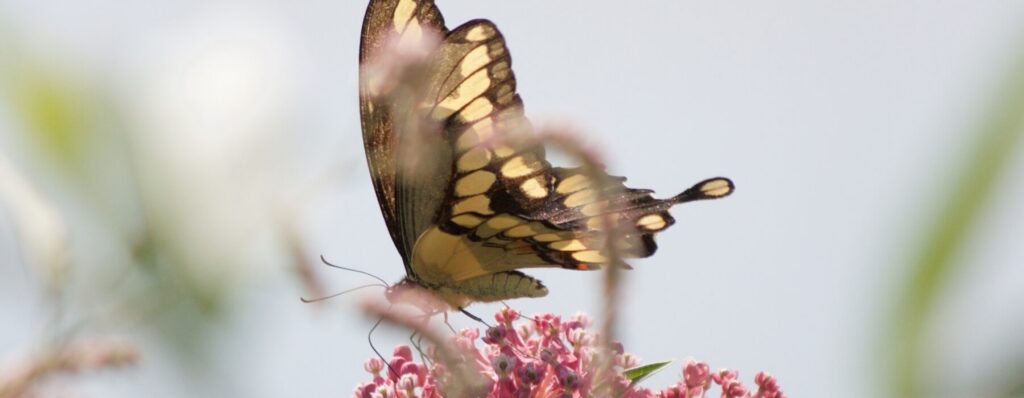
Pollinator Interactions on Plants
In February of 2023, VCE launched a community science project studying plant-insect interactions across the northeastern United States. It's called the Pollinator Interactions on Plants project, or ‘PIP’ for short. You can contribute—all you need is a camera (or your phone), and an enthusiasm for observing insect life and flowers around you.
Learn more and join »
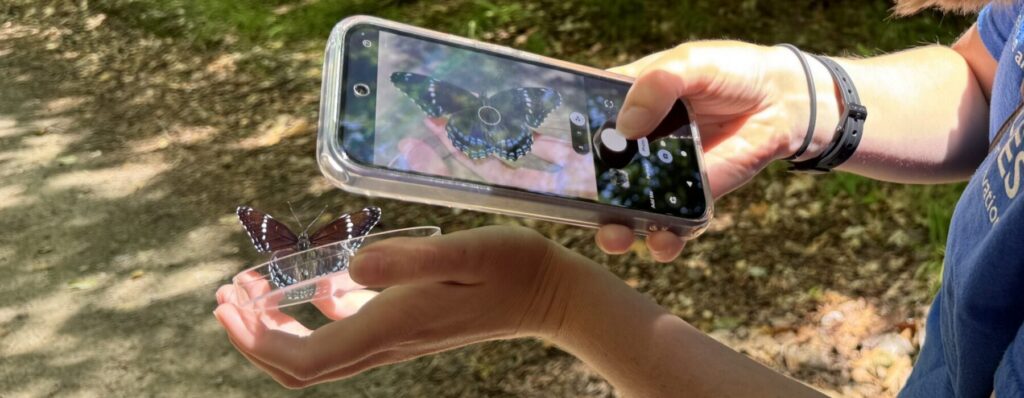
Second Vermont Butterfly Atlas
The Vermont Butterfly Atlas is a five-year survey that is completed every 20 years with the help of volunteer community scientists, who document the abundance and distribution of butterflies across Vermont.
Learn more and join »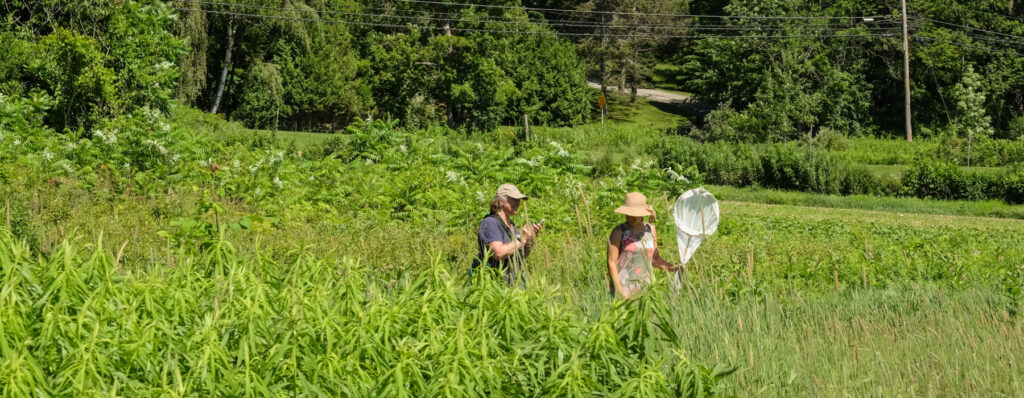
Vermont Atlas of Life
The Vermont Atlas of Life is a library of knowledge on Vermont’s animals, plants, fungi, and microorganisms—an online, real-time resource with maps, photographs, and primary biodiversity data open for anyone to use.
Learn more and join »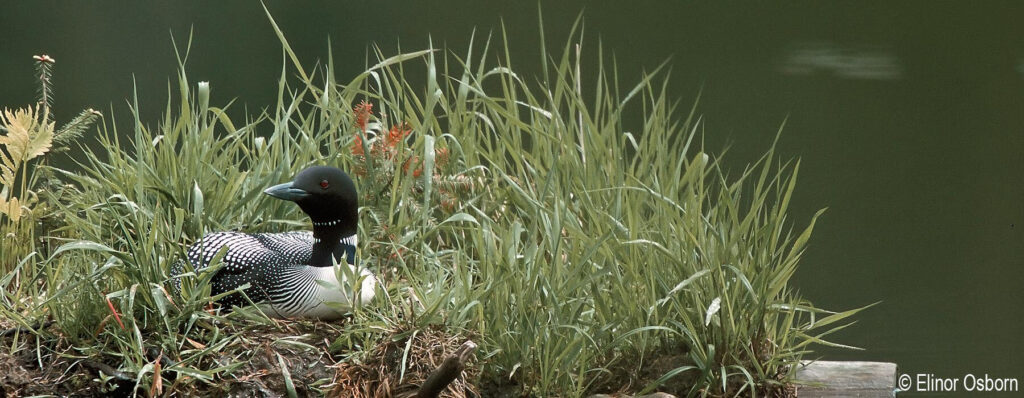
Vermont Loon Conservation Project
Four decades ago, Vermont had only seven pairs of Common Loons left in the state. Now 115 nesting pairs call our lakes and ponds home, and the number continues to increase. This conservation triumph is the result of many organizations and people—including regular folks like you—working together.
Learn more and join »