VCE Science Projects
Adopt-a-Plant
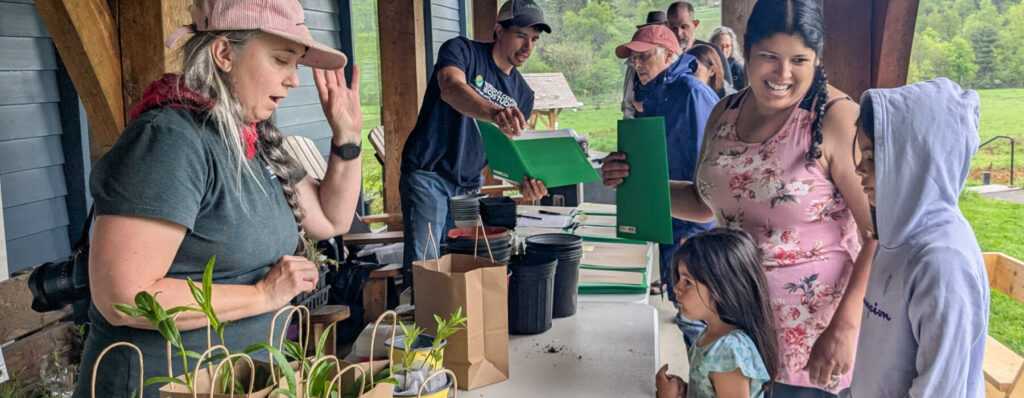
Community scientists from Vermont, New Hampshire, and Massachusetts were invited to adopt a native plant for their own garden or balcony. By collecting data on plant growth and insect activity throughout the year, these volunteers are helping us gather more conclusive evidence on the relationship between plant ecotype and pollinator support.
Taxa: Arachnids, Invertebrates, Birds Ecosystem: Developed Region: Northeastern US Volunteers: No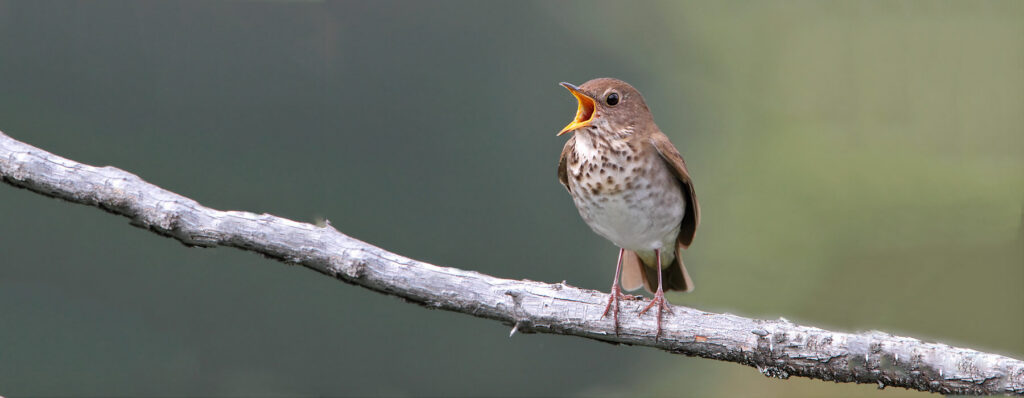
Bicknell’s Thrush Full Annual Lifecycle
VCE’s long-term commitment to Bicknell’s Thrush conservation demands that we pay careful attention to issues beyond its breeding range here in New England, including its habitat needs during migratory and wintering seasons. For over 20 years we have been unraveling its elusive winter ecology in the Caribbean to inform conservation efforts. Recently, we have begun new research to investigate stopover habitat for Bicknell's Thrush in the Mid-atlantic as well.
Taxa: Birds Ecosystem: Caribbean, Forests, Mountains Region: Caribbean, Northeastern US, Eastern North America, North America, Vermont Volunteers: No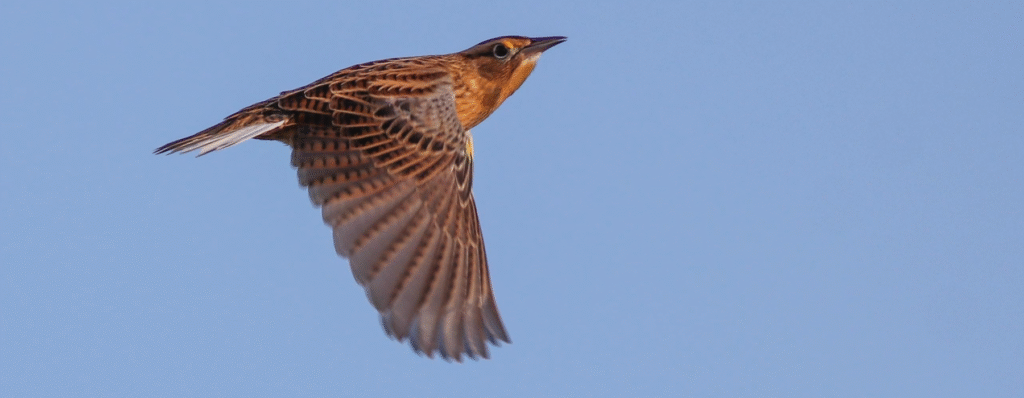
Eastern Meadowlark Conservation
The Eastern Meadowlark, a large member of the blackbird family, is a favorite among birders for its bright yellow breast and gentle, whistled song. VCE is working to keep this iconic grassland bird on the Vermont landscape through outreach, targeted monitoring, and community-sourced data. By tracking meadowlark locations and population trends, you can help ensure future generations can continue to experience the songs and presence of the Eastern Meadowlark across Vermont.
Taxa: Birds Ecosystem: Grasslands & Meadows Region: Vermont Volunteers: No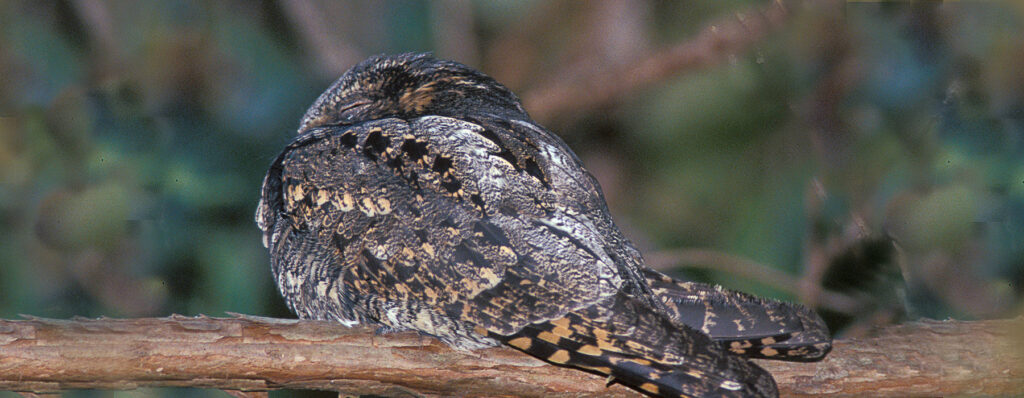
Eastern Whip-Poor-Will Monitoring
On moonlit nights in the summer, volunteers listen out for the unique song of the Whip-Poor-Will. Their monitoring helps us track the prevalence of this increasingly nostalgic bird.
Taxa: Birds Ecosystem: Forests, Grasslands & Meadows Region: Vermont Volunteers: No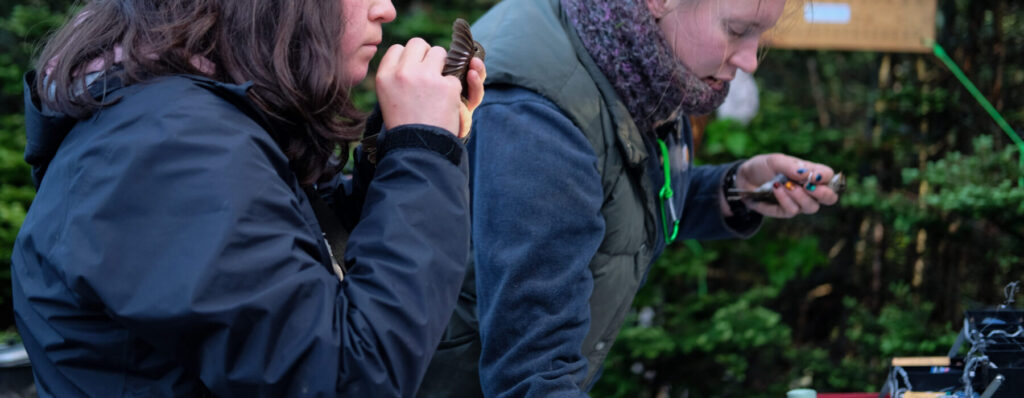
Mount Mansfield Songbird Research
Our scientists, with the help of student interns and volunteers, have operated mist nets along the ridgeline of Mt. Mansfield each summer since 1992. Our research helps us understand changes in the breeding bird community in relation to weather, climate, forest changes, and more. Our findings have been applied throughout the Northeast in the management of state and national forests, alpine ski areas, timberland management, and ridgeline development projects.
Taxa: Birds Ecosystem: Mountains, Forests Region: Eastern North America Volunteers: No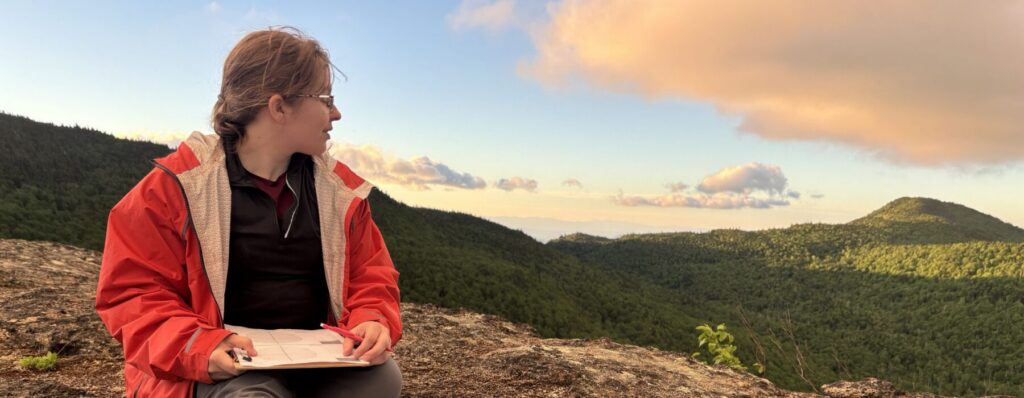
Mountain Birdwatch
Every year for 25 seasons, Mountain Birdwatch's community scientists have hiked over 100 routes across eastern New York and Northern New England in June. The data they collect provides powerful insight into the health of bird populations that reside in our montane spruce-fir forests.
Taxa: Birds Ecosystem: Mountains Region: Northeastern US Volunteers: No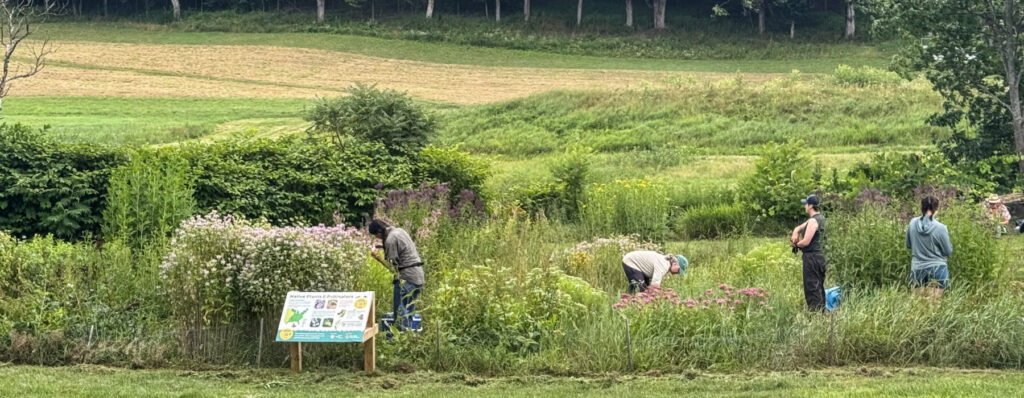
Native Plant Ecotype Experiment
We are collaborating with Native Plant Trust on a first-of-its-kind, community-based garden experiment to assess how plant provenance influences plant phenology, flower resources, and pollinator support.
Taxa: Plants, Invertebrates Ecosystem: Developed, Agricultural Region: Northeastern US Volunteers: No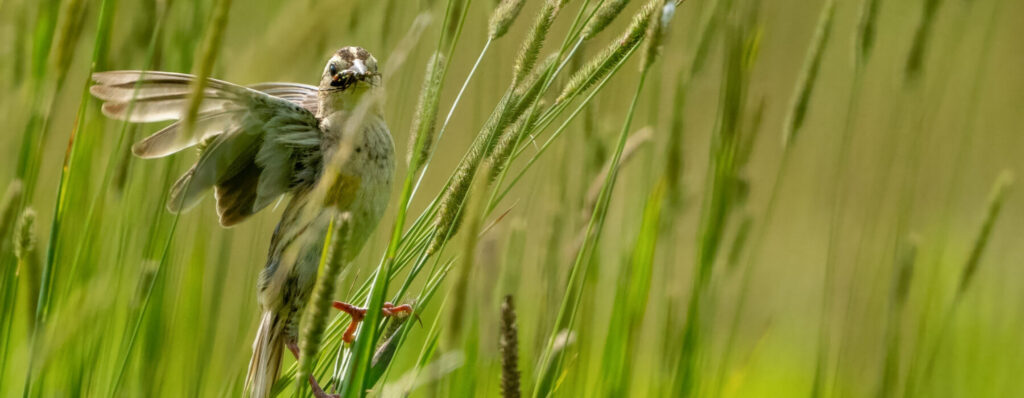
New England Grasslands Ambassadors Program
The New England Grasslands Ambassadors program supports landowners and farmers in managing open fields in ways that benefit both working lands and grassland birds. The Vermont Center for Ecostudies provides guidance tailored to local needs, so together we can conserve the open landscapes Vermonters care deeply about.
Taxa: Birds Ecosystem: Agricultural, Grasslands & Meadows Region: Northeastern US Volunteers: No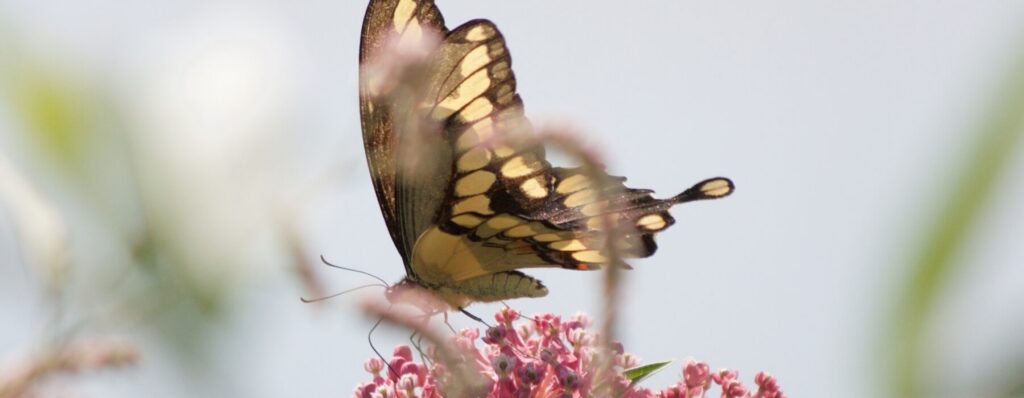
Pollinator Interactions on Plants
In February of 2023, VCE launched a community science project studying plant-insect interactions across the northeastern United States. It's called the Pollinator Interactions on Plants project, or ‘PIP’ for short. You can contribute—all you need is a camera (or your phone), and an enthusiasm for observing insect life and flowers around you.
Taxa: Invertebrates, Birds Ecosystem: Developed, Agricultural Region: Northeastern US Volunteers: Yes - Beginner
Second Vermont Butterfly Atlas
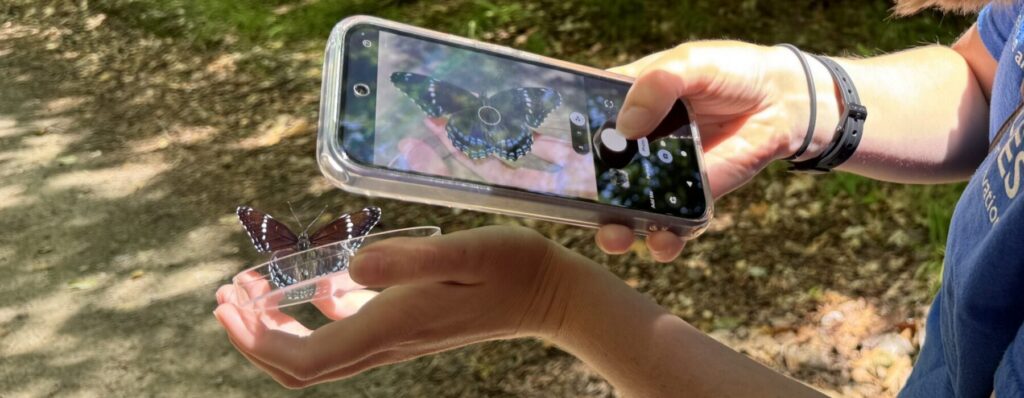
The Vermont Butterfly Atlas is a five-year survey that is completed every 20 years with the help of volunteer community scientists, who document the abundance and distribution of butterflies across Vermont.
Taxa: Invertebrates Ecosystem: Grasslands & Meadows, Forests, Developed, Mountains, Agricultural Region: Vermont Volunteers: Yes - Beginner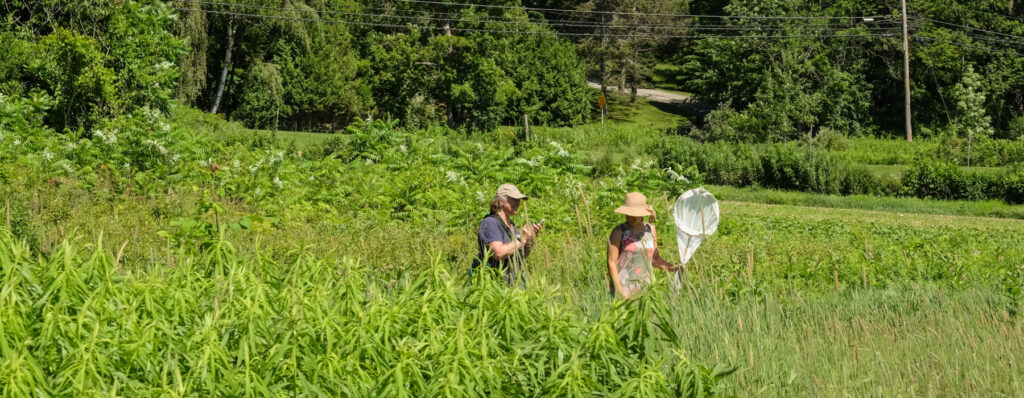
Vermont Atlas of Life
The Vermont Atlas of Life is a library of knowledge on Vermont’s animals, plants, fungi, and microorganisms—an online, real-time resource with maps, photographs, and primary biodiversity data open for anyone to use.
Taxa: Amphibians, Invertebrates, Mammals, Plants, Reptiles, Mollusks, Arachnids, Birds, Fungi, Fish Ecosystem: Forests, Grasslands & Meadows, Mountains, Developed, Lakes & Ponds, Agricultural Region: Vermont Volunteers: Yes - Beginner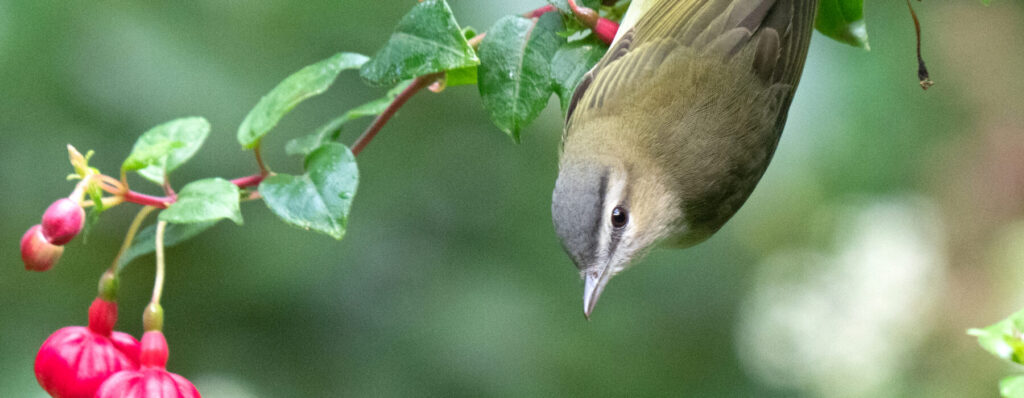
Vermont Breeding Bird Survey
For more than 60 summers, expert volunteer birders have risen before dawn to count birds along roadside routes across North America. The Breeding Bird Survey (BBS) is the continent’s longest-running landbird monitoring program, a cornerstone of modern bird conservation.
Taxa: Birds Ecosystem: Forests, Grasslands & Meadows, Mountains, Lakes & Ponds, Developed, Agricultural Region: Vermont Volunteers: Yes - Advanced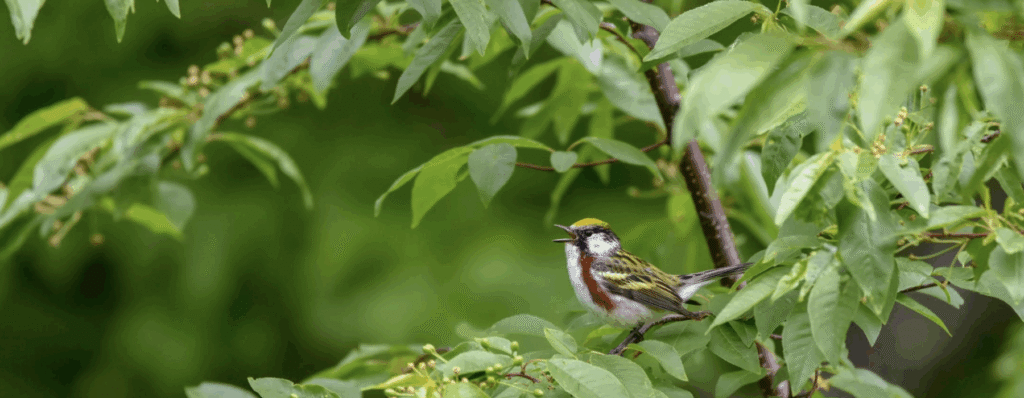
Vermont Forest Bird Monitoring Program
The Forest Bird Monitoring Program is one of the longest-running efforts tracking forest bird populations, and it relies on people like you to make that work possible. As birds lose forest habitat in their wintering grounds in Latin America and the Caribbean, your monitoring helps us understand how changes in diversity and abundance affect birds on their summer breeding grounds here in Vermont.
Taxa: Birds Ecosystem: Forests Region: Vermont Volunteers: No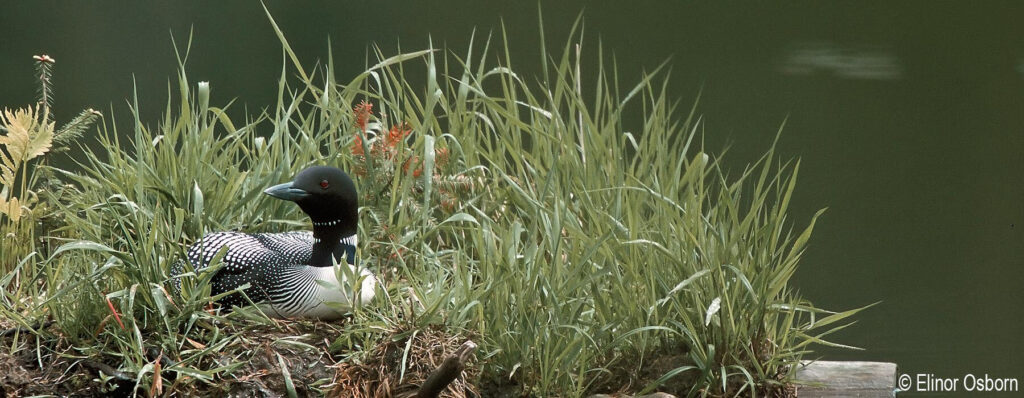
Vermont Loon Conservation Project
Four decades ago, Vermont had only seven pairs of Common Loons left in the state. Now 115 nesting pairs call our lakes and ponds home, and the number continues to increase. This conservation triumph is the result of many organizations and people—including regular folks like you—working together.
Taxa: Birds Ecosystem: Lakes & Ponds Region: Vermont Volunteers: Yes - Beginner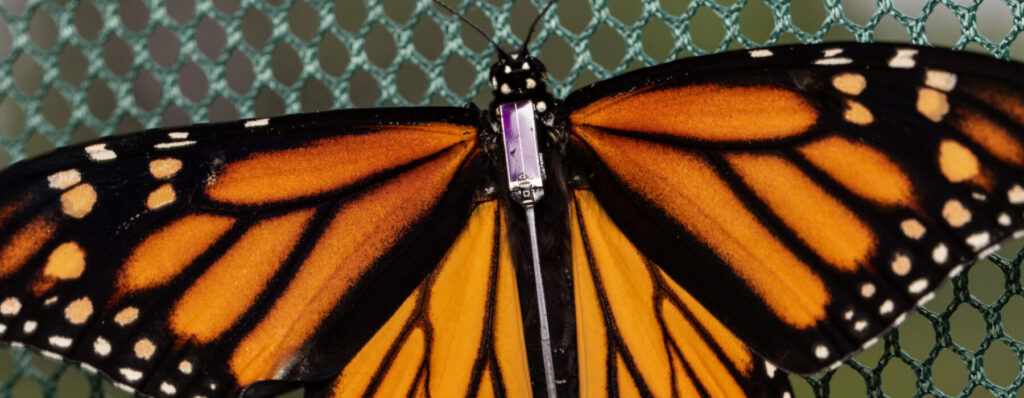
Vermont Monarch Migration Project
Where do our 'Ver-Monarchs' go and how many make it to Mexico? VCE scientists are using cutting-edge solar-powered and bluetooth-enabled tags to track the annual fall migration of Monarchs.
Taxa: Invertebrates Ecosystem: Agricultural, Developed, Grasslands & Meadows, Forests, Mountains Region: North America, Vermont Volunteers: No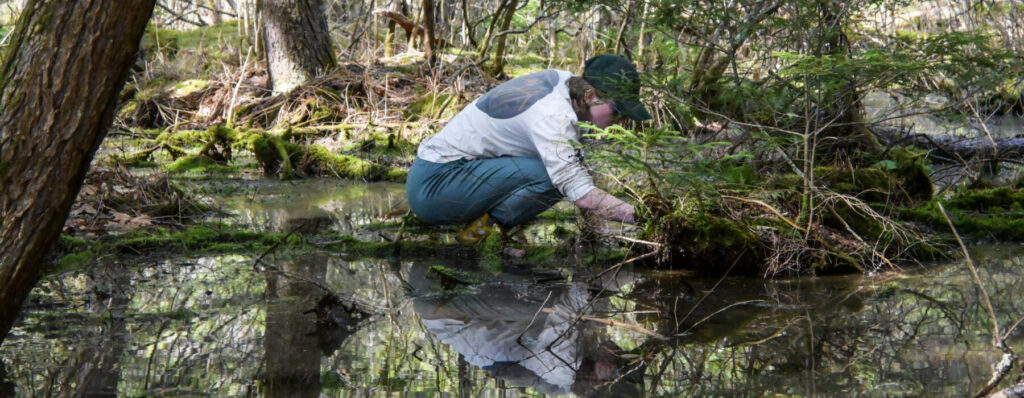
Vermont Vernal Pool Monitoring and Atlas
Vernal pools are one of the Northeast’s most dramatic seasonal ecosystems, bursting with life as frogs and salamanders gather to breed. While vernal pools provide critical breeding habitat for charismatic species and serve as hidden powerhouses within forest ecosystems, they face an uncertain future in Vermont.
Taxa: Amphibians, Invertebrates Ecosystem: Forests Region: Vermont Volunteers: No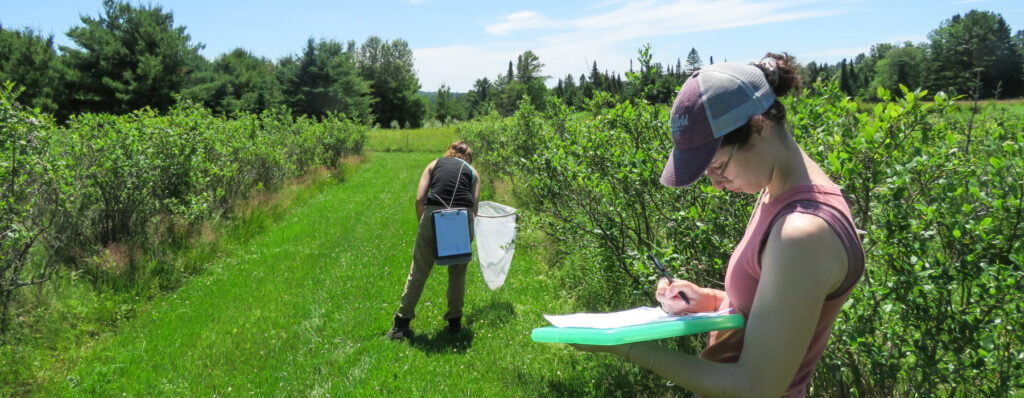
Wild Bees on Farms
This project aims to uncover which bee species are supported by specific crops throughout the seasons, which non-crop plant species are being visited by bees, and if bees are exposed to pesticides.
Taxa: Invertebrates Ecosystem: Agricultural Region: Vermont Volunteers: No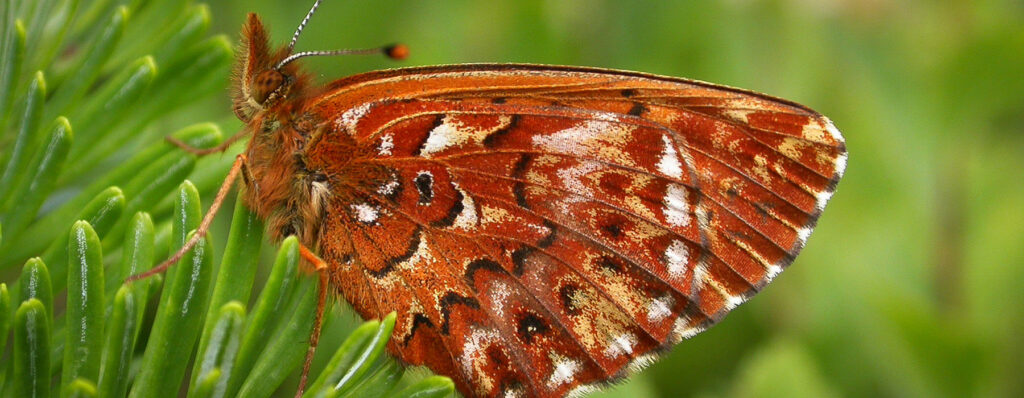
Alpine Butterflies
Perched atop New Hampshire’s Presidential Range in the alpine tundra are two butterflies that exist nowhere else on earth. Although at first blush both species may seem secure on these protected summits, there are several threats to their long-term survival.
Taxa: Invertebrates Ecosystem: Mountains Region: Northeastern US Volunteers: No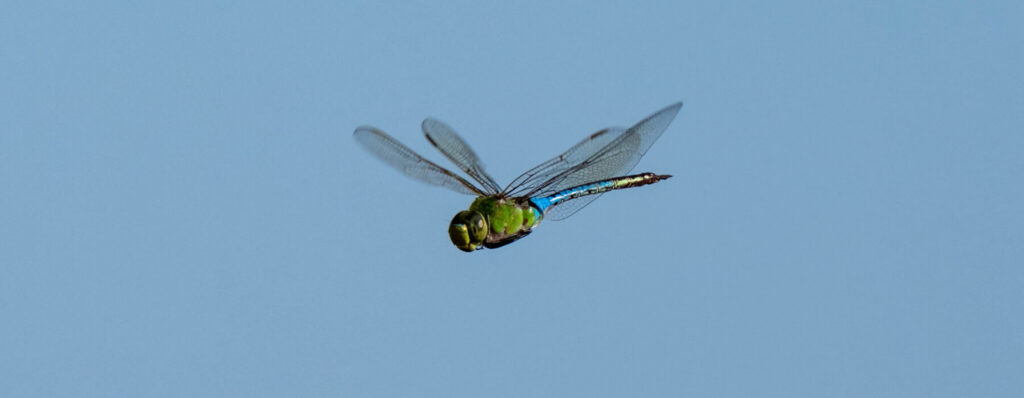
Green Darner Dragonfly Migration
Like birds, millions of Green Darners migrate to the north in the spring and south in the fall. Where are they coming from and where do they go?
Taxa: Invertebrates Ecosystem: Lakes & Ponds Region: Eastern North America Volunteers: No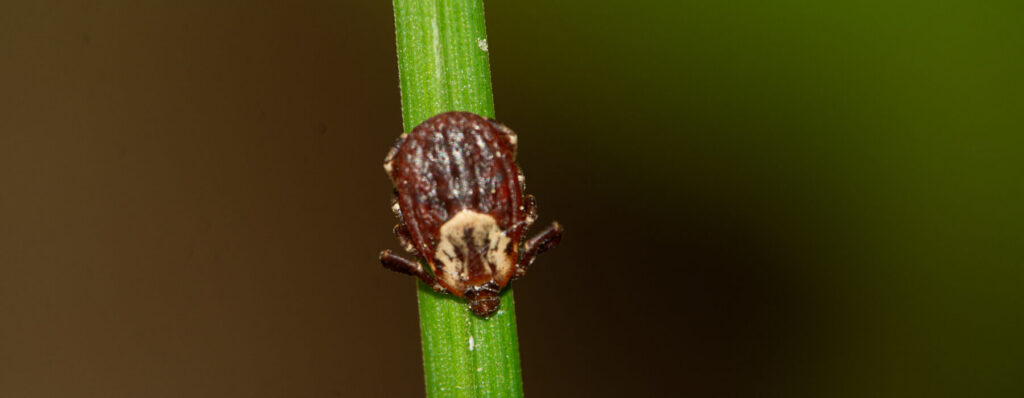
Upper Valley Backyard Tick Project
New Englanders are worried about ticks and the diseases they spread. So many anxious homeowners are turning to a relatively new service: backyard tick spraying. How is this affecting beneficial insects like pollinators? And does it work?
Taxa: Invertebrates Ecosystem: Developed Region: Upper Valley Volunteers: No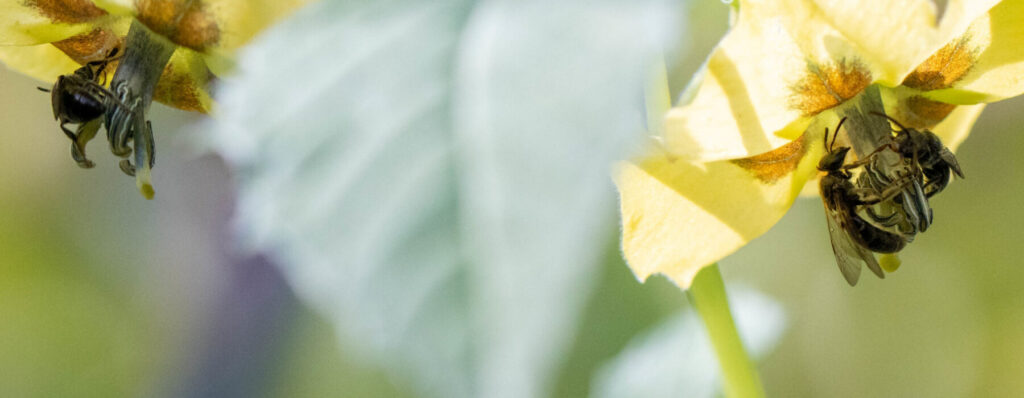
Vermont Wild Bee Survey
Wild bees are a diverse and ecologically important insect group. And as one of the most important groups of pollinators, they provide essential ecological and agricultural services.
Taxa: Invertebrates Ecosystem: Forests, Grasslands & Meadows, Developed, Agricultural Region: Vermont Volunteers: No