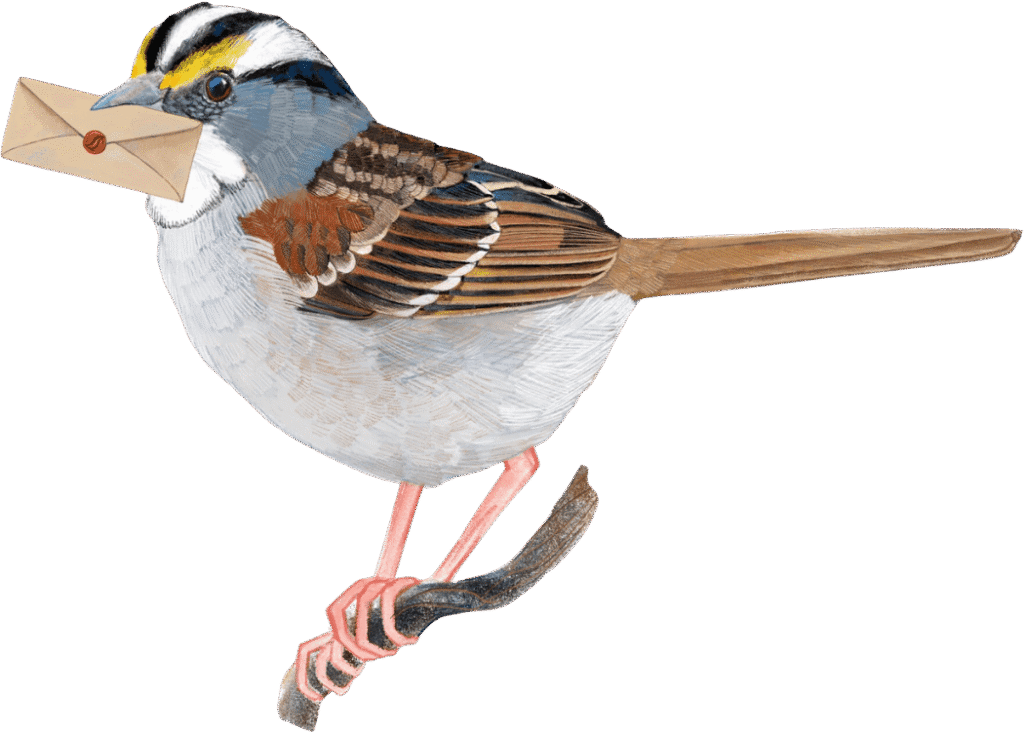
Where Are the Data on the Bicknell’s Thrush Race to the Atlantic?
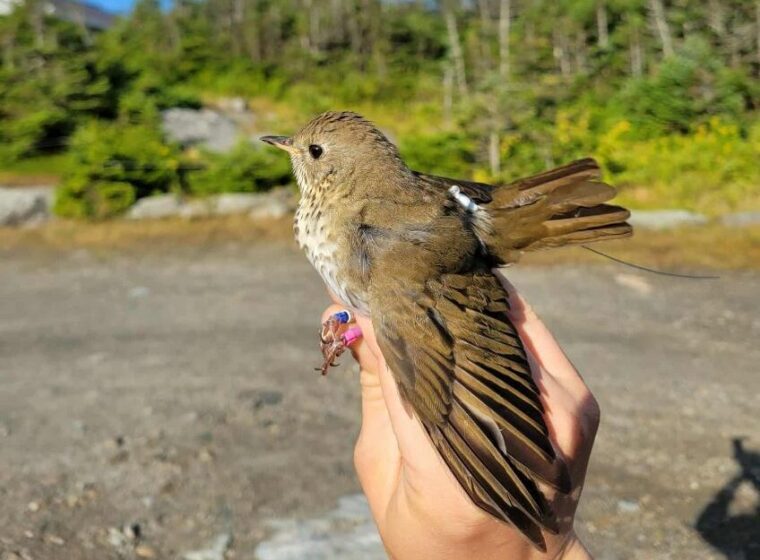
There’s a six-week lag in migration data, so we don’t yet know where our tagged Bicknell’s Thrushes are, except probably somewhere in the Mid-Atlantic or flying over the ocean. Here’s why.
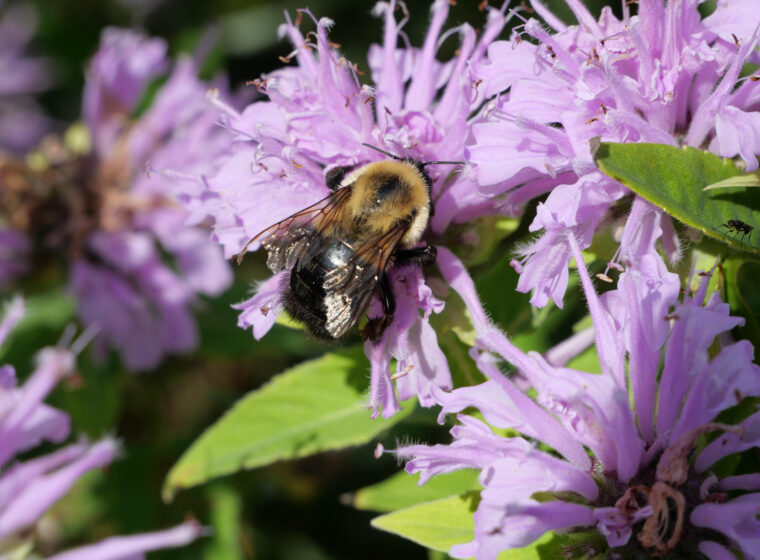
Nothing to Fear and Everything to Learn From Bees in the Garden
Before coming to VCE, I had never worked with pollinators. In fact, I had a long harbored fear of bees stemming from a sting endured in middle school.
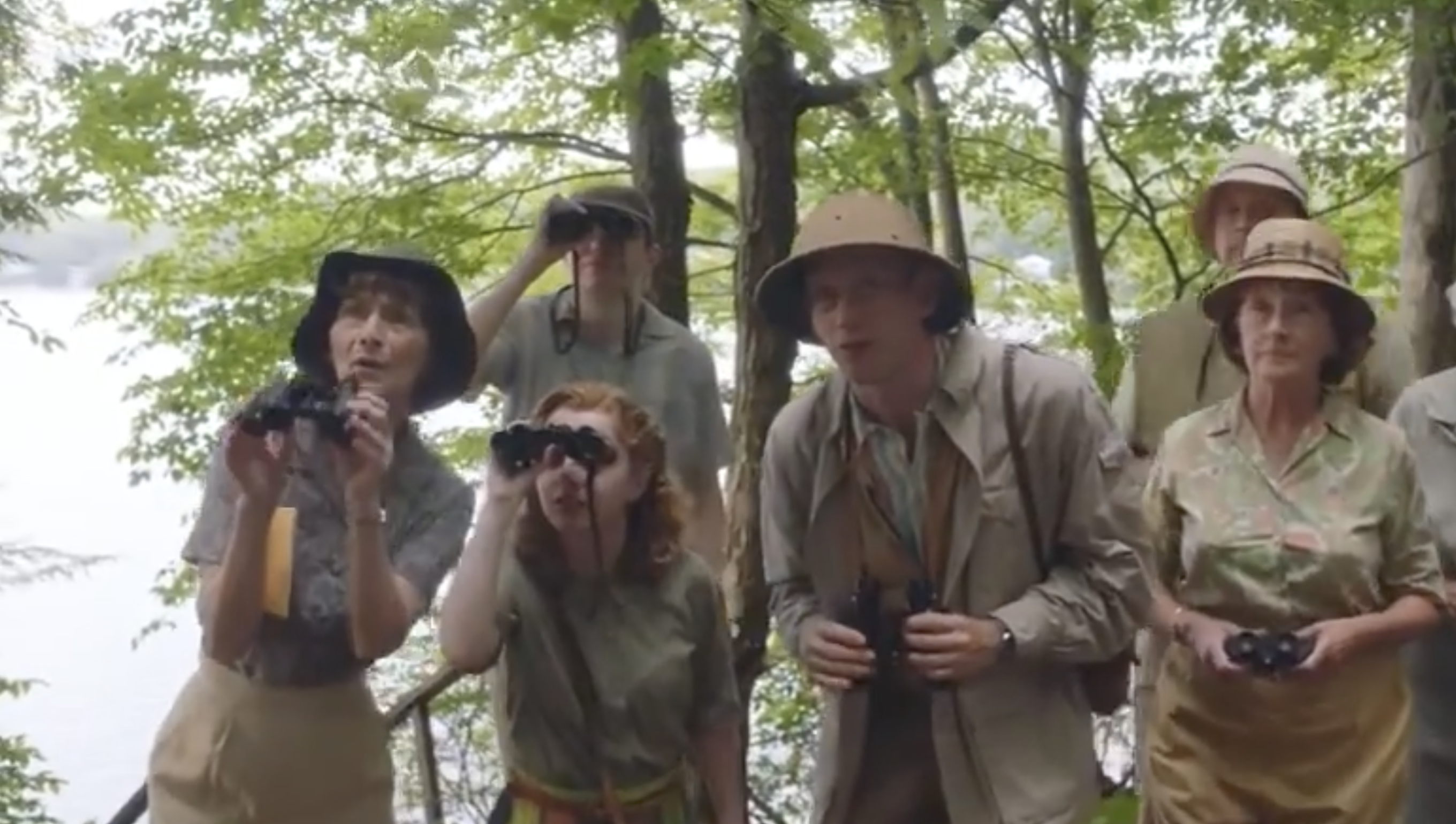
The Rare Bicknell’s Thrush in Popular Culture
Because of its remote habitat, small geographic range, and nondescript appearance, Bicknell’s Thrush is not exactly a household name. But that doesn’t mean it hasn’t gotten any spotlight! Here are a few recent appearances of BITH in popular media.
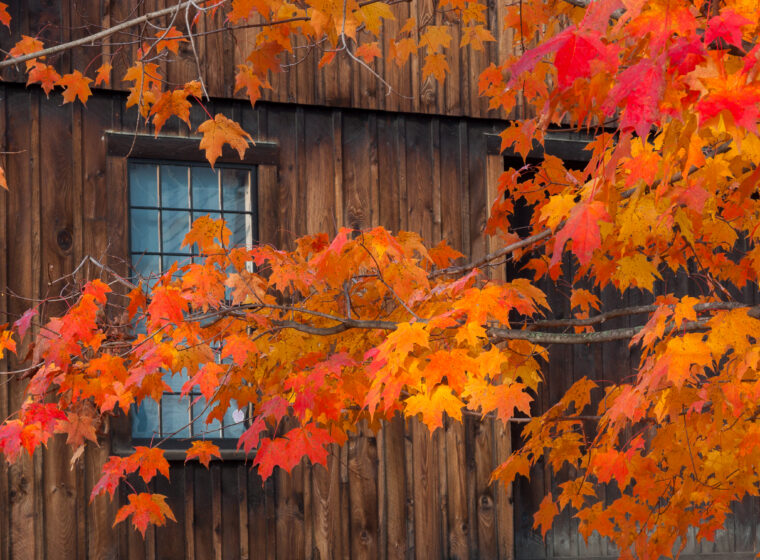
Field Guide to October 2026
Keep your eyes sharp this month! You might see a migrating dragonfly or a vagrant hummingbird. At the very least, it pays to keep your wits about you in case you encounter a certain pollinator and beneficial insect. That’s right, we’re talking about yellow jackets.
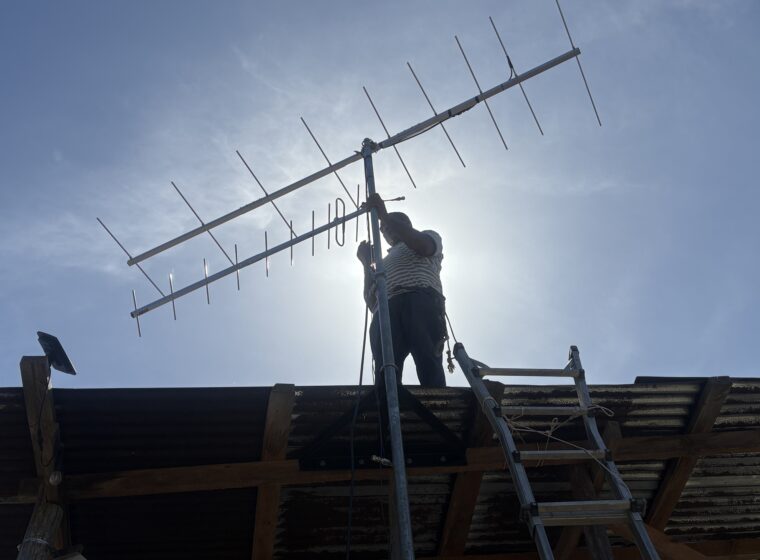
Field Report: We’re Ready to Detect Tagged Bicknell’s Thrush as They Arrive to the Caribbean
VCE conservation biologist Jim Goetz teams up with local contacts in the Dominican Republic to set up the first of four Motus stations on the north coast of the island, filling a critical gap in VCE’s ability to track Bicknell’s Thrushes in their overwintering habitat
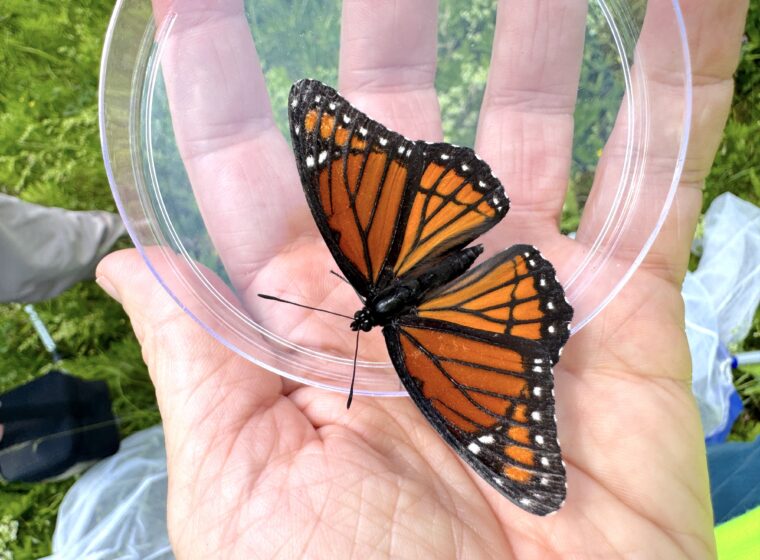
When the Prize Flies Away
Follow VCE’s Seasonal Butterfly Atlas Technician Jill DeVito as she wanders through meadows in search of elusive butterflies, collecting valuable data for The Second Vermont Butterfly Atlas.
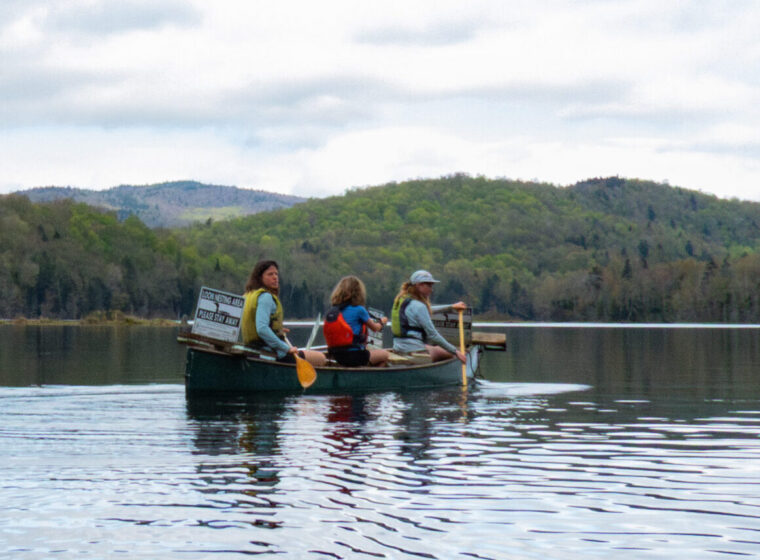
Two Biologists and Every Loon in Vermont: the Power of Community Science
Loon surveying for VCE’s Loon Conservation Project is a time-consuming task, between all of the paddling and what seems like an hour-long drive minimum to get anywhere on Vermont back roads. All of that monitoring is managed by just two loon biologists…and hundreds of volunteers.
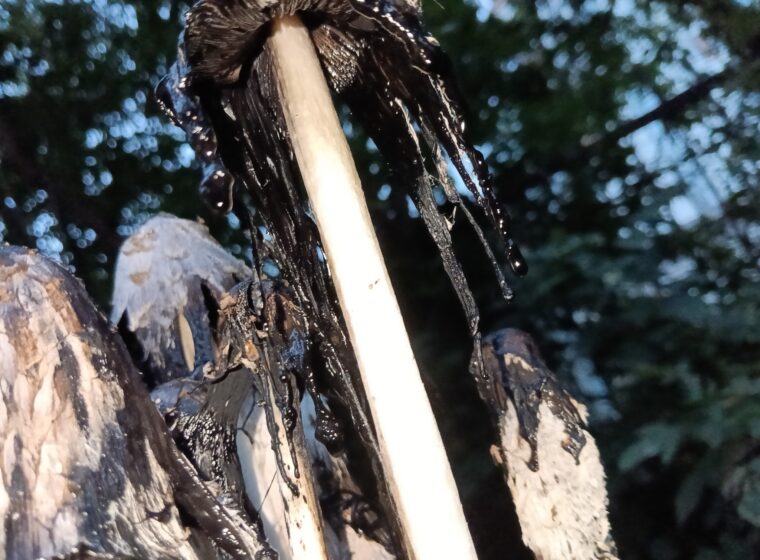
Frightening Fungi of New England’s Autumn
Fall is everyone’s favorite mushroom season as the cool, moist weather brings mushrooms springing up left and right on the forest floor. In celebration of the spooky season, check out these frightening fungi that you can find in your backyard this fall.
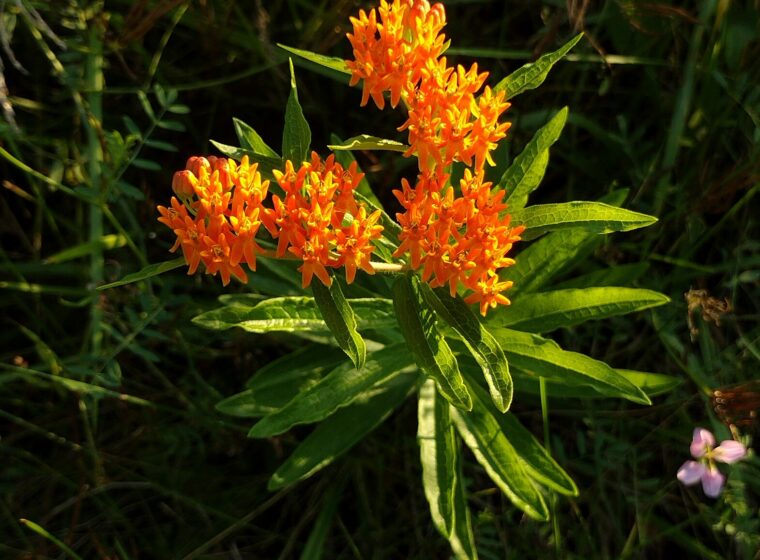
Ask a Conservation Biologist: What Native, Near-Native, and Local Plants Should I Cultivate in the Yard?
A Vermonter asks: Should I stick to only plants that I can collect seeds from in the wild, or is it okay to supplement with purchased seeds that are not native genetics? What about near-native Black Locust saplings that have sprung up?
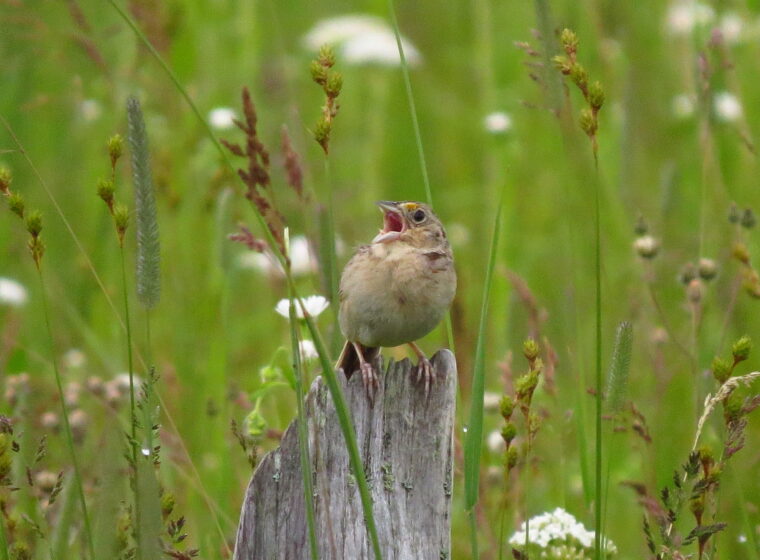
The Unique Impact of Solar Farms on Grassland Birds
Clear-eyed conversations about where solar development occurs, how impacts are mitigated, and what success looks like for wildlife are essential if we hope to meet our energy goals without losing species that are already in decline.
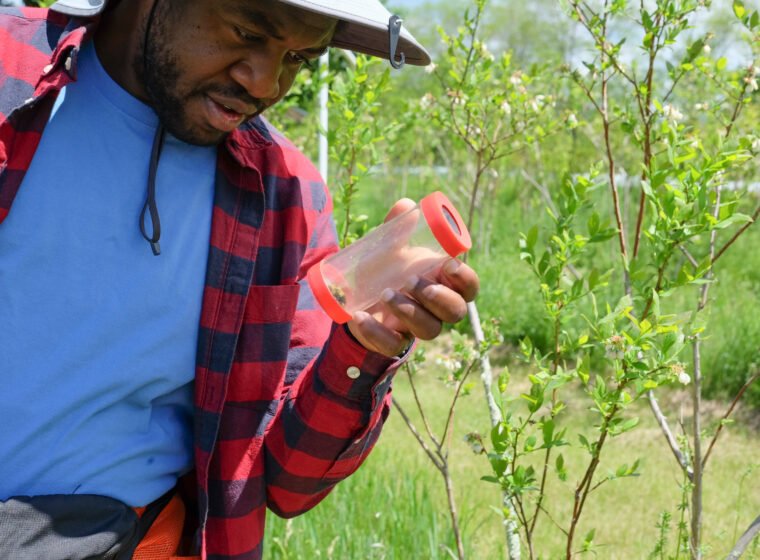
Identifying the Wild Bees That Pollinate Vermont’s Crops
Large bees such as bumble bees are relatively easy to identify to species in the field, but smaller bees like mason bees, mining bees, sweat bees, cuckoo bees, scissor bees or cellophane bees need a closer look.
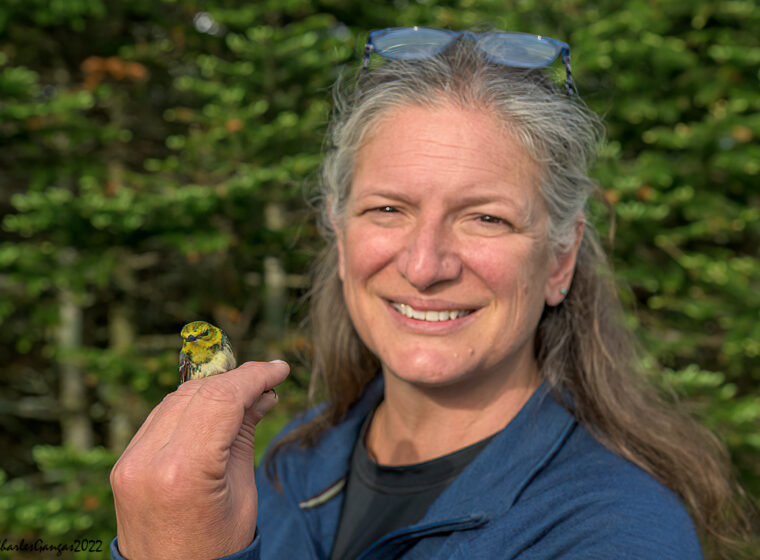
Executive Director Susan Hindinger Announces Her Departure
With a mix of excitement and sadness, we write to report that Executive Director Susan Hindinger has decided to retire from VCE at the end of this year to tend to her family obligations.