Whether you own 1,000 acres or a pot on a balcony, you’re an expert birder or a beginner butterflyer, you’re growing vegetables in the valley or hiking in the mountains, we’ve got tips and education taken from our own research and experience to help you contribute to wildlife conservation in the Northeast and beyond.

Resources for Anyone
-
© Ash Kerby-Miller on iNaturalist
Keep cats indoors. The scientific data are undisputable: cats kill more than 2 billion birds annually in the U.S. Keeping cats indoors, or safely contained outdoors, results in a safer and healthier environment for cats, birds, and people. Check out American Bird Conservancy’s Cats Indoors Program for more information. And learn about alternative ways to keep your kitty sane and exercised while protecting birds, too!
- Drink Bird Friendly coffee and shop for birds. Keep birds’ best interests in mind every time you visit the grocery store: choose Bird Friendly coffee, and look for Audubon Vermont’s Bird-Friendly emblem in the maple syrup aisle. At VCE, we’re big fans of New-England-based Birds & Beans Coffee. This Smithsonian article provides more details on the myriad ecological values of shade-grown, Bird Friendly coffee. You can also purchase Federal Duck Stamps and Vermont Habitat Stamps to support nongame wildlife conservation each year.
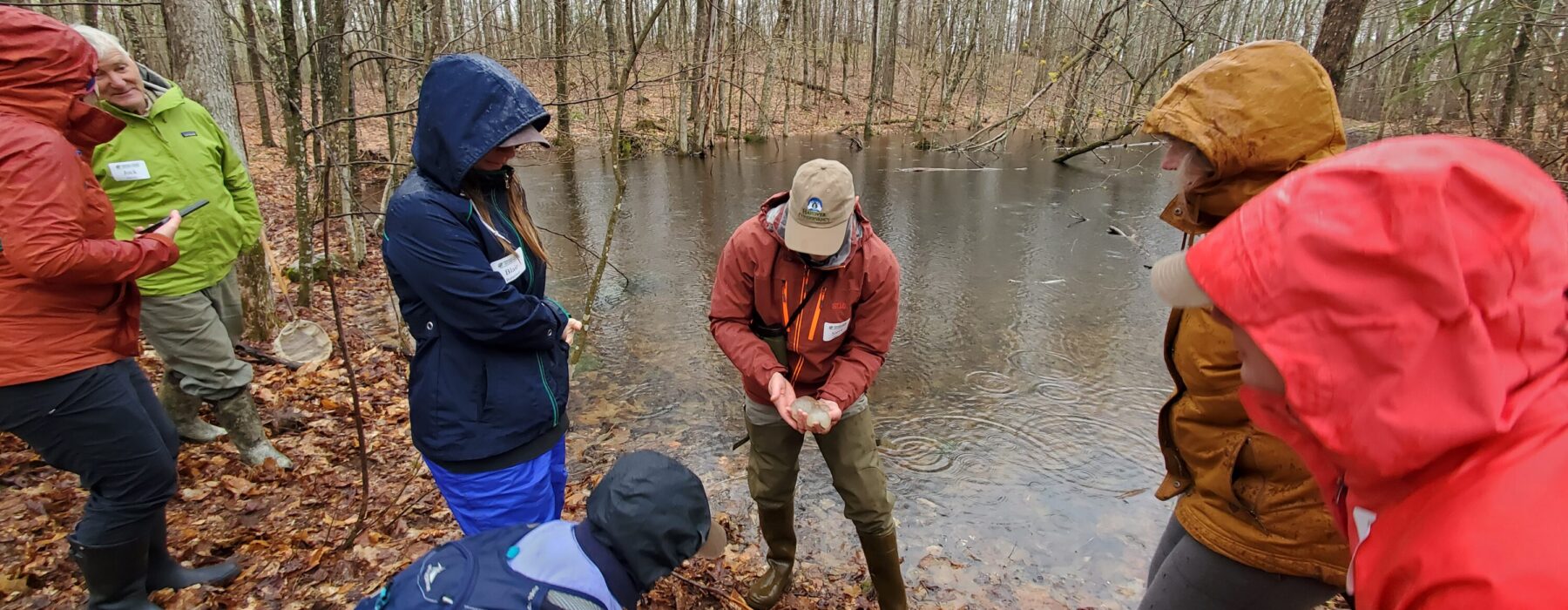
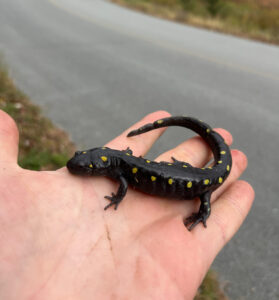
- Give ’em a hand. Each spring, millions of amphibians–Spotted Salamanders, Spring Peepers, Wood Frogs, and more–emerge from hibernation and make their annual migration to vernal pools and other water bodies in search of food and a mate. And each spring, millions of these helpless creatures are crushed as they cross roads along their journey. Help these small animals arrive at their destinations safely by giving them a hand across the road! Visit the Harris Center for Conservation Education’s Amphibian Crossing Brigade page to find a volunteer program near you.
- Share the water. Thanks to lakeshore owners, responsible boaters, and committed volunteers, the number of nesting loon pairs in Vermont has skyrocketed from a low of seven pairs in the 1980s to over 100 today. Their persistence on the state’s lakes and ponds continues to require community support and mindful recreation. Check out our guide for boaters that will help you enjoy your time on the water while keeping loons safe.