Dear Friends and supporters,
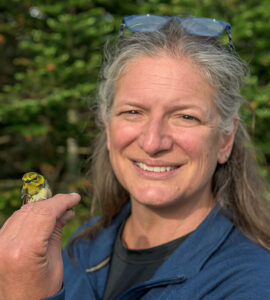
VCE Executive Director Susan Hindinger © Charles Gangas
At first glance, the Vermont Center for Ecostudies may look like a small organization. Look a little closer, and something else comes into view: a growing network of scientists, volunteers, and partners generating the data and insight needed to understand a rapidly changing natural world. In 2025, that work gained momentum. With your support, we expanded not just our reach, but the depth and clarity of what we can see.
One of the clearest examples is our Adopt-a-Plant project. What began as a practical question—what to do with surplus plants from an experimental garden study—grew into a regional community science project involving more than 600 participants across three states, many new to VCE. What might seem like a simple act of planting is, if we look deeper, something larger: a richer understanding of how native plants and pollinators interact across real landscapes in real time.
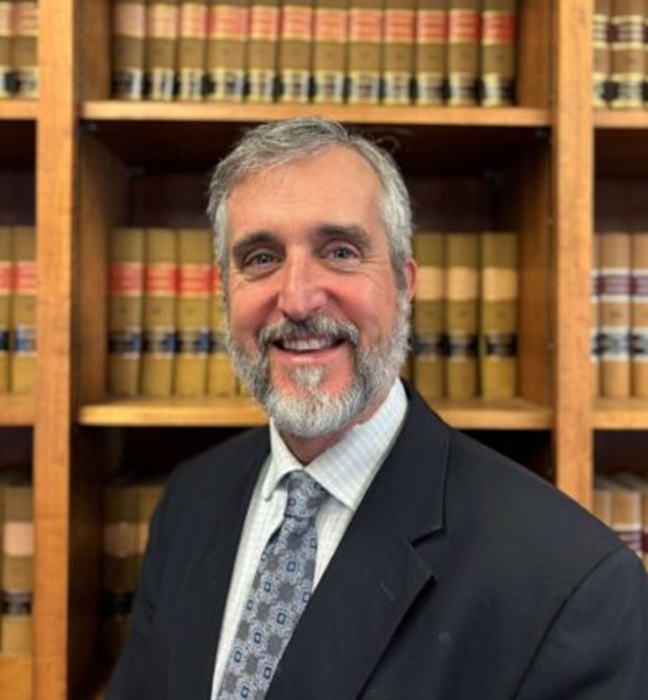
VCE Board Chair David Mears © Rae Bronenkant
This year marked a breakthrough in how we gather and share data for our Loon Conservation Project. LoonWeb, a new digital platform, brings decades of field observations into an accessible online information source. Built in close collaboration with volunteers, it allows participants to adopt a lake, join LoonCount, and explore a lake’s history—a challenge that has defied many attempts through the years, in Vermont and beyond. We are now working with Maine Audubon on a Maine-focused version, a sign of how local effort can ripple outward.
The decadal update of the state’s Wildlife Action Plan benefited from both the vast biodiversity database of the Vermont Atlas of Life and the expertise of VCE scientists. Our team provided critical data and helped identify the state’s Species of Greatest Conservation Need. Here again, looking closer matters: Careful, long-term data collection makes it possible to see which species are at risk—and to direct funding and conservation action where it is most needed.
Over the past several years, we’ve added key staff and built the capacity that our last strategic plan compelled. Today, our expanded team is working across disciplines to bring fresh perspective and cohesion to our research. As ever, from Mountain Birdwatch to the Vermont Butterfly Atlas and Vernal Pool Atlas, community scientists remain at the heart of this work. These programs are designed, built, and run by VCE’s scientists, communicators, and data experts. But look a little closer, and you see who gives them life: the community scientists whose observations, time, and care make the work possible.
Progress has not come without challenge. Federal support for conservation is weakening, with significant impacts to programs that have long relied on federal funding, including our Caribbean work and AmeriCorps partnerships. These losses are deeply felt, not only by us, but especially by our collaborators in the Dominican Republic and valued federal and state agency partners. Yet even in this shifting landscape, our resolve remains strong. Bolstered by support from committed donors, we continue to advance high-quality science, engage more people than ever before, and adapt where necessary to keep critical research moving forward. Even in this shifting landscape, the resolve of our community remains strong.
VCE’s work today is grounded in a sustained commitment to bird research, expanding work on pollinators and biodiversity, technological innovation, and a belief that conservation is strongest when it is shared. Across all of it runs a common thread: making the natural world more visible, more measurable, and more understandable.
Our community is built on both passion and precision. We are serious about our science and joyful in our connection, both to the natural world and with the community of supporters and careful observers who join in our work and help advance our mission.
We invite you to explore all this work in the pages that follow. Thank you for helping to make it all possible.
With deep gratitude,

Susan Hindinger
Executive Director
David Mears
Chair, VCE Board of Directors
This article is from VCE’s 2025 Annual Report. Read more about what we accomplished in 2025 at the Annual Report homepage!