Posts by Kent McFarland
February 2017 iNaturalist Vermont Photo-Observation of the Month
Congratulations to JoAnne Russo for winning the February 2017 iNaturalist Vermont photo-observation of the month contest. Her image of a Red Fox starring the camera down on a winter day was the most popular photo-observation as measured by clicked ‘favs’.
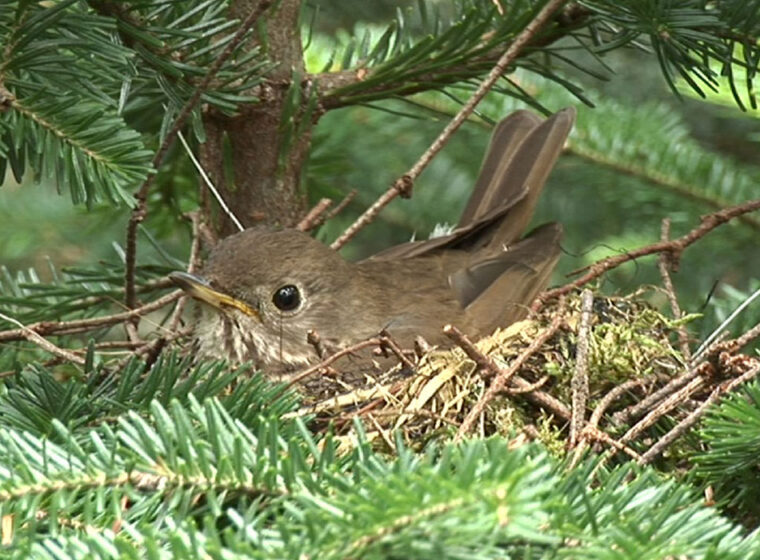
New Publication Available: Guidelines for Managing Bicknell’s Thrush Habitat in the United States
A new resource for planning the management and conservation of Bicknell’s Thrush habitat in the United States is now available at the International Bicknell’s Thrush Conservation Group web site.
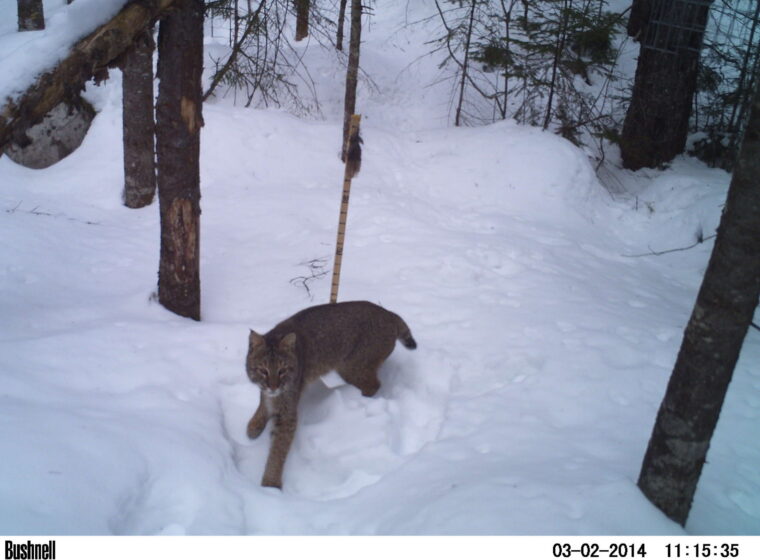
Outdoor Radio: The Elusive Lynx
Kent McFarland and Sara Zahendra traveled by snowmobile into the wilderness of the Northeast Kingdom with biologists from the Vermont Fish & Wildlife Department in hopes of spotting a Canada lynx or lynx tracks.

A Field Guide to February 2017
This month, wildlife and the rest of us here in New England will cross a threshold – arbitrary yet not insignificant: 10 hours of daylight. You can sense it when you head out in the morning: woodpeckers are starting to drum. Even though we’ve got lots more winter, we’ve also have change. So here’s a Field Guide to February to help get your hopes up, no matter what that groundhog predicted.

January 2017 iNaturalist Vermont Photo-observation of the Month
Congratulations to Charlotte Bill for winning the January 2017 iNaturalist Vermont photo-observation of the month contest. Bald Eagle populations have been slowly rising for decades in the Northeast and winter provides a great opportunity to see these majestic birds.
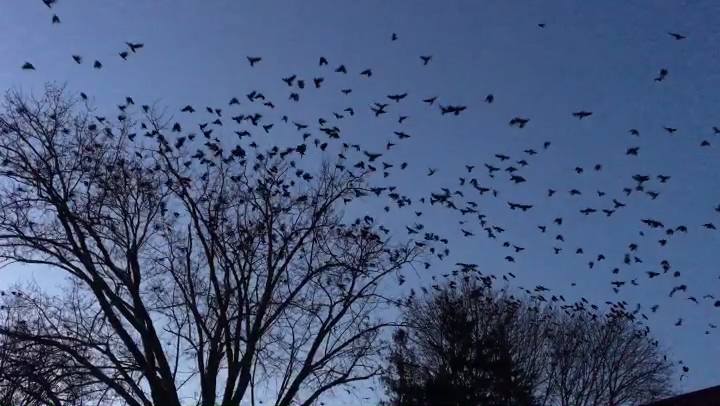
Outdoor Radio: Crows Come Home to Roost
With the sun dropping below the hills the chase was on. We followed them as best we could, zig-zagging through traffic and city streets, as they streamed from the pre-roost towards their final destination. With the light fading fast, we found them. Thousands of crows, with more arriving by the second, gathered in the trees.
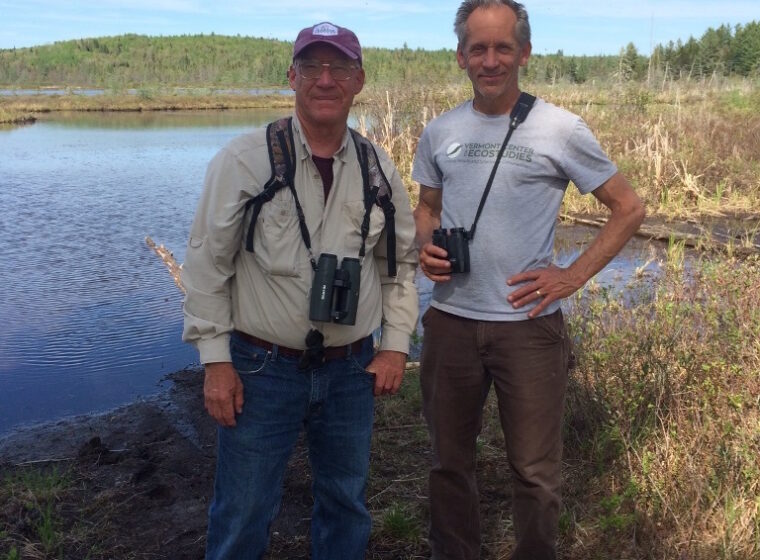
The 2016 Vermont eBird County Quest Awards
From a Great Horned Owl on Snake Mountain on January 1st, to Long-tailed Ducks at the South Hero Causeway on December 31st, Vermont birders attempted to discover as many species as possible during the 6th annual Vermont eBird County Quest in 2016.
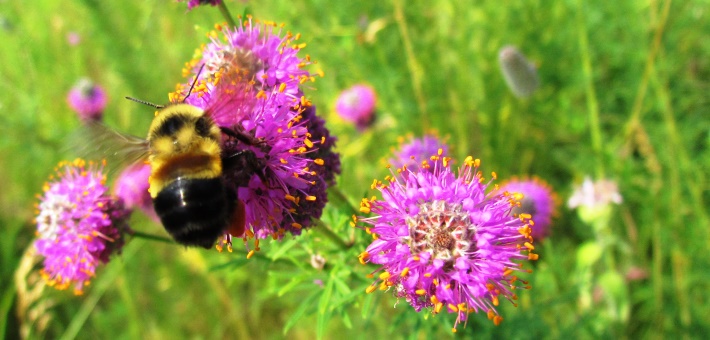
Once Common in Vermont, Rusty Patched Bumble Bee Now Federally Endangered
Just 20 years ago, the rusty patched bumble bee was a common sight, so ordinary that it went almost unnoticed as it moved from flower to flower, collecting nectar and…
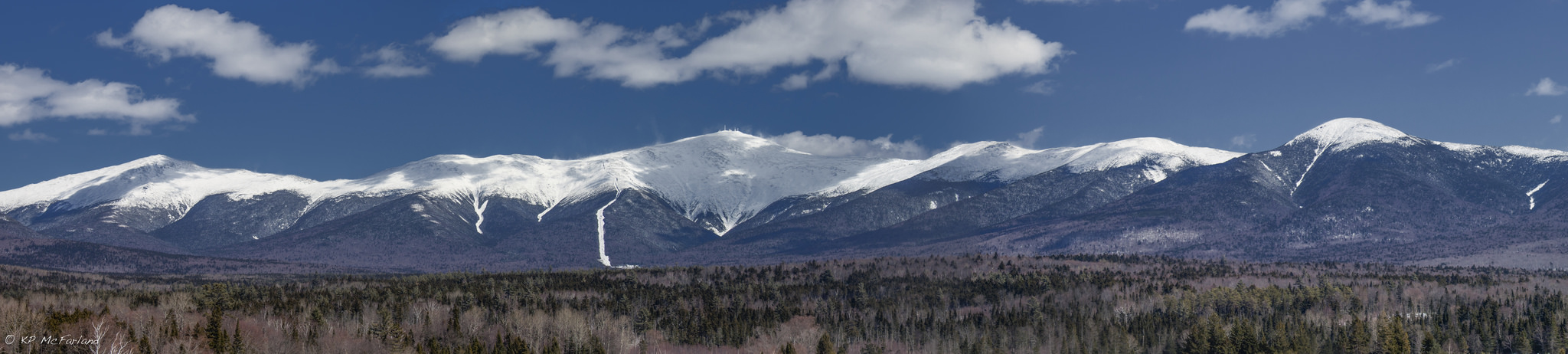
A Field Guide to January 2017
Although the days are slowly growing longer, life in the Northeast now finds itself in the coldest depths of winter. January is about survival. Wildlife that doesn’t migrate adapts instead in order to make it to spring. Here’s a few tidbits of natural history happening outdoors this month around you.
iNaturalist Vermont Becomes Biodiversity Big Data in 2016
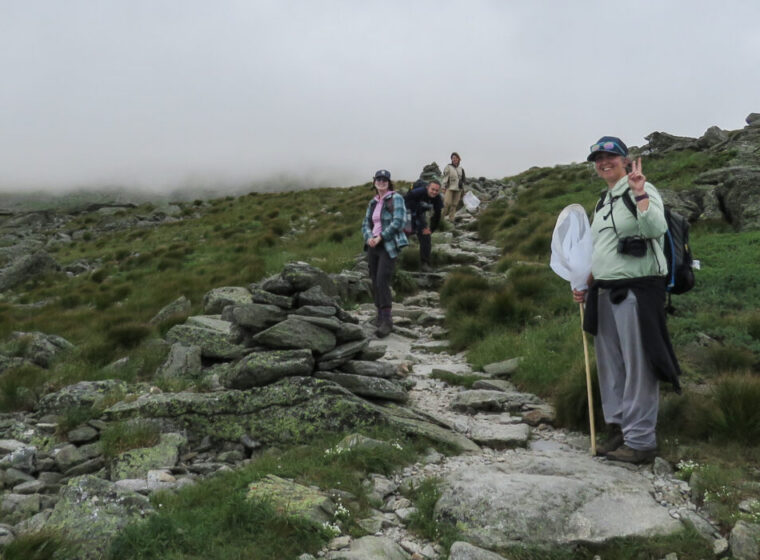
With over 122,000 observations of nearly 5,000 species contributed by 1,321 citizen scientists, in just four years iNaturalist Vermont, a project of the Vermont Atlas of Life, has become a big data biodiversity source in the Green Mountain State.
Bird Watchers Post Big Data to Vermont eBird in 2016
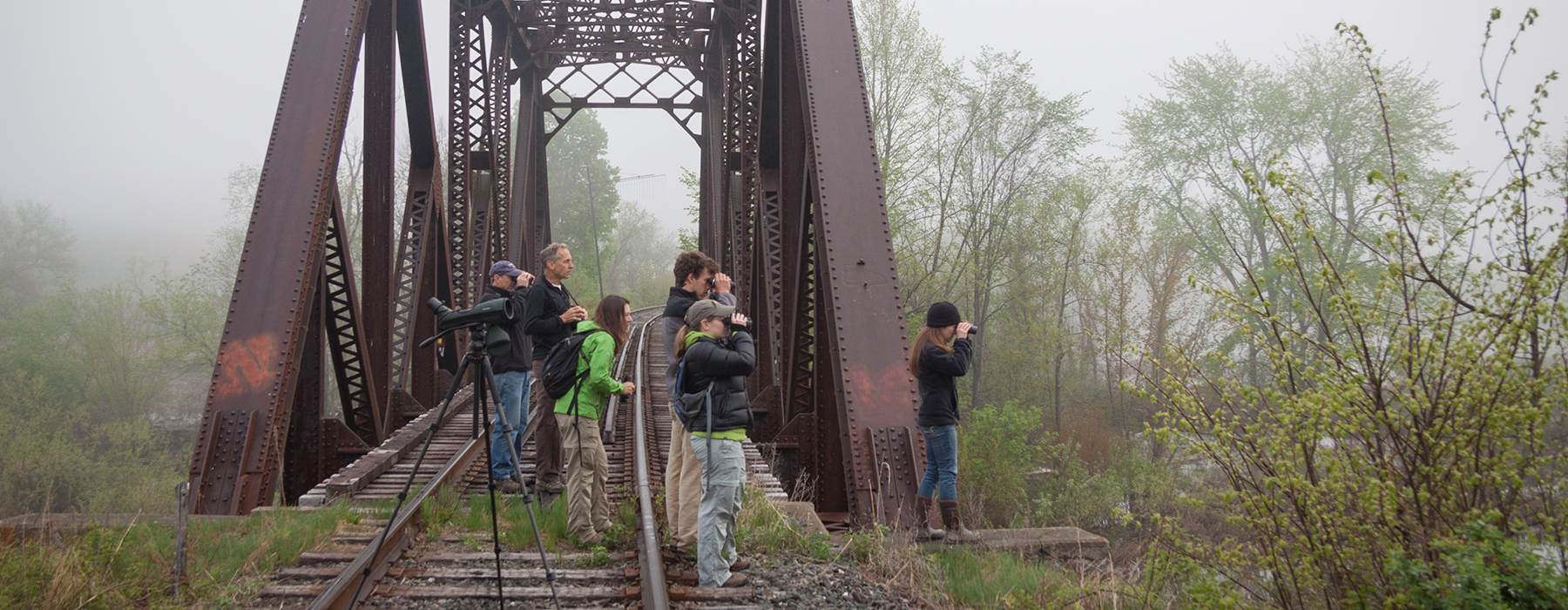
This year marks the 14 year anniversary of Vermont eBird, the first state portal for eBird. In just a decade-and-a-half, the bird checklists that bird watchers have shared have helped make Vermont eBird, a project of the Vermont Atlas of Life, the largest citizen science biodiversity project in the state and around the world.
December 2016 iNaturalist Vermont Photo-observation of the Month
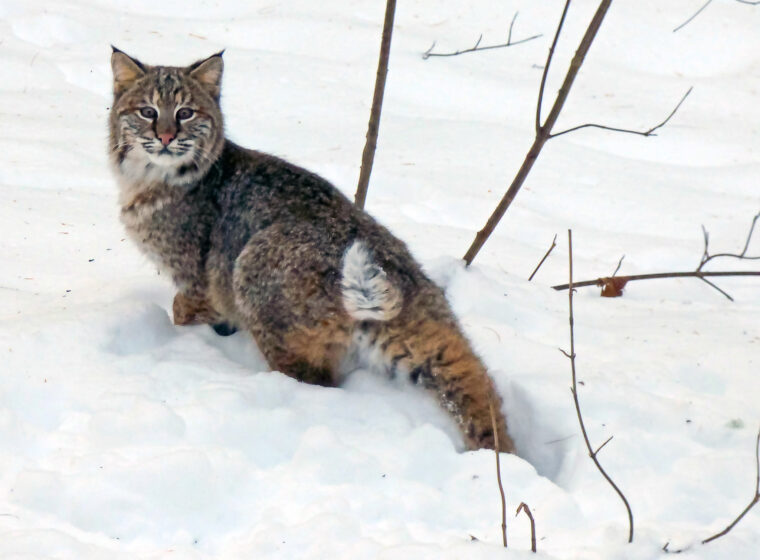
Congratulations to Dean and Susan Greenberg for winning the December 2016 iNaturalist Vermont photo-observation of the month contest. Their image of a Bobcat (Lynx rufus) looking back at the camera was the most popular photo-observation as measured…