The Joy of Looking Closely at Invertebrates
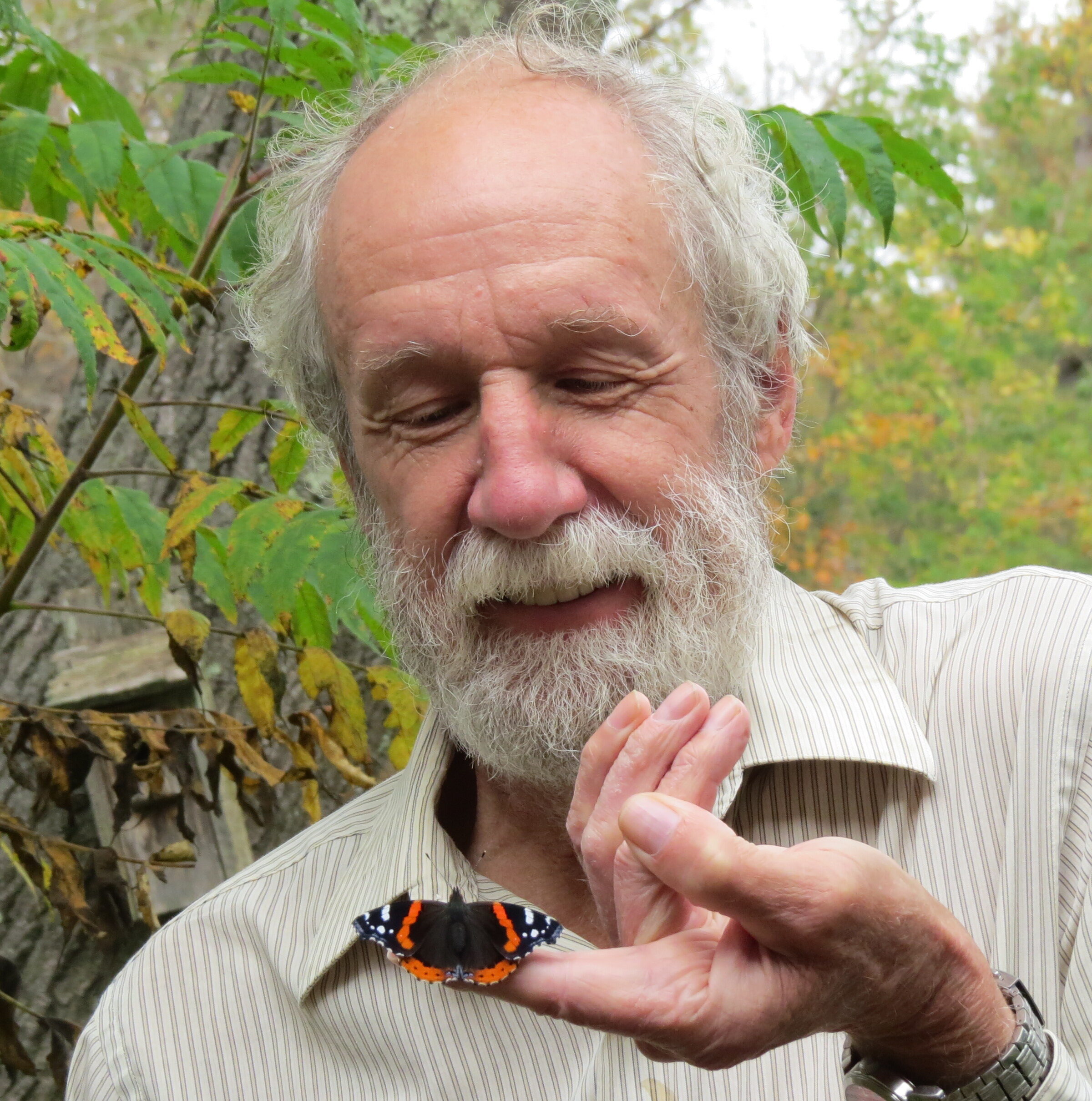
Every year at VCE’s Winter Celebration, we present one member of our community with our Julie Nicholson Community Science Award, recognizing their important contribution to one or more VCE research and monitoring projects. This year, the award went to Bernie Paquette, whose dedicated study and photography of bees has advanced the understanding of Vermont’s bee fauna and whose infectious enthusiasm for the study of invertebrates has reverberated throughout his community. Here we share his acceptance speech.
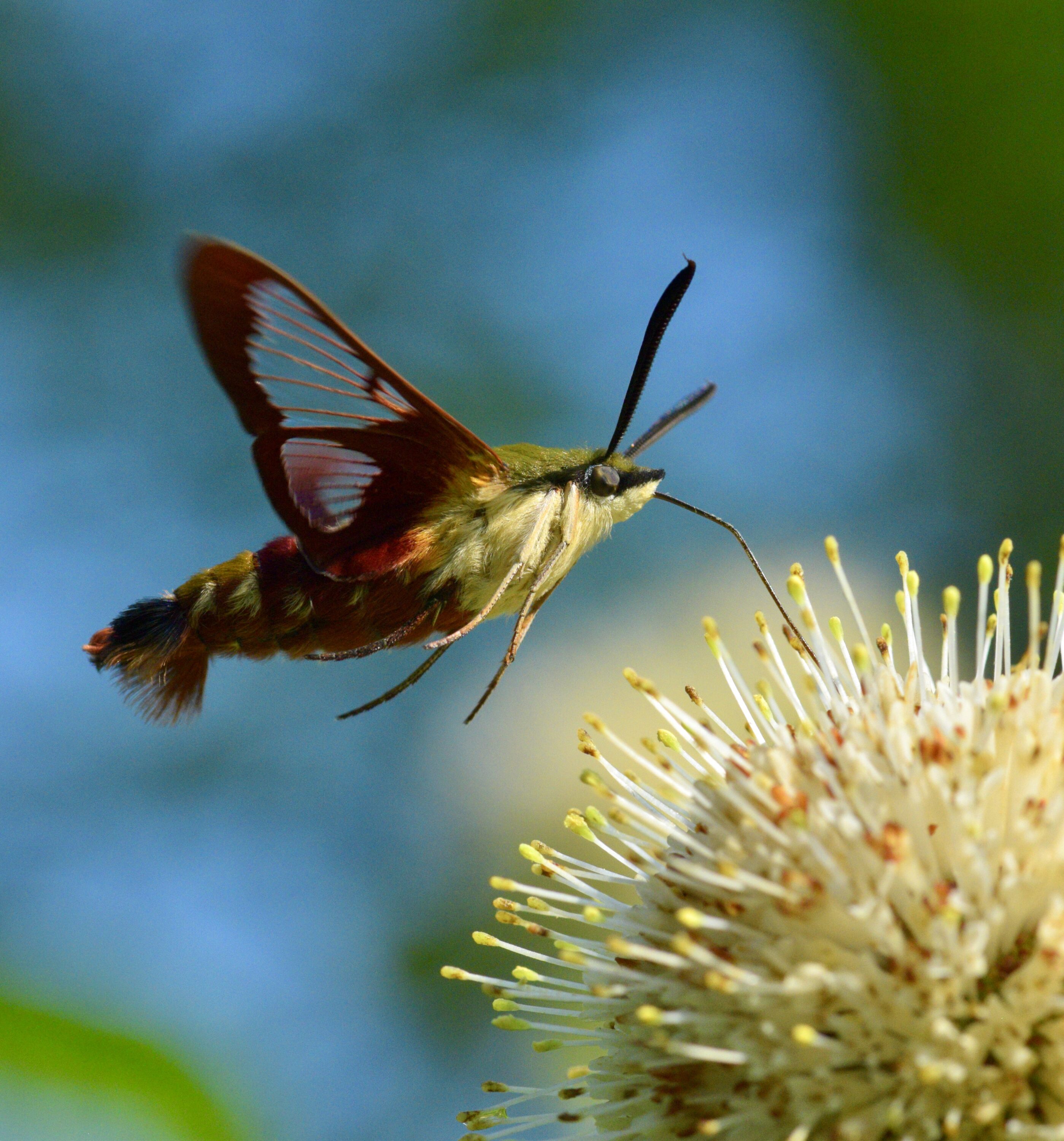
Hummingbird Clearwing (Hemaris thysbe) © Bernie Paquette
Hello, I’m Bug-eyed Bernie, and I speak for the insects—for they couldn’t be here tonight. They may be small, but their importance is vast. I’m honored to receive the Julie Nicholson Community Science Award. I offer my deep appreciation—and three simple requests.
But first, I want to honor the past recipients of this award, whose curiosity and dedication have strengthened Vermont’s understanding of the living world. Their work creates a ripple effect of wonder and stewardship.
I offer my gratitude to everyone at the Vermont Center for Ecostudies. You work tirelessly for nature and share your knowledge with such generosity and joy. You show that learning is a gift meant to be passed on. VCE demonstrates what science becomes when the doors are opened wide—when data are shared, when the public is welcomed in. You’ve made it clear that anyone can help illuminate the natural world.
Spencer Hardy’s coordination of the Vermont Wild Bee Atlas shows exactly what that looks like—from nets to microscopes, from field observations to classroom lessons, from obscure bits of insect anatomy to iNaturalist IDs, bee checklists, and research papers. Desirée Narango’s plant–insect interaction study invites the public not only to observe the study but also to be part of it. And Kent McFarland’s leadership across Vermont’s many atlas programs—his celebration of life in flight, wings of delight—inspires people to look up, look closely, and appreciate what is usually invisible.
Part of the joy of my work is not just discovering new insects, but also meeting remarkable people like those I’ve mentioned—guiding lights and mentors, including John Ascher, associate professor at the National University of Singapore, and my dear friend, Don Miller, professor emeritus, Vermont State Colleges.
Many unheralded people work quietly in nature—like Erika Mitchell, with more than 125,000 Vermont iNaturalist observations, and Josh Lincoln, with more than 380,000 IDs.
Which brings me to request number one: Please help confirm bee and insect identifications on iNaturalist so they reach research grade. My own confidence to share this passion is bolstered by my wife Maeve—a nature advocate, teacher, birder, and author—who reminds me that paying close attention is an act of love.
I try to spread that love through conversations about insects, my VTBugeyed blog, and the nature walks we lead. My mission is simple: to introduce more people to the joy of observing invertebrates— especially insects.
I call it inverting.
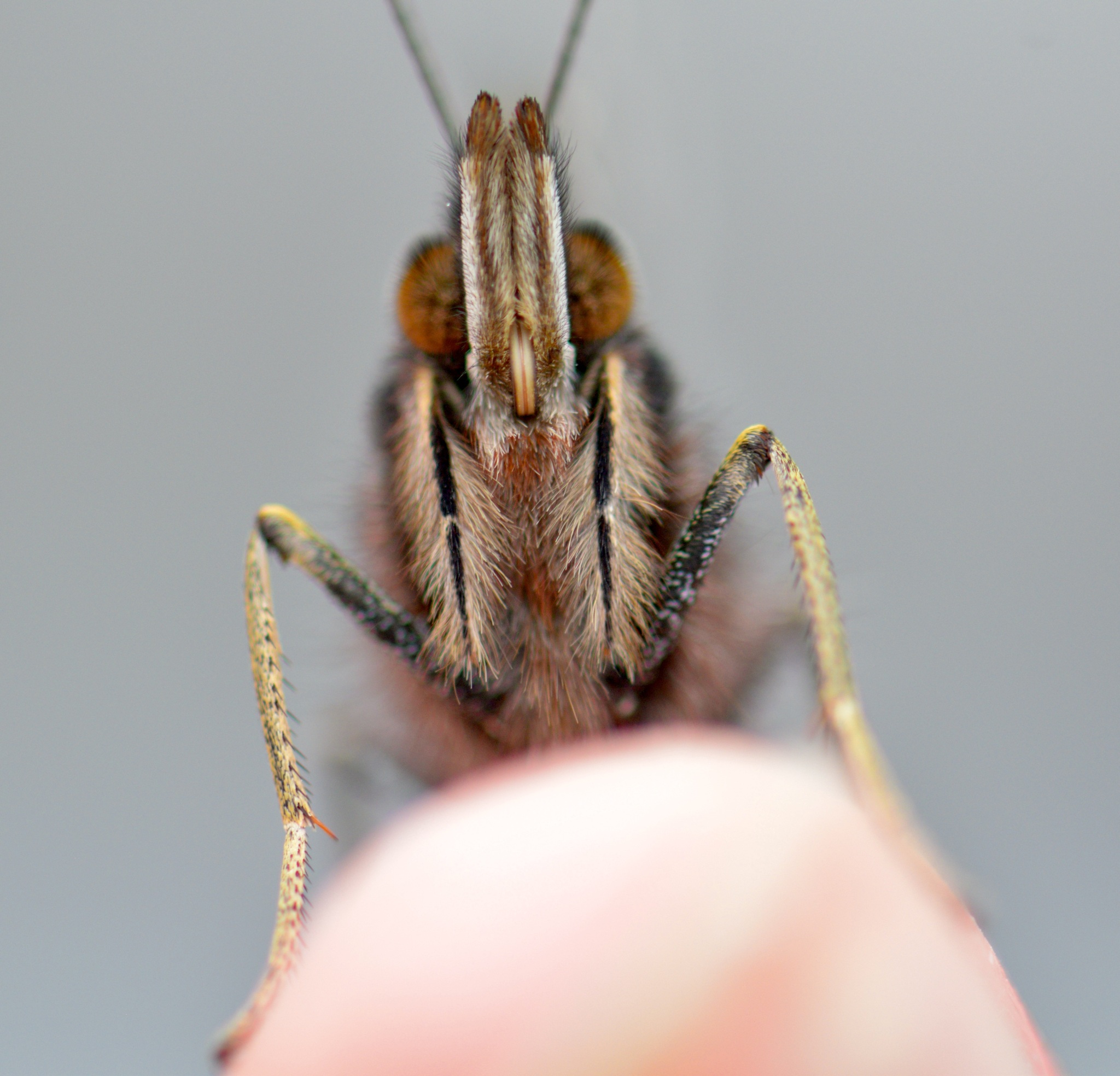
Maeve and I offer an introduction to inverting through walks, presentations, and Bug Safaris in other people’s yards. Because once someone notices an insect for the first time—really notices it—something in them changes. Curiosity awakens. Wonder takes hold.
From that belief, a new chapter has begun: The Vermont Entomology Academy, founded this year. Our mission is to spark curiosity and create nature connections through the world of insects. At VEA, people learn the basics of entomology, use observation tools, explore iNaturalist, and discover the joy of looking closely. Because when you slow down and look closely, the world grows infinitely larger.
This June, with the support of Bee the Change and Saint Michael’s College, we’ll hold our first five-day Bug-huggers Adventure Camp led by Declan McCabe. We’re also building the BugMobile, a traveling insect museum to deliver hands-on learning.
Which leads to request number two: Will you join us?
We’re building a pool of members who volunteer to offer at least one hour-long, interactive insect presentation each year. No fixed schedule—just a willingness to share what you love. This academy is built on shared leadership and the belief that everyone has something meaningful to contribute. There is a place for you.
If we want more people to care about insects—and the world they sustain—we can’t speak only to each other. We must reach those who don’t yet know what they’re missing, those who have never looked closely. When we take people outside and show them how to see, they don’t just walk into nature—they belong to it. And they return.
My final request: If you see an insect today, give it a little hug in your heart. It’s cold out there, and they’re ectothermic. They need more of us to care.
So spread the word: Inverting is the new birding.
Thank you.
Visit Bernie’s blog (vtbugeyed.blogspot.com) to read more of his musings, learn about events he offers, and see his gorgeous photography.