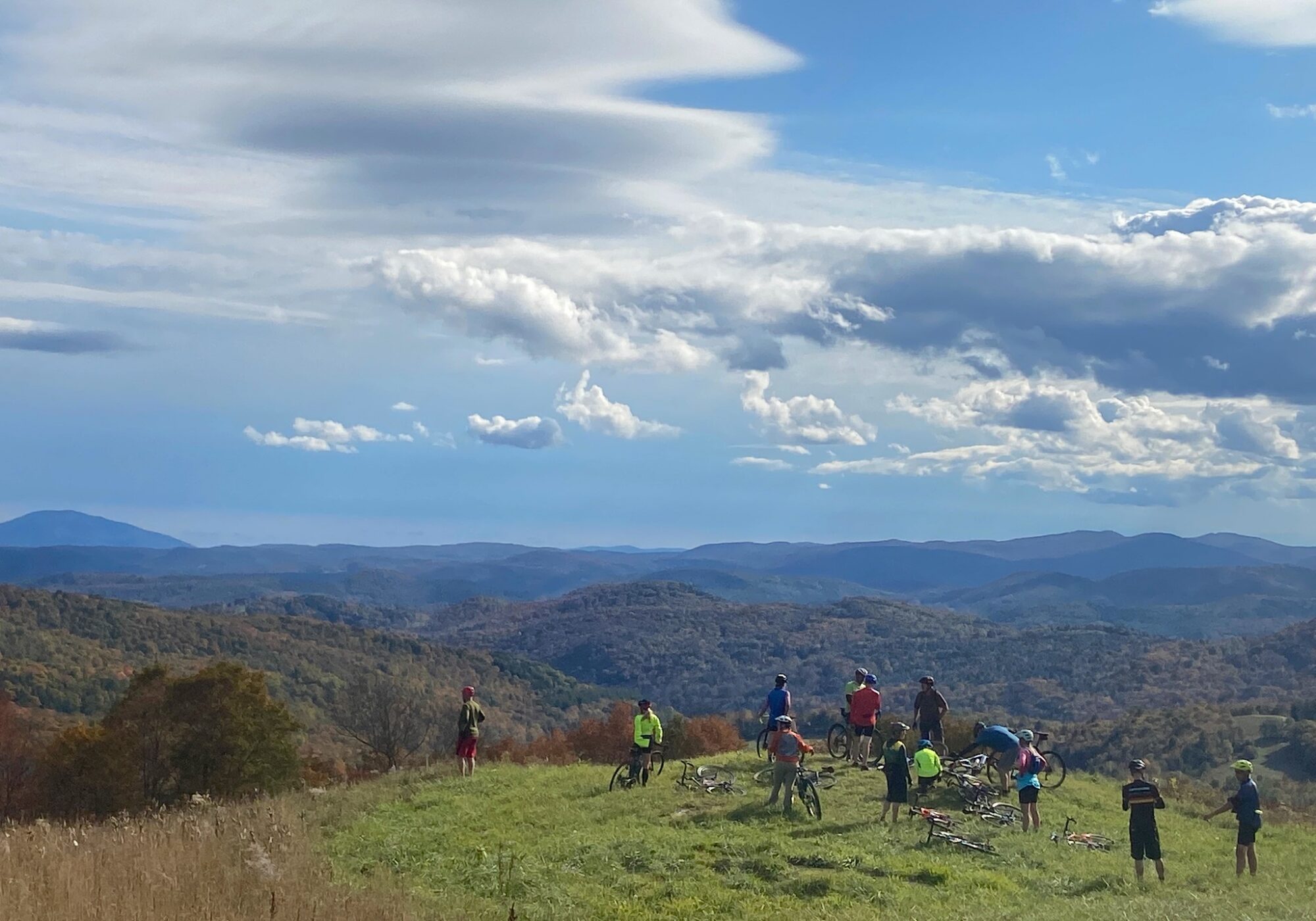
Autumn
© Kent McFarland
Keep your eyes sharp this month! You might see a migrating dragonfly or a vagrant hummingbird. At the very least, it pays to keep your wits about you in case you encounter a certain pollinator and beneficial insect. That's right, we're talking about yellow jackets.
By Megan Massa
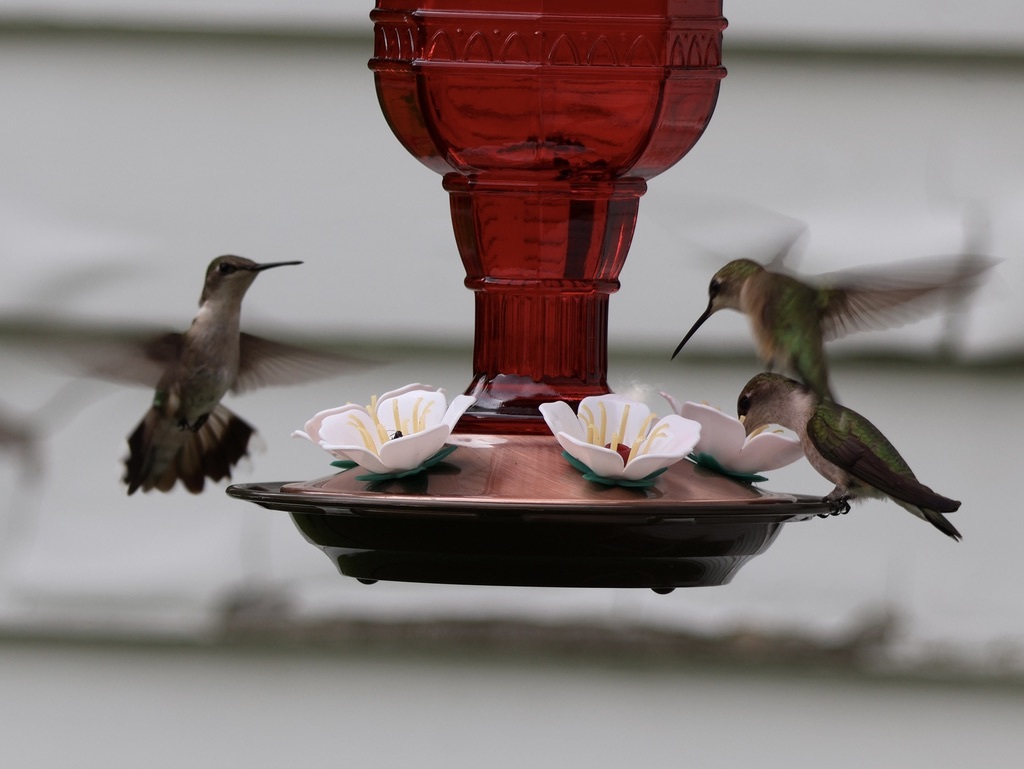
“When should I take my hummingbird feeders down?”
This is an extremely common question we get in the fall. A persistent and popular myth says that leaving feeders up will cause birds to stay too long or entice them outside of their normal range. And then they will run out of food.
The short answer is simple: You don’t need to rush to remove your hummingbird feeders to “tell” birds it is time to migrate. In fact, leaving them up can help migrating birds and increase your odds of finding a rare bird.
A bird’s decision to migrate is controlled largely by photoperiod—the shortening length of the day—not by food availability. As days get shorter, birds’ hormones respond, telling them to fuel up. They eat more to build fat reserves to fuel their long migrations. For hummingbirds, this process is especially important. Their diet consists of nectar supplemented with small insects and, in some cases, sap from the holes drilled by Yellow-bellied Sapsuckers.
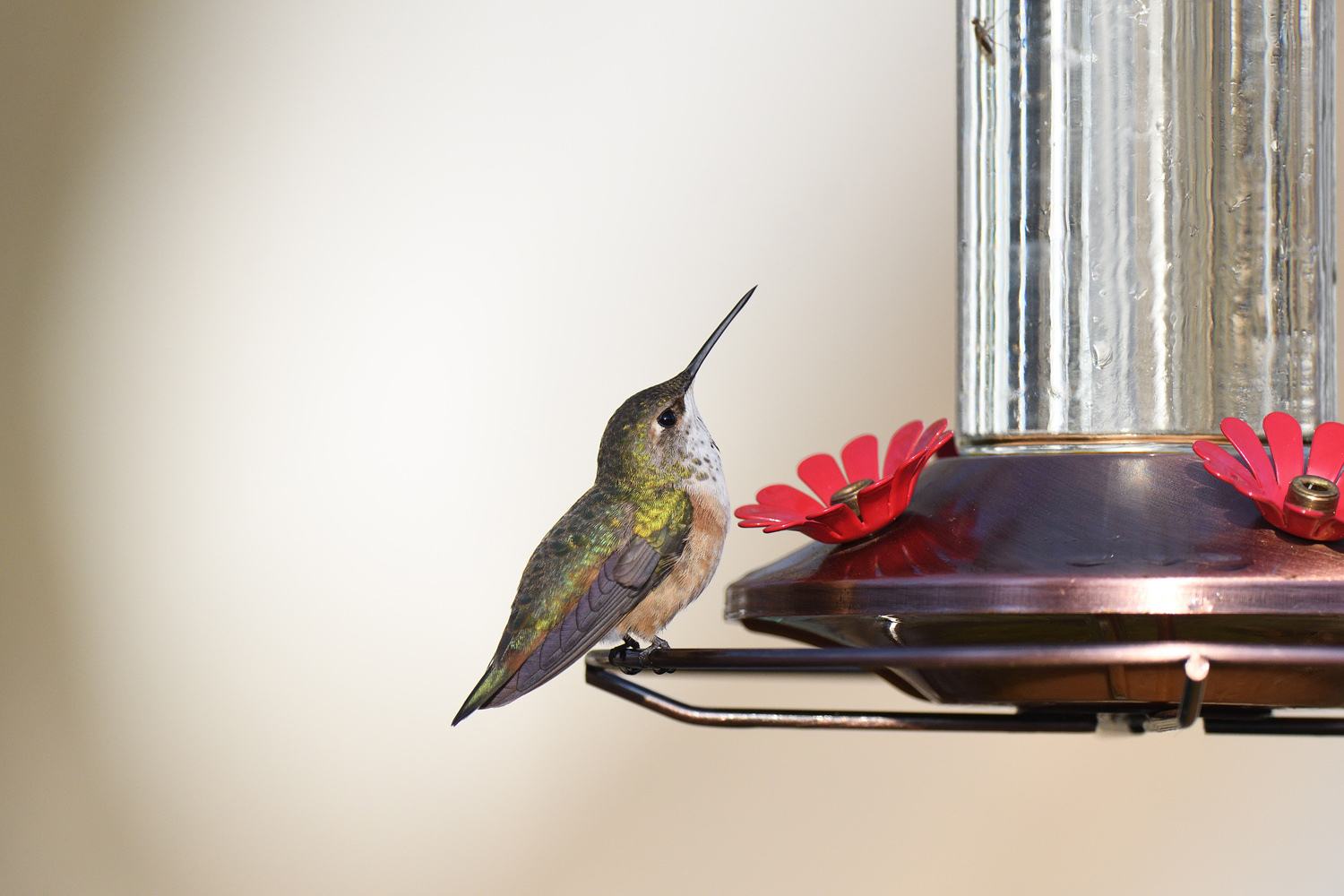
Even after our breeding Ruby-throated Hummingbirds leave, there is still a chance a “vagrant” hummingbird could appear. New England has a long history of vagrant hummers. Vermont has records of several non-Ruby-throated species, including Rufous Hummingbird and Mexican Violetear(!). Our neighbors in New Hampshire have also recorded Anna’s Hummingbird and Calliope Hummingbird. These records typically occur in fall through early winter and are usually young birds.
Vagrancy, when a bird shows up outside its normal range, is a natural phenomenon that has been made more visible by an increasing number of bird feeders and cameras. Vagrant birds are unlikely to “figure out” that they’re in the wrong place, and while many like the Rufous are hardy—they regularly survive temperatures as low as 15 degrees Fahrenheit overnight in their typical range—feeders are still valuable to them when other food resources are hard to come by.
So, to support late and lost birds, and to increase the chances of finding a rare hummer, it’s a good idea to leave at least one feeder up into late fall. Use plain sugar water, never dyed. For red coloration, use a red feeder, not dye, to increase visibility. Hummingbirds will often shelter in dense conifers overnight, so consider putting your feeder near such cover if available. Take feeders in at night when temperatures approach freezing.
Some potential vagrant species can be difficult to identify, especially females and juveniles. If you see any hummingbird after October 1, take photos to aid identification, especially of the spread tail.
In short, feel free to keep your feeders up. A well-maintained feeder will only help hummers, not hurt them.
By Spencer Hardy
Question: What’s striped black and yellow and drinks nectar?
Answer: A cartoon depiction of a bee.
And also, yellow jackets.
During my lectures on bees, one of the most frequent topics I get questions on is wasps, particularly yellow jackets. It doesn’t matter the age of the audience, from third-grade classrooms to senior centers, everyone has stories and anecdotes about these stinging machines. These much-maligned hymenoptera are frequently confused with bees (and vice versa). Though closely related, the two groups differ in a number of important ways.
Technically, yellow jackets are members of the Subfamily Vespinae and include two genera—the aerial yellowjackets (Genus Dolichovespula) which build the paper nests that suddenly appear when the leaves fall, and the ground yellowjackets (Genus Vespula) which make lawnmowing an extreme sport. Combined there are 11 species in Vermont, including one socially parasitic species, all of which are carnivores with a sweet tooth.
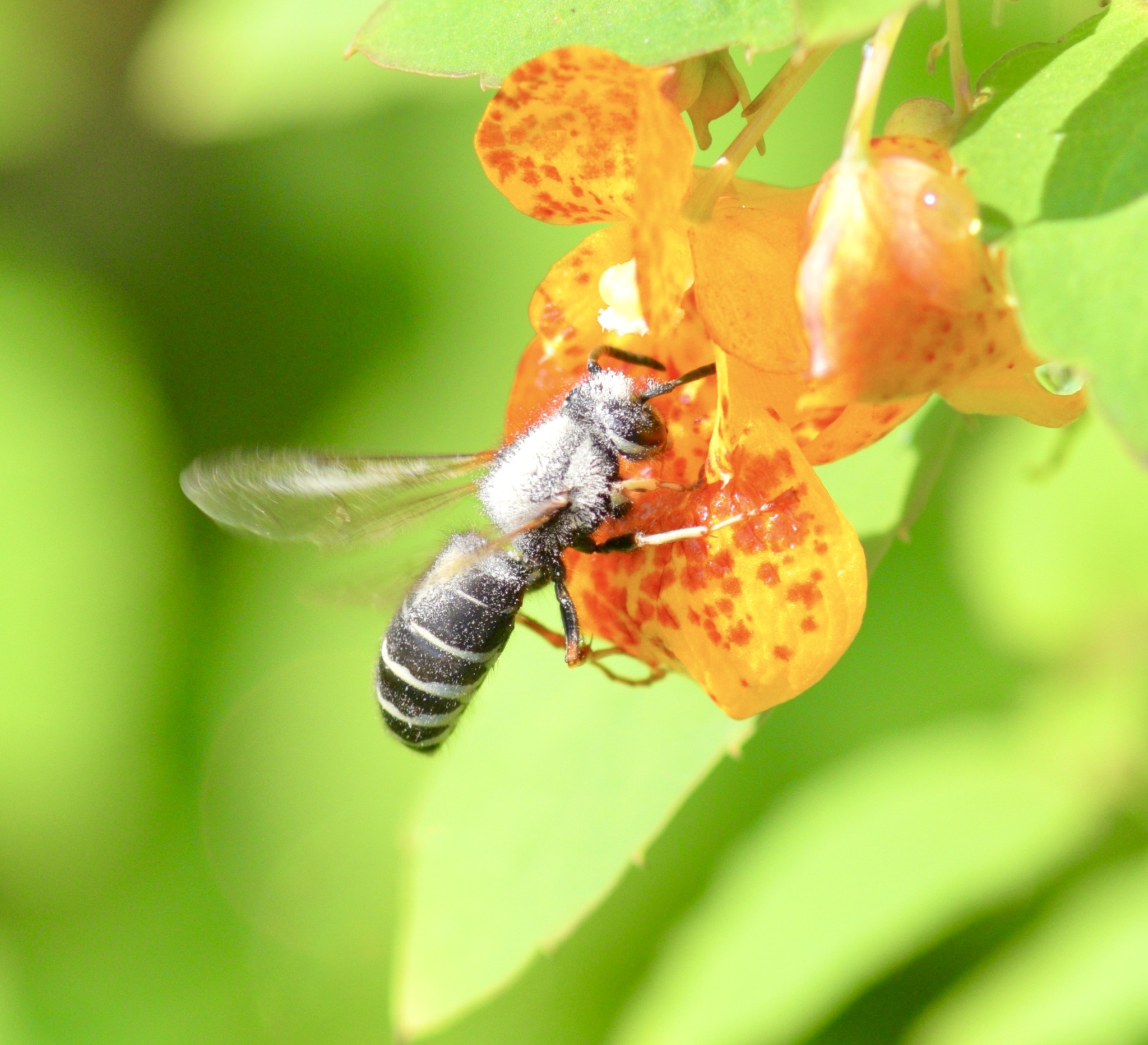
Caterpillars (and other squishy insects) are the bread and butter that they raise their larvae on, but they are opportunistic predators—I once watched a queen Bald-faced Hornet catch and kill a smaller yellowjacket! They are also very fond of baloney sandwiches and sweet cider. Like many insects, the adults often visit flowers for energy-rich nectar, making them pollinators. They also get a lot of sugar from rotting fruit.
Together with honey bees (Apis mellifera), yellow jackets are likely responsible for the vast majority of “bee stings.” They have a reputation for being particularly aggressive, and this isn’t totally unfounded. As a social species, most individuals (especially in the summer) are workers: non-reproductive females that are more concerned with protecting their queen than their own survival. Still, they only become kamikaze attack drones when they perceive a threat to their nest. When they are eating your sandwich, they aren’t going to go out of their way to sting.
Come September, a large proportion (in fact, probably the majority) are males, which are incapable of stinging. While I regularly handle male bees, and feel pretty confident in my ability to identify male yellow jackets in the field, I still haven’t worked up the courage to show off that party trick.
When not eating our lunch meat, they play an important role in stabilizing herbivore populations through a steady diet of caterpillars and other soft-bodied insects, as well as pollinating wildflowers. They themselves are also food for all kinds of other critters, from dragonflies to skunks.
All in all, yellow jackets are an important part of our insect fauna and are worthy of both appreciation and caution. I guess you might call that respect.
By Michael Hallworth
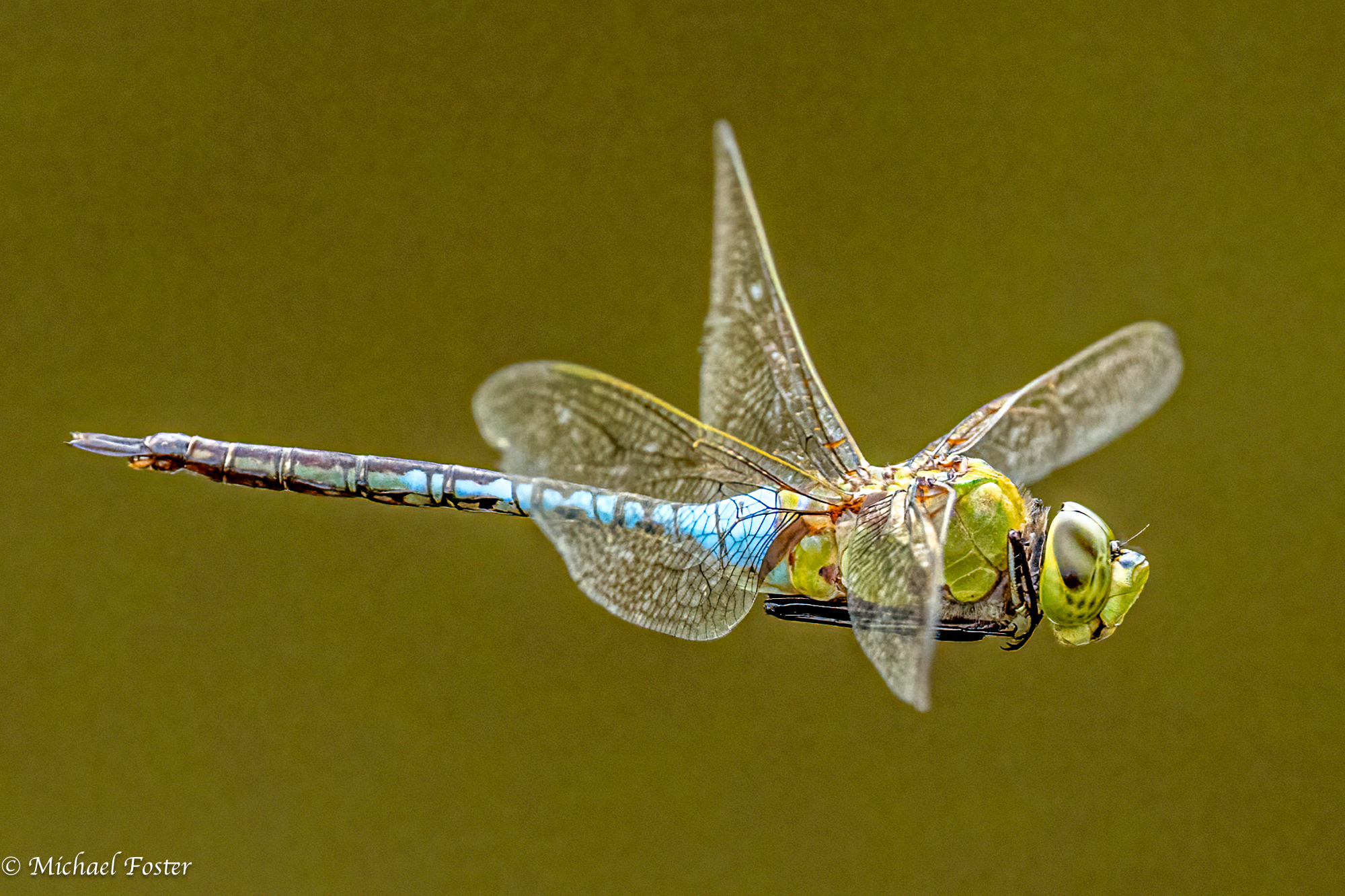
Right now, many Common Green Darners (Anax junius) are stretching their wings for the first time and are about to make the most important flight of their lives.
Some lucky nymphs developed quickly this summer, but many have spent over a year in the cool waters of northern New England. As the temperatures dropped last fall, many nymphs entered diapause, a state of suspended development under the ice, and waited for their time to shine. Any day now, they will start a flight that could take several weeks to complete.
The cooler temperatures signal it’s time for them to head south on a journey that spans hundreds of miles and coincides with those of two avid predators: the American Kestrel (Falco sparverius) and the Merlin (Falco columbarius). Each of these small falcons frequently hunt and eat dragonflies while aloft. If and when the darners arrive in the southern reaches of the United States, or possibly even the Caribbean, they will lay eggs, starting a new generation that will not migrate. In early March and April, the entire cycle begins anew when the first generation of the year will migrate north and dazzle us once again when they arrive in May.
While they migrate, Common Green Darners aggregate along coastlines and rivers, creating a spectacular scene. If you catch a glimpse of adults on the move, upload your observations to iNaturalist.org or OdonataCentral to help us track their movements.

Dearest Spenser
Dearest Spencer, I still hate yellow jackets…but maybe not quite so much after reading your article! Plus you make me laugh. :)Betsy