Posts by Vermont Center for Ecostudies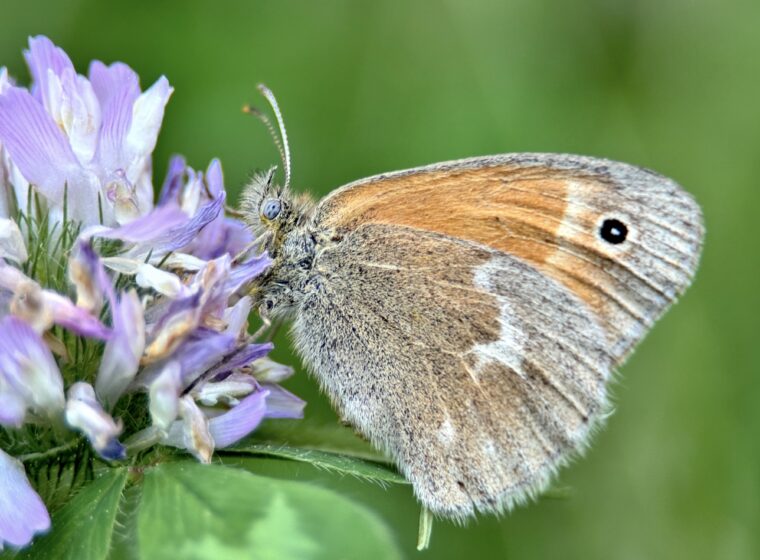
When the Prize Flies Away
Follow VCE’s Seasonal Butterfly Atlas Technician Jill DeVito as she wanders through meadows in search of elusive butterflies, collecting valuable data for The Second Vermont Butterfly Atlas.
Identifying the Wild Bees That Pollinate Vermont’s Crops
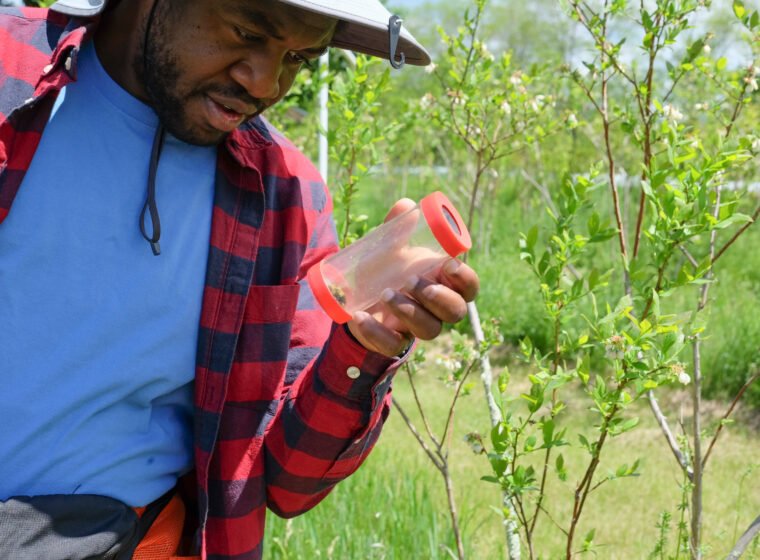
Large bees such as bumble bees are relatively easy to identify to species in the field, but smaller bees like mason bees, mining bees, sweat bees, cuckoo bees, scissor bees or cellophane bees need a closer look.
Executive Director Susan Hindinger Announces Her Departure
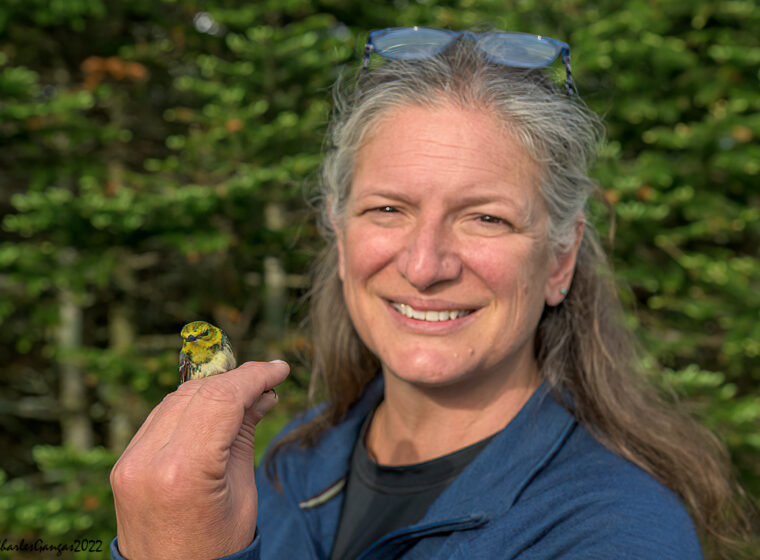
With a mix of excitement and sadness, we write to report that Executive Director Susan Hindinger has decided to retire from VCE at the end of this year to tend to her family obligations.
Field Guide to September 2026
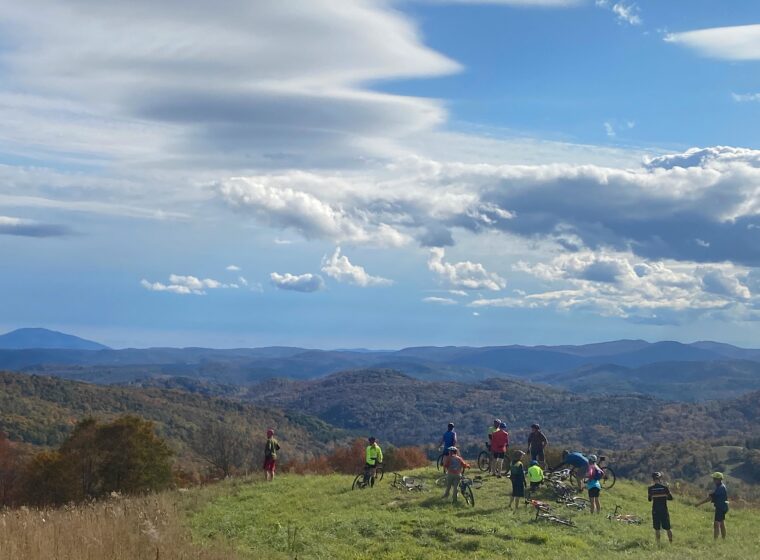
Keep your eyes sharp this month! You might see a migrating dragonfly or a vagrant hummingbird. At the very least, it pays to keep your wits about you in case you encounter a certain pollinator and beneficial insect. That’s right, we’re talking about yellow jackets.
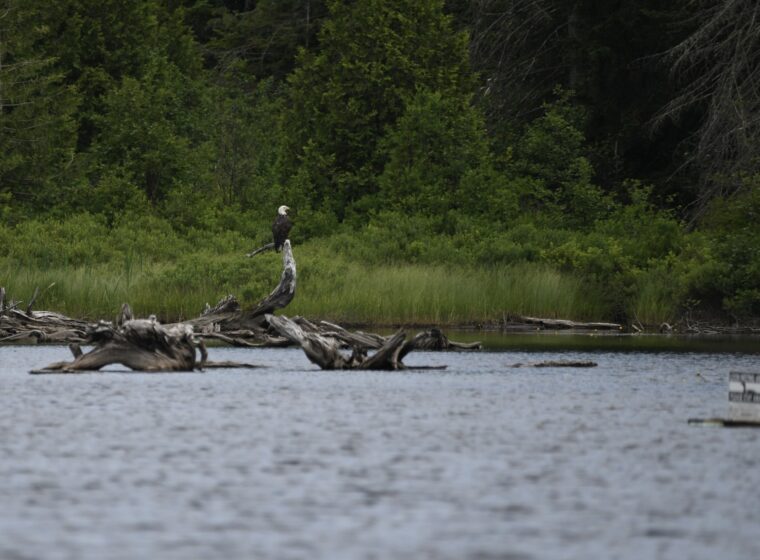
Loon Versus Eagle: A Conservation Success Story
Keeping a relatively neutral perspective around wildlife interactions can be one of the most challenging parts of being a wildlife biologist. It can be difficult to not anthropomorphize animals, or assign them human emotions and qualities such as disappointment, satisfaction, cruelty, or generosity.
Field Guide to August 2026
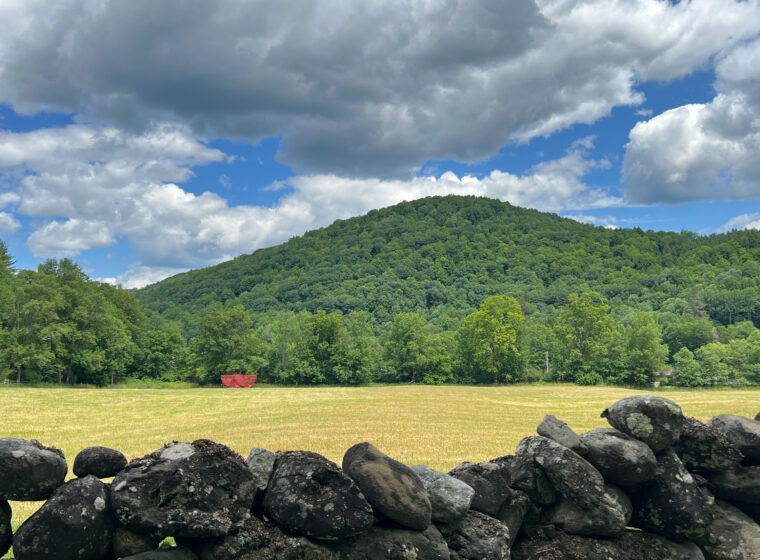
Little things with wings are catching our interest this month. We’re affixing tiny trackers to migrating Monarch butterflies. We’re waxing on about the wonderful world of wasps, which are not the villains, but the heroes of the garden! And we’re keeping an eye out for delightful Primrose Moths, which alight on the very tall, yellow, native flowers that just love to take over recently disturbed space.
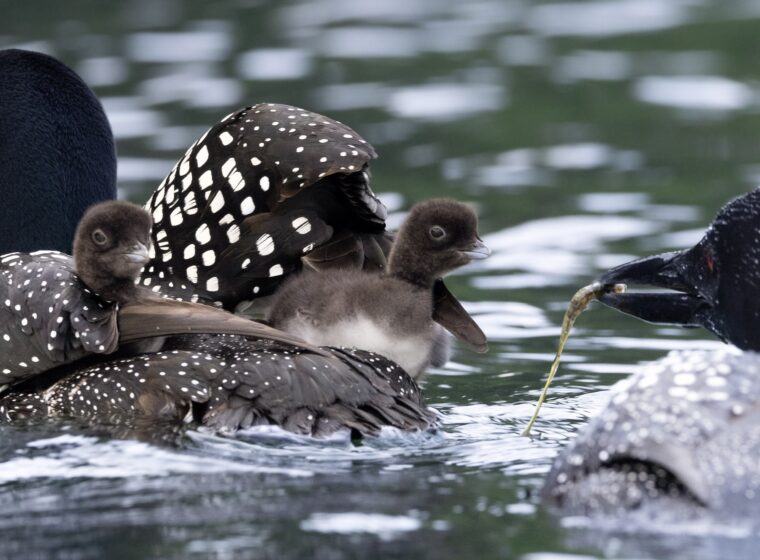
Loon Love and Loss on Lake Iroquois
As a volunteer for the Vermont Loon Conservation Project, I’ve developed an interest that has bloomed into a mission to steward and study the loons of Lake Iroquois.
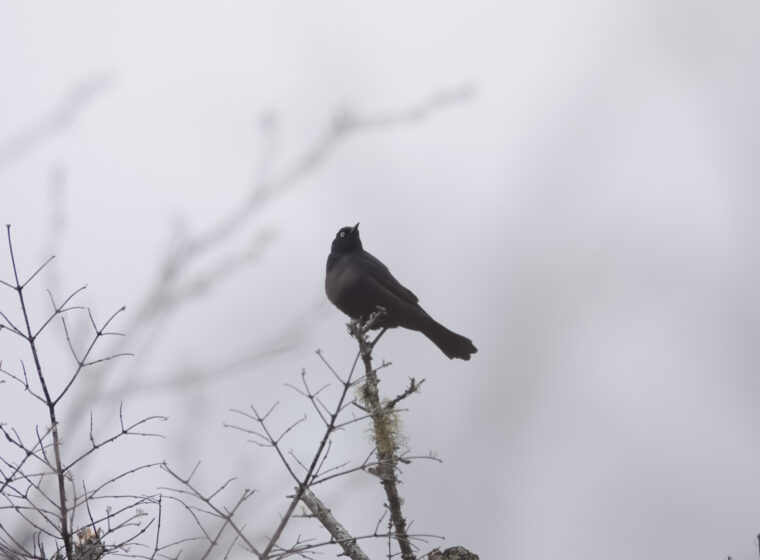
VCE’s Newest Project: Finding Out Where the Rusty Blackbirds Have Gone
Whether they veered around the net or caught on to our playback, it was a battle of wits to get Rusty Blackbirds to fall for the trap. It may have been easier to find their secretive nests than to capture the birds themselves!
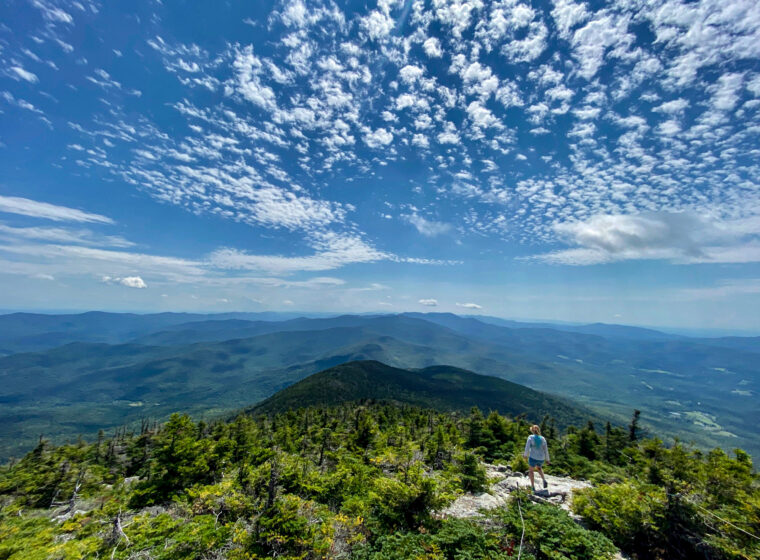
Field Guide to July 2026
July is abundant—gardens bloom and buzz with insects, loon calls echo across lakes, berries ripen in the mountains.
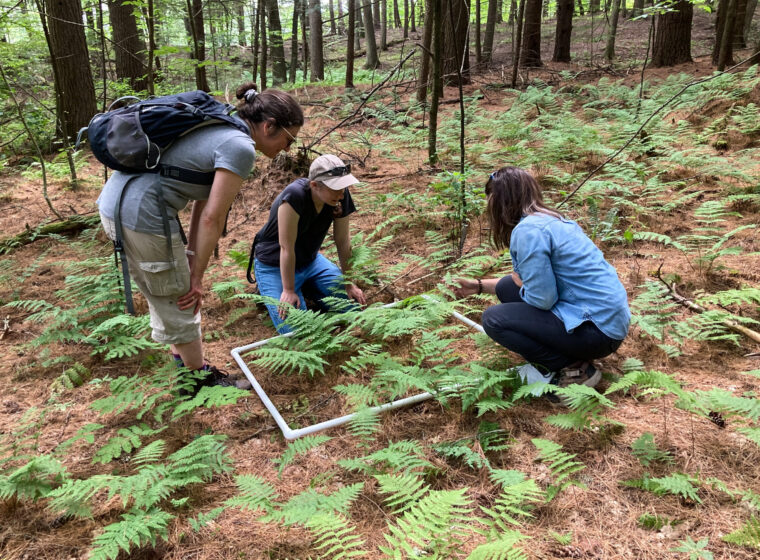
Teaching the Educators About Community Science
Every July, science educator and naturalist Ron Smith partners with VCE to facilitate a free (with stipend) Community Science Teacher Education Workshop. We still have a few open spots, so read up on what teachers can expect in this four-day workshop in White River Junction, and send it to a science teacher you know!
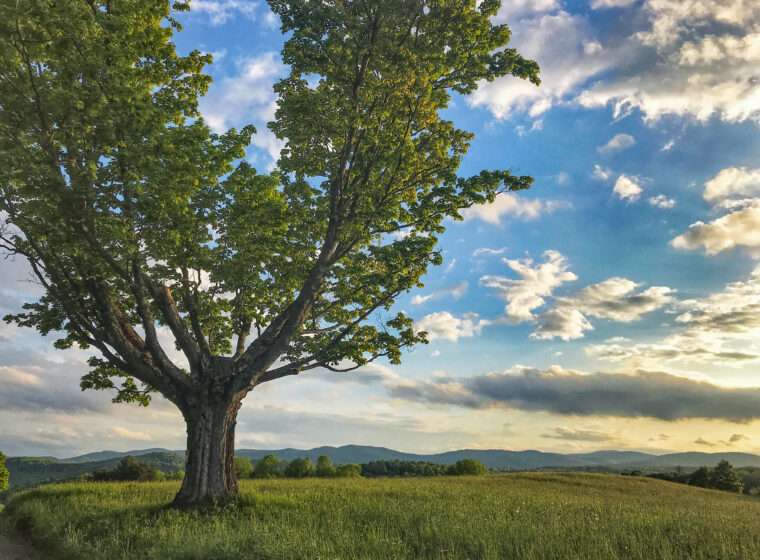
Field Guide to June 2026
There is a lot for the keen listener to explore this month: the air is filled with the sounds of chirping, calling, and singing birds and buzzing insects.
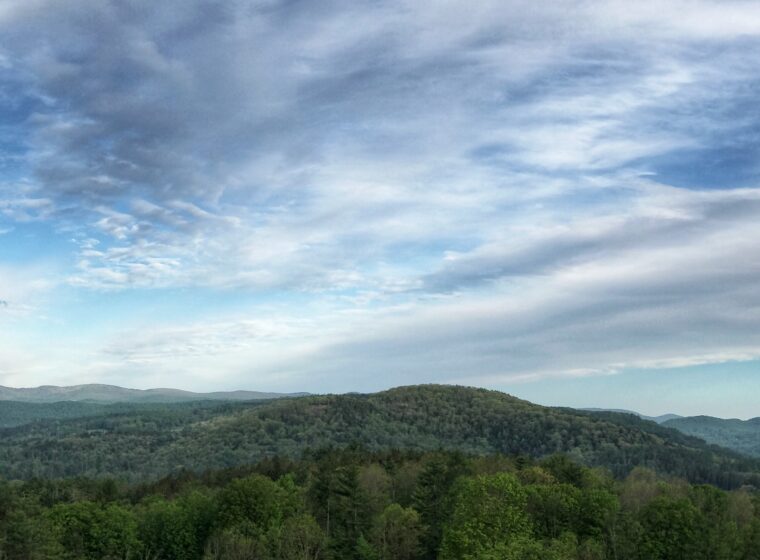
Field Guide to May 2026
May is filled with winged delights. Bobolinks will begin to grace Vermont’s larger hayfields, busy ground-nesting bees can be found in the bare sunny spots of our yards, and early spring butterflies are getting first dibs on the earliest spring flowers. It’s a great time to get outside and explore.