Preliminary results show no evidence that spraying is a long-term solution for tick control, or that it reduces one’s risk of tick-borne illnesses. Meanwhile, even the sprays marketed as eco-friendly or pollinator-friendly do have unintended consequences for beneficial insects like pollinators.
Many homeowners may not need to manage for ticks.
Across the approximately 200 properties surveyed across Vermont and New Hampshire, the study documented low tick densities in lawns, averaging around two ticks per yard.
Tick spraying might not achieve homeowner objectives.
Depending on the pesticide being used, spraying reduced tick density by around 60%. But long term tick density remains unaffected by treatment. In a matter of a few weeks, the tick density seems to be back at pre-spraying levels, with ticks moving in from non-treated areas.
The Backyard Tick Project found no relationship between tick density within a lawn and that property’s history of pesticide use. Some properties that had been sprayed more than 80 times over the last decade, and they had the same average tick densities in the lawn as a property that was just sprayed a week before for the first time.
Tick spraying can harm beneficial insects.
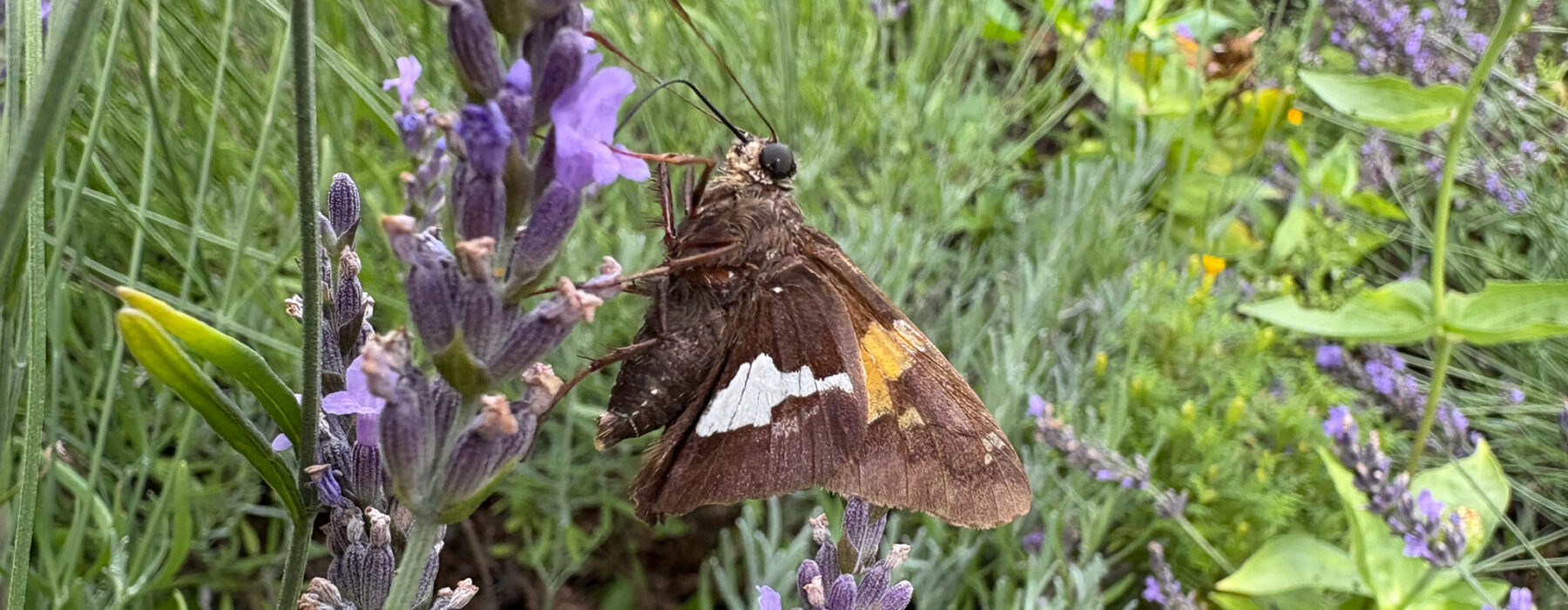
Alarmingly, pesticide spraying was associated with a five to 30% immediate decline for most invertebrate groups within and along the edge of the sprayed lawns. Less mobile and soft-bodied arthropods, including caterpillars, were the most directly affected,” says Jason.
Even natural or “environmentally friendly” pesticide alternatives, such as essential oil-based pesticides, have negative effects on pollinators.
Thank you to partipating homeowners!
As an Open Science organization, we’ll share all of our raw and analyzed data with the homeowners at the end of our study, so that they can make informed decisions about future tick control measures. Note that no personally identifiable information will be shared publicly.