Field Guide to July 2026
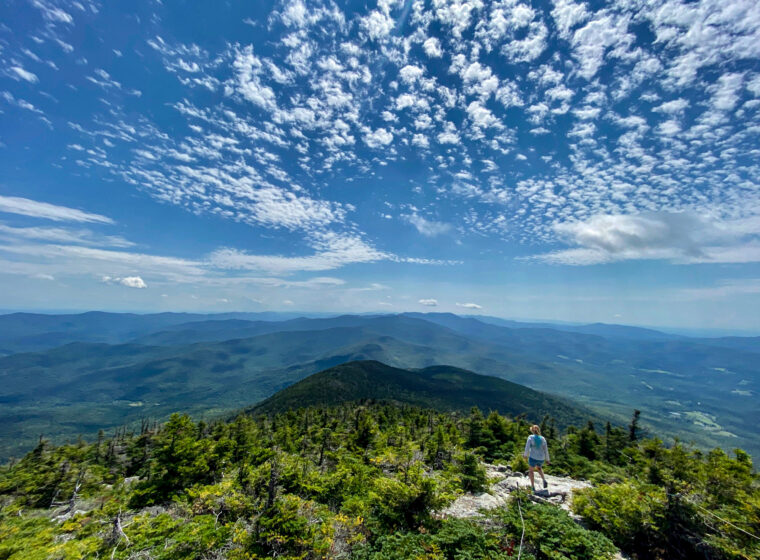
July is abundant—gardens bloom and buzz with insects, loon calls echo across lakes, berries ripen in the mountains.
Bernie Paquette Receives the 2025 Julie Nicholson Community Science Award
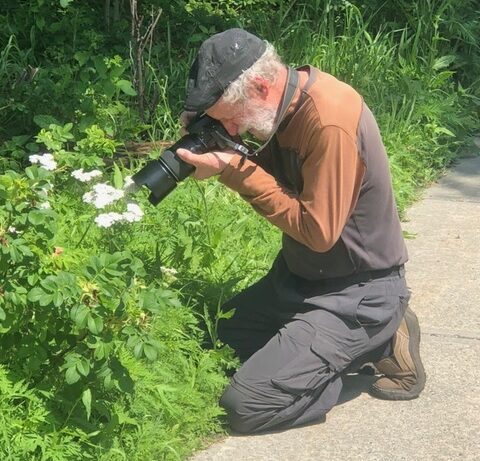
VCE bee biologist Spencer Hardy first met Bernie Paquette at the 2019 Jericho-Underhill Christmas Bird Count. Paquette had long since retired from his career at IBM in Essex Junction, but…
More Than Weeds: Herbicide Dicamba’s Return Could Impact Wildlife, Too
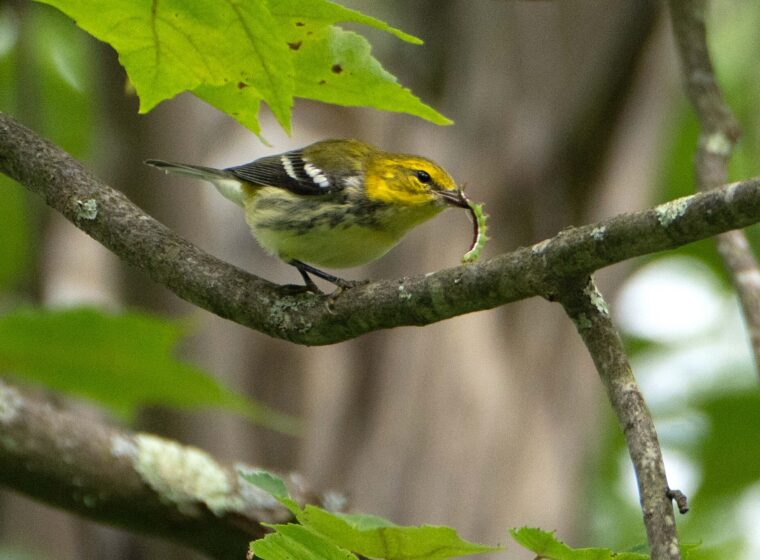
Dicamba is a controversial herbicide that has caused issues for both ecosystems and people. However, the EPA announced in July its intention to authorize its sale to farmers—again.
Proposed Rule Threatens to Narrow Endangered Species Protections
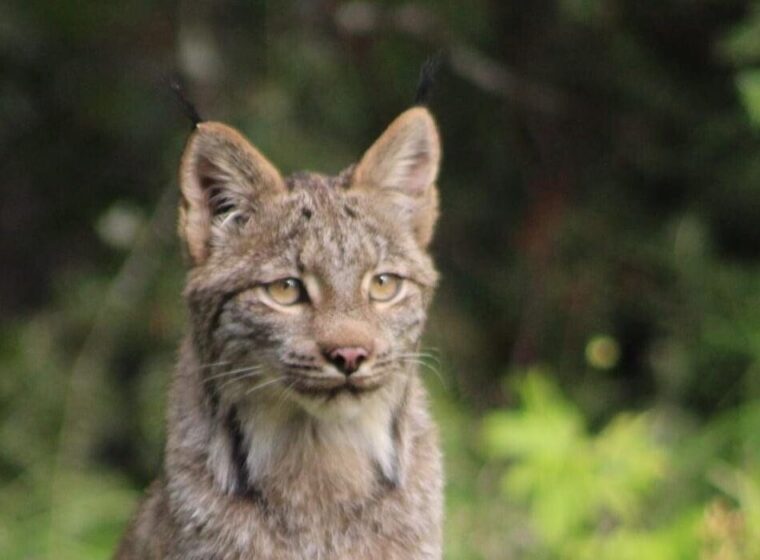
For more than 50 years, the Endangered Species Act has been considered “our nation’s most effective law to protect species from extinction.” However, a proposed rule throws the future of this law’s protections into question.
Vermont State Butterfly Proposed for Threatened Species Listing
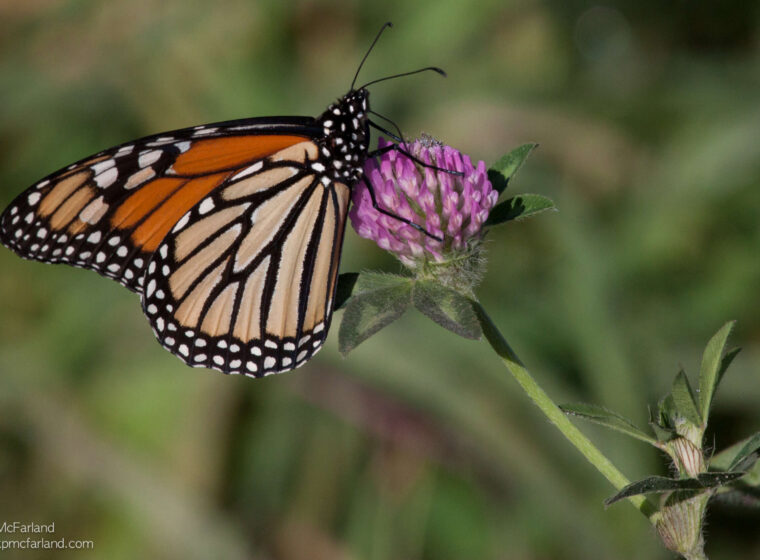
For many Vermonters, Monarchs are a much-anticipated sign that summer is truly here. However, experts have long been growing concerned over declines in migratory Monarch populations. In December 2024, the U.S. Fish & Wildlife Service officially proposed to list the species as Threatened.
Field Guide to January 2025
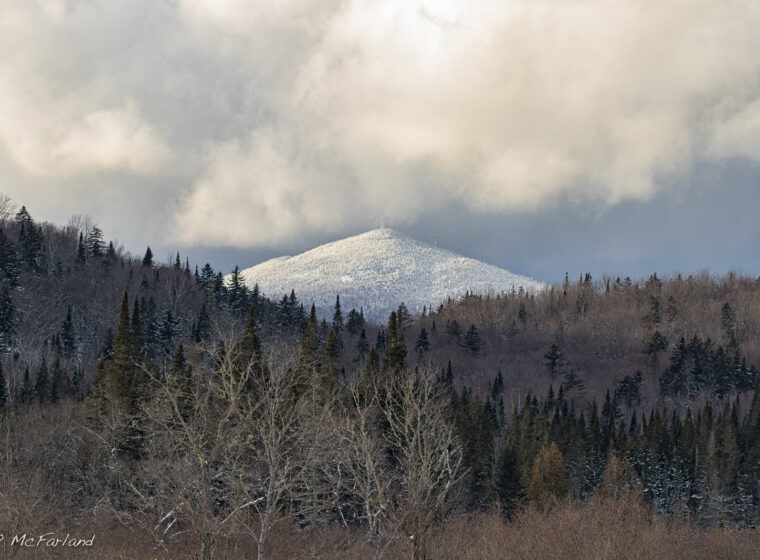
Although the days are slowly growing longer, life in the Northeast now finds itself in the coldest depths of winter. January is about survival. Wildlife that doesn’t migrate adapts instead in order to make it to spring.
Field Guide to October 2024
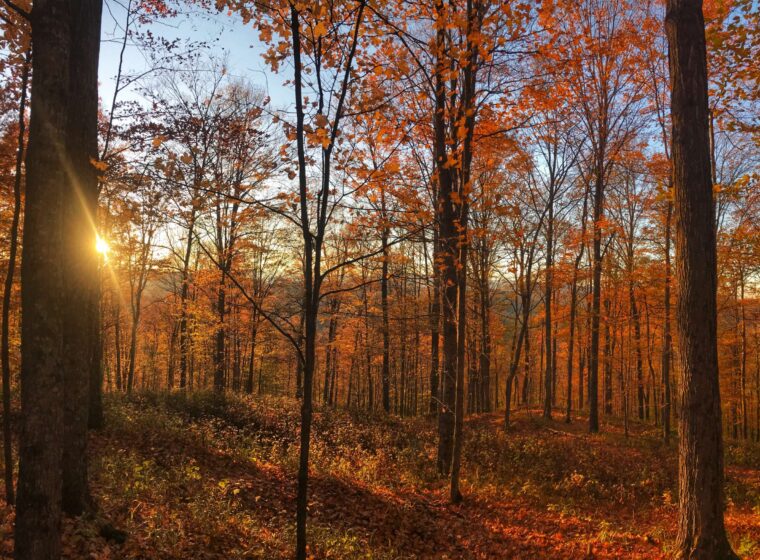
The month of October reminds us of the cyclical nature of life. Like spring, autumn is a season of change. The forested hills fade from summer emerald to a watercolor painting of red and gold and brown. Here’s your field guide to some moments that you might not otherwise notice during these few precious weeks that feature colored hills beneath a deep blue sky.
Field Guide to September 2024
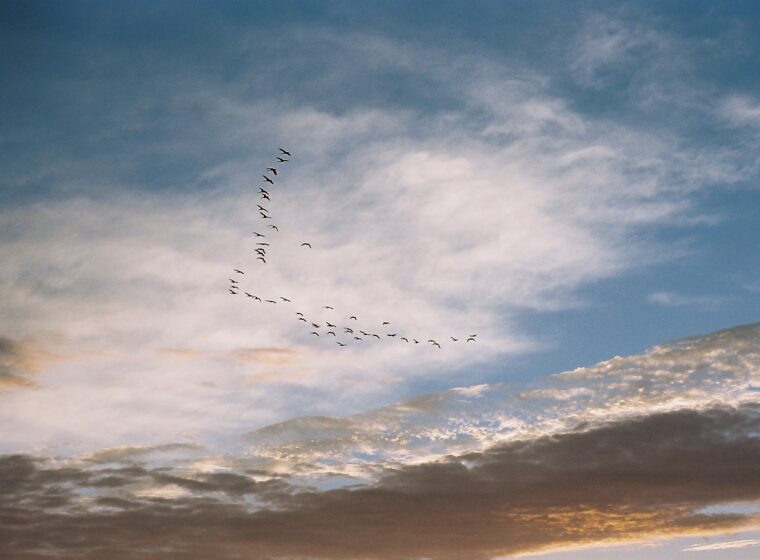
It can happen almost anywhere. On a cool, foggy morning, for example, when fall warblers drop from their nocturnal, migratory flights into your backyard, and clusters of Common Green Darners congregate on a nearby riverbank. Or along a mudflat some afternoon when you notice a Spotted Sandpiper teetering and then darting after prey. Or on some wooded trail when you spot the first ruby red leaves among late-summer’s faded green. Here is your field guide to life slowing down and on the move in September.
Weekly Reflections from a Summer at VCE
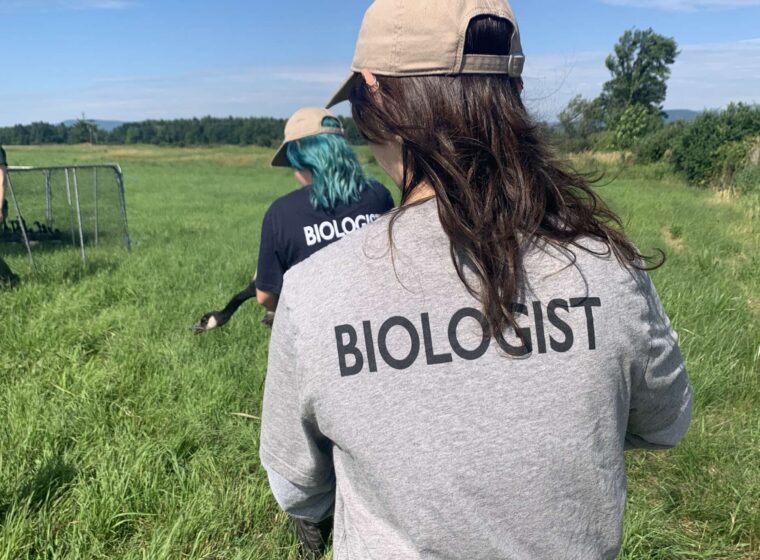
Working with VCE this summer has been immensely rewarding, seeing the animals I love in person and seeing how environmental disturbance affects them in real life. Birds hold a special place in my heart (I have a somewhat unattainable goal of seeing every species in North America before I die), and I’m proud to say I added 42 new birds to my Life List this summer.
My Summer in Species: Illustrated
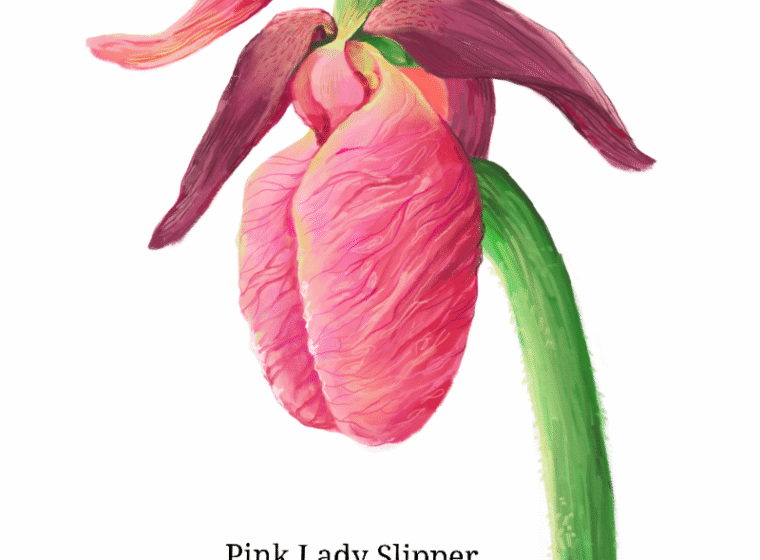
This summer, I worked with VCE as an interdisciplinary intern. By being able to dip my toes into a little bit of everything, I got to learn first-hand that there are so many ways to be a scientist, and so many wonderful subjects to study.
Smith Richardson Wildlife Preserve Visit
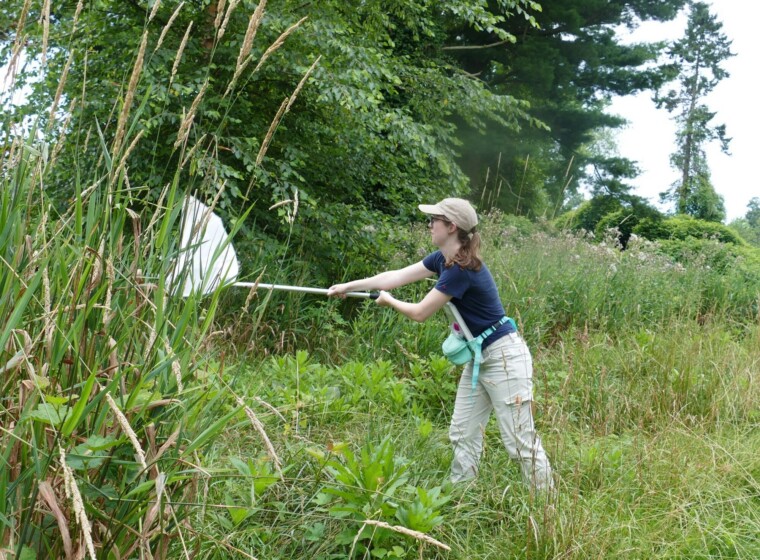
VCE has been busy this summer! In addition to asking cutting-edge ecological questions, we are also helping colleagues tackle their conservation problems. This summer, VCE conservation scientist Dr. Desiree Narango and the rest of the technician team have been helping Connecticut Audubon with a key wildlife preserve in Westport, Connecticut.
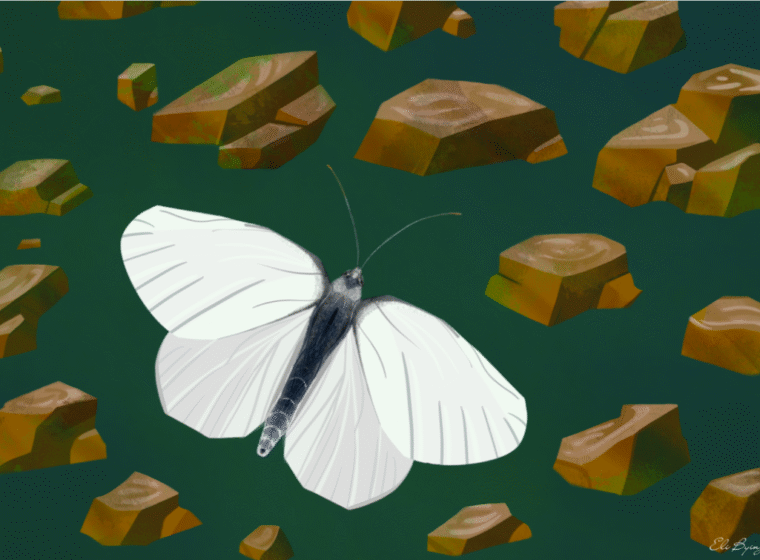
Searching for Butterflies: The West Virginia White
As VCE’s Spatial Science Intern, I spent my summer working with community science observations from several platforms, such as eButterfly and iNaturalist, to create a species distribution model for the West Virginia White in the state. This model incorporated bioclimatic variables and host-plant distributions to reveal areas within Vermont that may be suitable for these butterflies today and into the future.