Identifying the Wild Bees That Pollinate Vermont’s Crops
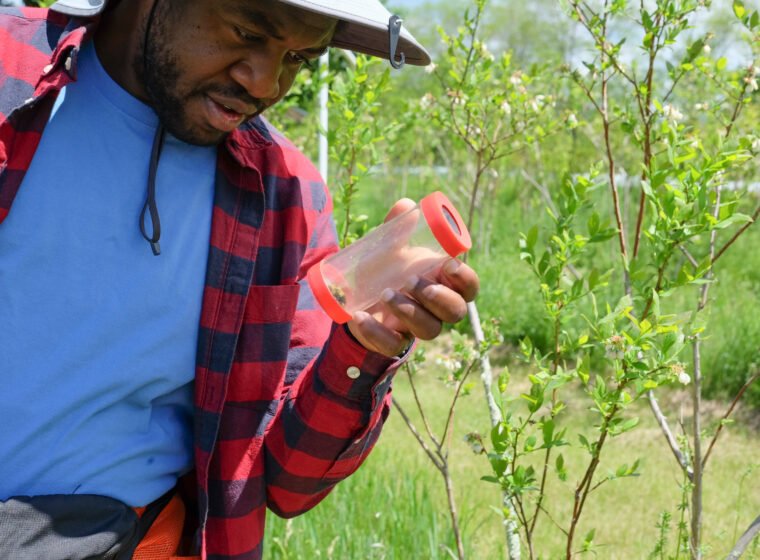
Large bees such as bumble bees are relatively easy to identify to species in the field, but smaller bees like mason bees, mining bees, sweat bees, cuckoo bees, scissor bees or cellophane bees need a closer look.
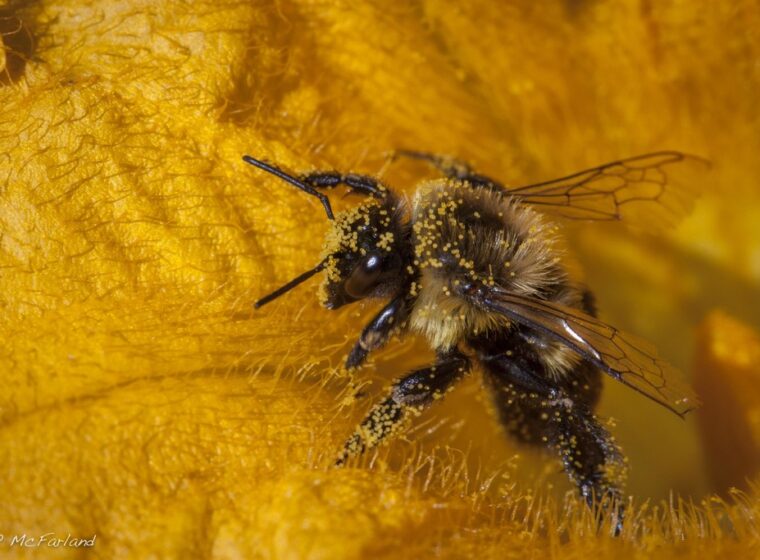
Know Your 5: Bees That Pollinate Winter Squash
Insect-mediated pollination is crucial for squash fruiting. Squash blooms open for one day only, beginning pre-dawn and generally closing around noon, never to reopen. The more pollen deposited on the stigma, the better the fruit set. Here how to attract bees that can help.
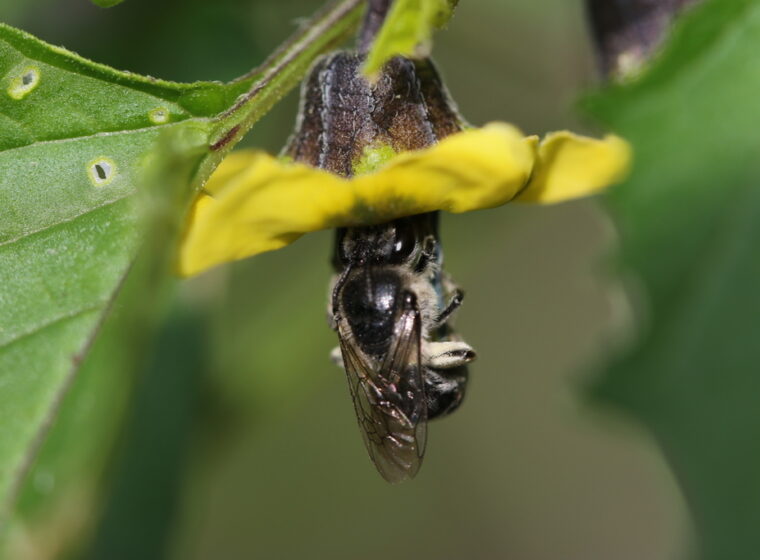
Know Your 5: Wild Bees That Pollinate Tomatillos and Other Ground Cherries
Ground cherries and tomatillos are in the genus Physalis, which also includes at least one native species in Vermont. With five Physalis associated native bees, this genus presents an opportunity to support several rare bees with a commercial crop.
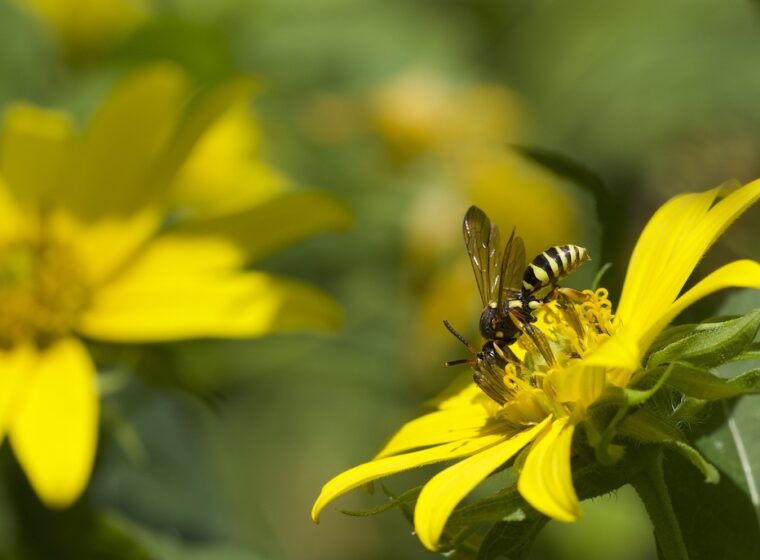
Plant These Native Flowers Around Your Farm to Attract Wild Bee Crop Pollination
Wild bees are responsible for pollinating many Vermont-grown vegetables and fruits, in addition to pollinating wild plants that create resilient landscapes. Pollinator habitat on farms can take many forms, from planted rows of cut flowers to neglected field margins. Here are some bee-supporting flowers that you can plant or let grow wild.
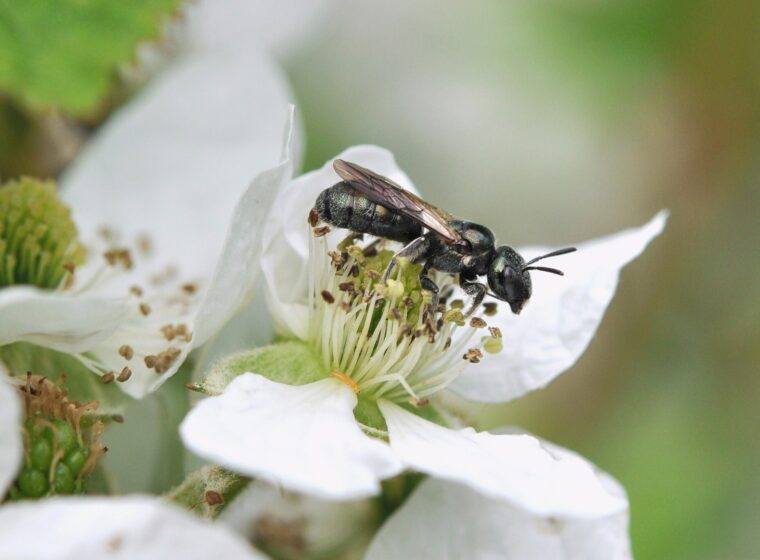
Know Your 5: Bee Species That Pollinate Brambles Like Raspberry Flowers
There are many native brambles visited by a wide variety of bees, most of which are likely also in commercial plantings. Most brambles are moderately self-fertile and insect mediated pollination is important for uniform berry shape and for large, marketable fruit.
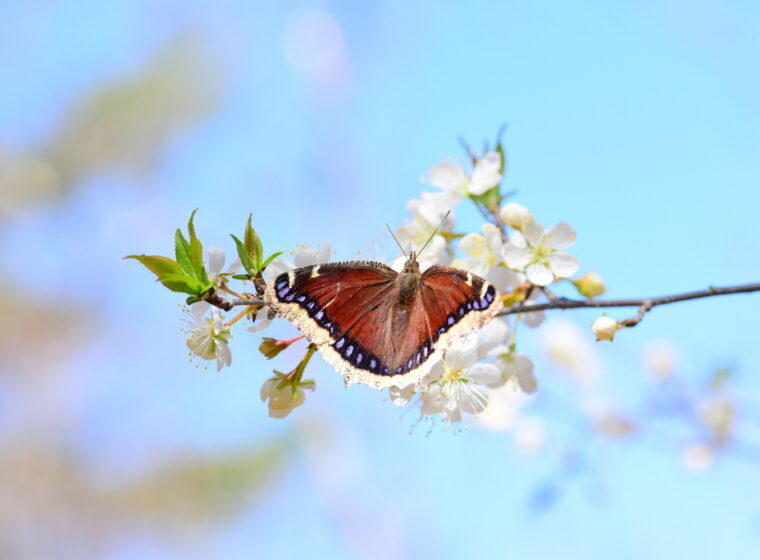
Know Your 5: Wild Pollinators for Stone Fruit Crops
Most stone fruit species bloom in early spring, when northeast weather conditions are often cool and unpredictable, so are likely more dependent on wild pollinators that are more tolerant of lower temperatures and windy conditions than Western Honey Bees.
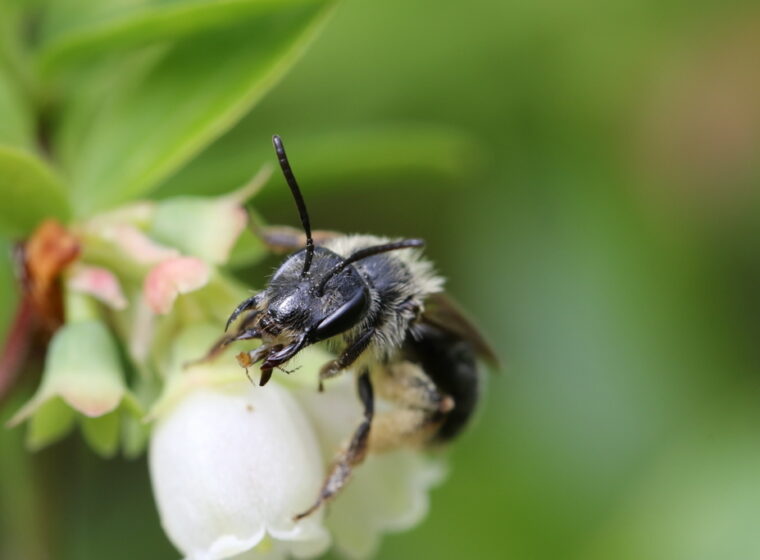
Know Your 5: Wild Bees That Pollinate Blueberries
Both Northern Highbush and Lowbush Blueberries are widespread in the northeast and an important food for many wild bees. Bushes that have limited or no pollen transfer by bees will be small, ripening will be delayed, early fruit drop may result, and most berries would not meet market standard quality.
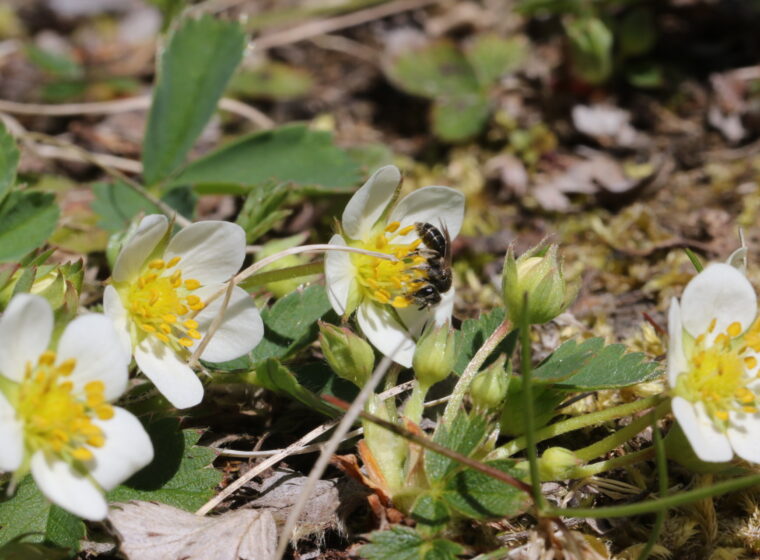
Know Your 5: Wild Bees That Pollinate Strawberries
By identifying and understanding the natural history of these bees, you can provide the specific habitat that will help to ensure resilient and abundant pollination services and the tasty treats that result.
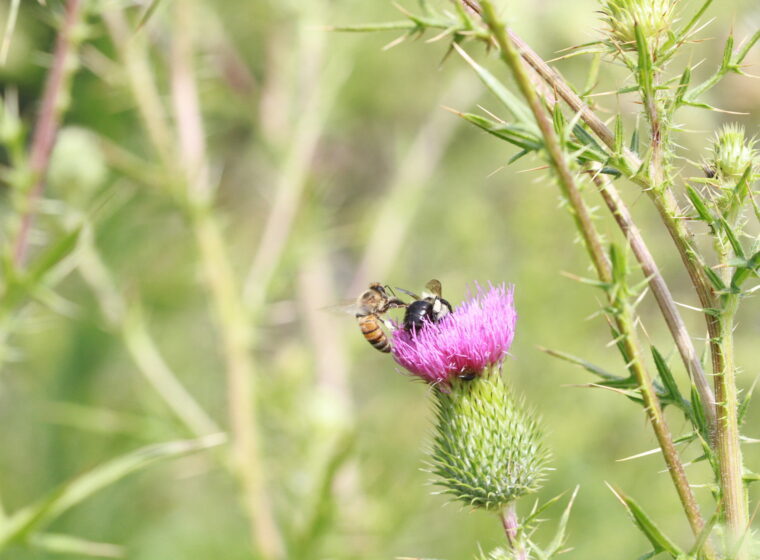
Are Honey Bees Good?
As a wild bee biologist for VCE, I’ve spent the better part of the last five years studying, counting, and watching native bees, which are often overlooked in favor of their domesticated cousins.
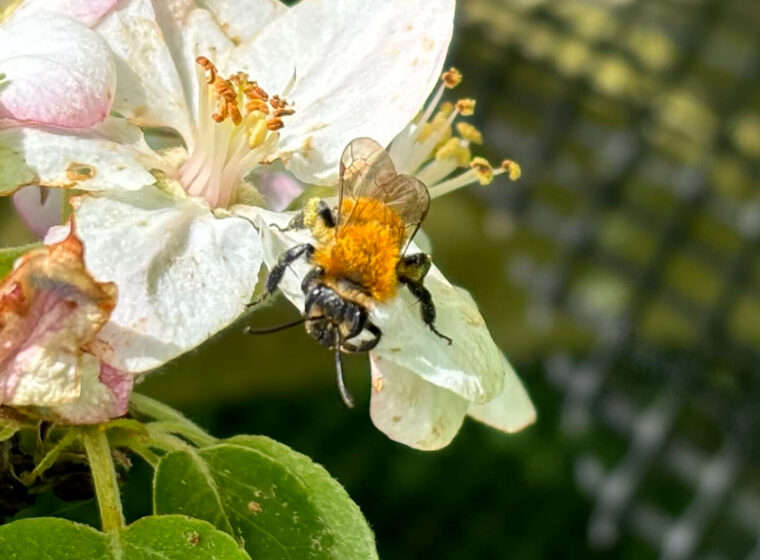
Know Your Five Apple Pollinators
With more than 350 species of wild bees in Vermont, it’s daunting to understand them all. So let’s start with a beloved flowering tree that is all over Vermont’s commercial…
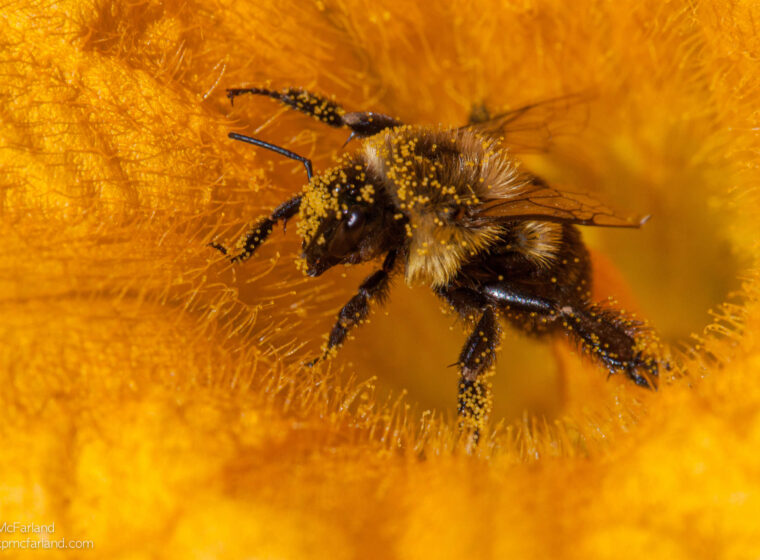
VAL Director Provides Testimony on Proposed Neonicotinoid Ban
On February 9, 2024, VCE Conservation Biologist and Vermont Atlas of Life Director Kent McFarland provided testimony to the Vermont State Agriculture, Food Resiliency & Forestry Committee on H.706, a bill requiring restrictions on neonicotinoids. What follows is the text from the written testimony.