Posts by Jason Hill (he/him)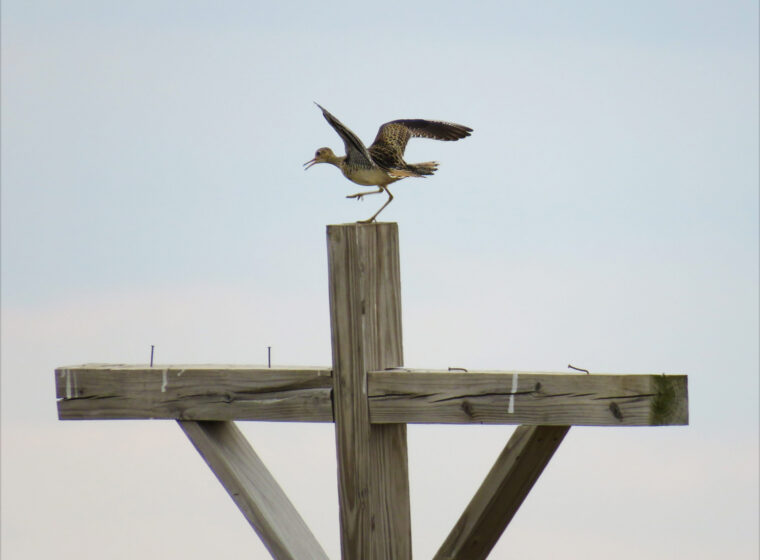
New VCE Study Reveals Surprising Upland Sandpiper Migration Patterns
VCE’s recent paper describes surprising new information about migratory patterns of Upland Sandpipers.
Field Update: Mountain Birdwatch
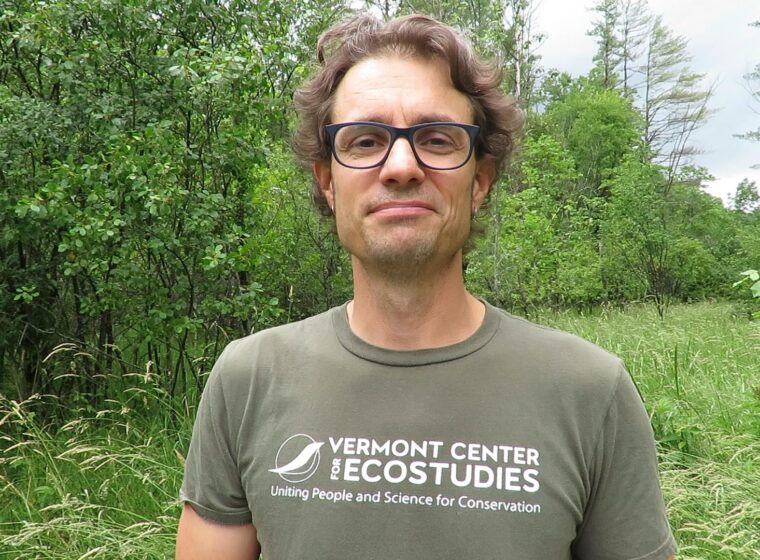
Jason Hill sheds light on the status of Mountain Birdwatch 2018.
Prepare to be impressed.
Mountain Birdwatch Brings a Mountain of Data to eBird
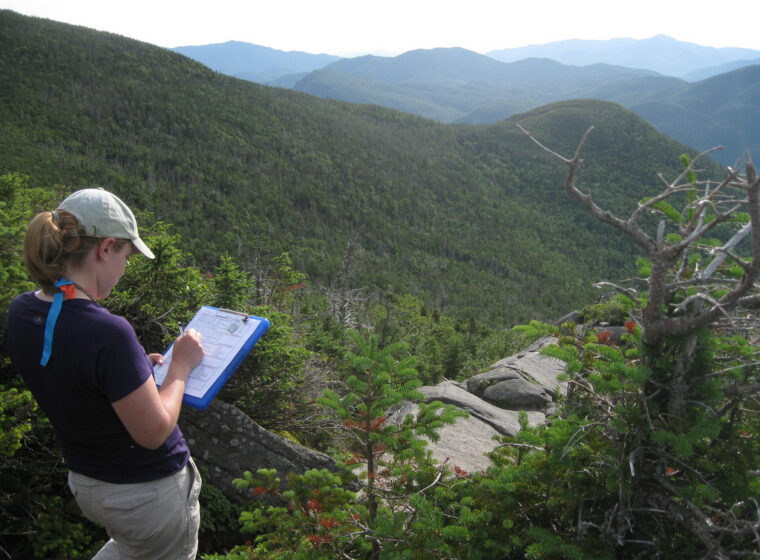
Since 2010 alone, several hundred Mountain Birdwatch citizen scientists have conducted 18,636 five-minute point counts at nearly 750 remote locations in the mountains of New York and New England. Recently, we uploaded more than 37,000 checklists spanning the last 17 years of the program to eBird.
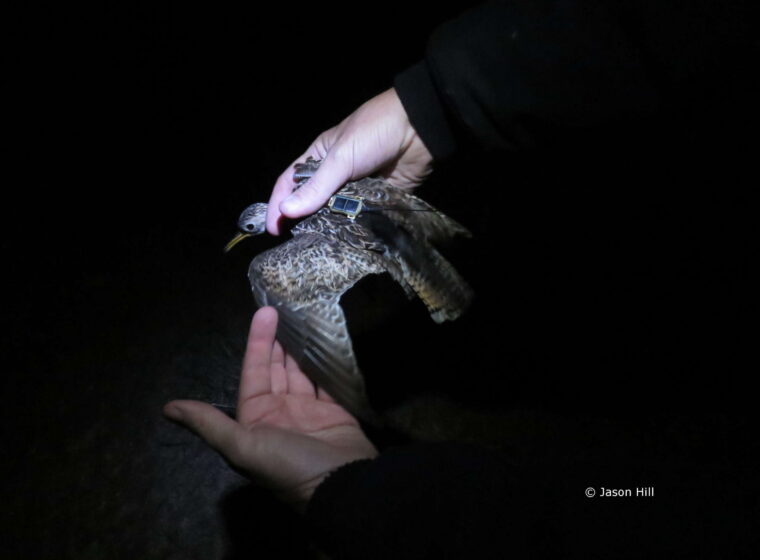
GPS Tags Reveal a Hidden Side to a Grassland Bird
GPS tags are revealing new and exciting insights on the epic, transcontinental migrations of Upland Sandpipers. VCE’s recent, ongoing research has revealed that this grassland specialist uses a surprising array of migratory habitats across its route. These range from busy airports, to steep mountain slopes, to Neotropical river banks, and even the open Atlantic Ocean (well, they don’t exactly stop there).
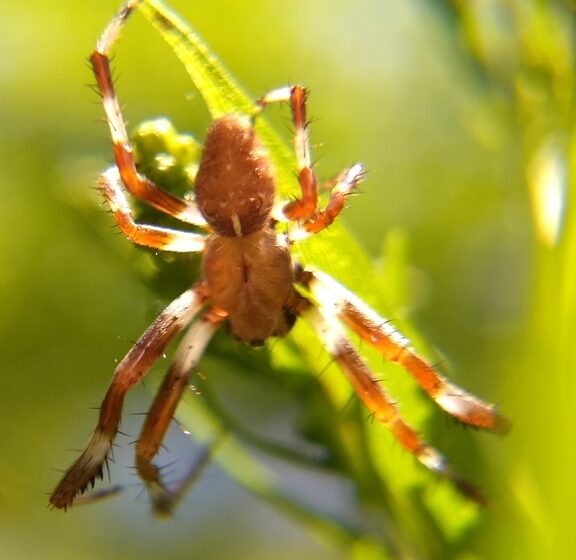
Take Your iNaturalist Photos to the Next Level
Smartphone cameras are a critical citizen science tool for documenting phenology and species presence, and the primary multimedia format submitted to iNaturalist Vermont. But smartphone cameras are notoriously poor at taking close up photos, and most of us don’t walk around with a digital SLR camera complete with a macro lens. What’s an iNaturalist to do?
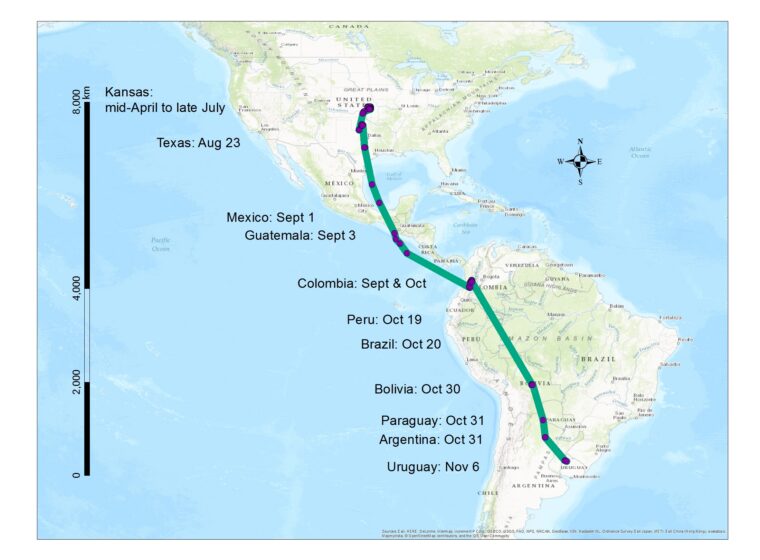
VCE Tracks Upland Sandpiper Across 10 Countries During Fall Migration
The results of our grassland bird research partnership with the Department of Defense Legacy Program have been eye-opening. This past summer we outfitted 15 Upland Sandpipers with satellite tags at…
Connecting People and Places via Migratory Birds
Tracking grassland birds with satellite tags is all about understanding their year-round movements. And it’s also about connecting people and lands along the bird’s migratory path.
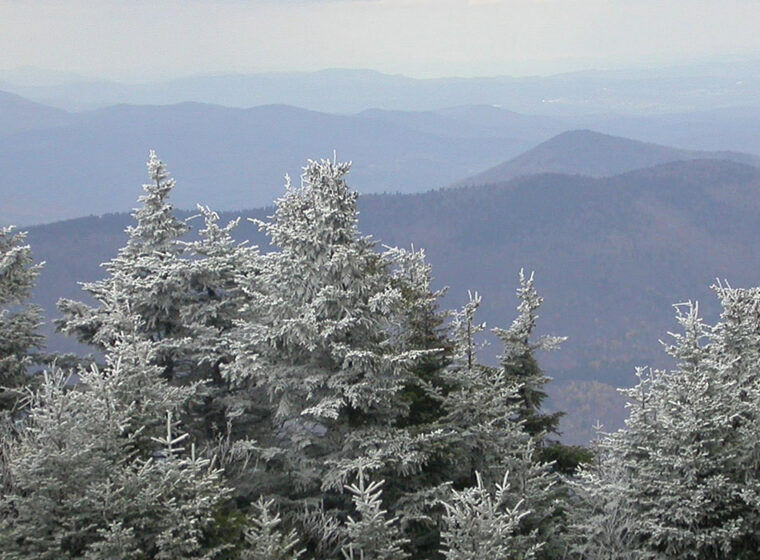
Tracking Birds Has Never Been So Easy, Yet So Hard
Even we have to admit that tracking satellite-tagged Upland Sandpipers (Bartramia longicauda), from our smartphones, while we sip coffee, is pretty incredible…and downright easy. So what’s the hard part?
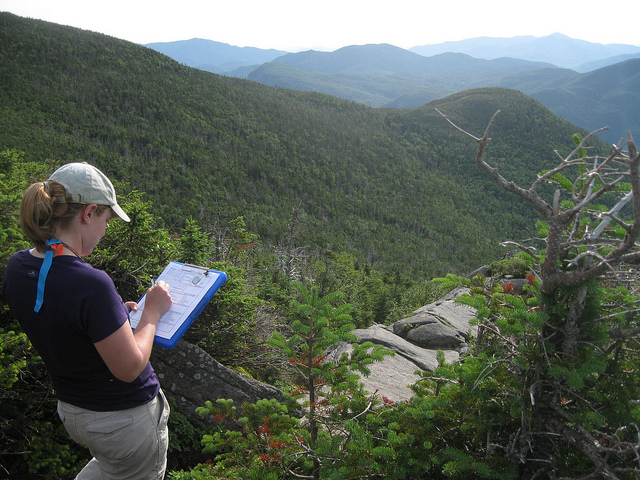
Counting Birds: When Zeros Equal One or More
We’ve all been there. A friend visits from out of town, and you take them birding at a reliable spot for your locally uncommon bird—say, Yellow-bellied Flycatcher. After hours of listening and walking around the woods, your search turns up empty. “I don’t get it,” you apologetically exclaim to your friend, “they are usually here—I just saw one yesterday.”
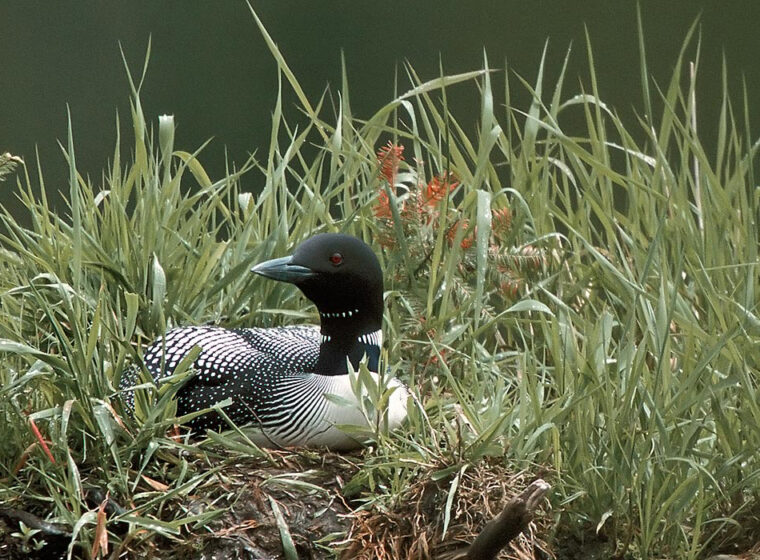
A New Opportunity for Citizen Scientists: Resighting Color-banded Birds
Want to be a field ornithologist? Here’s your chance. We invite all citizen scientists, regardless of their ability or birding experience, to participate in this collaborative endeavor.
Lifting the Curtain on Grassland Bird Migration
Grassland bird migration is a mystery that VCE is helping to unlock, thanks to the use of cutting edge technology. This summer VCE biologists, Roz Renfrew and Jason Hill, are…
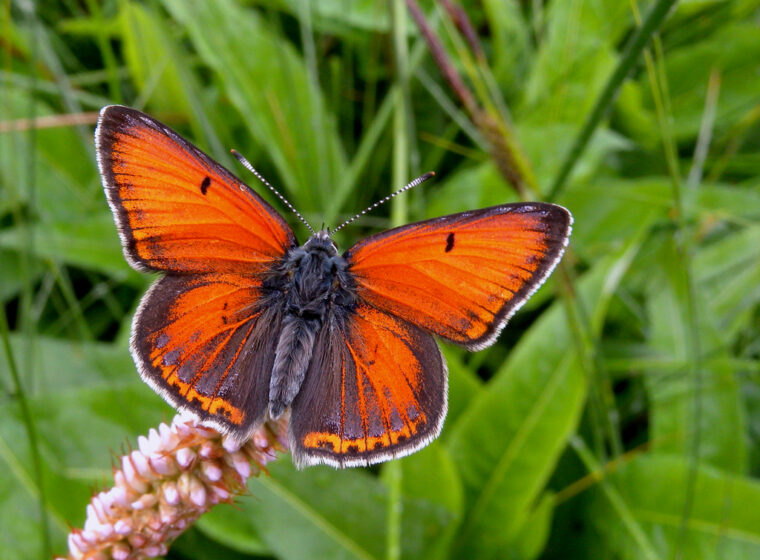
Increasing Nitrogen Loads Change Butterfly and Moth Communities
You may have known that excess nitrogen pollution detrimentally affects watershed health. New research shows that increased atmospheric nitrogen loads can also cause changes to plant, butterfly, and moth communities.