Posts by Kent McFarland
Over 1,000 New Ocean Fish Species
Over 1,000 new-to-science marine fish species have been described since 2008 – an average of more than 10 per month – according to scientists completing a consolidated inventory of all known ocean life.
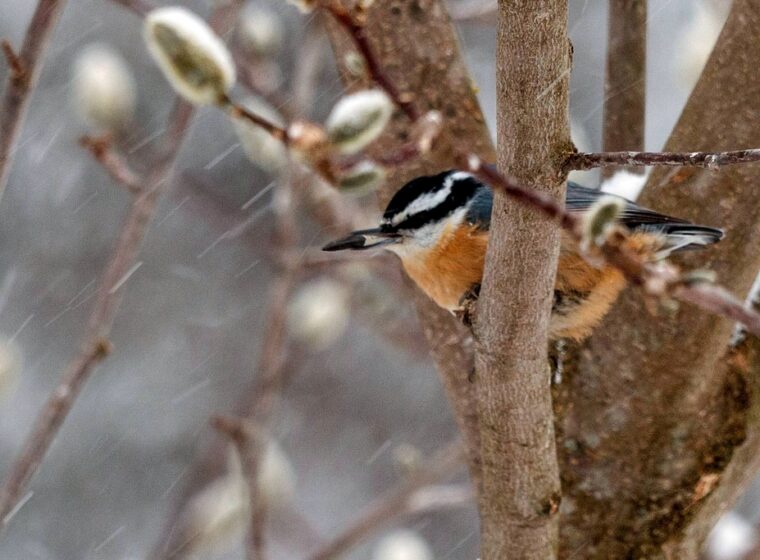
February Photo-observation of the Month
Congratulations to Joshua Lincoln for winning the iNaturalist Vermont February photo-observation of the month contest.
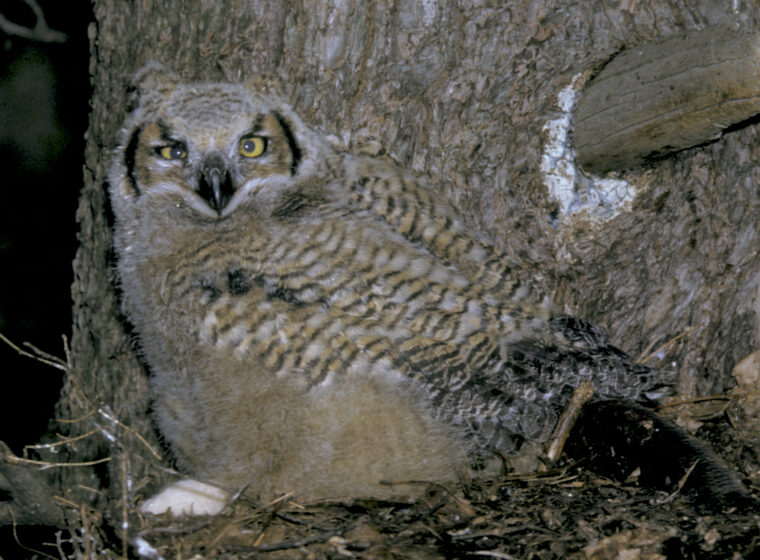
A Field Guide to March 2015
On Friday, March 20th at 6:45 PM spring arrives in the north. While the sun may be predictable, March weather is not.
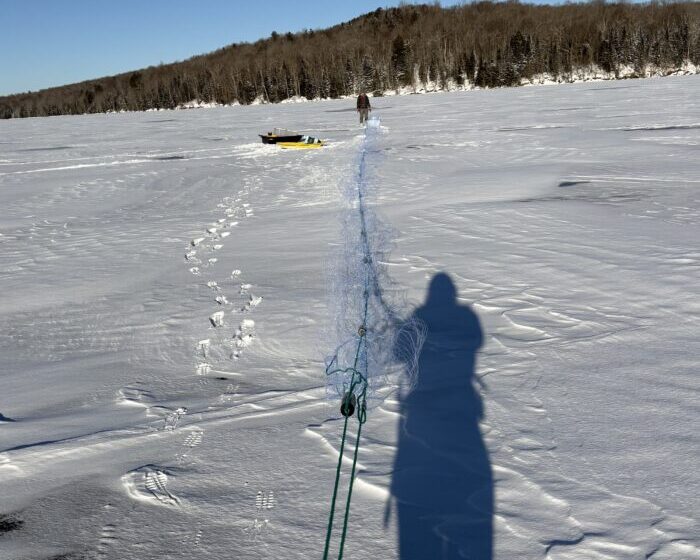
Ghosts from the Arctic
Like ghosts from the Arctic, snowy owls have descended from the far north this winter. They’re showing up in fields, along highways and even in a few backyards.
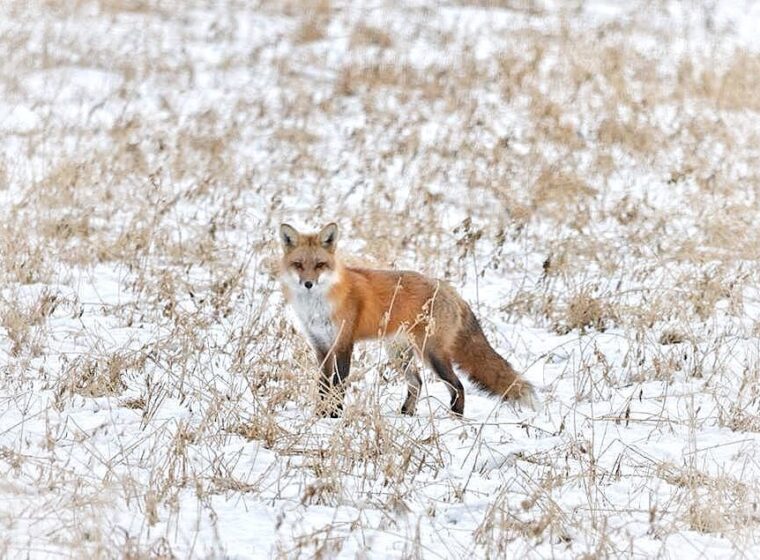
iNaturalist Vermont January Photo-observation of the Month
Congratulations to iNaturalist Vermont user “rebelgirl73” for winning the January photo-observation of the month. Her image of a Red Fox (Vulpes vulpes) staring at us in a snow covered field won by…

A Field Guide to February
On February 5, wildlife and the rest of us here in New England crossed a threshold – arbitrary yet not insignificant: 10 hours of daylight. You can sense it when you head out in the morning: Black-capped Chickadees, Northern Cardinals and European Starlings are among birds breaking out into song. Even though we’ve got lots more winter, we’ve also got change. So here’s a Field Guide to February.
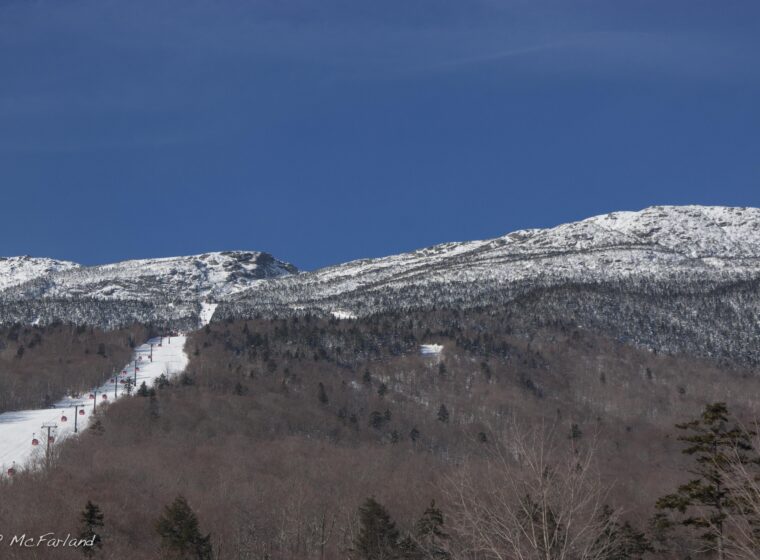
Outdoor Radio: Exploring the Trees On Vermont’s Highest Peak
When you’re on a ski lift or hiking up one of Vermont’s mountains see if you can spot the different forest types while you climb up the mountainside. Outdoor Radio hosts Sara Zahendra and Kent McFarland recently rode the gondola at Stowe Mountain Resort to check out the trees on Vermont’s highest peak, Mount Mansfield. Join them on their trip and learn about mountain trees.
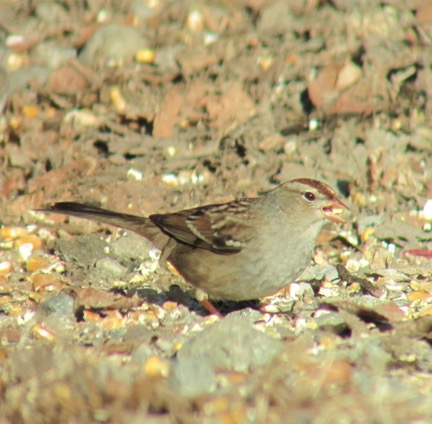
Off to the Races with Vermont eBird
Just about everyone who enters their bird data on Vermont eBird, a project of the Vermont Atlas of Life, is no doubt aware that some species can be identified in the field to recognizable races, Red-shafted and Yellow-shafted flickers or Eastern and Western Palm warblers are well-known examples. Although some species can be easily separated into races (but by no means all of them! Some are quite tricky.), many observers do not record their birds down to race when possible. But we really should when we can. Here’s why…
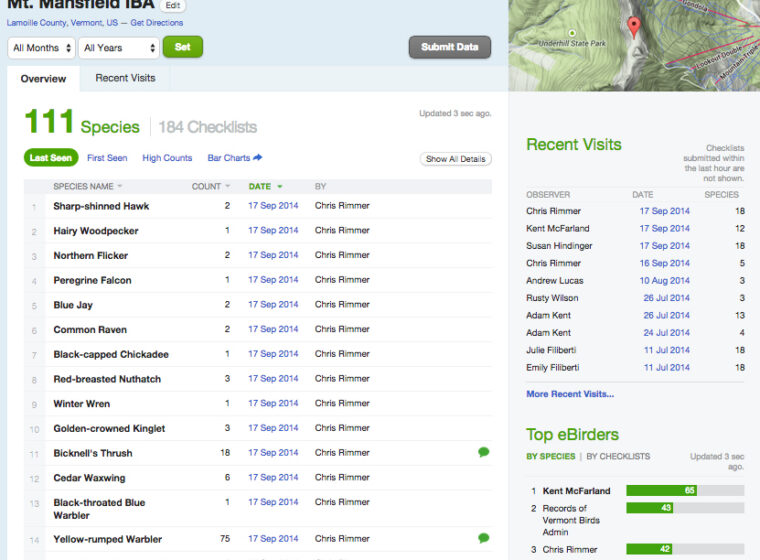
Finding New Vermont Birding Hotspots Near You
Discover the best places for birding nearby or around the world using the Vermont eBird hotspot explorer. You can explore Vermont eBird hotspots in a map-based tool designed to provide quick access to all the information you need. Thanks to suggestions from Vermont eBirders, we have recently added numerous Vermont eBird hotspots for the main ridge and high peaks of the Green Mountains from Mt. Mansfield to Middlebury Gap.
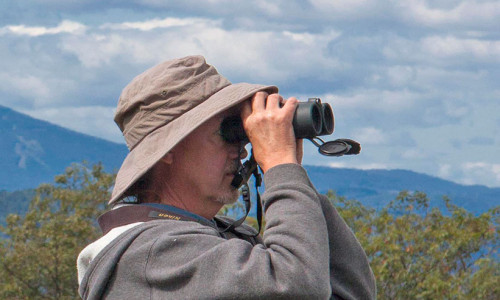
Champions Crowned for 4th Annual Vermont County eBird Quest
From the predawn hoot of a Great Horned Owl on January 1st to a Hoary Redpoll at a feeder during the waning days of 2014, hundreds of Vermont birders scoured fields and fens, mountains and meadows, lakes and lawns to discover as many species as possible during a single calendar year. The 4th annual Vermont County eBird Quest pitted county versus county, birder against birder — all engaged in a friendly rivalry for top birding honors.
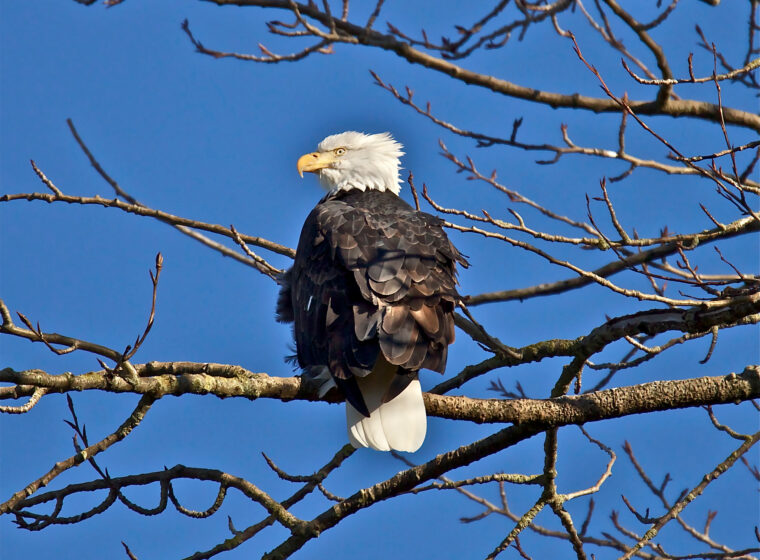
A Field Guide to January
Although the days are slowly growing longer, life in the Northeast now finds itself in the coldest depths of winter. January is about survival. Wildlife that doesn’t migrate adapts instead in order to make it to spring.
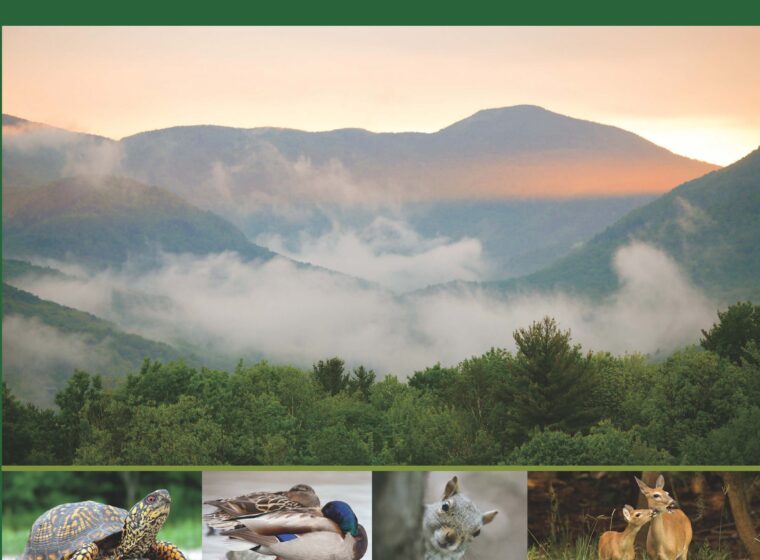
Vermont Fish & Wildlife Publishes Landowner’s Habitat Management Guide
The Vermont Fish & Wildlife Department is announcing the release of the long-awaited book entitled A Landowner’s Guide – Wildlife Habitat Management for Lands in Vermont. The book is a comprehensive guide to wildlife habitat management on private lands. It is filled with colorful photos and helpful tips.