Posts by Vermont Center for Ecostudies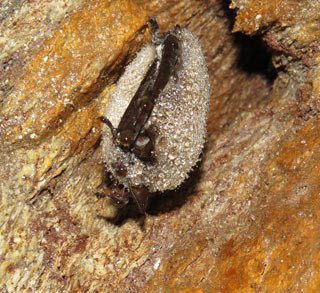
NH Winter Bat Surveys Reveal Decreasing Population
Recent surveys for bats in New Hampshire hibernacula, places where bats spend the winter, resulted in biologists finding a total of only 26 bats. In 2008, the same hibernacula had nearly 4,000 bats.
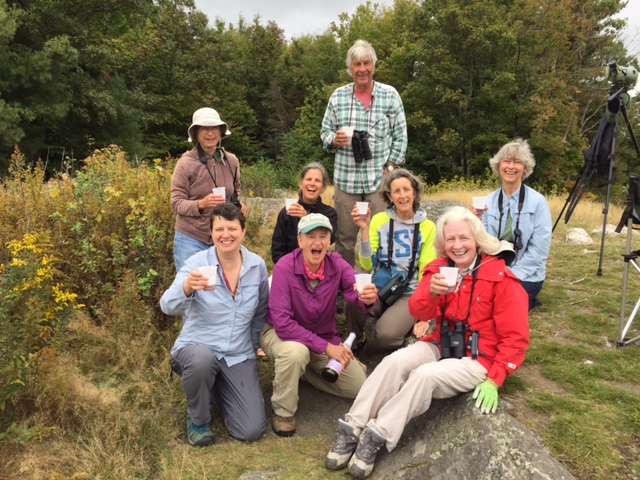
A Record Breaking Season for Putney Mountain Hawkwatch
Putney Mountain, Vermont’s only hawkwatch operated every day during fall migration, tallied a record 14,823 raptors this year, with an unprecedented Broad-winged Hawk flight.
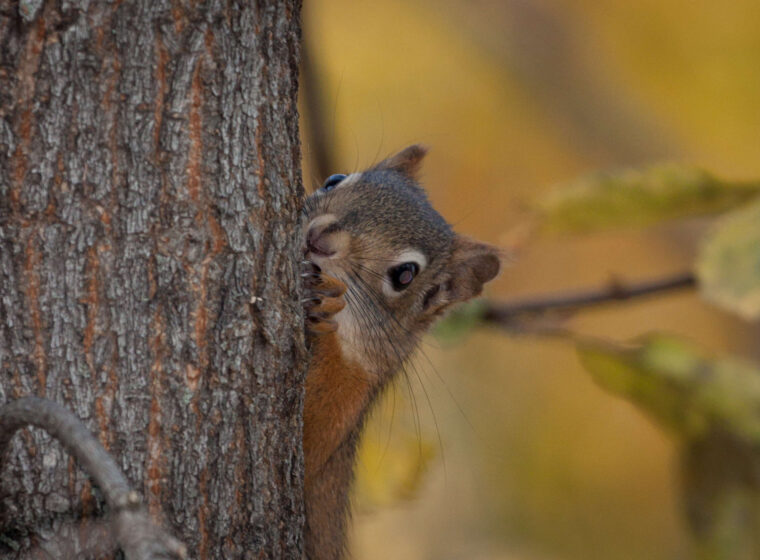
Reflections of a Mountain Birdwatcher
Mike got to thinking about his first Mountain Birdwatch (MBW) survey route. It was on Maine’s West Kennebago Mt., which he only surveyed from 2007-2009 before the route was discontinued when MBW was revised in 2010. But in that decade that has passed, he’s seen a lot of changes.
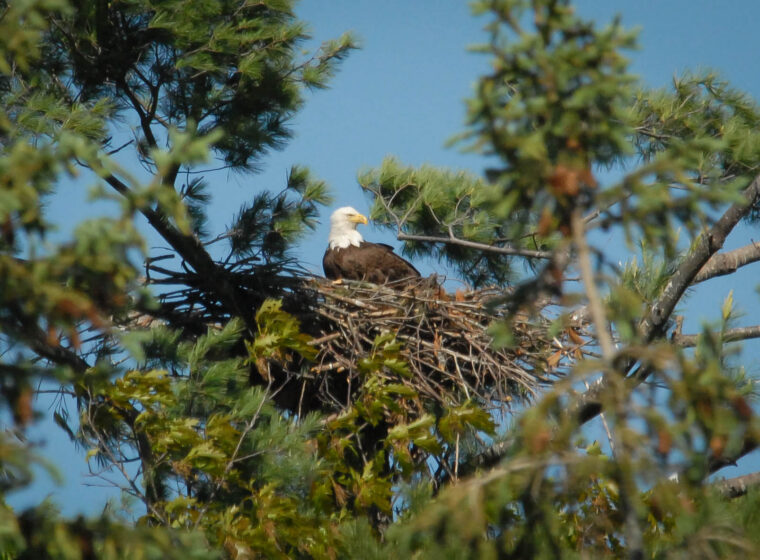
Vermont Bald Eagles Nest in Record Numbers in 2017 – Peregrine Falcons, Common Terns, and Loons also successful
Vermont’s Bald Eagle population continued its recovery in 2017. Twenty-one pairs of adult Bald Eagles successfully produced 35 young in Vermont in 2017, a modern-day record.
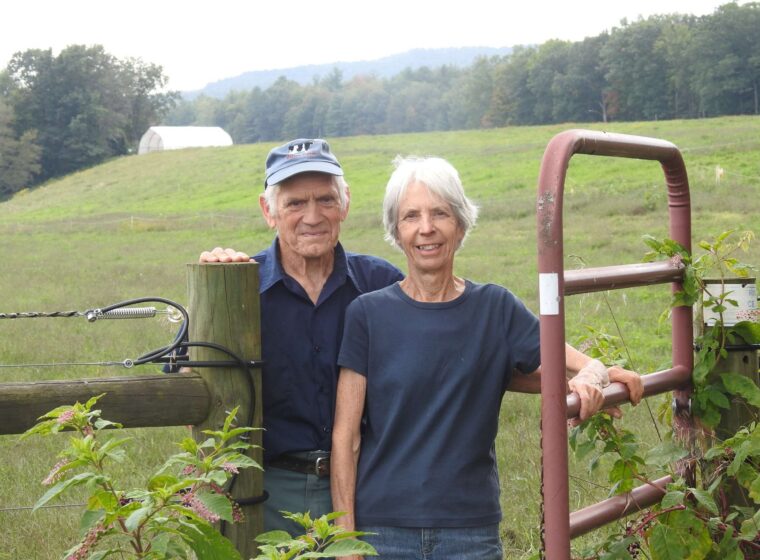
Making Room for Meadowlarks
Once a regular summer breeder, Eastern Meadowlarks have been declining across much of New England. So when a pair of meadowlarks was spotted on Miller Farm in southern Vermont, I wasted no time. Paul and Mary Miller agreed to meet with me the next day.

New VCE Study Reveals Population Health of Mountain Songbirds
A 16-year study by VCE of mountain forest songbirds across New York and New England, including thrushes, warblers and other iconic species, has documented their population changes.
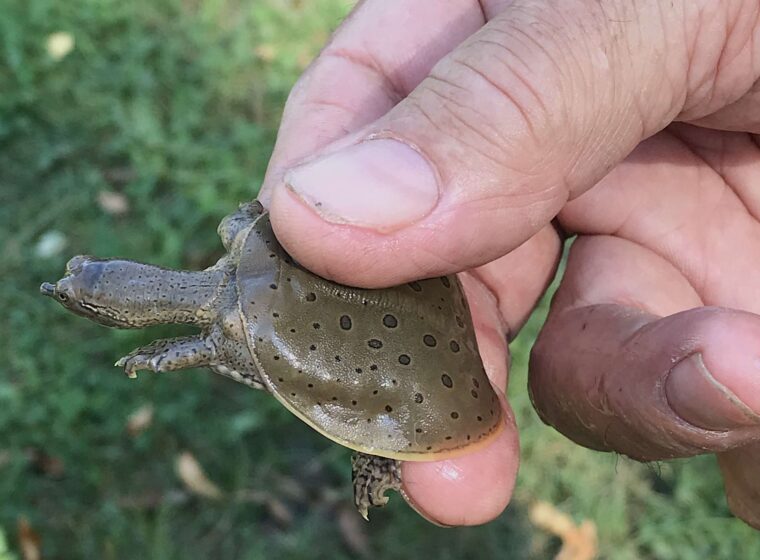
Take a Time Out for Turtles: Volunteers Needed for Nesting Beach Clean Up Day
The annual spiny softshell turtle beach cleanup day is on Saturday, October 21, and Vermont Fish & Wildlife is looking for volunteers to help.
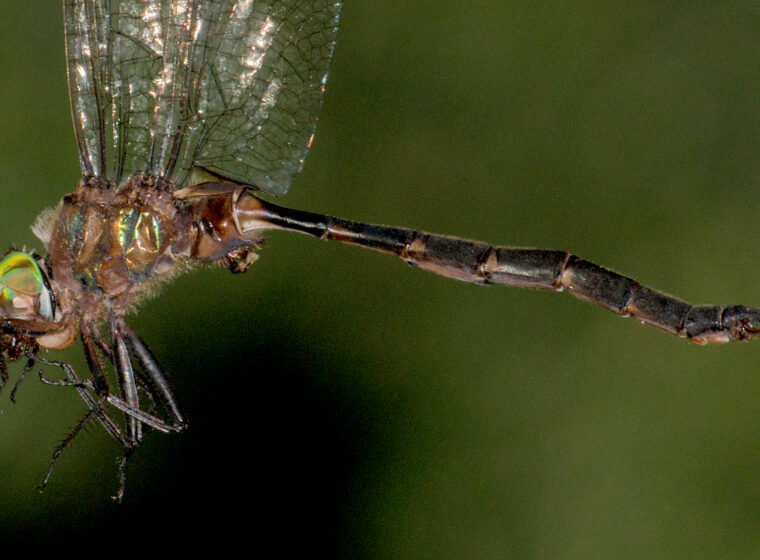
An Emerald Discovered in Victory
Mike Blust and Josh Lincoln had a plan hatched by a fellow naturalist. Hike deep into the forest to a bog in northeast Vermont and find a rare emerald dragonfly that had never been seen in Vermont. Read about their trials and tribulations that led to elation at discovering this beautiful insect for the Vermont Damselfly and Dragonfly Atlas.
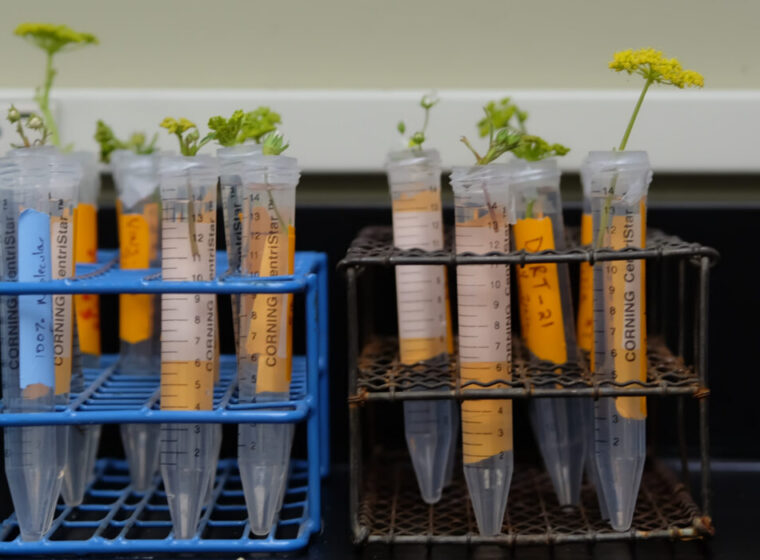
Down Year for Piping Plovers in New Hampshire
t was a difficult summer for the state-endangered and federally threatened Piping Plovers on Hampton and Seabrook beaches this year. This summer, three pairs nested on Hampton Beach, while on Seabrook Beach four pairs of plovers nested.
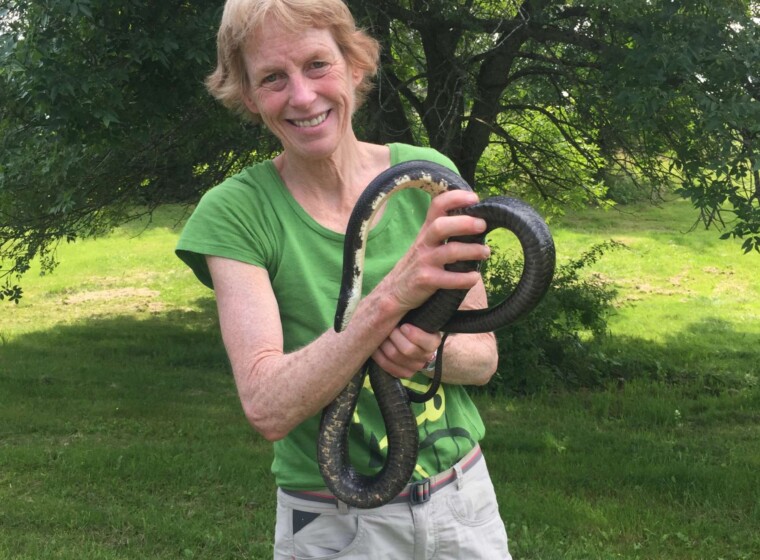
Vermont Initiates Study of Threatened Eastern Ratsnake
The Vermont Fish & Wildlife Department is cooperating in a three-year study of an isolated population of Eastern Ratsnakes, a species that is listed as ‘Threatened’ under the State’s endangered species law. Read more…
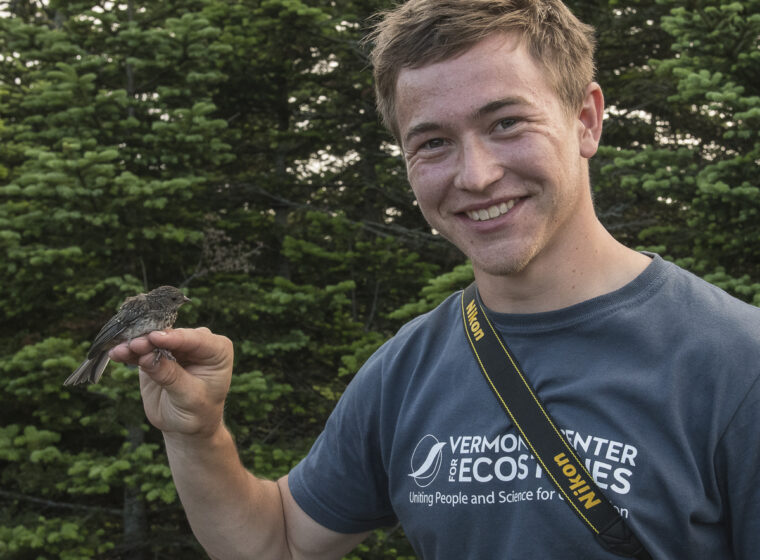
Memories of a Summer Bird Banding on Mt. Mansfield
Nate Launer, VCE’s 2017 Alexander Dickey Conservation Intern, shares his reflections on banding birds at our long-term study site on Mt. Mansfield. After five overnight field trips in July and early August, Nate gained proficiency in handling and banding small songbirds like Bicknell’s Thrush and Blackpoll Warbler.
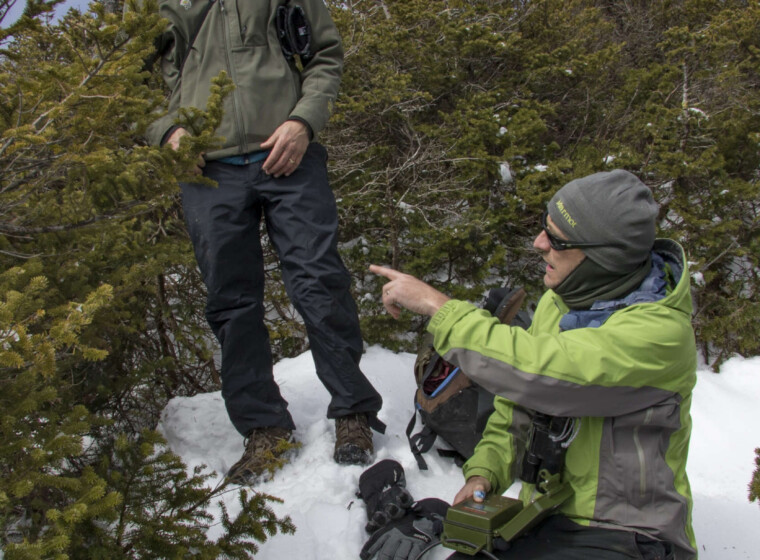
VCE Director of Science Named Elective Member of American Ornithological Society
John Lloyd, VCE’s Director of Science, was named as an Elective Member of the American Ornithological Society during the Society’s 135th annual meeting in August. Elective Members are selected by their peers for their significant contributions to ornithology or service to the society.