Posts by Vermont Center for Ecostudies
 Field Guide to May 2020
The month of May is a show-off. Grass glows green under blue skies. Woodland wildflowers break out of the ground and demand attention. Trees flower and leaves burst from long-dormant buds. Songbirds arrive on southern night winds and liven the dawn with a chorus of song. May shouts of life and rejuvenation. Here’s a few bits of natural history for your May days.
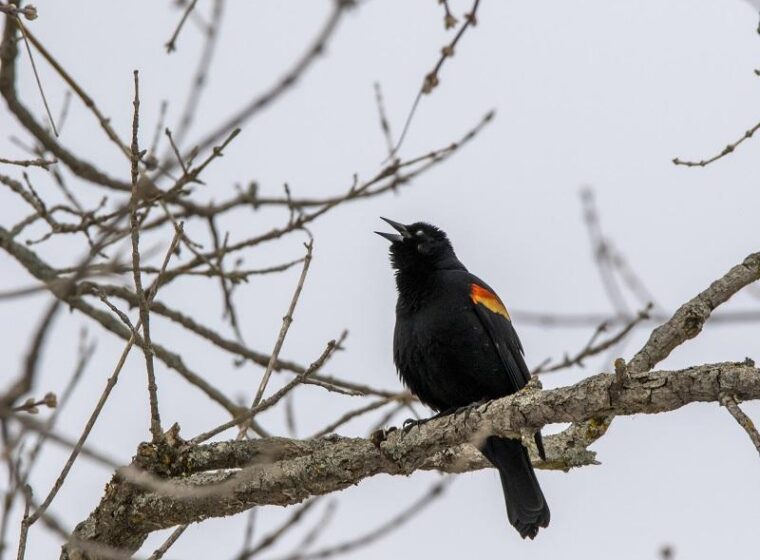
Outdoor Radio: Red-winged Blackbirds Signal the Arrival of Spring
In this episode of Outdoor Radio, on a cold spring day as they listen to songs and calls of male Red-winged Blackbirds setting up and guarding their breeding territories. Learn about their interesting mating system and other natural history and then get out and watch them near you.
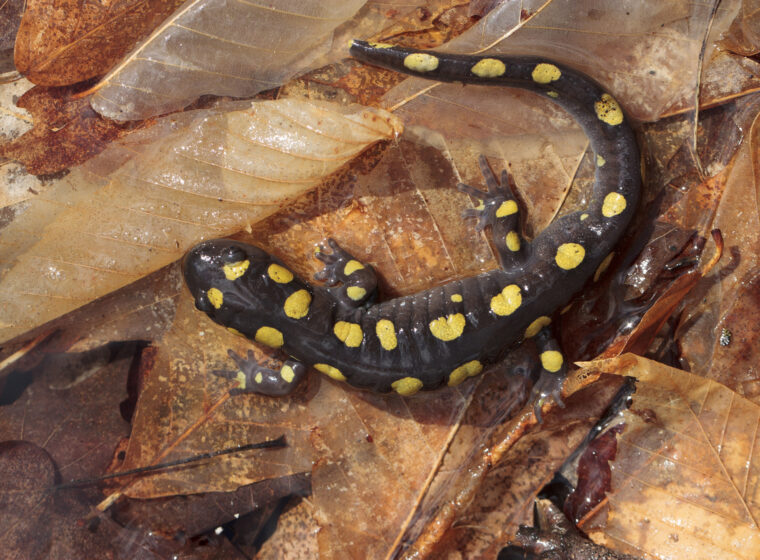
Field Guide to April
In April, the northern forest is laid bare with cold desire and our long dormant senses awaken. Here’s our guide to some of the joys of April.
Vermont Center for Ecostudies Operations Update in Response to COVID-19
In light of the current public health crisis, we at VCE want to update you on our evolving operational changes, and let you know about steps we are taking to keep our staff, volunteers, and communities safe and healthy.
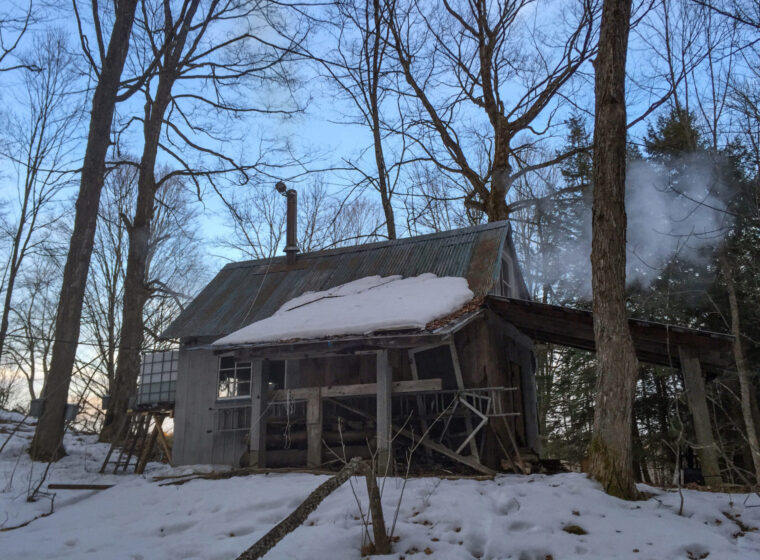
Field Guide to March 2020
March is a month of battles between warm and cold, between winter’s refusal to leave and spring’s insistence on coming. So, here are some signs of spring to look out for in this Field Guide to March.
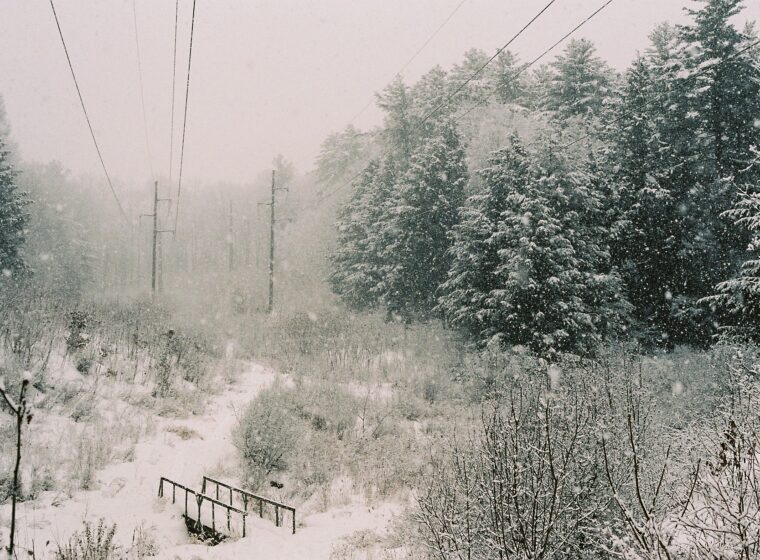
Field Guide to February 2020
February marks an important turning point. Although winter may continue to grip us for a little while longer, the landscape is preparing for change. So here’s a Field Guide to February to keep your spirits up.
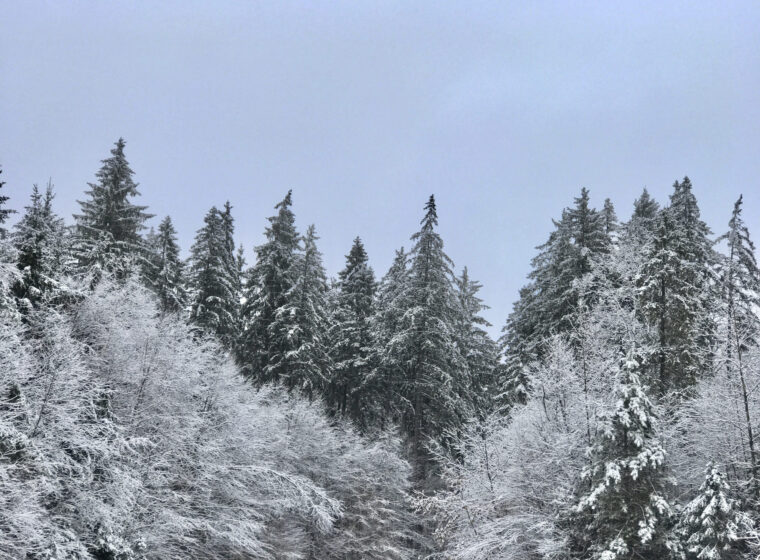
Field Guide to January 2020
Although the days are slowly growing longer, life in the Northeast now finds itself in the coldest depths of winter. January is about survival. Wildlife that doesn’t migrate adapts instead in order to make it to spring. Here’s a few tidbits of natural history happening outdoors this month around you.
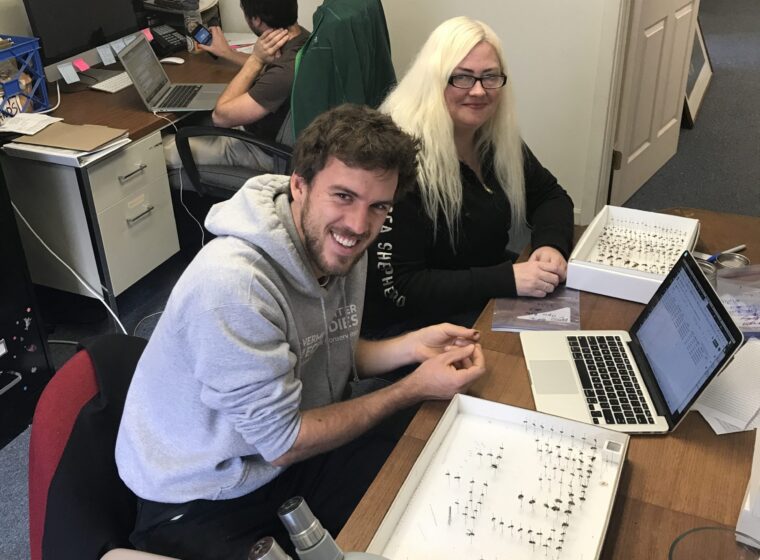
Vermont Wild Bee Survey Records Over 9,000 Bees in 2019
The Vermont Wild Bee Survey reached a milestone when it processed the 7,680th and final bee specimen from our 2019 survey. In just one year, this citizen science effort has amassed the largest collection of bees ever assembled in Vermont.
Field Guide to December 2019
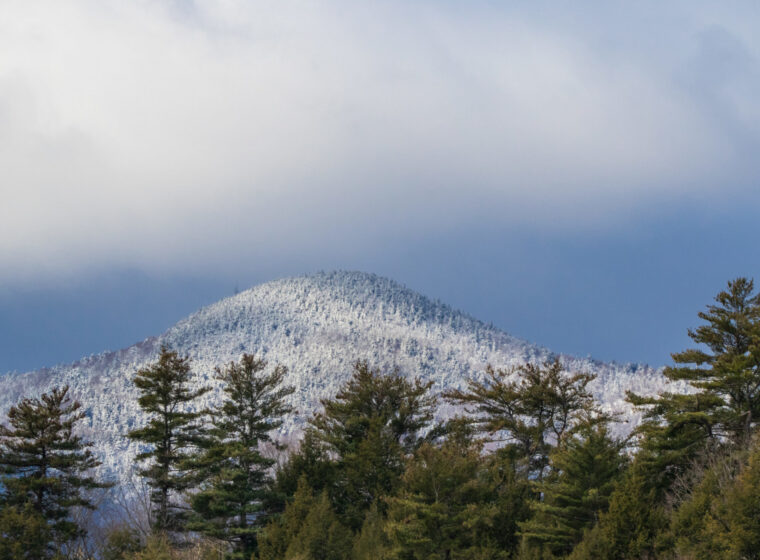
Even during these short days and long nights of December, there’s still plenty of life in the fading light. Once we pass the winter solstice, which strikes at precisely 11:19 PM on December 21st, more light will begin to creep back. Until then, here’s some wintry natural history to keep you going.
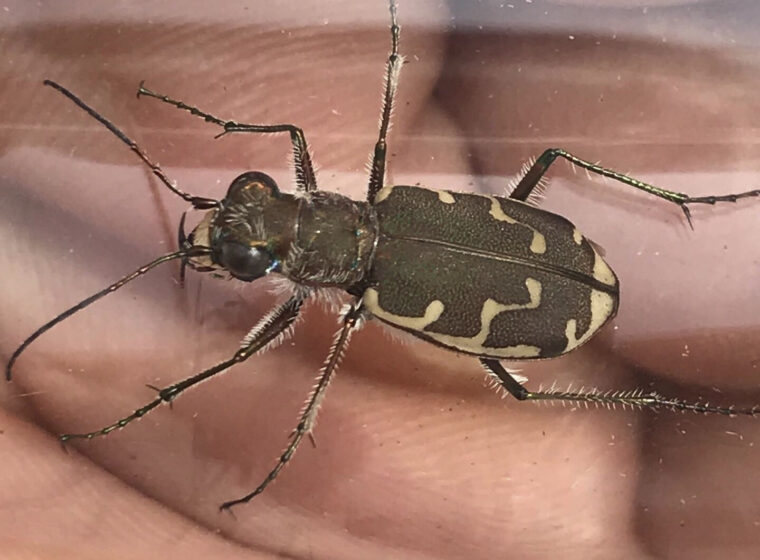
Outdoor Radio: Hunting for Tiny But Ferocious Tiger Beetles
In this episode of Outdoor Radio, we join Mark Ferguson of the Vermont Fish & Wildlife Department along the Winooski River searching for tiger beetles and their larva holes.
Field Guide to November 2019
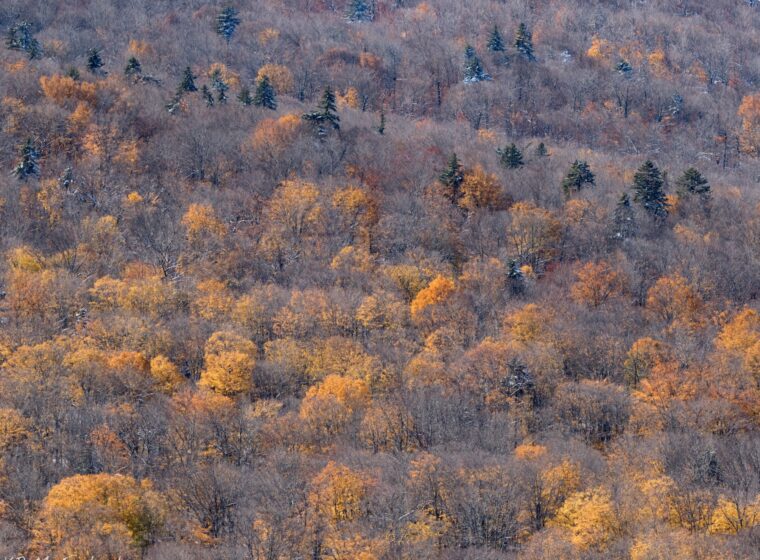
As leaves continue to fall and the first flakes begin to fly, the oncoming cold weather seems to bring nature to a standstill. On the contrary, there remains a lot to be discovered in Vermont during this transitional period. Learn more in our Field Guide to November.
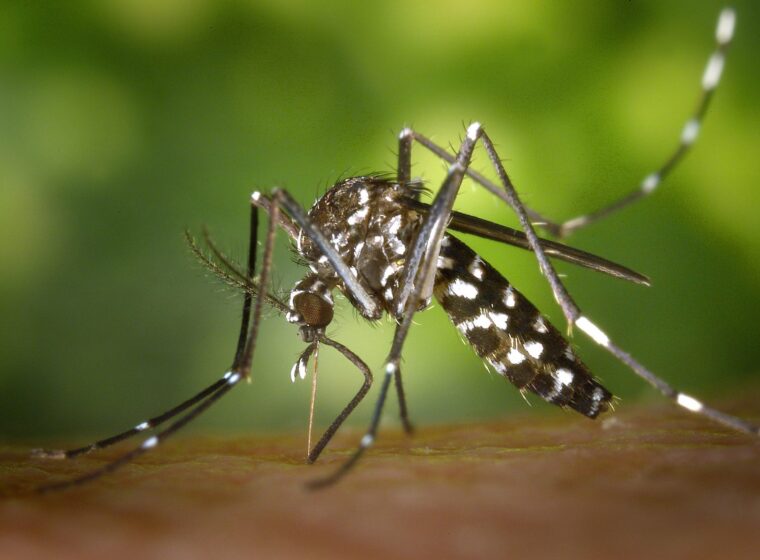
Asian Tiger Mosquito Found in Vermont
State Agriculture and Health officials announced that the Asian Tiger mosquito (Aedes albopictus) has been identified for the first time in Vermont. This normally tropical/subtropical species is a known disease vector for Zika, chikungunya and dengue viruses, infecting humans in countries where these diseases are present. The mosquitoes found in Vermont do not currently carry these viruses.