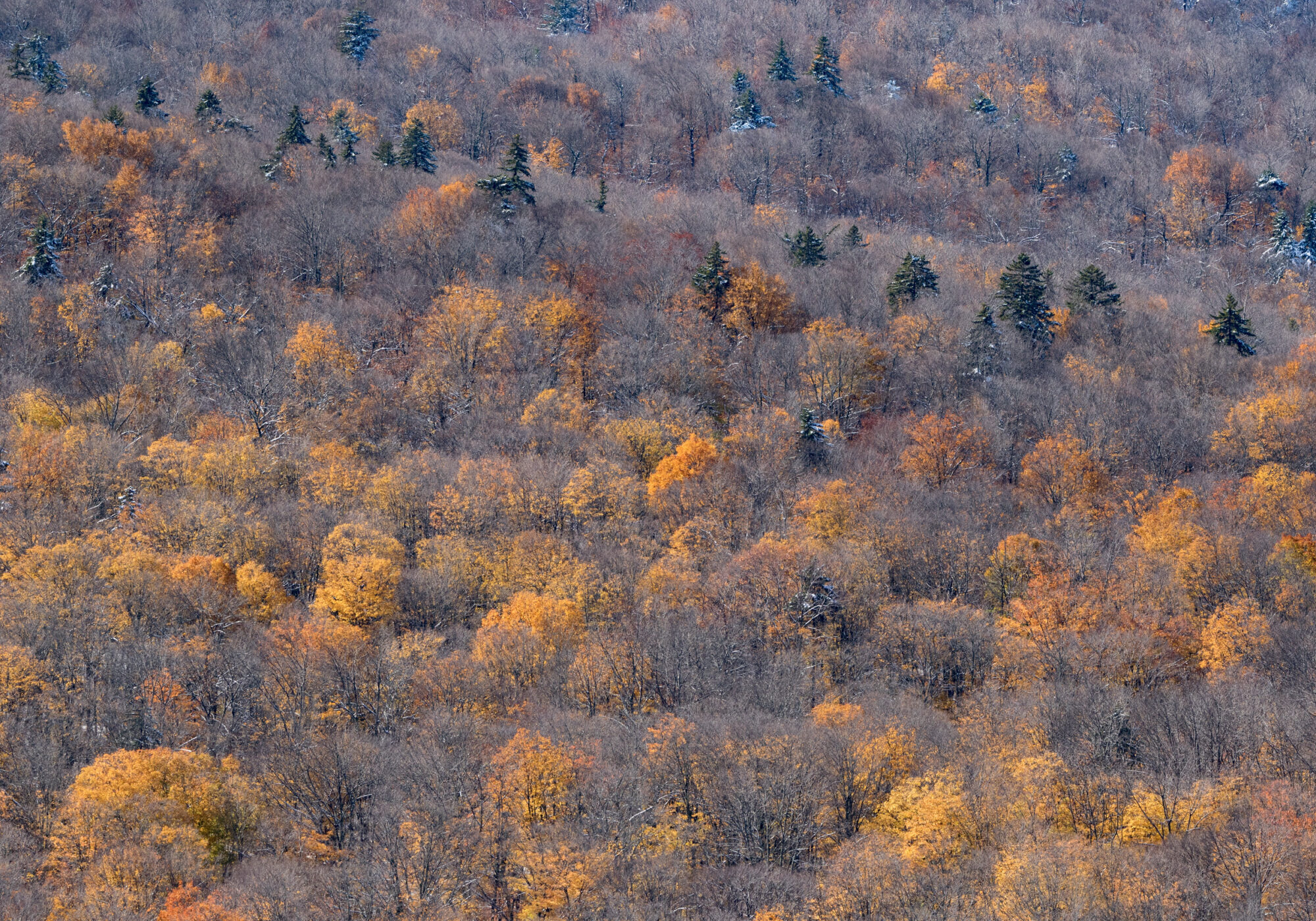
Late autumn
© Kent McFarland
The plants and animals of the Northeast are well into the process of prepping for that first dusting of snow. Porcupines are waddling into their winter dens, birds are joining up to look for food, and humans are closing down their gardens. Here's what to look for as we head into November.
By Jill DeVito
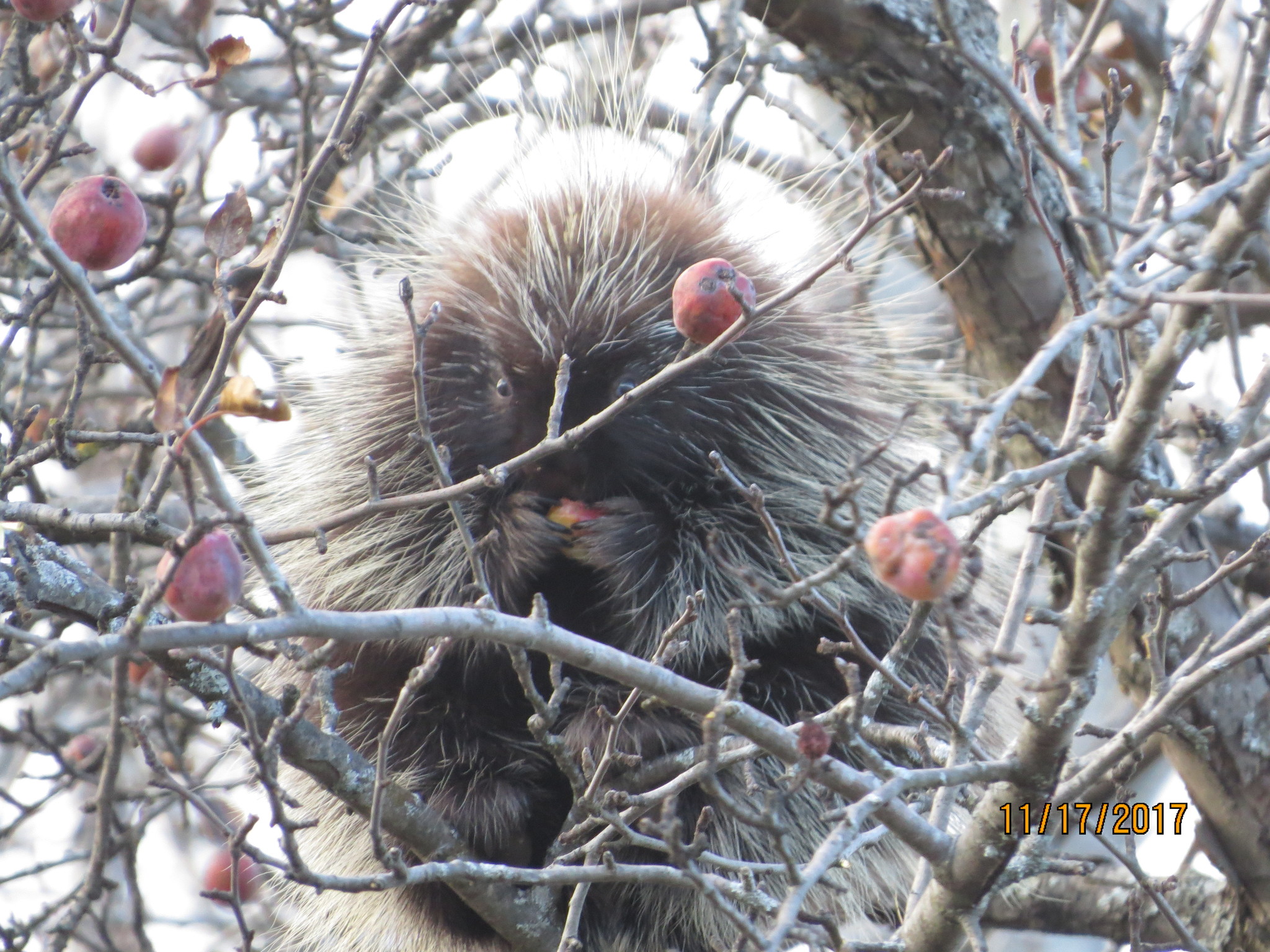
It’s nippy November now, and many of our local rodents have been stocking their pantries for winter. Scurrying squirrels have been caching their nuts and seeds, and busy beavers have been staging leafy branches near their underwater doorways. But what of the prickly porcupine?
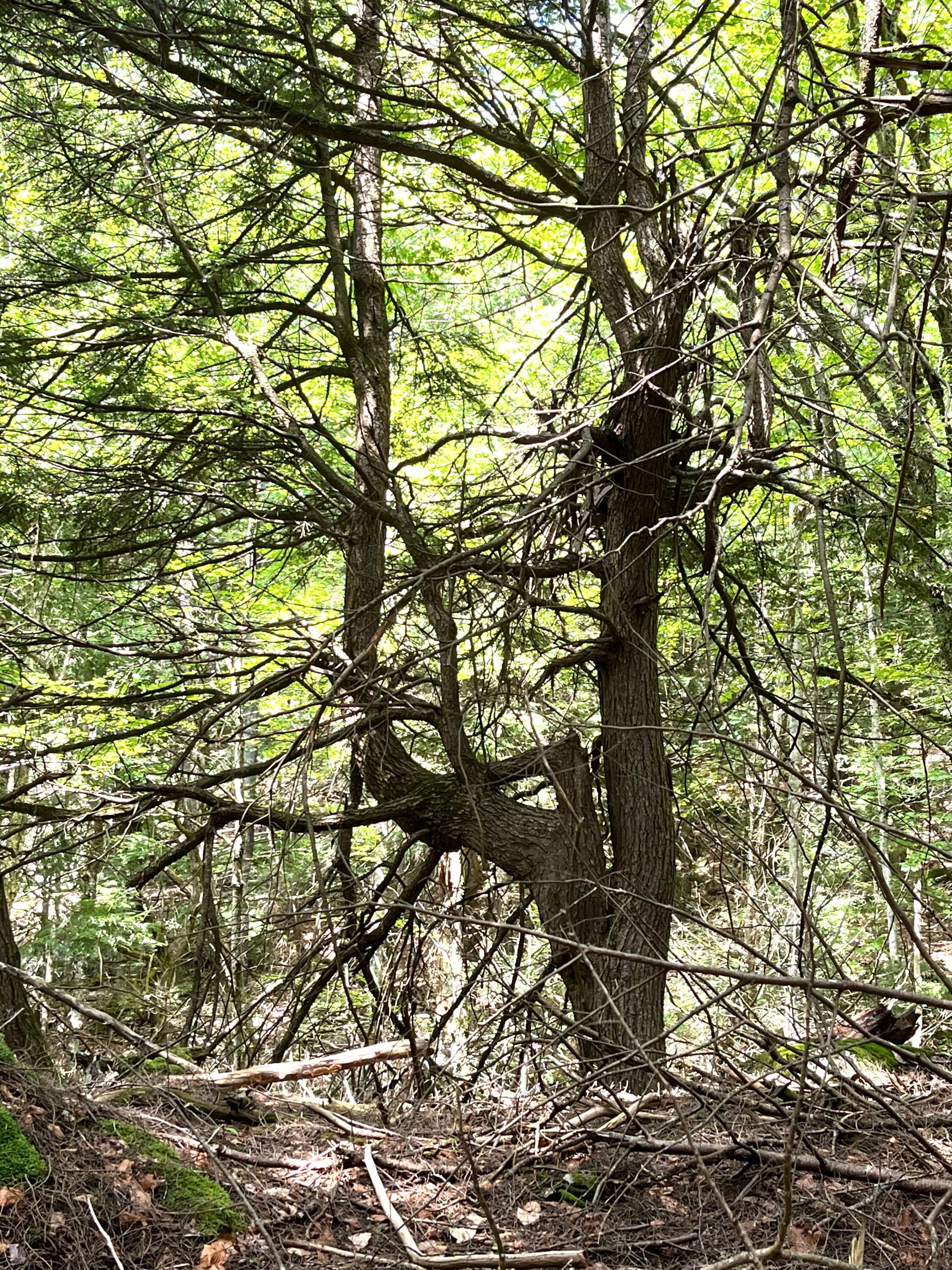
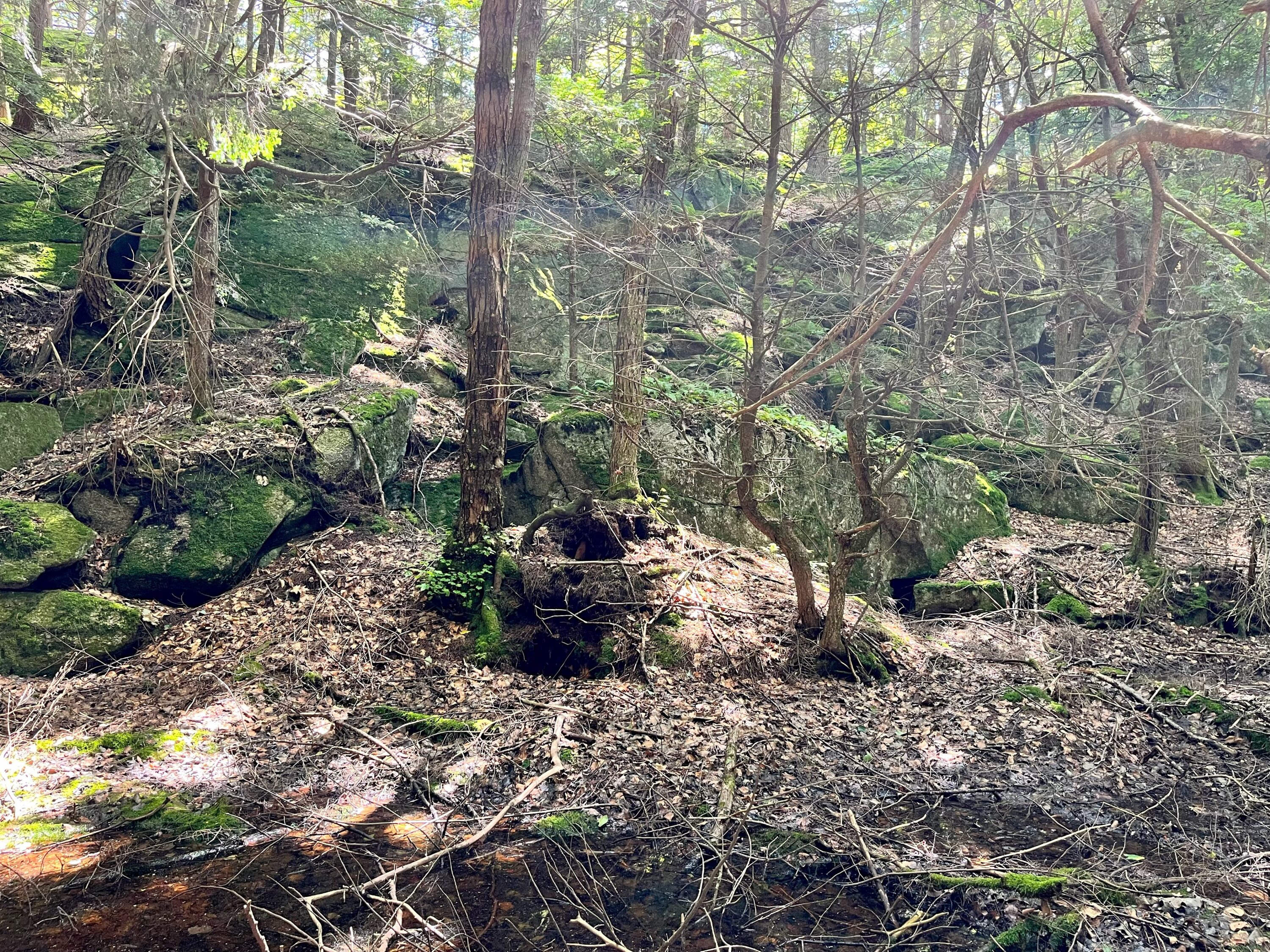
I’ve wondered that myself. I’m reminded of a summer nature hike, when our guide led the group to an eerie landscape where the forest itself bore the scars of a North American Porcupine (Erethizon dorsatum) winter denning site. The vertical rock ledge nearby was pocked with cozy crevices.
Imagine a dozen porcupines snowed in for the season, gnawing their way down from the tender tops of the very same conifers that protected this sheltered hollow from the extremes of wind and snow. The trees were gnarled and warped, with branches poking out at odd angles. Some had not survived.
Not all porcupines spend their winter in communal denning sites like this one, but all will be tested by the cold and snowy months ahead. They won’t be able to drag their low-slung, heavy bodies very far through the snow in search of the plants they prefer to eat.
By now they’ve already scouted out spots much smaller than they’ve used for the rest of the year, where they will forage on trees. A young male born in the spring has likely carved out his winter survival space in the same general area where he was born. A young female has likely wandered farther afield to establish a new territory of her own. If she makes it to adulthood, her wanderlust will have increased her chances of mating with an unrelated male. Porcupine mating season peaks toward the end of each fall, so adult males have been fighting for females while trying to bulk up for the winter. And adult females bracing for the winter are already eating for two!
If it’s a warmer week, they are taking their last chance to stock up—not on food stores, but fat stores. They’ve already taken advantage of the tender offerings of spring and summer: foliage, fruits, and phloem (the living layer of bark) from many tree species. Now they’re finishing up their fall feast of acorns (and beech nuts, if they can find them).
They’ll need a snug hidey hole nearby to wait out the worst of the weather, but they won’t be settling in for a long nap. A porcupine saves energy by moving around less, but it maintains a constant body temperature in the same range as our own. It has a dense layer of fur hiding under those quills and guard hairs, along with an impressively thick layer of body fat. And it’s hiding another superpower—a digestive system optimized to retain nitrogen. Where other mammals would burn muscle tissue, the porcupine metabolizes only fat when high-quality food is scarce. With the advance of snow and cold, they’ll stick closer to home and do their best to survive on the needles, branches, and bark of Eastern Hemlock and Eastern White Pine.
Look for leftover “nip twigs” lying on the snow this winter, dropped beneath a tree where a porcupine has been feeding. And keep your eyes open all year round for the twisted trees where a prickle of porcupines have spent their toughest months. But if you should encounter the animal itself before the cold sets in, you might see evidence of fat stores under those thorny defenses: a slightly wider waddle!
By Ryan Rebozo
Gardeners who want to support biodiversity pay close attention to things like flowering time, structure (plants of different sizes and heights that are utilized by different species), and resources available for birds and pollinators, such as seeds, nectar, and pollen. As days get shorter and the growing season comes to its end, many of these same gardeners will rake, cut back, and otherwise “clean” their gardens in preparation for the dormant season.
But from a wildlife perspective, a clean garden is a barren one. The stems, leaves, seed heads, and brush that were removed are the very infrastructure that carries the wildlife visiting your garden through the coldest months. And in northern New England, the time between first frost in the fall and last frost in the spring accounts for most of our year.
With a few deliberate choices this fall, gardens both large and small can become a winter refuge for wildlife and emerge more productive in spring.
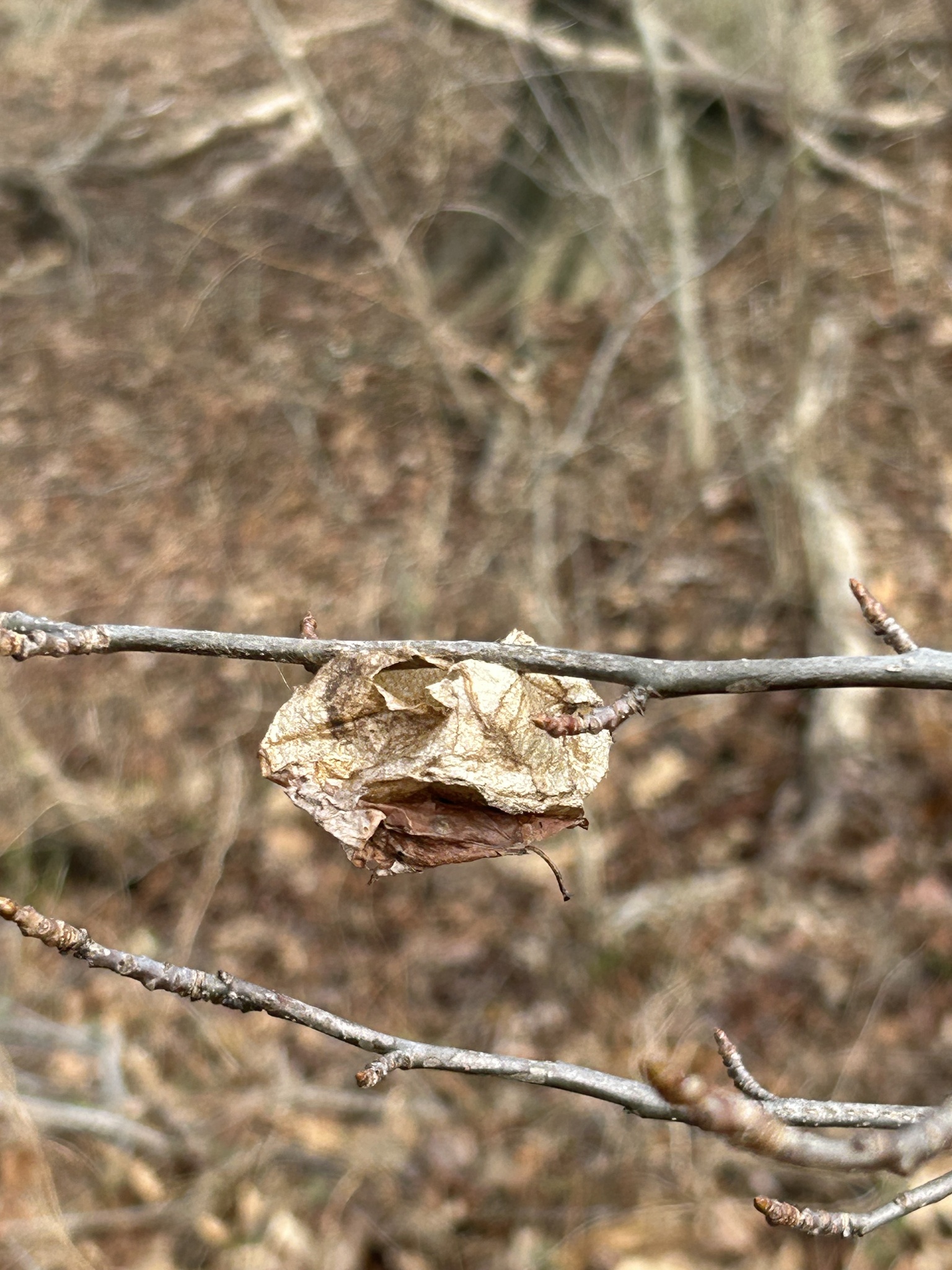
Leave the leaves: Fallen leaves provide structure and also feed the soil. Much like mulching rows in your vegetable garden, a layer of leaves can help insulate the soil before a winter snowpack develops. These leaves also provide shelter for a number of overwintering wildlife. Luna Moths (Actias luna) and many other silk moths pass the winter in cocoons wrapped in leaf litter. Woolly bear caterpillars (genus Nyctemera), firefly larvae (family Lampyridae), Red-banded Hairstreaks (Calycopis cecrops), and countless ground beetles all depend on that layer. Salamanders, toads, and shrews forage and shelter beneath it. As these leaves are broken down by invertebrates and fungi, they become an important source of carbon and organic matter that feed the soil below.
If you do rake leaves from your lawn, you can redistribute them to your garden or under shrubs and trees to help build up that important leaf-litter layer.
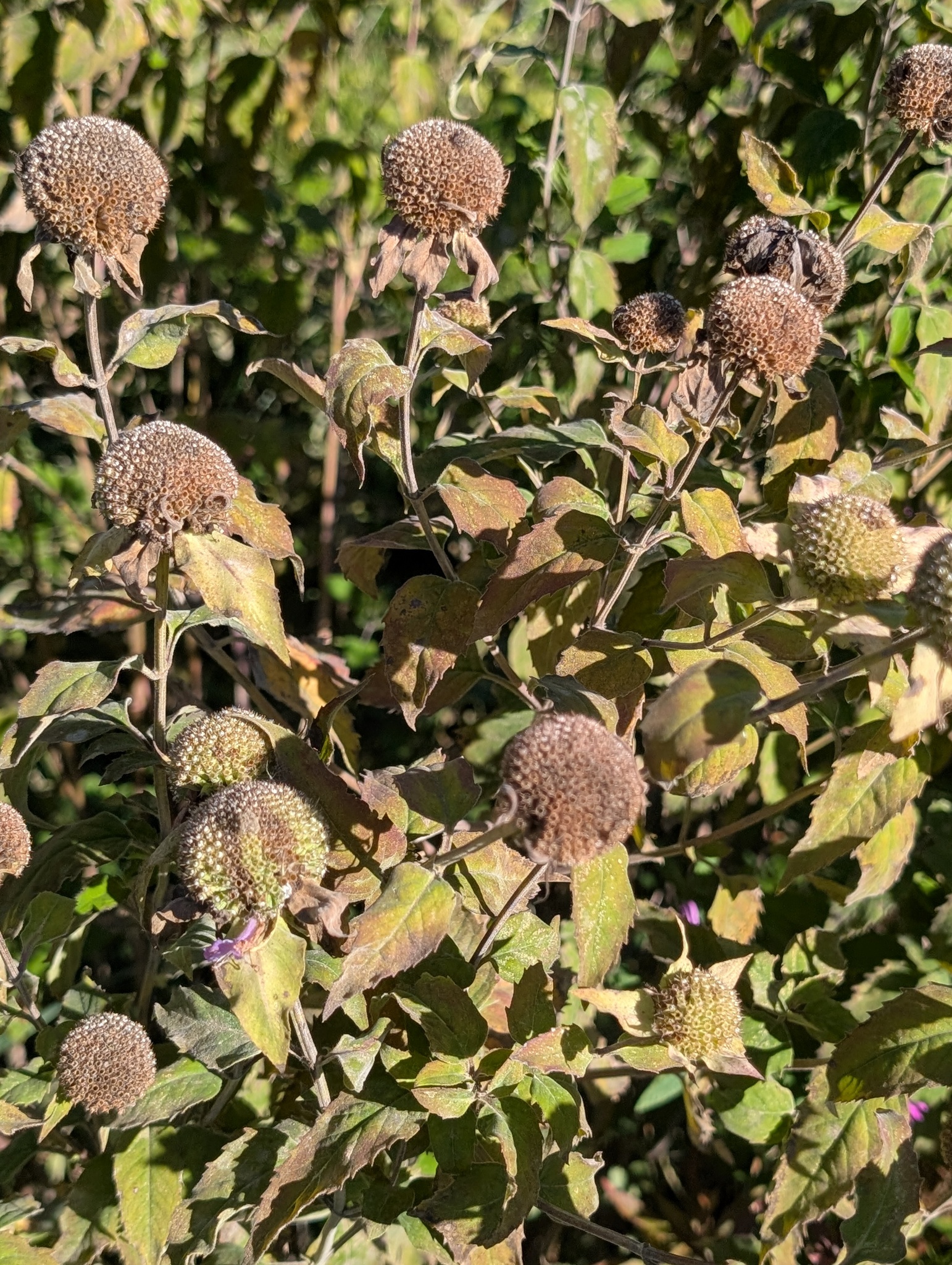
Save the deadheads: The dried stems of perennial plants are often cut back to produce a more manicured appearance in gardens. These stems are often either hollow or pithy, which make them great overwintering habitat for many insects, including bees. More than a quarter of Vermont’s 352 bee species are thought to be cavity nesters. These bees, which include mason (genus Osmia) and leaf cutter (genus Megachile) bees, lay eggs in cavities such as hollow stems for their offspring to develop and emerge as adults the following year. Many of the native plant species commonly used in pollinator gardens fit this role, including elderberry (genus Sambucas), Spotted Joe-Pye Weed (Eutrochium maculatum), Wild Bergamot (Monarda fistulosa, which you might know as Bee Balm), and some native sunflowers.
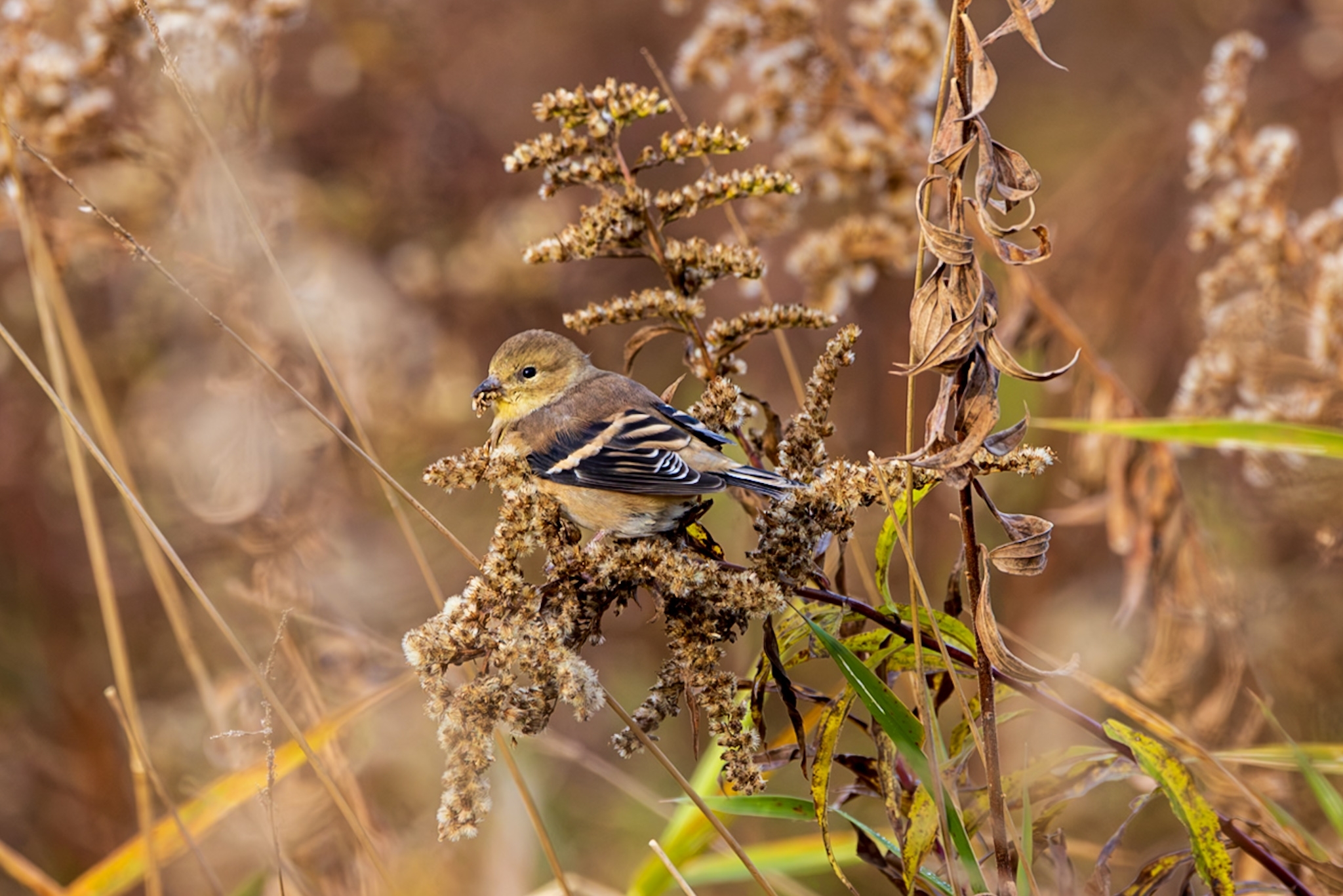
These standing stems may also include seed heads that are an important food source for nonmigratory birds. Ever wonder what Wild Turkeys eat in the winter? When there’s deep snow on the ground, flocks can often be found pecking at dried seed heads from the previous year’s growth. Coneflowers, asters, goldenrods, and native grasses hold seeds well into winter, drawing goldfinches, juncos, chickadees, and sparrows when other food is scarce.
A strategy for stems and limbs that do need to be cut would be to create a brush pile. This physical structure can provide overwintering cover for invertebrates, reptiles, and mammals alike. These can be tucked in corners of the yard to keep them out of sight and out of the way while still adding some structure to your landscape. Similarly, if a dead tree poses no hazard to structures or people, consider leaving it standing. Snags are particularly valuable wildlife habitat, hosting cavity-nesting birds, bats, and wood-boring insects that feed woodpeckers all winter.
Plant more perennials: Fall is also a great time to plant native perennials. The cooler temperatures mean newly planted plants do not dry out as quickly, reducing the amount of watering needed. Planting in the fall also gives the plants enough time to overcome transplanting stress and establish themselves in their new soil, setting the stage for new growth the following year.
Practice patience: When spring arrives and it’s time to work on the garden, try to give overwintering insects time to emerge. Cutting back stems or tilling soil too early in the season may destroy the nests of cavity- and ground-nesting bees, along with other beneficial insects. Species emerge in the spring at different times and at different rates. Look for a stretch of days that remain above 50 degrees as your sign that overwintering insects have emerged.
Doing less in your garden this fall can mean more: more nesting habitat, more bird food, and more overwintering wildlife. Incorporating these small changes means your garden can support biodiversity all 12 months of the year.
By Megan Massa
Winter is a time of scarcity. Gone is the glut of green caterpillars that fed birds through spring and summer. Berries ripen and slowly dwindle as the days grow shorter. In these lean times, birds must rely on seeds, berries, and any lingering insects sheltering under bark. Finding these resources is a major challenge that requires resilience, and a little help from friends.
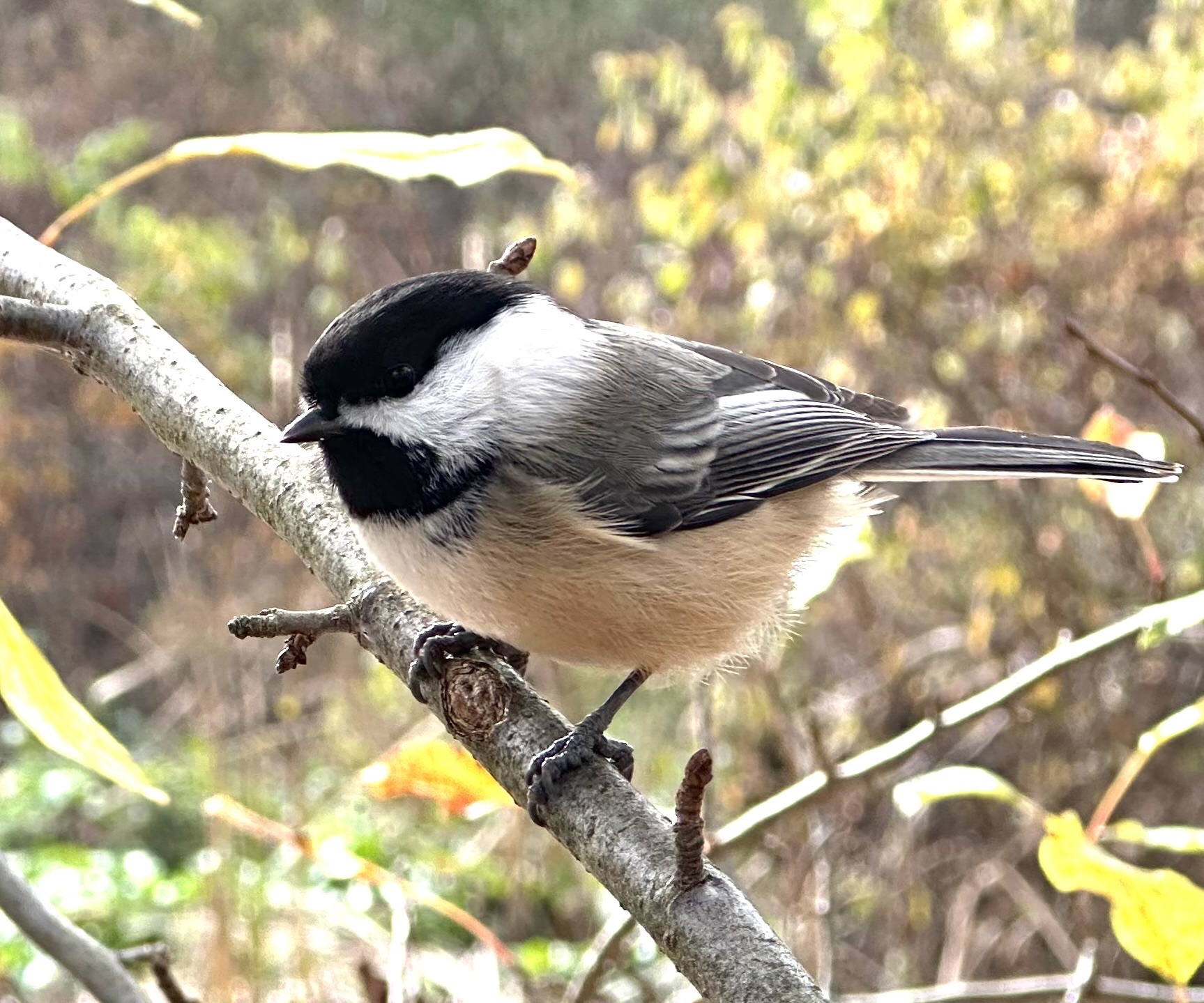
A mixed-species flock is a group of birds of different species traveling together, looking for food and keeping watch for predators. These flocks form in fall as birds finish breeding and stop defending their territories to instead roam in search of limited resources. In the Northeast, Black-capped Chickadees form the nucleus of a mixed flock, which may include 10 or so juvenile chickadees from multiple families. They are joined by many other species, including White-breasted and Red-breasted Nuthatches, Golden-crowned Kinglets, Tufted Titmice, and Downy Woodpeckers.
These winter flocks contain complex social relationships. Chickadees lead the flock’s movements and act as lookouts, sounding alarm calls to signal potential threats. The familiar “chick-a-dee-dee” call encodes information about how close, large, and dangerous a potential threat is, and other species have learned to listen in and respond to these calls. When a chickadee sounds the alarm, flock members of many species can join up and “mob” their foes. Young birds learn how to identify and respond to predators by the example of their elders during these mobbing events. Meanwhile, young chickadees form pair bonds within the flock, preparing to establish territories of their own in the spring.
Next time you’re out on a winter walk and hear that unmistakable “dee-dee-dee,” you can observe the hidden social world of birds working together to survive. Community science platforms like eBird allow anyone to contribute data on which species appear together. By entering your observations, you’re helping scientists understand how these complex relationships get birds through the winter.
So grab your binoculars and join the flock!