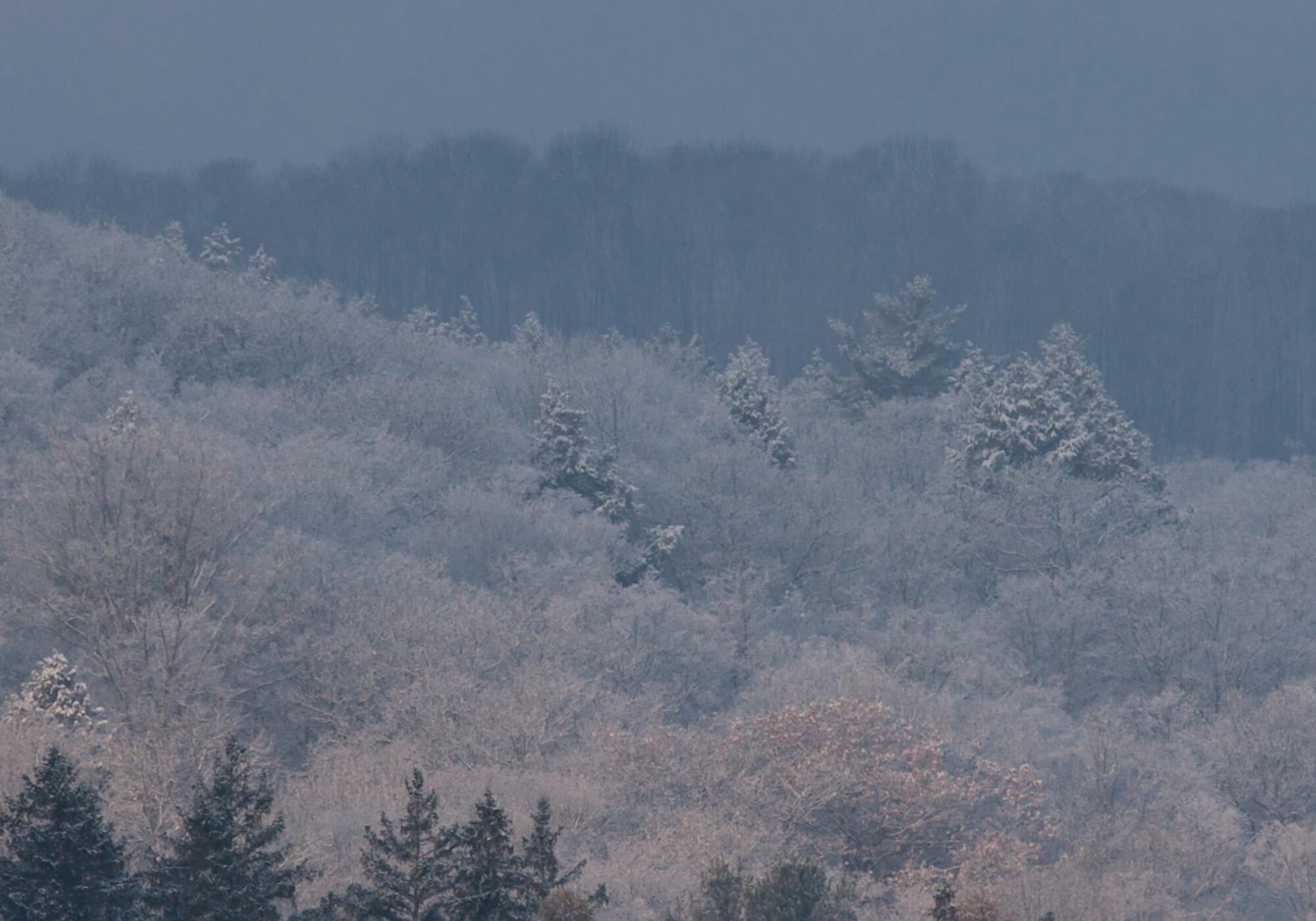
Winter
© Kent McFarland
Hibernation spans a broad physiological spectrum, from being completely conked out for 10 months underground to rousing occasionally to hunt or even breed in the deep snow of February. Here’s what, where, and how to find signs of life in this month’s most extreme conditions.
By Dana Williams
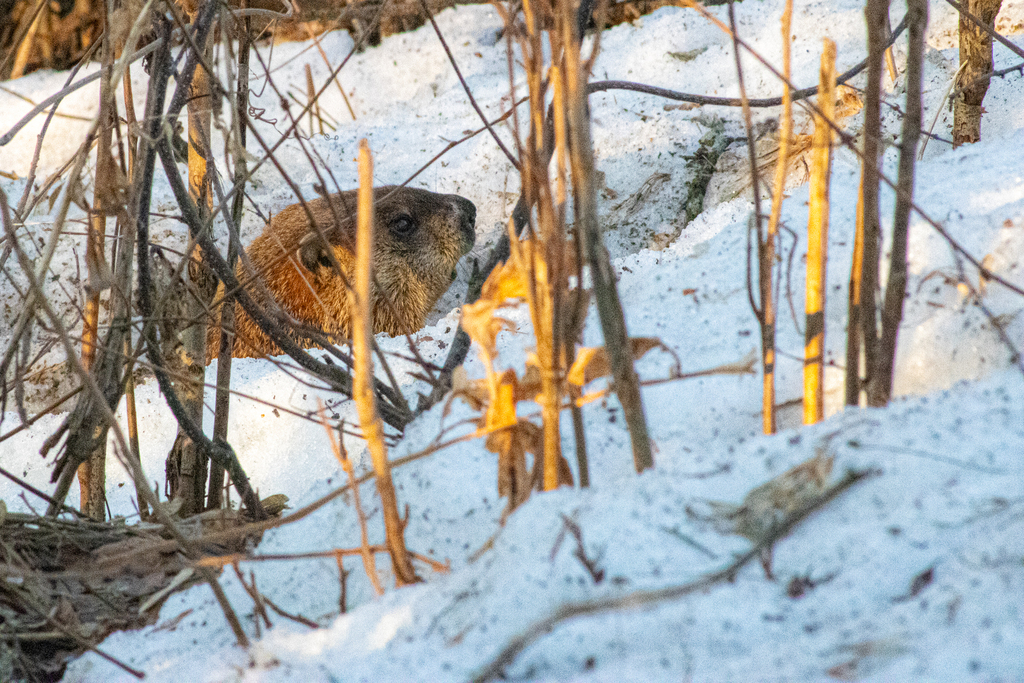
Every year since February 2nd, 1887, Punxsutawney Phil has woken from hibernation to cheering crowds seeking ground-squirrel weather divination (even though he’s right only 30% – 40% of the time).
But not all hibernating animals have adoring fans to indicate when it’s time to wake up. So how do animals know when to emerge from hibernation?
As I explained in Field Guide to November, hibernation is made up of prolonged bouts of torpor that may last multiple days or weeks. They are interrupted by brief periods of arousal, when the animal increases its body temperature to normal levels before returning to a torpid state. Animals awaken by self-warming using brown fat tissue, which can be broken down to release heat, or by the more energy-intensive strategy, shivering.
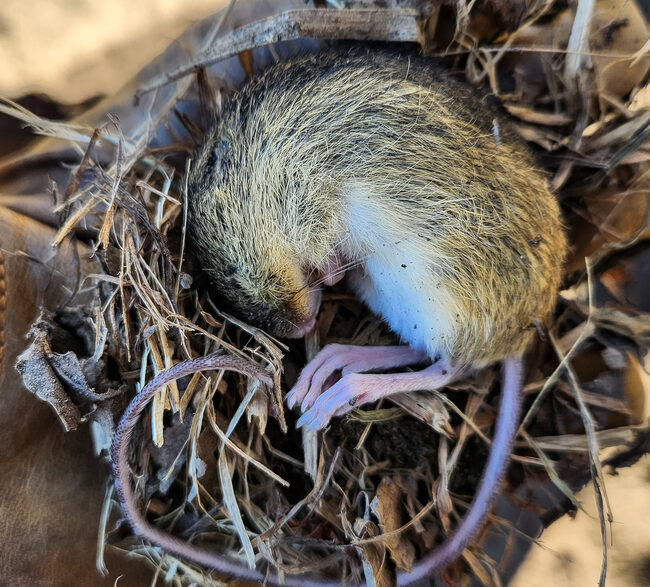
Hibernation, it turns out, ranges across a spectrum; species and even individuals differ in their hibernation strategies. There are differences in the body temperature they settle at, how long torpor bouts last, and how much they “wake up” in between. For instance, bears, which do not enter true hibernation, wake up enough to leave their dens and look for food if the weather gets warm enough. Meanwhile, the Northern Meadow Jumping Mouse, a true hibernator, will keep on sleeping through these brief warm spells.
The timing and frequency of awakenings depend on environmental or internal cues. Environmental cues can be things like temperature or photoperiod, the proportion of light and dark during a day. And the cues that animal respond to may change from photoperiod in the fall to temperature during the late winter and spring.
The Northern Meadow Jumping Mouse wakes up when the soil surrounding their winter nest starts to heat up in the spring. Various bat species, many of which are also true hibernators, note differences in airflow in their hibernacula caves due to temperature differences inside and outside of their cave. But some species like Woodchucks, which hibernate in deep burrows, are less likely to feel changes in temperature. These species rely on strong internal cycles called circadian rhythms.
Circadian rhythms occur most strongly in animals with predictable food and reproductive cycles. They give animals the time to prepare for daily or yearly environmental changes such as day/night cycles, seasonal weather changes, or food availability. Circannual rhythms, the longer-running version, run on a circadian clock comprised of a series of proteins that control the expression of certain genes, such as the ones that regulate body temperature. The mammalian clock is most often set based on photoperiod. Even in species that rely on their internal clock, there may still be some effect from the environment. For the Woodchuck’s relative, the Yellow-bellied Marmot, emergence from hibernation has been advancing as spring temperatures get warmer earlier.
As you might guess, this intricate process is being disrupted by climate change. Higher temperatures warm burrows, shorten torpor bouts, and lead to unnecessary arousal periods during which animals burn precious energy. When animals emerge from hibernation, their number one goal is to eat to replenish all the calories they lost over the season. But early warming spells lead to earlier emergence and animals may awaken before their food is available or lose their food to a late-season cold snap. However, there is hope. Some researchers believe that the diversity of hibernation strategies among individuals and among species may provide animals with the flexibility to adapt.
When he is not making weather predictions or educating school children about hibernation, Punxsutawney Phil used to live in a luxury natural habitat at the local library (cared for by the local Groundhog club). Perhaps the artificial photoperiod of the fluorescent lights and cozy temperatures had something to do with his poor prediction rate. Recently, he started a family and has moved permanently to a new home at Gobbler’s Knob, the site of the Groundhog Day festival.
We can only hope his prediction rate will improve now that he’s settled into his new home.
By Spencer Hardy and Jason Hill
We don’t know a lot of people who aren’t, at least occasionally, vulnerable to cabin fever after a few months of the cold and dark of winter. And we’re willing to wager that even the most ardent chionophile—a lover of snow—wouldn’t sign up for 11 months of darkness; yet, that is exactly what some of our native bees do.
As explained in part one and part two of this series, our native bees use a range of strategies to persist through the cold months. Bumble bees and sweat bees mate in the fall and only the females persist through the winter, while both carpenter bee males and females fatten up prior to overwintering as adults. The third major strategy—explored here in the third and final part of this series on wintering bees—involves bees overwintering without leaving the nest where they were born.
All bees start life as an egg on a ball of pollen in some type of nest. If all goes well, that egg hatches, the larva consumes the pollen, pupates, and eventually emerges as an adult when its preferred flowers are blooming. For many specialized bees, the flowers they depend on are only blooming for a handful of weeks each year, meaning that there is a lot of waiting.
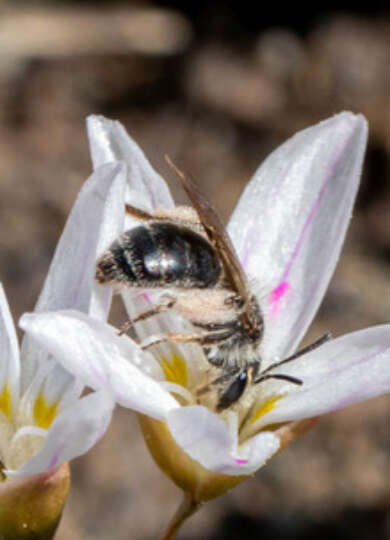
Take for example, the Spring Beauty Miner (Andrena erigeniae) which exclusively collects pollen from Spring Beauties (Claytonia) and thus is only active as an adult from mid-April through May. For this species, most eggs are laid in May and, after hatching, the larva spends the summer growing underground in a brood chamber dug by its mother. At some point before winter, each maggot-like larva metamorphosizes into a fully grown bee.
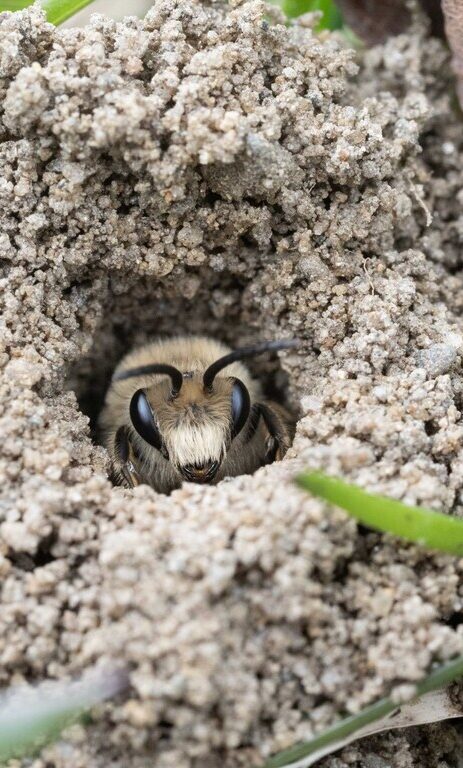
For mining bees, cellophane bees, and many others, this is all taking place underground, often several feet below the surface. And yet, somehow, having never before seen the sun, these newly transformed bees are able to dig their way out of the ground within a few days of the first spring-beauty flowers. While this phenology (seasonal timing) is similar for most mining bees and the most common cellophane bee (Unequal Cellophane Bee, Colletes inaequalis), there are a few dozen fall-active species that add their own seasonal twist.
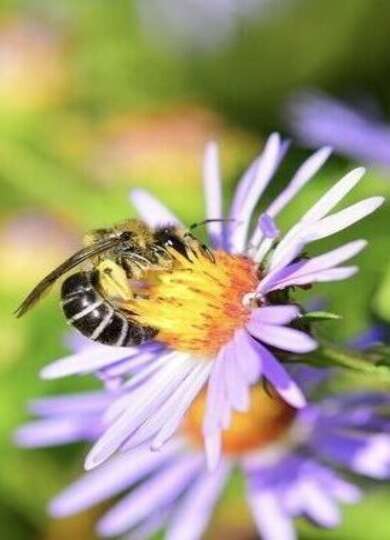
The Aster Cellophane Bee (Colletes compactus), for example, seems to be a specialist of asters (and maybe fall-blooming goldenrod). It spends the vast majority of the growing season underground, only emerging in early September and living as an adult for a month or less. Before the cold really sets in, the female seals (and waterproofs an underground cavity full of aster pollen with a single egg. This larva won’t finish their development until the following summer, pausing through winter as a “prepupa”: neither fully larva nor adult.
Protecting and supporting these ground nesting species is a little more nuanced than leaving the leaves in the garden. First, not all sites will have abundant ground-nesting bees. Sandy or loamy soils are the favorite of most bees, since they are easier to dig and dry out faster than silty or clay soils. And dense, manicured and mowed lawns are often avoided by most (but not all) ground-nesting bees.
So a good first step in promoting ground-nesting bees is to locate and observe any existing nesting areas. In the right spot, many species will often co-occur within an area of just a few square feet.
This spring, watch for bees cruising low over bare patches of soil along driveway edges, within patchy lawns, across baseball diamonds, and on stream banks. With patience, you may spot females flying low over the ground and then crawling down small holes with their legs covered in pollen.
Now you know that there will be larvae there underground for the next 10 or more months (and likely many years to come).
By Kent McFarland
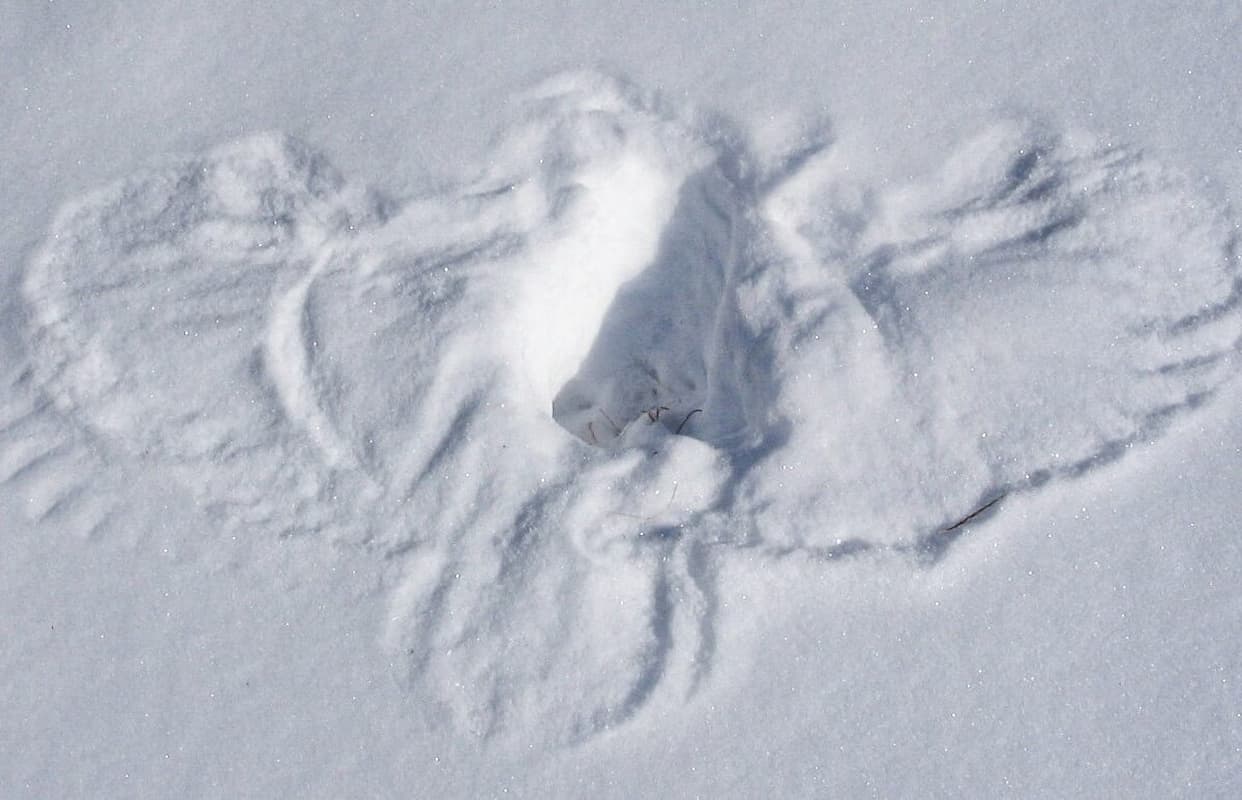
A blanket of snow is a canvas full of clues about the secretive life of the animals living there.
Anywhere from a light dusting to a few inches of snow on the ground can reveal the travels of squirrels, foxes, fishers, coyotes, and more—through the woods and even right through your backyard. Animal tracks can tell all kinds of stories, and following them in the snow can reveal interesting behaviors, raise new questions, and help you learn about how animals navigate the landscape.
iNaturalist, which automatically contributes Vermont-based observations to the Vermont Atlas of Life, can help you narrow down the identity of those footprints in the snow with the help of advanced software and a massive network of tracking experts ready to lend a hand. When you submit your observations of animal tracks to the iNaturalist, be sure to include something like a coin, ruler, or your foot in the photo as a size reference.
And as the forest light fades, you might hear a howl in the night. Eastern Coyote breeding season peaks around the middle of February, when they become especially vocal. You can even record their sounds and share them with iNaturalist, too.
The Eastern Coyote is an opportunistic omnivore. Both a predator and a scavenger, its widely varied diet includes plants and fruit. In the day, look for their tracks to see them stalking small rodents, deer, snowshoe hare, and birds—even visiting an apple tree for a frozen fruit snack. Add your coyote sightings to iNaturalist and see where others have seen or heard them too.

I love reading these posts! So informative and well written .