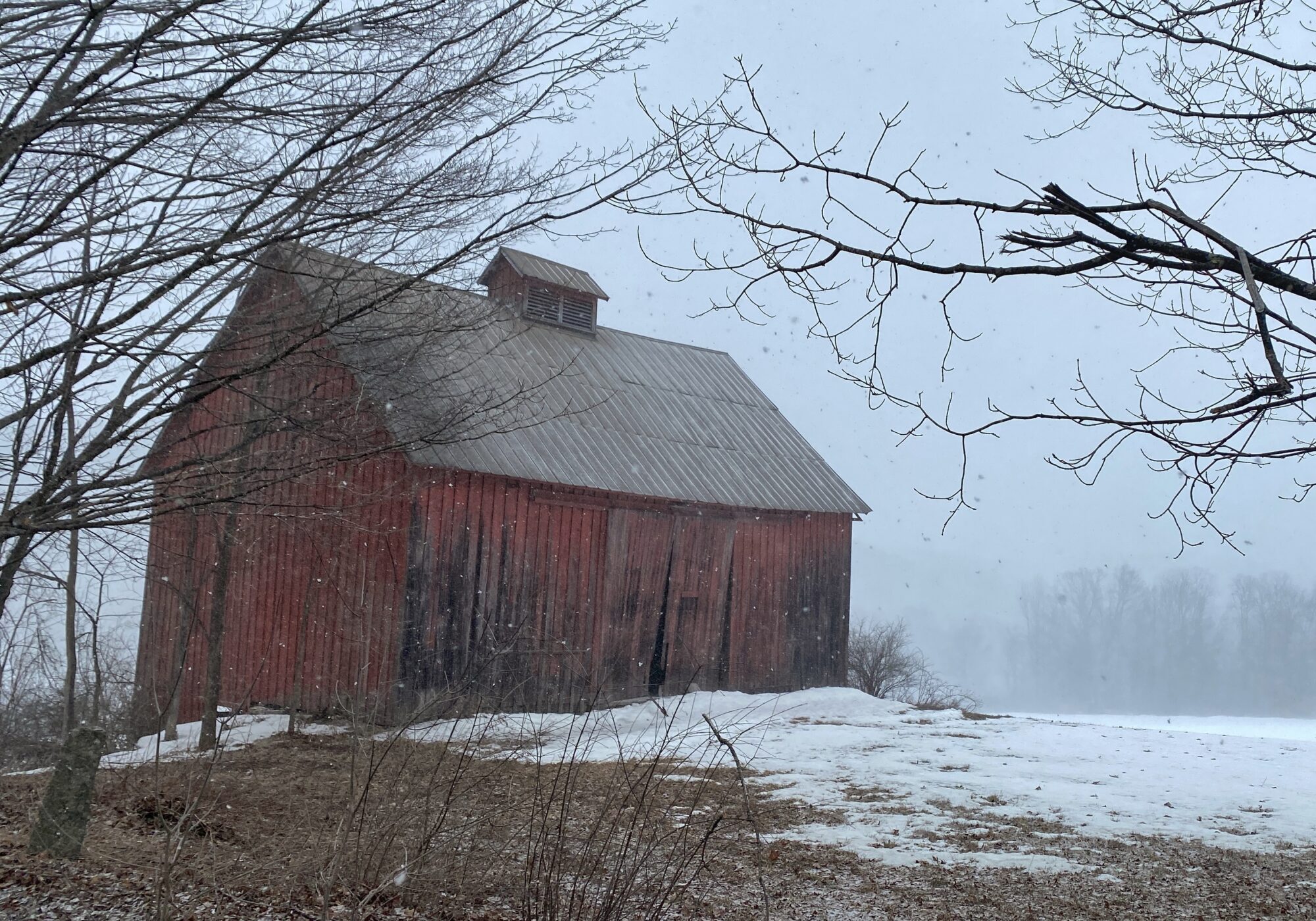
Winter
© Kent McFarland
It may still be winter, but if you know where to look and what to look for, the first signs of spring will start to emerge this month: hidden vernal pools, a snake leaving its winter lodging, the scent of Striped Skunk. Read on to learn about these early harbingers of warmer weather.
By Kevin Tolan
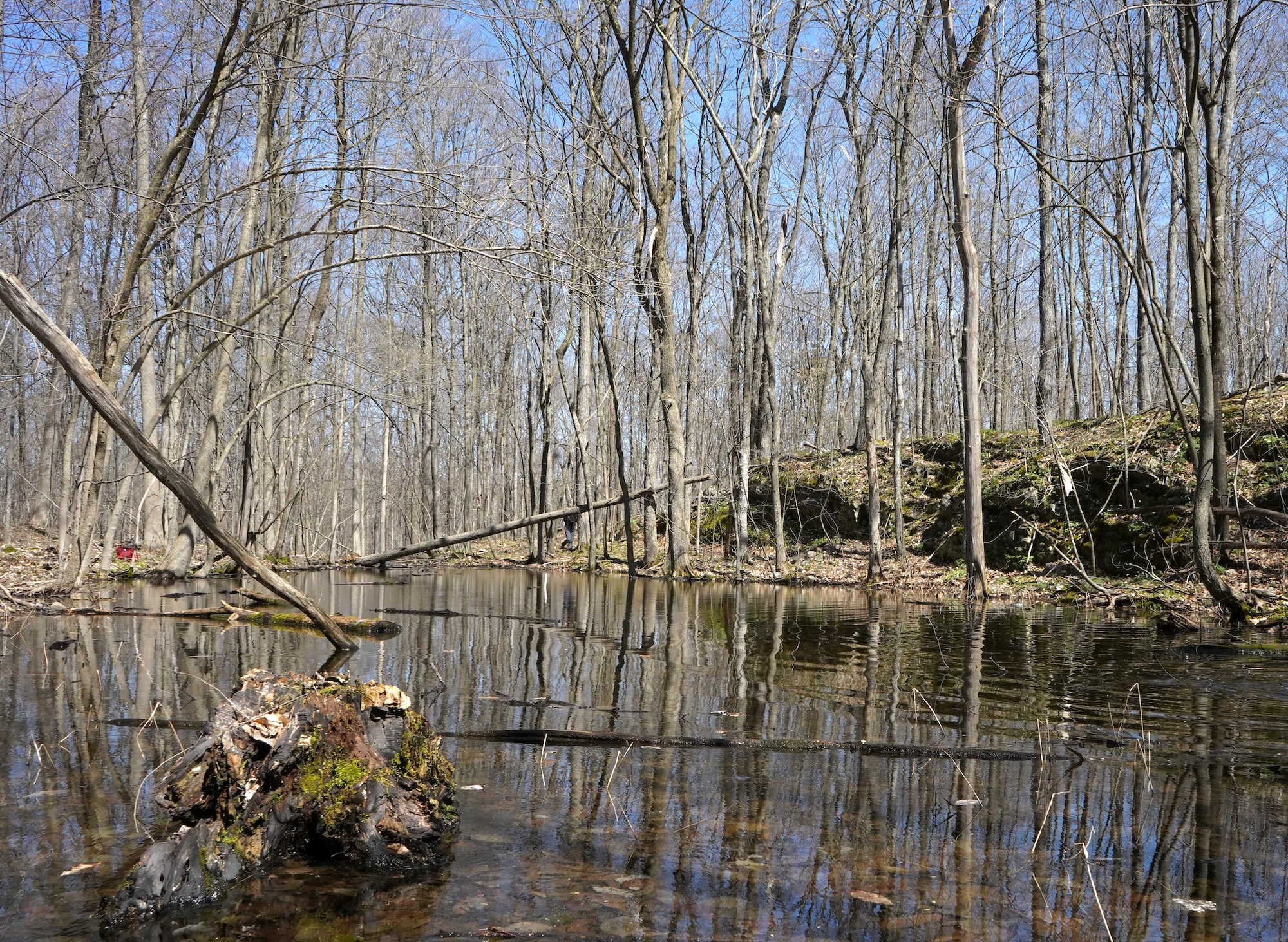
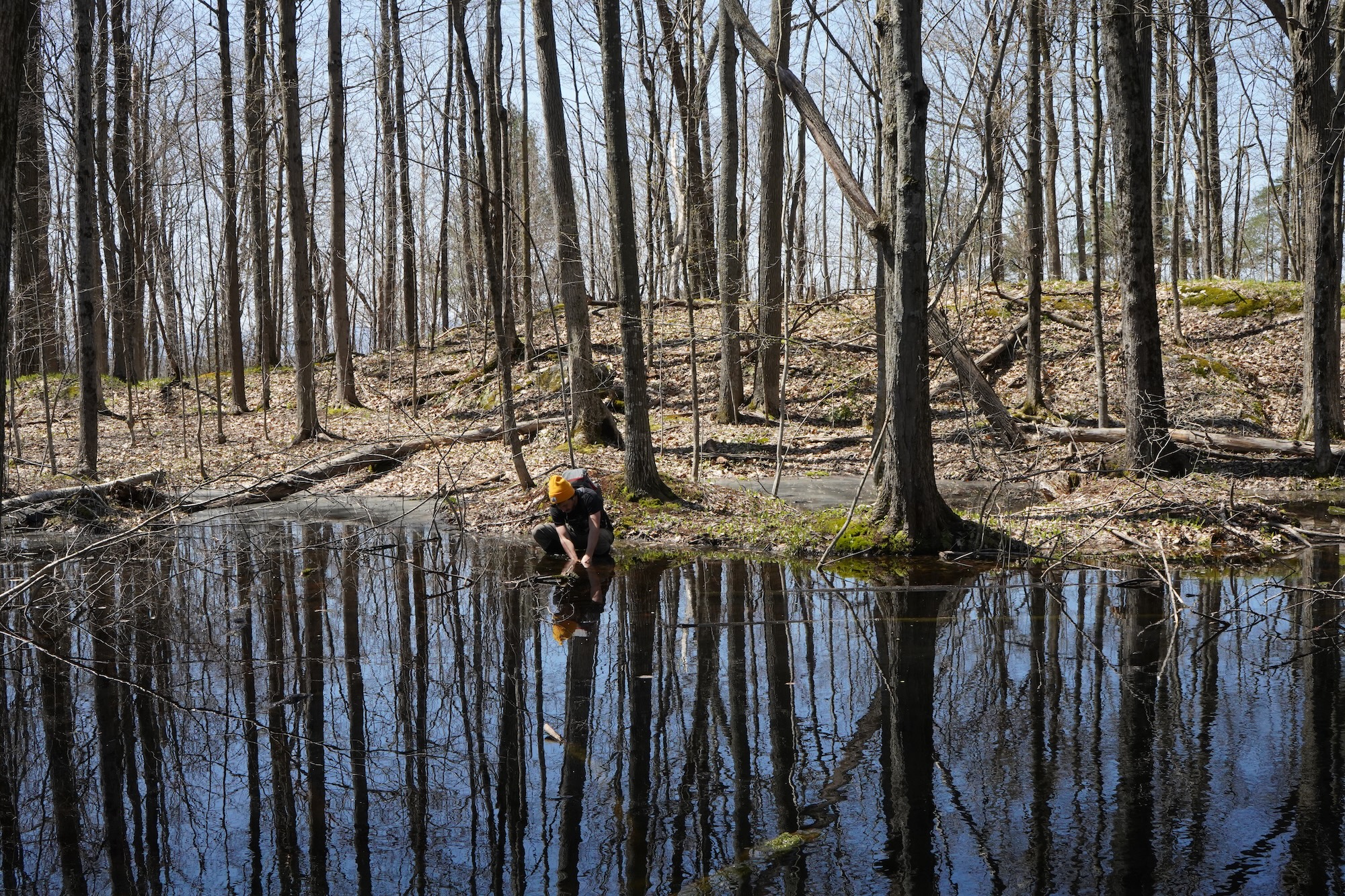
Ephemeral and often hidden in the forest, vernal pools are easy to miss. Some escape the attention of even the most conscientious land stewards. If you haven’t noticed or cared for a vernal pool on your own property, you’re probably benefiting from someone who does.
Vernal pools are unique ecosystems that are hydrologically isolated, meaning they’re unconnected to permanent streams or other water bodies and generally don’t bisect the water table. Instead, they rely on runoff from snow melt and spring rains to fill, and bedrock or hardpan to retain water. This differentiates them from larger wetland complexes like marshes and fens that have a consistent inflow of water. It also leaves vernal pools highly susceptible to drying out, particularly toward the end of July when the weather warms and rainfall tends to diminish. Importantly, this wet-dry cycle prevents fish and large, predaceous invertebrates from becoming established.
Most vernal pools, small and under a dense forest canopy, have few plants growing within the basin. Instead, vernal pools are defined by the specialist animals that inhabit them, the most widely known being Spotted Salamanders and Wood Frogs. Some more uncommon inhabitants include the Jefferson and Blue-spotted Salamanders, fairy shrimp, and fingernail clams.
The biota produced in vernal pools, ranging from froglets to invertebrates, disperse into the surrounding landscape, transporting nutrients throughout the forest. Megafauna that traverse the landscape, such as moose and bears, also utilize vernal pools for drinking water and as a respite from heat; a Scandinavian study found that moose, deer, and hares used vernal pools at a disproportionate rate compared to permanent wetlands.
To effectively conserve a vernal pool, we need to consider the full lifecycle of its amphibians. Though preserving the basin is of utmost importance, it’s also integral to conserve the surrounding “life zone”—the area surrounding a vernal pool that amphibians disperse to after breeding, and where they spend 95% or more of their life.
The legal buffer distance for development is only 50 feet in Vermont. It’s estimated that the ideal protected area would extend at least 1,300 feet from the edge of a pool to account for the ranging habits of Jefferson Salamanders. The minimum recommended life zone extends 400 feet from the edge of a vernal pool basin during silvicultural treatments or other management activities.
When looking at satellite images of a town such as Norwich, Vermont, where about 150 potential and confirmed vernal pools have been documented, roughly 37% of the town’s area (not accounting for sloping topography) may be within the critical habitat zone for Jefferson Salamanders. Even their documented range of 1,300 to 1,500 feet from the edge of a pool is an underestimate, as it doesn’t include movements undergone during natal dispersal, the period between undergoing metamorphosis and maturing when young animals tend to disperse farther than adults. It also doesn’t account for Wood Frogs, which are thought to be more agile than salamanders and may disperse across distances exceeding one kilometer. When Wood Frog ecology is considered, it turns out that more than 90% of Norwich may be within a vernal pool life zone.
All of this is to say that although vernal pools are frequently less than a fifth of an acre in size, they have an outsized impact on the surrounding uplands, an impact that pays no heed to property lines.
Vernal pools also frequently go unseen during field surveys, so documenting and reporting a vernal pool to the Vermont Vernal Pool Atlas helps ensure that they’re afforded their proper legal protections. You can help the wildlife that calls this ecosystem home by protecting amphibians during their migratory period when they’re crossing roads, a massive risk that imperils local populations. More importantly, you can help your neighbors understand the importance of vernal pools since their vernal pool residents will probably be paying your property a visit, and vice versa.
So arrange a little field trip to a neighboring vernal pool later this month and in April, to get a close look at the animals that call these small wetlands home.
By Brian Kron
Fear of snakes (ophidiophobia) is one of the most common phobias worldwide, according to the Cleveland Clinic. Even small snakes can provoke big reactions, and these fears can be worsened by TV shows, movies, or social media posts that show snakes as dangerous to humans. In some places, the fear of snakes has snowballed into entire hunts designed to eliminate as many snakes as possible.
So in the world of wildlife, snakes can be a difficult group to advocate for. And yet, I’m going to try.
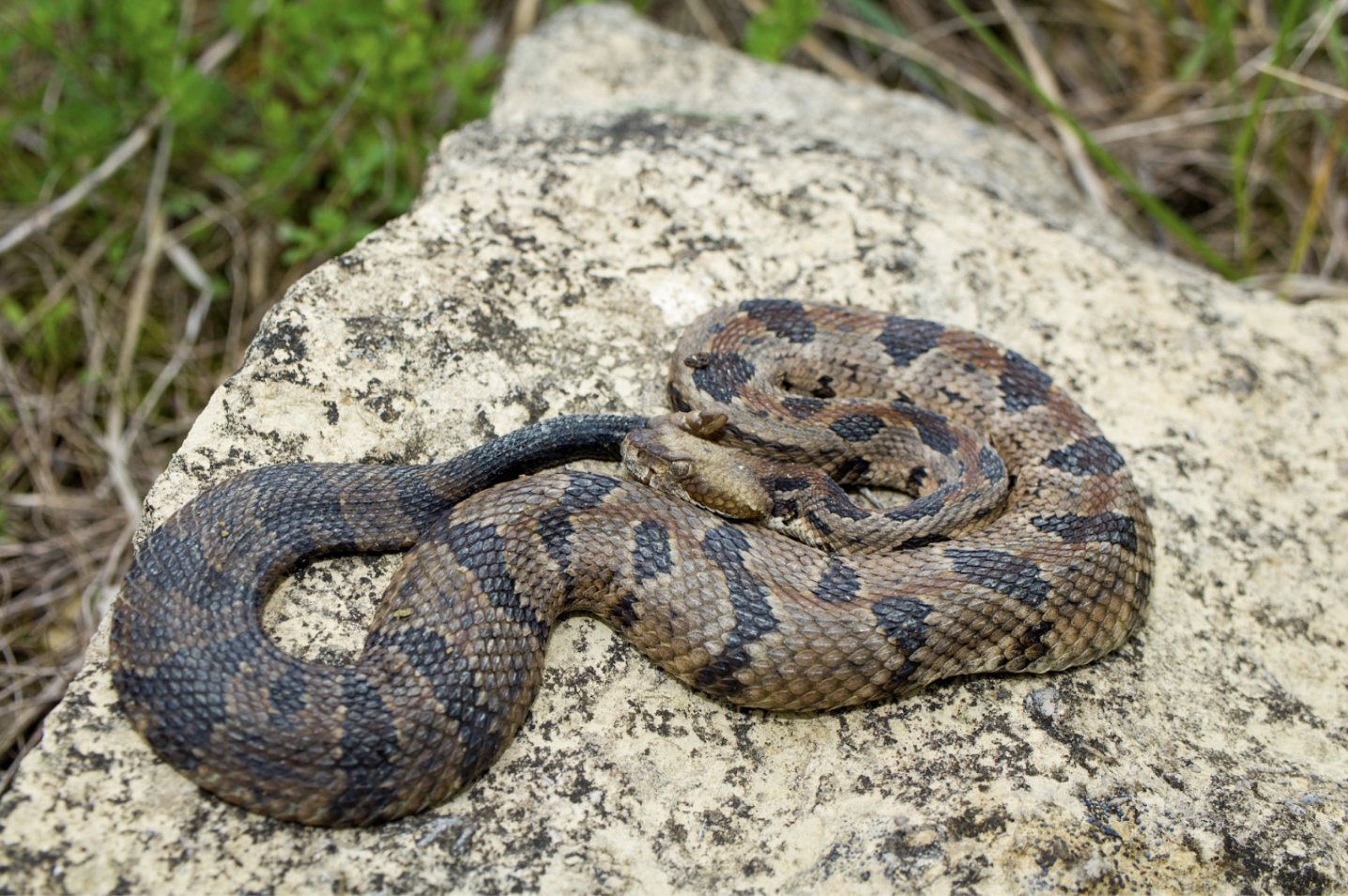
In Vermont, there is only one species of snake that residents need to be on the lookout for: the Timber Rattlesnake (Crotalus horridus). While the likelihood of dying from a Timber Rattlesnake bite is low, their venom can do considerable damage to a human or pet and should be treated as a medical emergency.
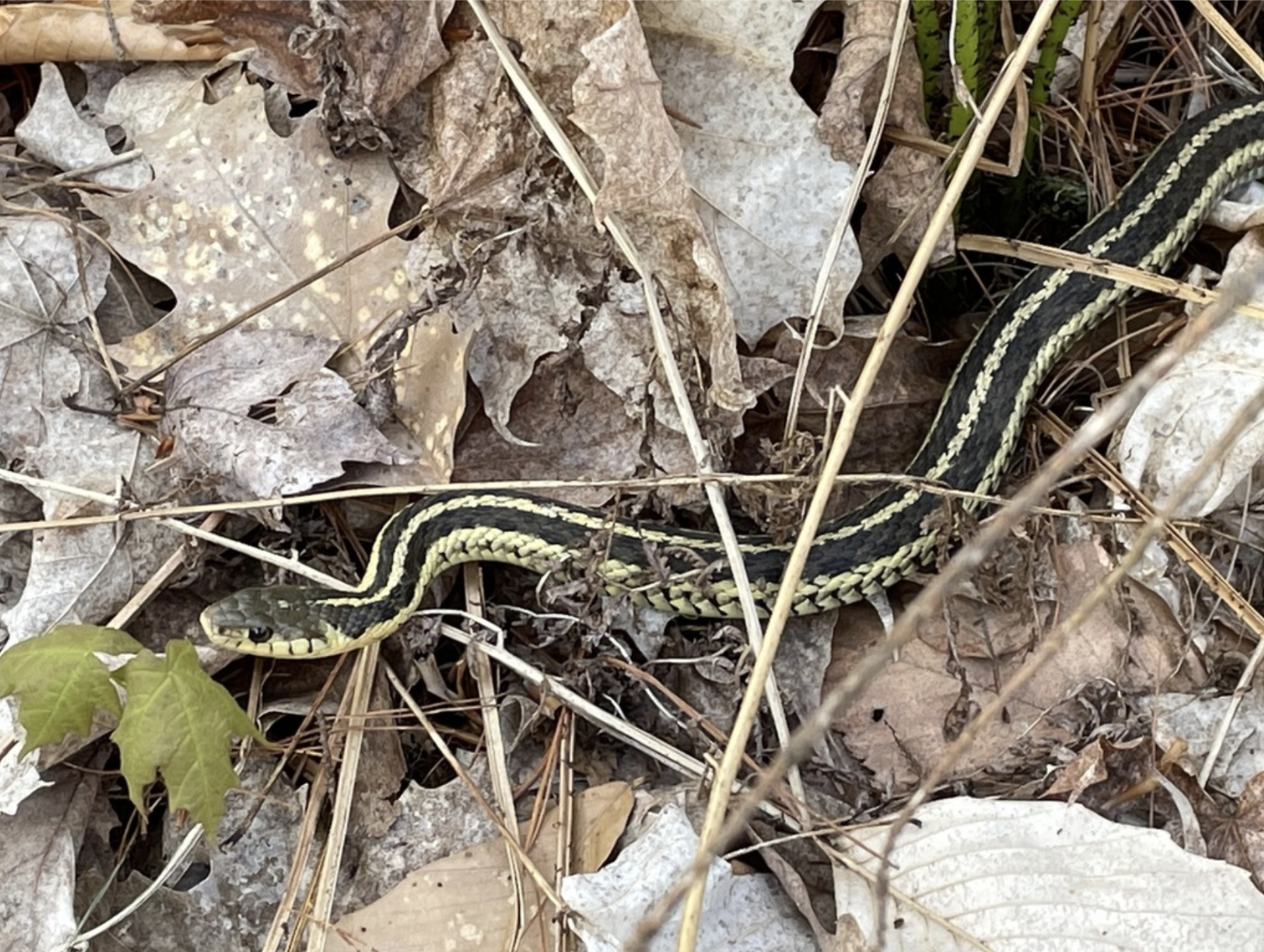
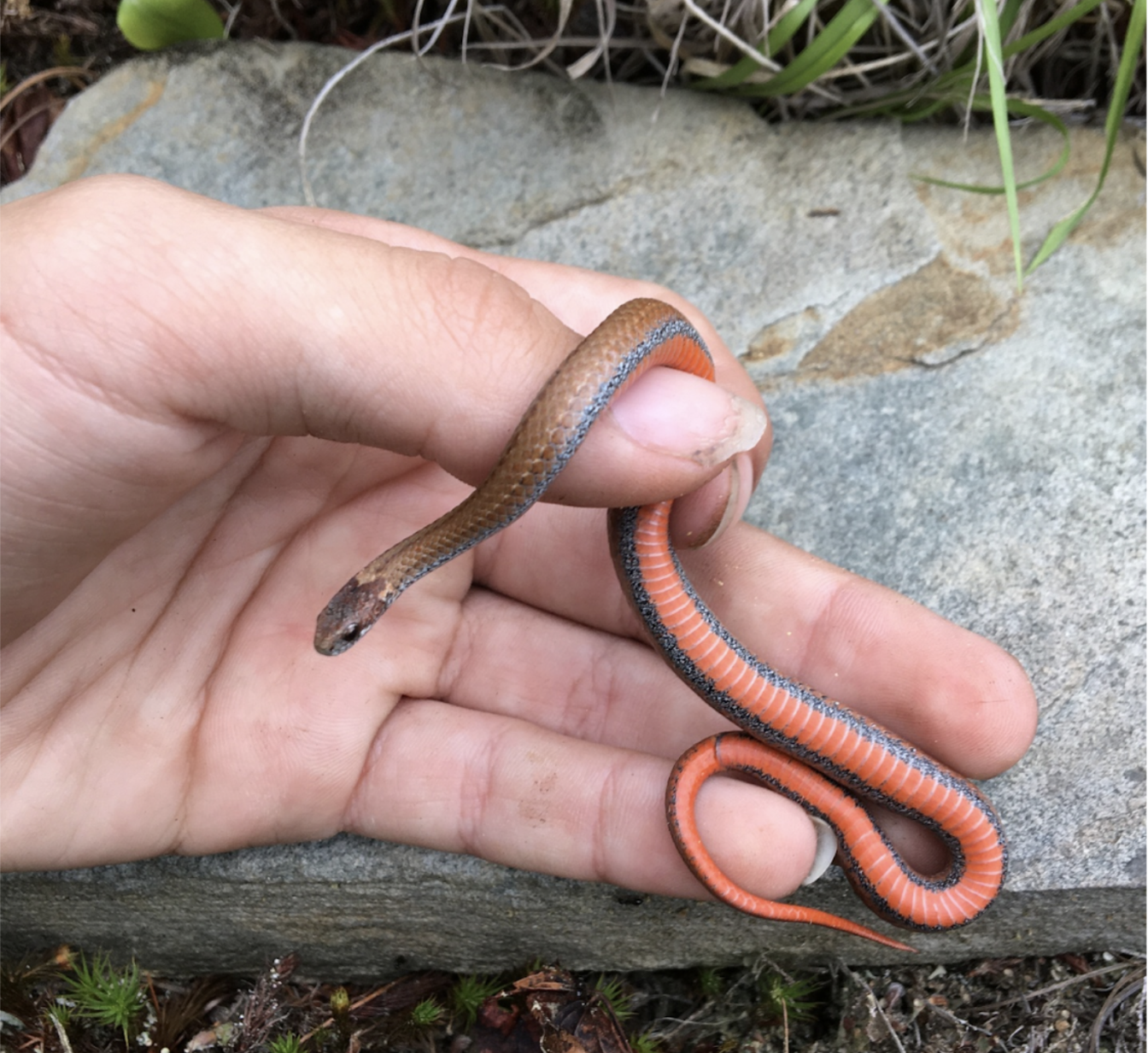
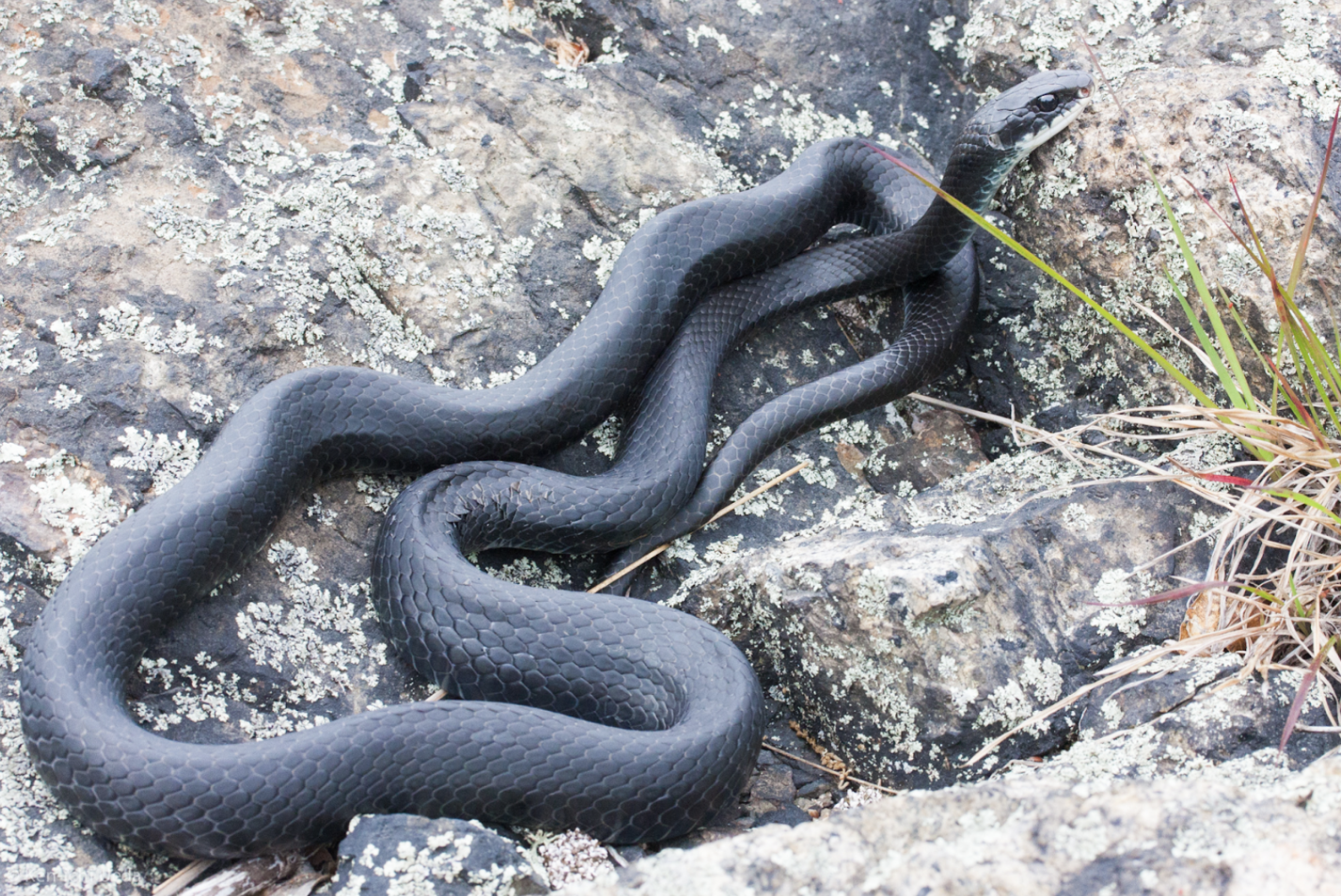
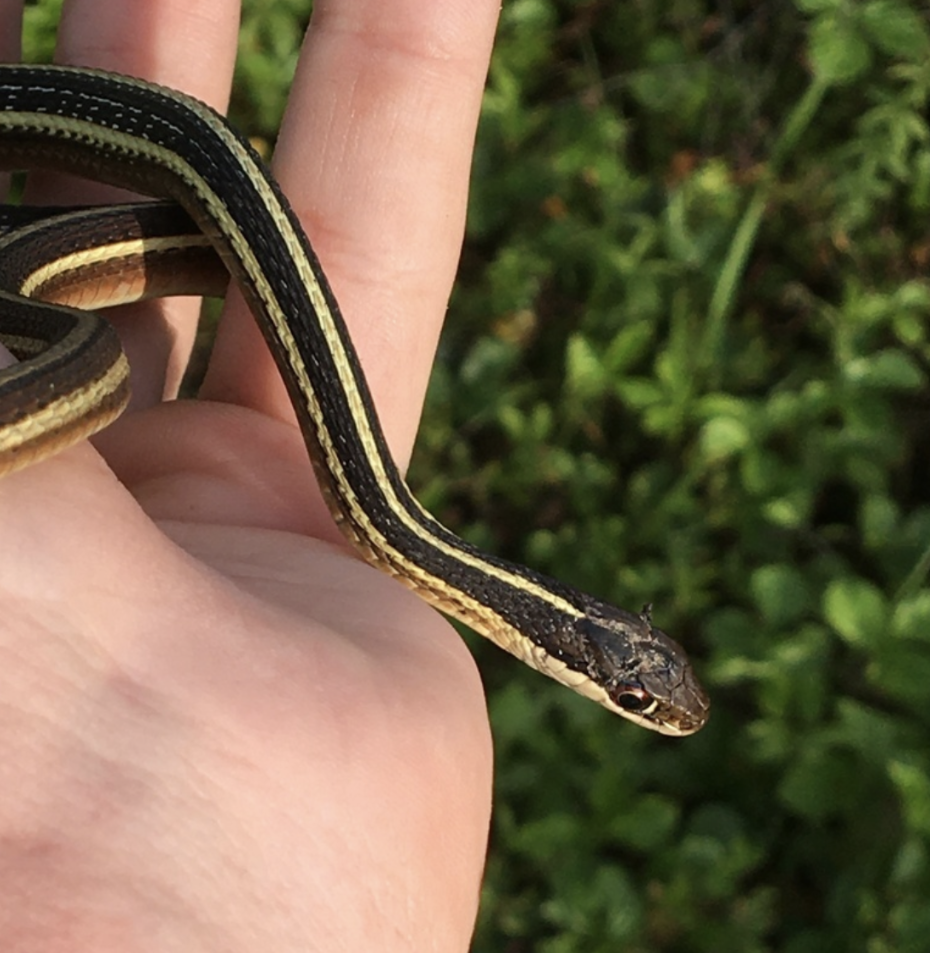
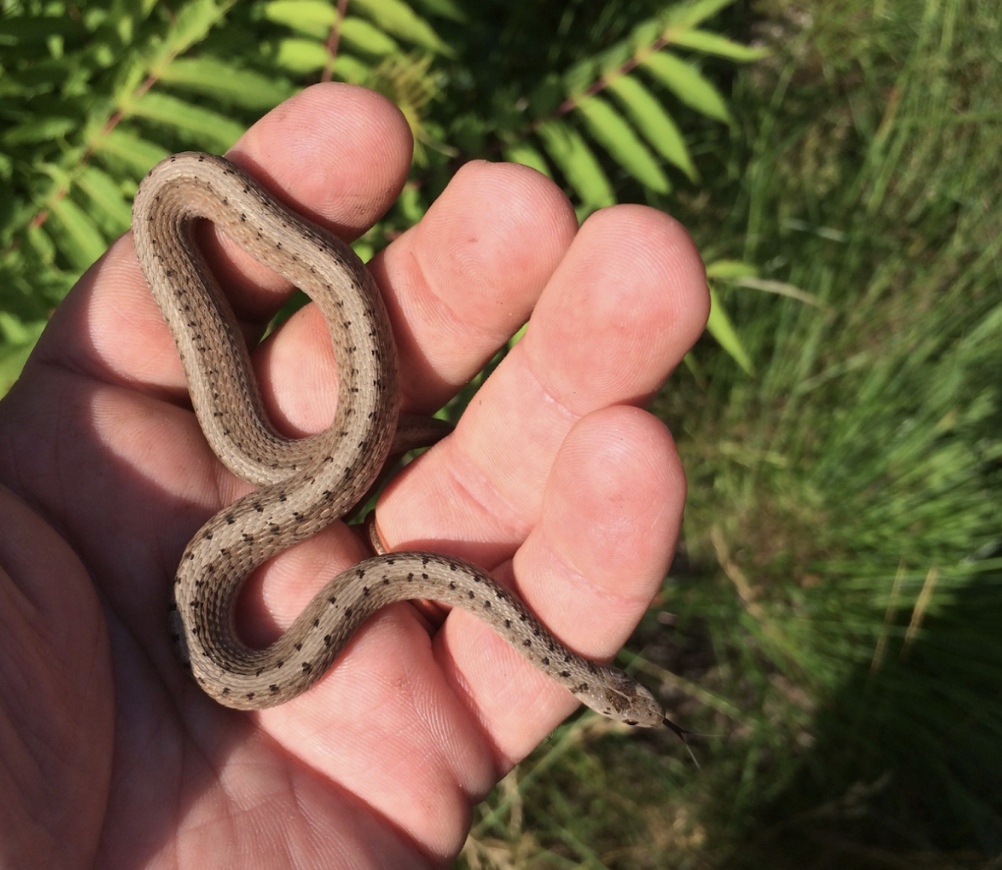
However, ten of Vermont’s eleven species of snakes found are not only essentially harmless to humans, they’re beneficial visitors to your garden, providing a wide range of pest control services. Some snakes snap up mice, rats, and other small mammals, while other species, such as Dekay’s Brownsnake (Storeria dekayi), feed on insects and other invertebrates. Some even specialize in slugs.
Snakes around Vermont may start to appear from their winter lodgings in April, but you can start looking in March for the early risers throughout wide swaths of Vermont, especially if the weather is warm.
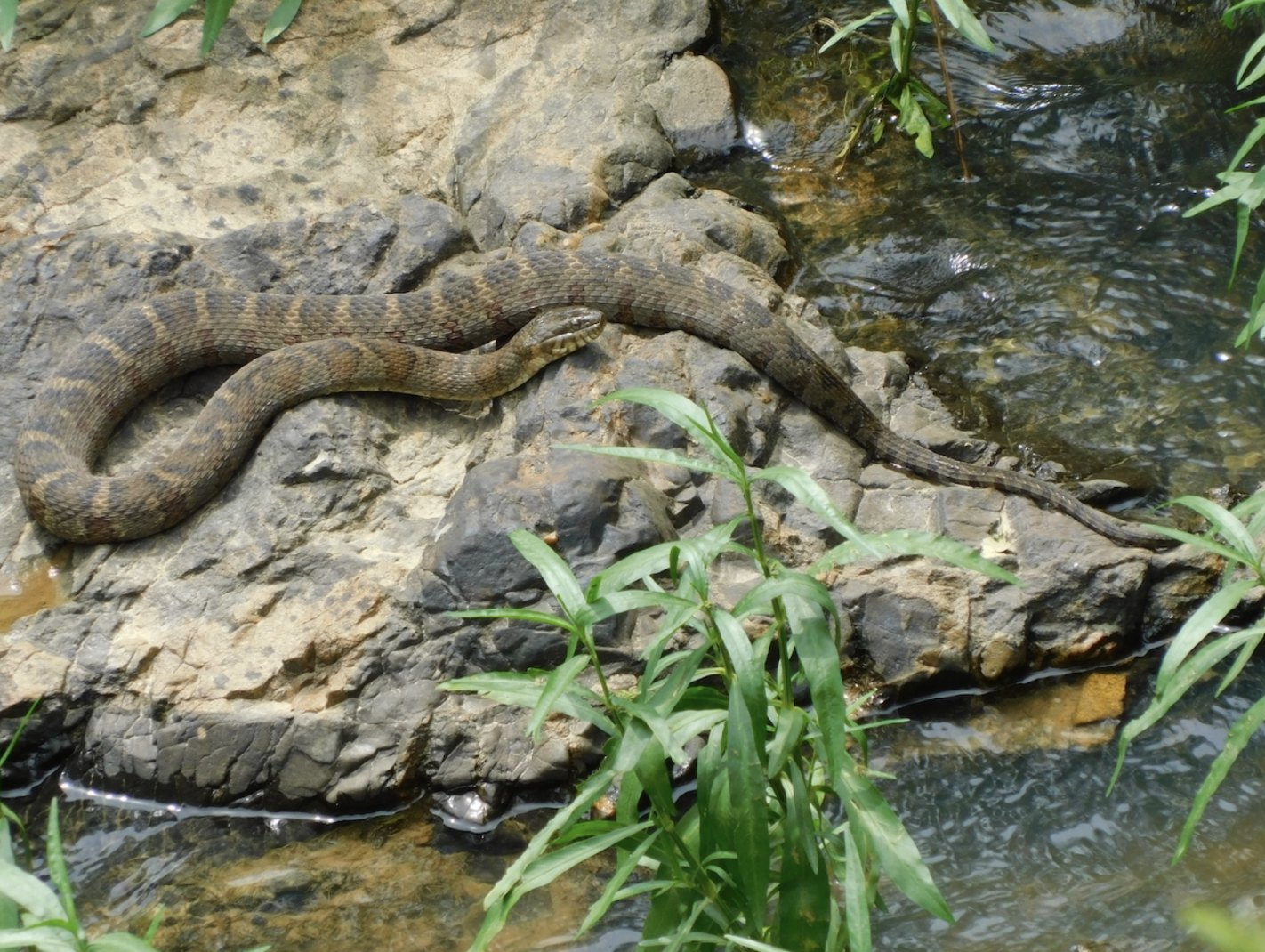
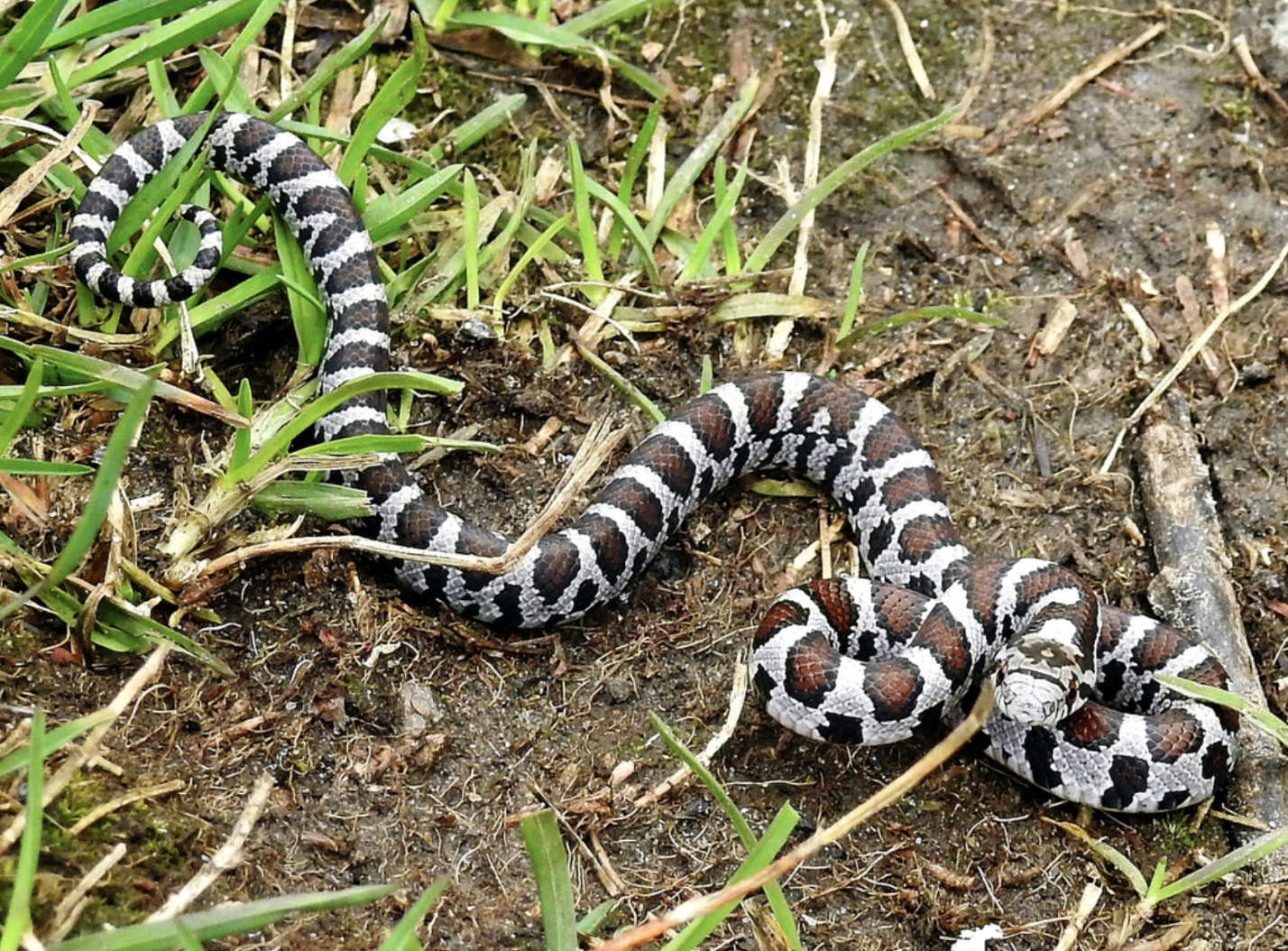
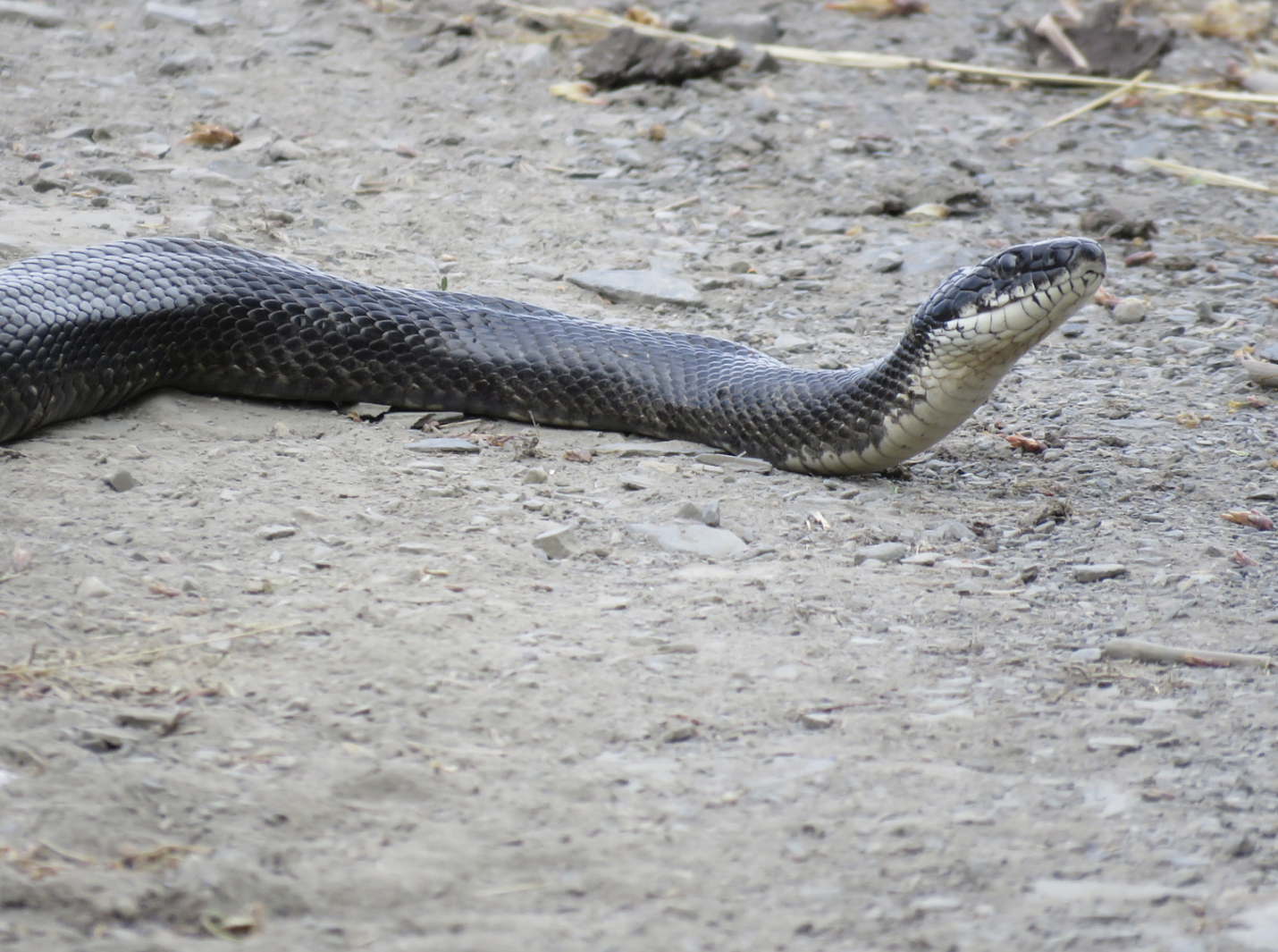
As for our only venomous snake, Timber Rattlesnakes are only found in rocky areas in the western portion of Vermont, and are most active from April through October. They rattle when threatened, and have a triangle shaped head that is often used to identify venomous snakes.
However, several other snake species will also vibrate their tail, which can sound like rattling, and flatten their heads, which can make them appear triangular. If you find a Timber Rattlesnake on your property, make sure to call Vermont Fish and Wildlife Department’s Rattlesnake Response Program.
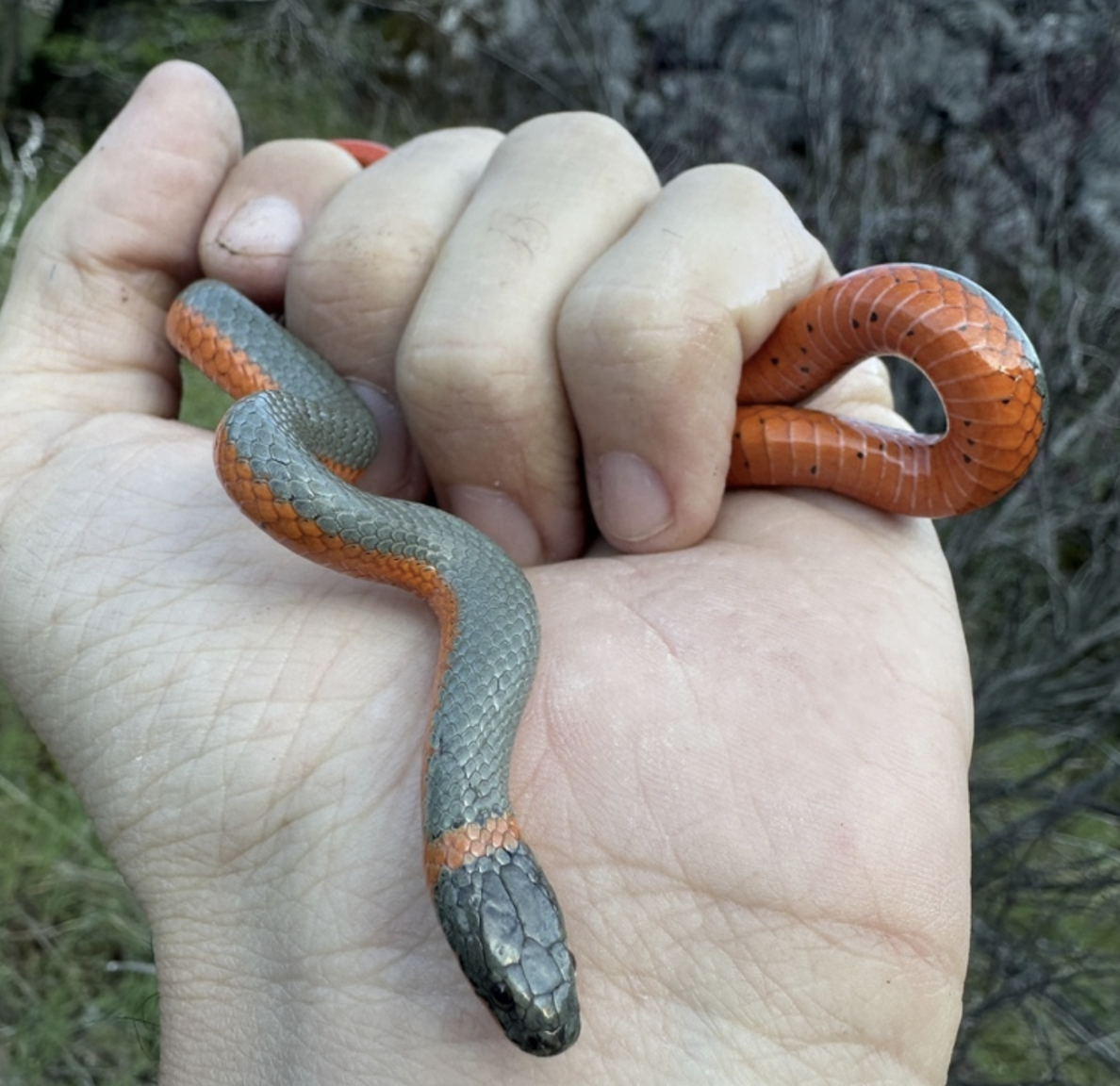
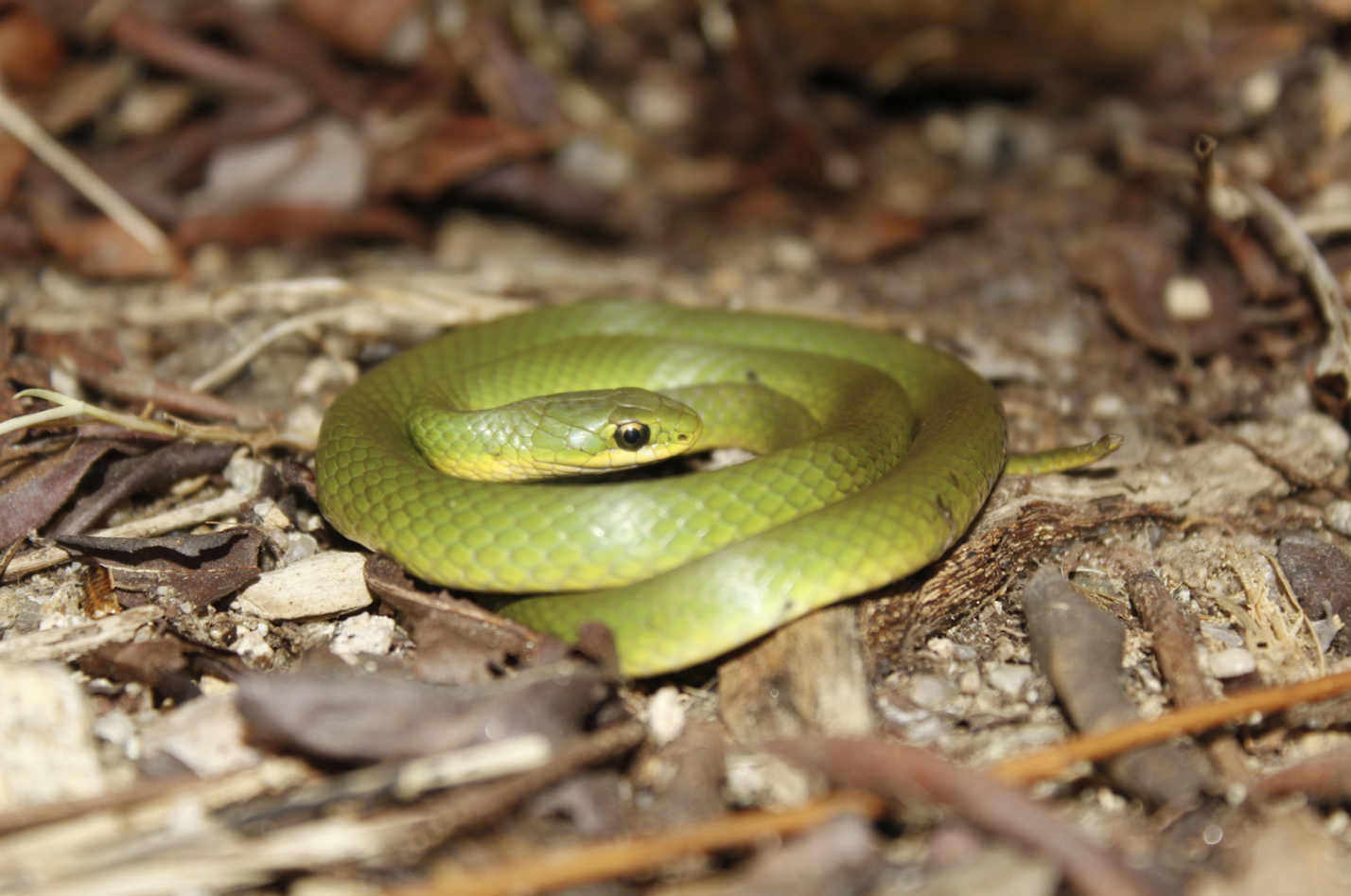
Almost all snakes just want to be left alone, and when you spot them, they’re either finding food nearby, coiling up somewhere they feel secure, or sunning themselves to warm up. In nearly all cases, there’s no need to fear your local snakes, so be sure to say a friendly hello to your local slithering friends this spring, and grab a picture for iNaturalist Vermont!
By Kent McFarland
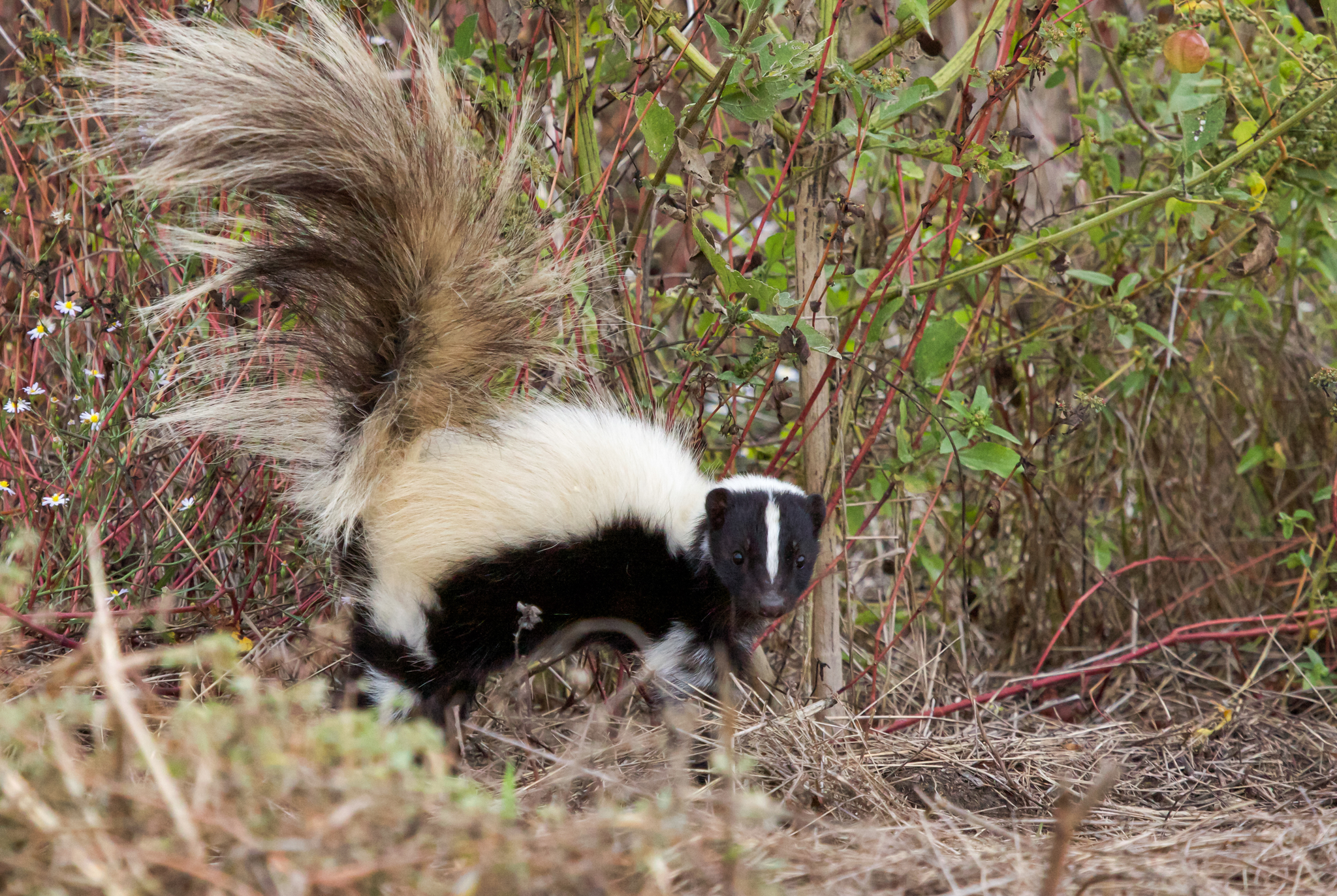
There is nothing like the fresh smell of a spring morning, unless, during the night, a skunk skulked about your neighborhood. The Striped Skunk is armed with just a teaspoon of odoriferous oil in its two anal glands, but a little bit goes a long way. These smelly yet charming mammals have recently been emerging from their winter burrows, and March marks the peak of the Striped Skunk breeding season. After surviving the winter cozied up in underground burrows in a state of torpor, skunks are on the hunt for a mate. Striped Skunks are polygamous; males will mate with multiple females, while females will only mate with one male. With skunk activity picking up this time of year in Vermont, read on to learn more about these animals’ fascinating adaptations for deterring predators.
Skunk oil research has been going on for over a century as scientists have tried to determine what makes the stuff so potent that it can drive a bear away. Way back in 1896, Thomas Aldridge at Johns Hopkins University showed that humans could detect the smell at just 10 parts per billion, the equivalent to detecting just one drop of it diluted into a medium-sized backyard swimming pool. More recently, William Wood, a chemist from Humboldt State University, pointed out that a number of chemicals have been incorrectly attributed to skunk oil over the years, and his work has now given us a reasonably complete understanding of the chemical compounds and how to neutralize them.
The scent-gland secretion is a yellow oil composed primarily of volatile compounds known as thiols and their derivatives. (A thiol is a compound distinguished by its sulfur-hydrogen bond.) Most of us immediately recognize the smell of ethanethiol (also called ethyl mercaptan), a common thiol added to otherwise odorless propane gas so we can easily smell any leaks. Another thiol creates the “skunky” smell of beer after exposure to ultraviolet light. The thiol derivatives present in skunk oil are not particularly odoriferous, but they are easily converted to far more potent thiols when they react with water.
Skunks are reluctant to use the oils, though. With only enough for a half dozen sprays at most and a 10-day period to manufacture more, skunks will only spray if they absolutely have to. In an attempt to avoid spraying, skunks often give warnings. First, they show their striped white back to warn you. This is followed by threatening behaviors, like stomping with both front feet, sometimes charging forward and then edging backward, dragging their feet, and hissing. If all this fails, watch out.
Each spray gland has a nipple, and skunks can aim and direct the spray using highly coordinated muscles. A skunk can spray up to 25 feet and hit something fairly accurately up to 7 feet away. When there is a target, they can direct a fine stream right at the victim’s face. When being chased, a skunk will instead emit a foul cloud for the predator to run into.
There is one predator that remains undeterred by the odiferous oil, the great-horned owl. The small size of the olfactory lobes in their brains suggests that they have a very poor sense of smell. Some individual owls can downright stink of skunk, a common complaint among wildlife rehabilitation workers. Their nests can even smell of their musky meals. But larger-lobed mammals quickly learn to avoid the white stripe in the night.
Make sure to share your skunk sightings to the Vermont Atlas of Life on iNaturalist!

Excellent and enjoyable read as always. Appreciate all the facts and anecdotes.