Spring
© Kent McFarland
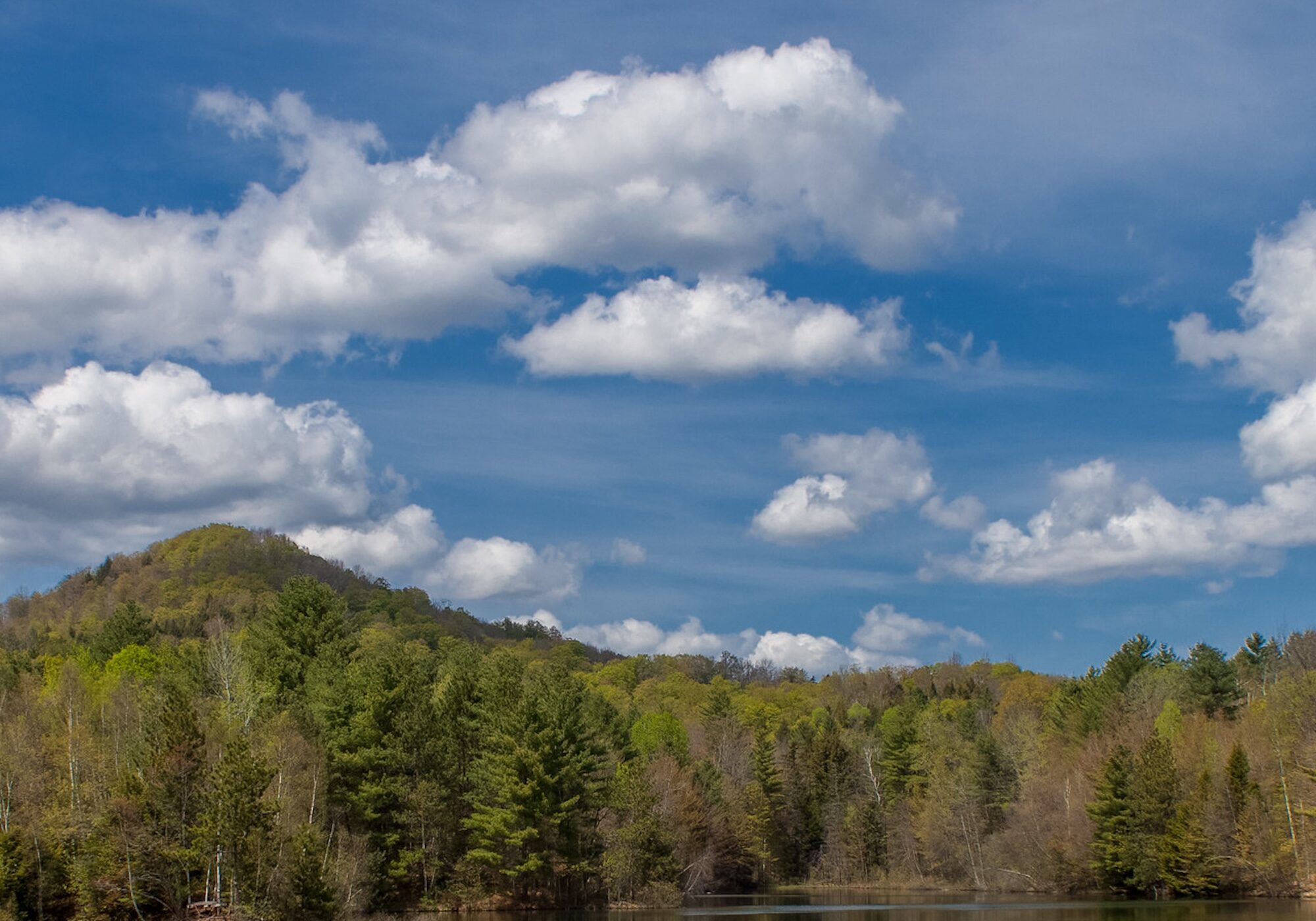
May is filled with winged delights. Bobolinks will begin to grace Vermont’s larger hayfields, busy ground-nesting bees can be found in the bare sunny spots of our yards, and early spring butterflies are getting first dibs on the earliest spring flowers. It’s a great time to get outside and explore.
By Kevin Tolan
Humans have used astronomy to navigate their way home for thousands of years. In Homer’s The Odyssey, the goddess Calypso instructs Odysseus to use the constellation Ursa Major for navigation as part of his 10-year, 5,000-mile return to Ithaca.
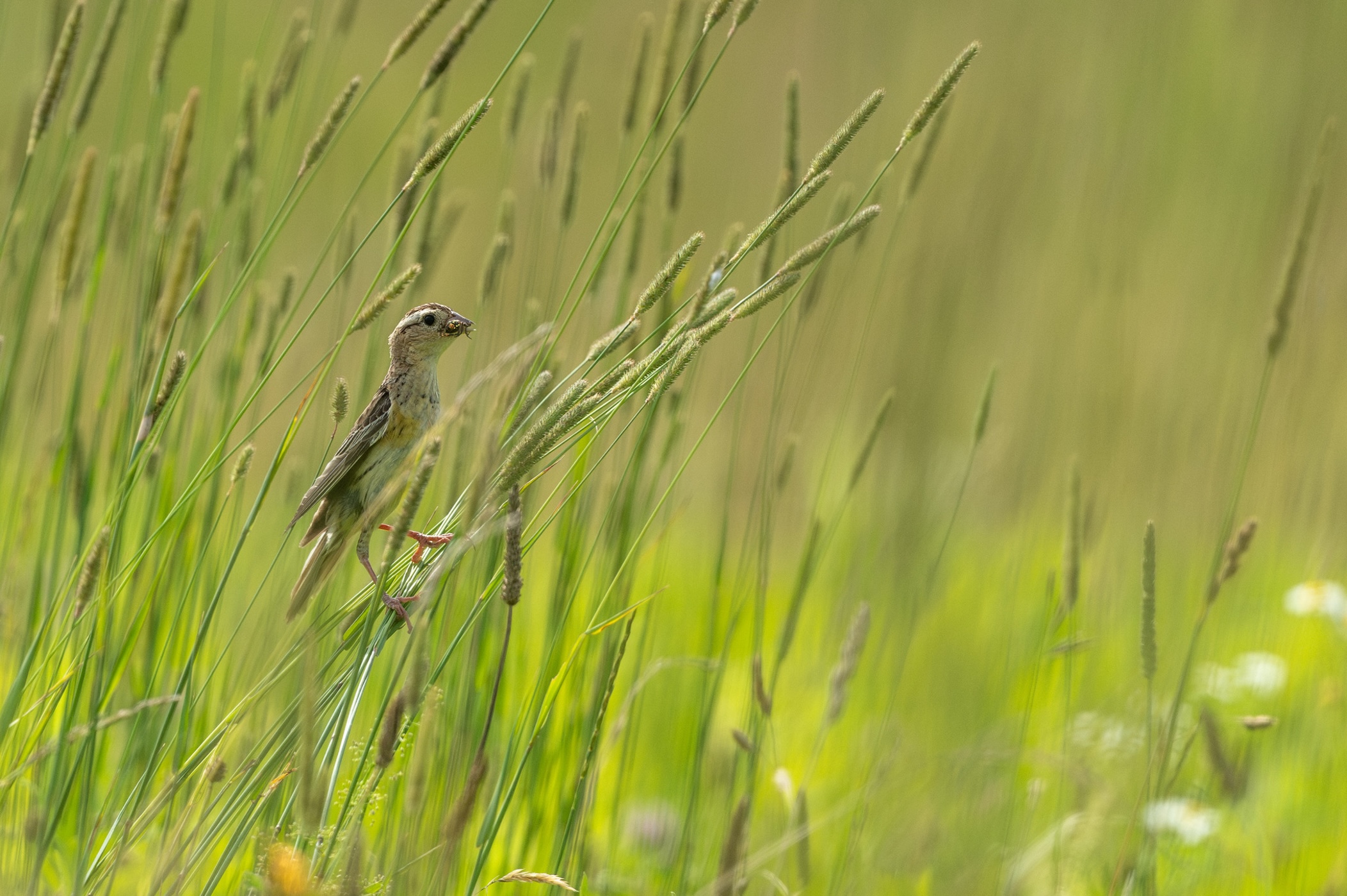
While considered among the greatest epics in literature, this journey pales in comparison to the birds that use stellar cues to migrate thousands of miles per year and return to the same breeding site each time. This month, their songs will be cheerfully emanating from local hayfields.
Bobolinks are champions of migration, undertaking an annual, trans-hemisphereic migration of over 12,000 miles between their breeding grounds and south-central South America. In order to achieve this amazing feat, they rely on seemingly supernatural senses for stellar and magnetic navigation. This integrated navigation method allows them to migrate nocturnally, when the threat of predation is lowest, and find their way “home” to the same breeding site each May.
In order to understand when to depart for migration, Bobolinks appear to rely on the changing length of days, not temperature changes. Long-distance migratory species such as the Bobolink that rely on unshifting mechanics can have a difficult time responding to climate change. In other words, although spring may be arriving earlier and earlier on their breeding grounds, Bobolinks begin to nest around the same time that they always have, a phenomenon known as phenological mismatching.
This is made even more problematic by the fact that between 2002 and 2019, the farmers in the Champlain Valley who manage the hayfields where Bobolinks breed have advanced their date of first haying by about 10 days. As the climate continues to change, shifts in precipitation, temperature, and the Southern Oscillation are likely to impact the species further.
At VCE, we’ll soon begin to survey the birds and vegetation in hayfields around the state to provide individualized and site-specific management recommendations. If you own large hayfields, or know someone who is interested in learning more about grassland bird management, please email us at grasslands@vtecostudies.org.
By Spencer Hardy
“Ground bees!?!? Oh no, fence ‘em off and call the exterminator quick before someone gets stung!”
Hold your horses. We are talking about bees here, not the ground-nesting yellow jackets (genus Vesupla) that instill fright in almost any gardener or picnicker. In most cases, ground-nesting bees are harmless. All females have stingers, and a few genera—like the bumble bees—can be pretty painful, but they aren’t likely to sting unless they are being harassed (or stepped on). The stingers of many smaller bees are designed to prevent predation from spiders or other insects, and aren’t capable of breaking human skin.
Chances are, unless you live between Orwell and Charlotte, your yard has bees nesting in the dirt somewhere—and May is a great time to find them. Why does the Champlain Valley get left out of the fun? Because previous iterations of Lake Champlain and the Champlain Sea deposited a thick layer of very fine dirt, now known as Vergennes Clay. If you have ever tried to dig through it, you probably already know why ground-nesting bees avoid it. It turns out that diversity and abundance of ground-nesting bees is strongly correlated with soil texture for the same reason that a disproportionate number of old graveyards have addresses on Sand Hill Road¹. Of course, there are still bees in the Champlain Valley, but a higher percentage nest above ground in hollow stems, beetle holes, thatch or other protected cavities.
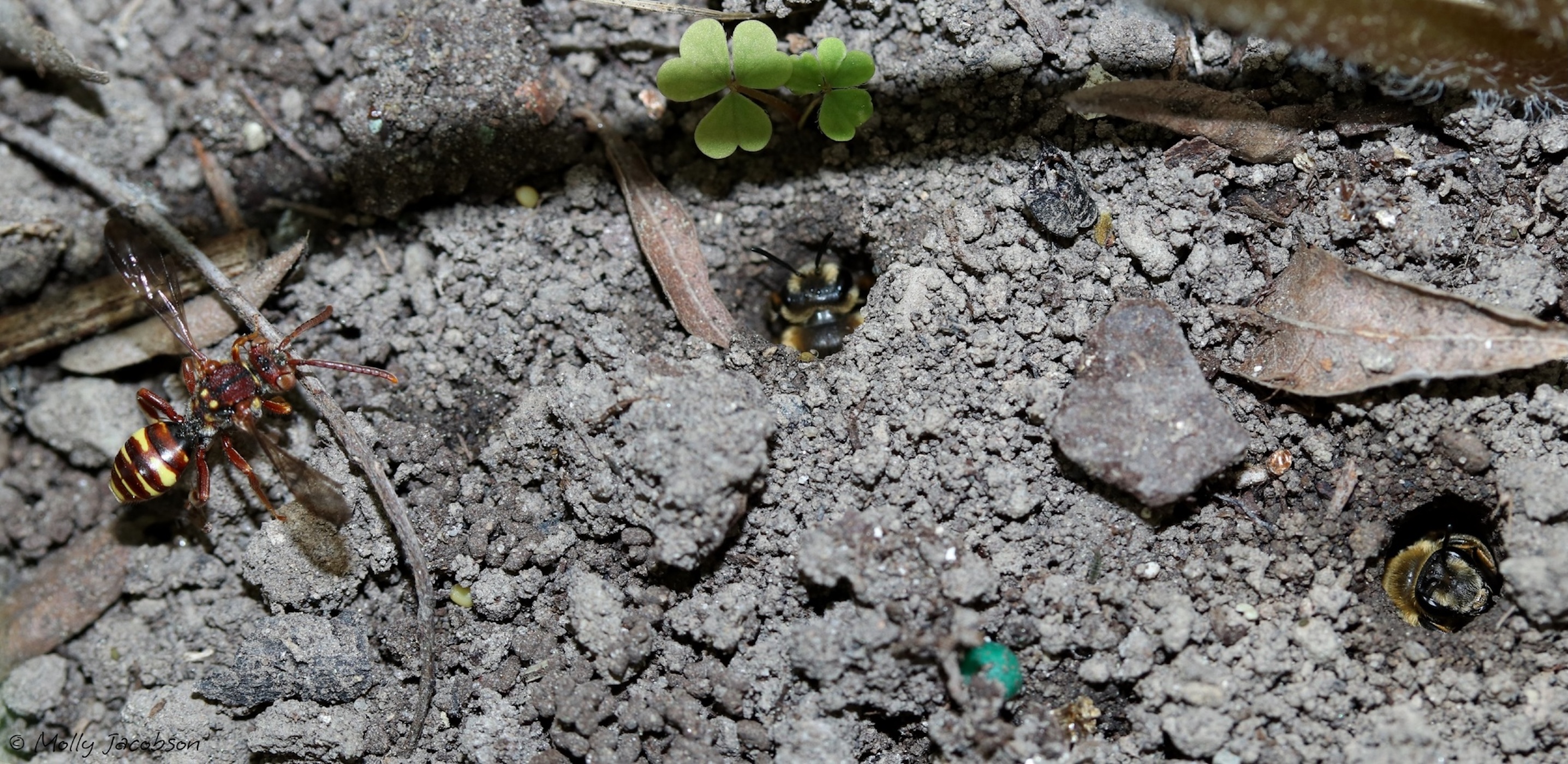
This spring, as you go about outside, keep an eye towards the ground, watching for slowly cruising insects and “ant hills” with suspiciously large openings. Disturbed, sandy places with thin vegetation and full sun are your best bet, but they can show up most anywhere. The margins of baseball diamonds and gravel driveways are classic locations. Other notable spots include tree tip ups and the tailings piles of woodchuck burrows.
If you find a busy spot, take a minute to enjoy the activity and watch the behavior of individual bees. The females (identified by their legs full of pollen) often come zooming in and go directly down the hole. Males, on the other hand, usually cruise slowly a few inches above ground level, hoping for a chance to procreate. And then there are the parasitic species, often bright red and/or yellow, which are looking to sneak into an unattended nest and lay their eggs (like cowbirds do).
Nesting sites that are particularly favorable are often busy throughout the summer with an ever-changing cast of characters—if you are lucky enough to locate a good spot early in the spring, it’s worth revisiting regularly. Some sites will persist for years (or even decades), but others seem to be ephemeral and associated with fresh soil disturbance. Any nest site will have bees in the larval or pupal stage all year round, regardless of what’s visible at the surface!
¹Just for fun, an incomplete list of towns in VT with a Sand Hill Road:
Bethel
Bradford
Calais
Cambridge
Castleton
Enosburg Falls
Essex Junction
Fairfax
Georgia
Glover
Jeffersonville
Marshfield
Milton
Putney
Sheffield
Underhill
Victory
Westminster
Wolcott
Worcester
By Nathaniel Sharp with updates by Dana Williams
Now is the time to seek out early spring butterflies as they flutter and glide through hardwood forests, meadows, and bogs across Vermont. We’re on year four of Vermont’s Second Butterfly Atlas, a five-year project with the aim of better understanding the populations and distributions of Vermont’s butterflies. You can help contribute to this statewide project by spending time in your yard or walking your favorite local trail on a warm, sunny spring day and logging the butterflies you see with eButterfly.
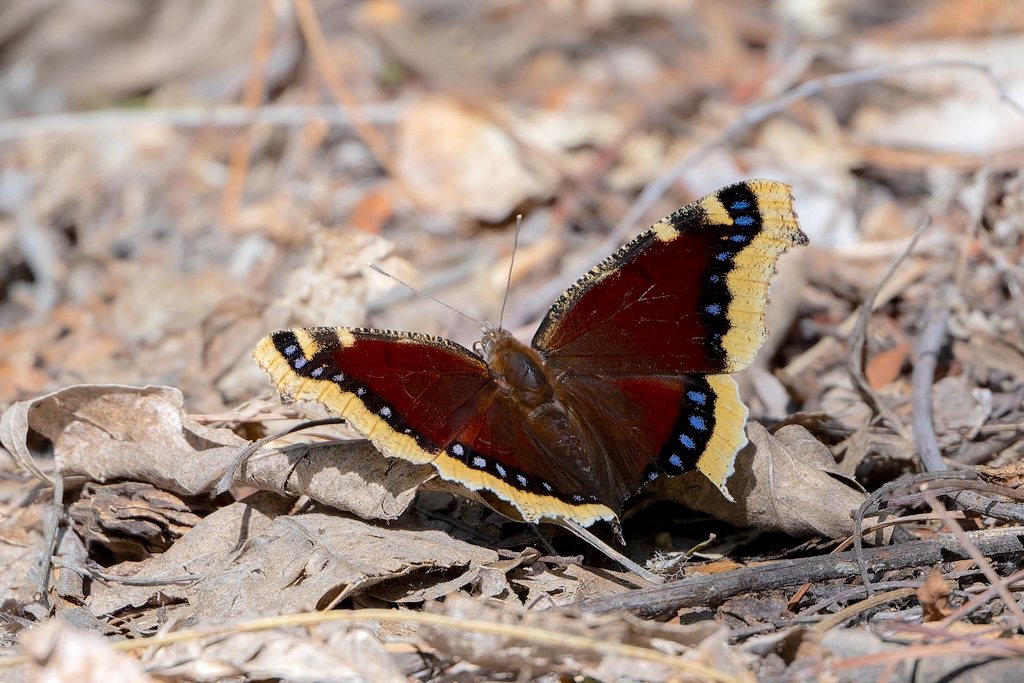
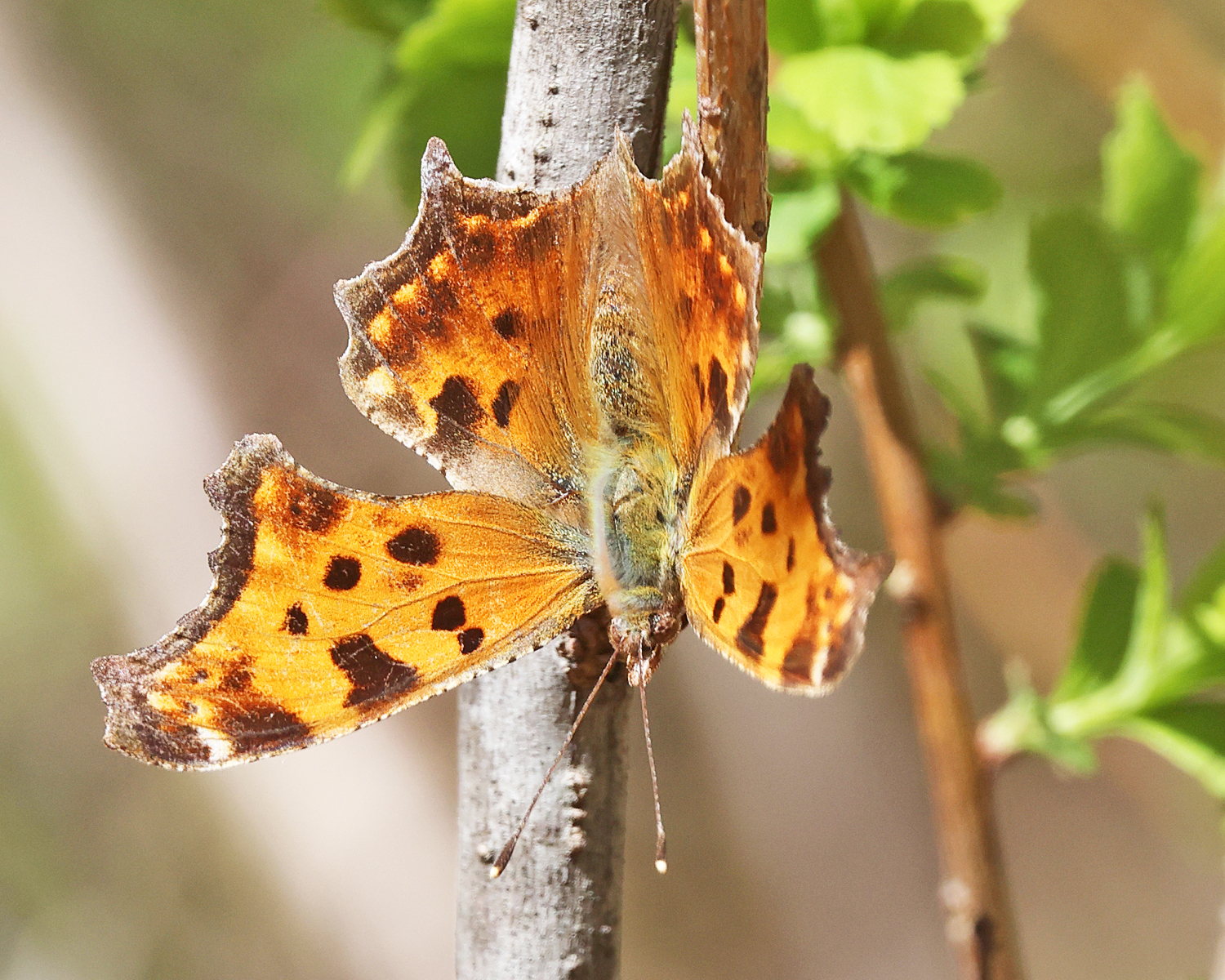
If you haven’t spent much time looking for butterflies before, spring is the perfect time to get started! Many species that are active this time of year are large, colorful, and easy to spot and identify. Maybe you’ve already noticed a gold-edged Mourning Cloak or the leaf-like Eastern Comma, two species that overwinter as adults, which allows them first dibs on the earliest spring flowers. Small and spritely, Azures and Elfins round out the early spring butterfly assemblage.
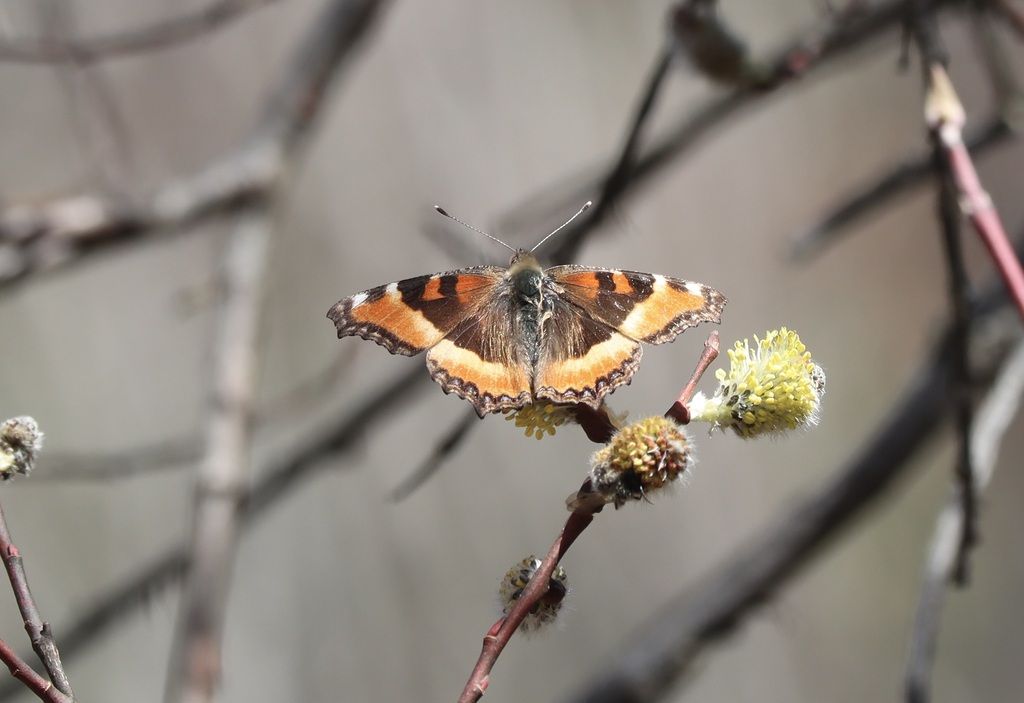
If you’re lucky, you may just get to witness a Compton or Milbert’s Tortoiseshell. These elusive butterflies are woodland dwellers, though they have different habitat tastes. The Compton is typically found in drier upland forests, while the Milbert’s prefers wet forest edges. While they are often considered “spring” butterflies (you can see them as early as March!), both species fly throughout the summer and well into the fall.
Unfortunately, both species have declined more than 95% since 2000. To help spot them, try looking near their favorite host plants. Visit nettle patches from May to October to look for the Cheshire-Cat-smile pattern of the Milbert’s. Or scout stands of aspen, willow, and birch from June to October to spot the beautiful, mottled, orange and black wings of the Compton.
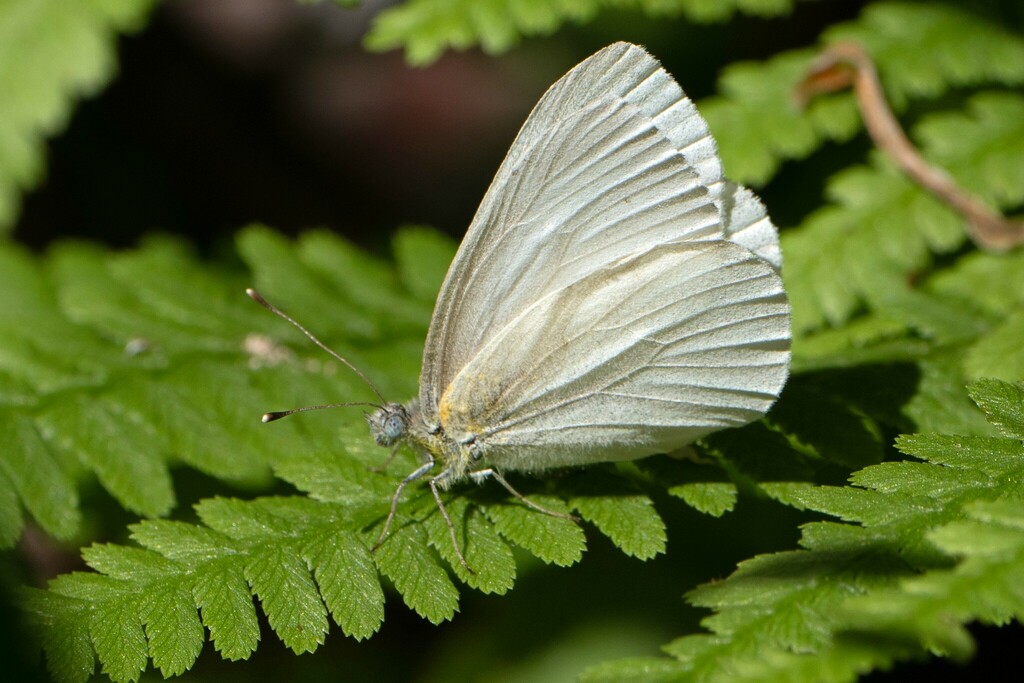
Another butterfly species that you will need to put in the work to find is the West Virginia White, a Species of Greatest Conservation Need in Vermont that depends on a somewhat little-known spring ephemeral flower. Two-leaved Toothwort isn’t as colorful as a Red Trillium or as showy as a patch of Dutchman’s Breeches, but to a West Virginia White, it’s the ideal food source to kickstart the next generation. Keep an eye out for this species in dense, large patches of toothwort in western Vermont.