VCE Haitian Colleague Receives Prestigious Conservation Award
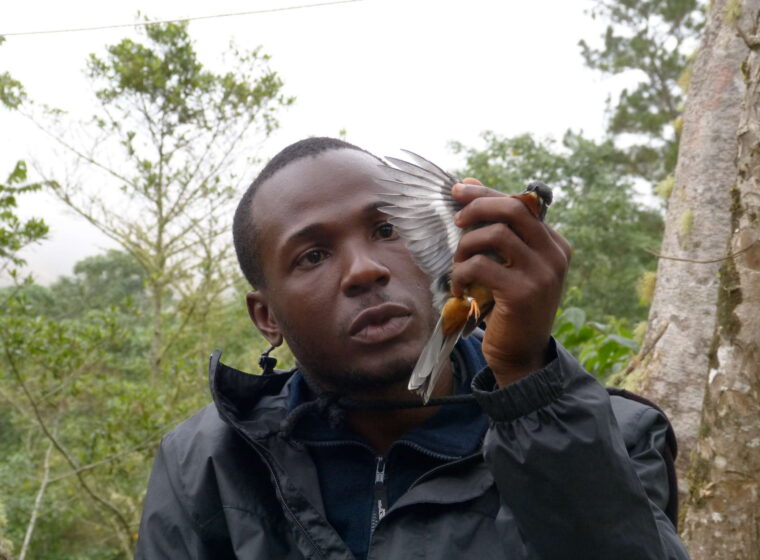
VCE offers sincere congratulations to our longtime Haitian friend and colleague Anderson Jean, who is the 2022 recipient of Stanford University’s prestigious Bright Award for conservation.
Field Guide to September 2022
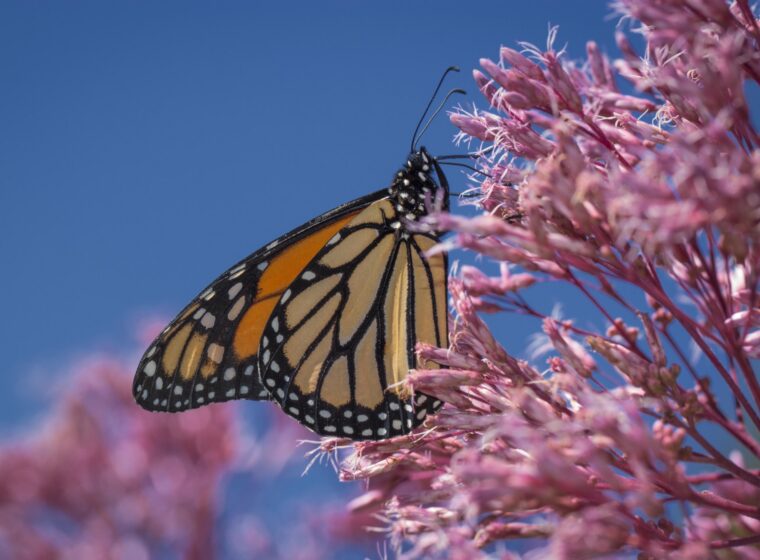
It can happen almost anywhere. On a cool, foggy morning, for example, when fall warblers drop from their nocturnal migratory flights into your backyard. Or when the Monarchs gliding past you under a cool blue sky convince you that summer is indeed over. Here is your field guide to life slowing down and on the move in September.
August 2022 Photo-observation of the Month
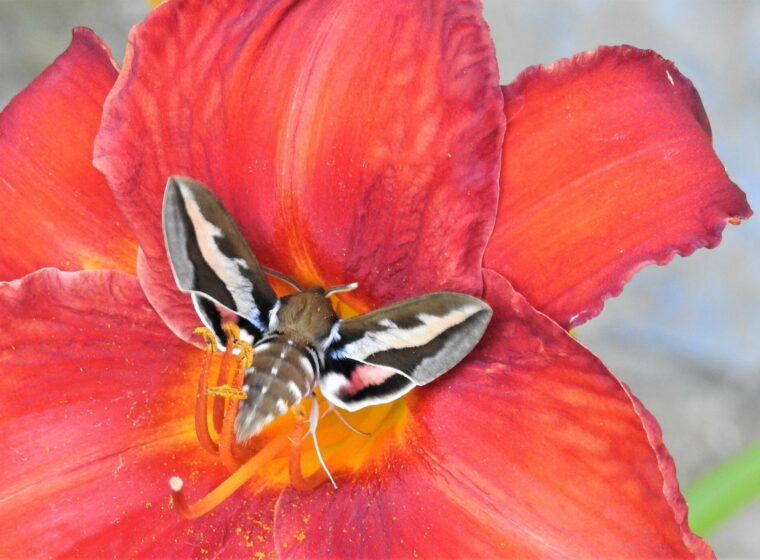
Congratulations to JoAnne Russo for winning the August 2022 Photo-observation of the Month for the Vermont Atlas of Life on iNaturalist! Her photo of a Bedstraw Hawkmoth visiting a daylily received the most faves of any iNaturalist observation in Vermont during the past month.
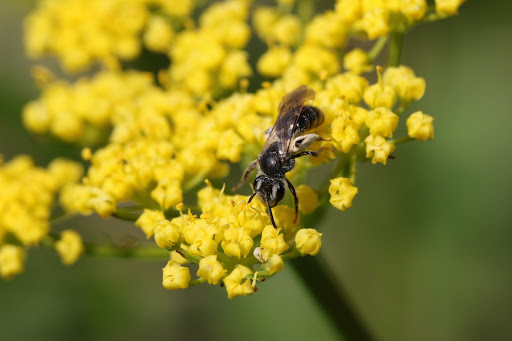
Summer Bee Update: Four Years in, the Flood of New Species is Becoming a Trickle
We began our Vermont Bee Survey project in 2019, and since then we have discovered over 50 new species in the state! This year has been the slowest year yet, but that hasn’t stopped us from swinging our nets. Read on to learn about the highlights of the 2022 bee season so far!
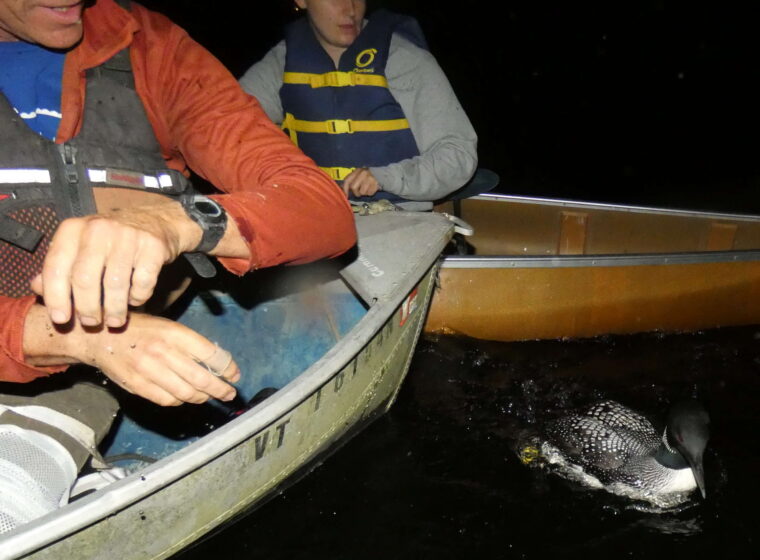
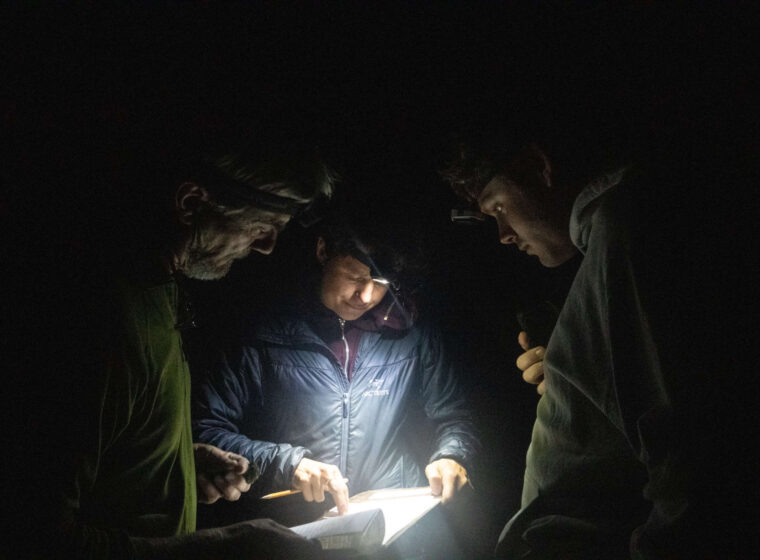
Banding Loons By Night
This summer, VCE’s loon conservation team spent two nights attempting (emphasis on attempting) to capture and band loons to learn more about their health and behavior. Despite a few misses, we caught loons on both Holland and Ewell Pond.
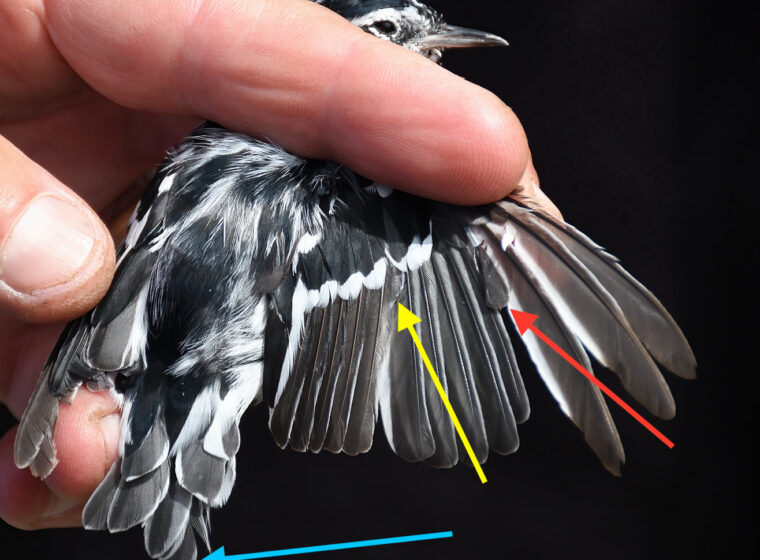
VCE Mansfield Summer Season Wraps Up Quietly
VCE’s final Mt. Mansfield field session of summer 2022 featured a paucity of mist net captures, several heavily molting adult birds, and a welcome chance to mentor the next generation of bird banders.
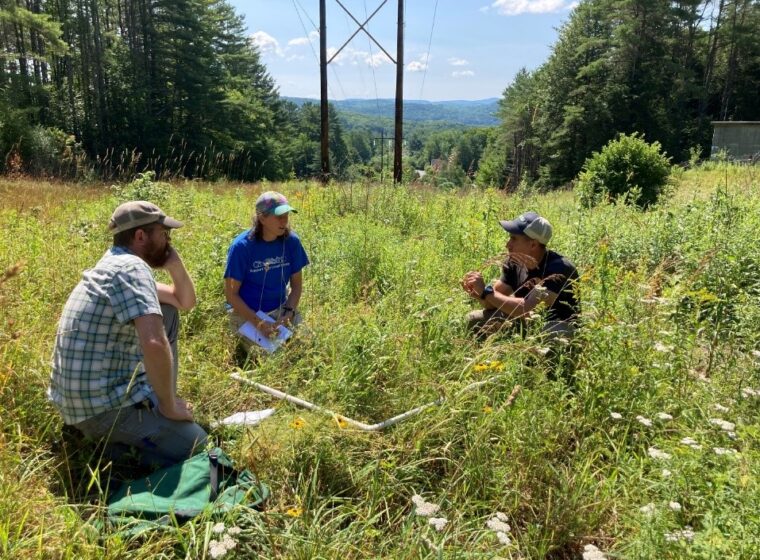
VCE Hosts First Community Science Teacher Workshop
Community Science has a place in just about everything VCE does: Providing members of the public opportunities to contribute to our research projects, adding observations to the Vermont Atlas of Life, even our motto “uniting people and science for conservation”. This past month, VCE host the it’s first Community Science Teacher Workshop.
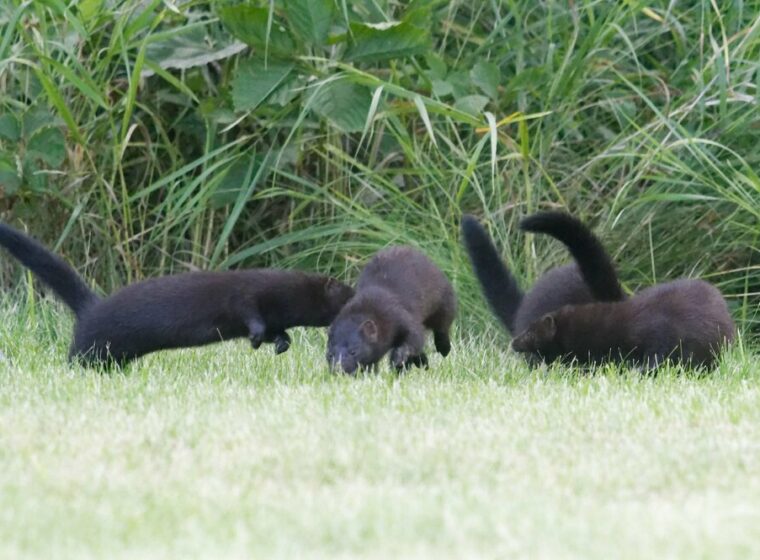
July 2022 Photo-observation of the Month
Congratulations to iNaturalist user hobiecat for winning the July 2022 Photo-observation of the Month for the Vermont Atlas of Life on iNaturalist! Their photo of a playful band of American Mink received the most faves of any iNaturalist observation in Vermont during the past month.
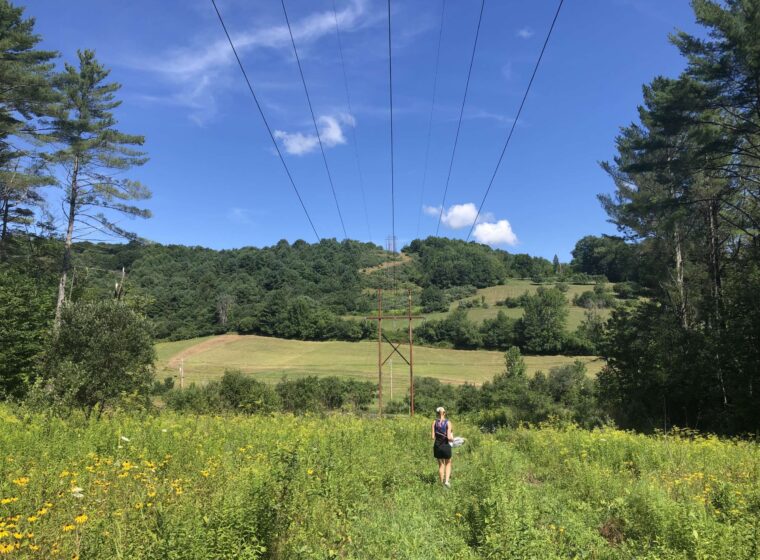
ECO Americorps Members Reflect on Their Time at VCE
ECO Americorps members Abbie Castriotta and Julia Pupko reflect on their term here at VCE. Abbie has been involved with multiple invertebrate studies, and has even created regional field guides for VCE. Julia has been working on the Lady Beetle Atlas project, surveying the entire state. She has even discovered several new species of Lady Beetle during her time here.
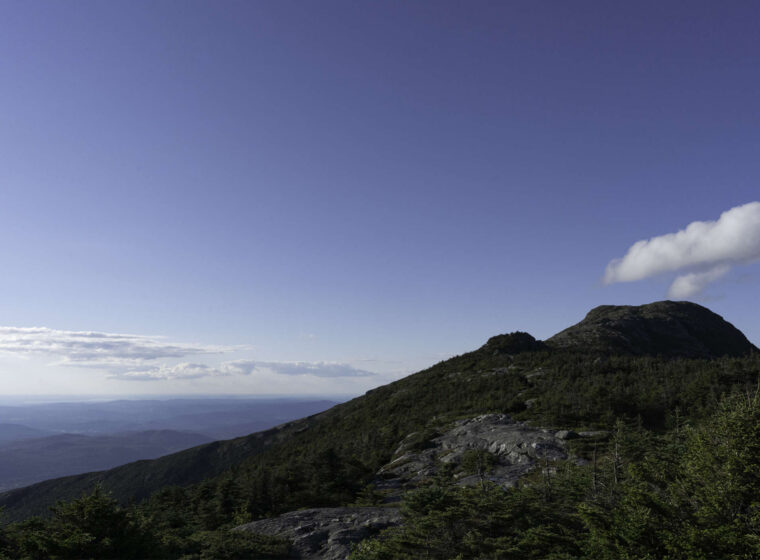
Field Guide to August 2022
FEAR NOT— we’ve still got plenty of summer here in Vermont and points north. So in this edition of VCE’s monthly field guide to nature, we’ll celebrate a few summer-breeding species. But we’ll also alert you to animals on the move. Yeah, the “M-word.” So if you’re not quite ready for fall migration, well, sorry…too late.
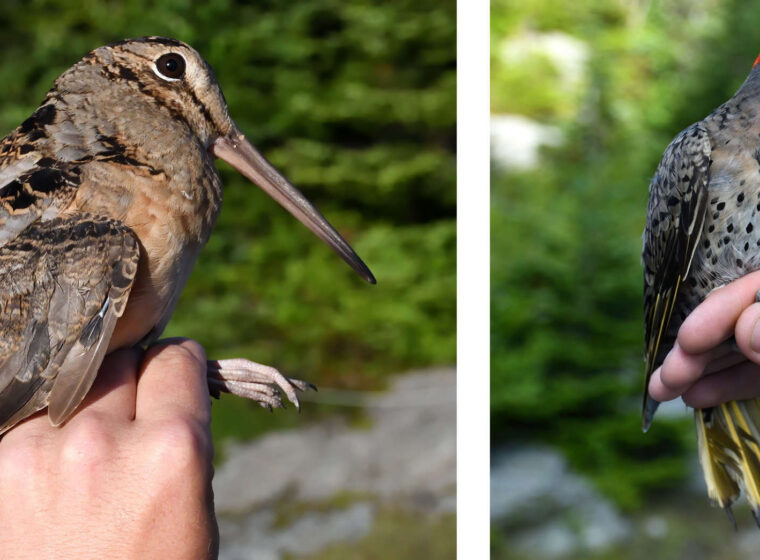
Non-Locals Surprise Banders on Mansfield as VCE Winds Down Season #31
The Mansfield ridgeline may be a far quieter place than it was a month ago, but there is never a shortage of avian surprises to be found. As VCE wraps up its 31st consecutive field season on the mountain, our mist nets produced more than one unexpected capture.
Mansfield Update: A Bird in the Bag is Worth Two in the Net
It was a slow night on Mansfield this week, that turned into an incredibly foggy but productive morning. Click to read the first-hand account from our communications assistant, who joined us this week.