How I Became a Bee Expert
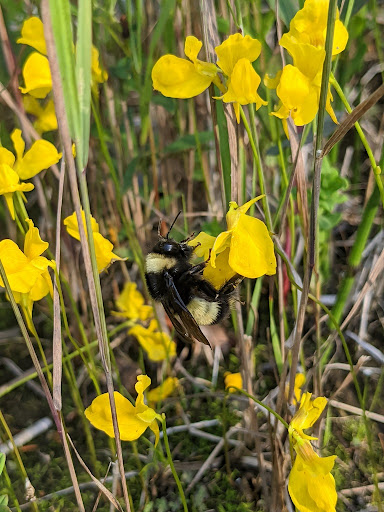
The summer after I graduated high school, I found a dream job. Kent Mcfarland had just launched the Vermont Bumble Bee Atlas and needed help tracking down Bumble Bees throughout the state.
The Caretakers: Reflections from 40 Years of Loon Volunteers
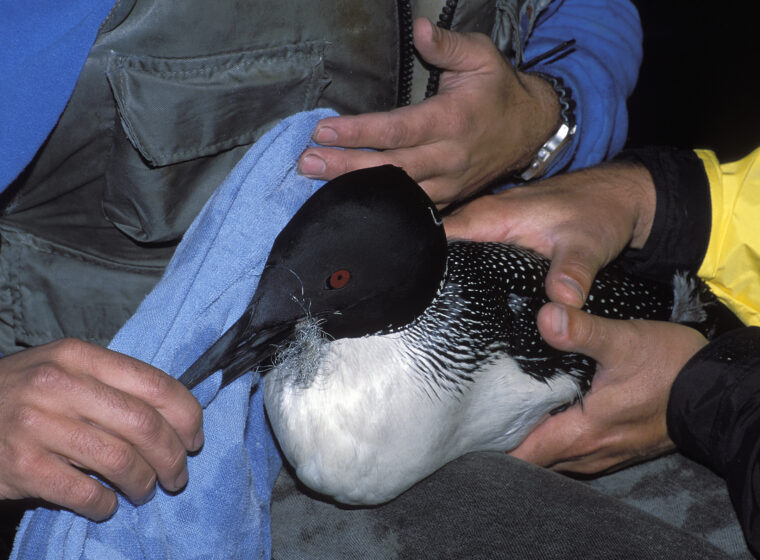
Loon conservation in Vermont is as much a story of people as it is of birds. From the most disheartening days of the state’s loon census in the 1980s through the incredible recovery we’re witnessing today, VCE volunteers on the Vermont Loon Conservation Project have been the beating heart of the stewardship effort.
Baby Birds and Bicknell’s Backpacks
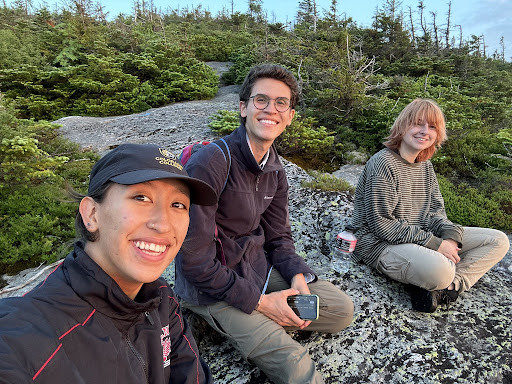
This week marked the beginning of a very exciting time of the summer–when we start catching fledgling baby birds!
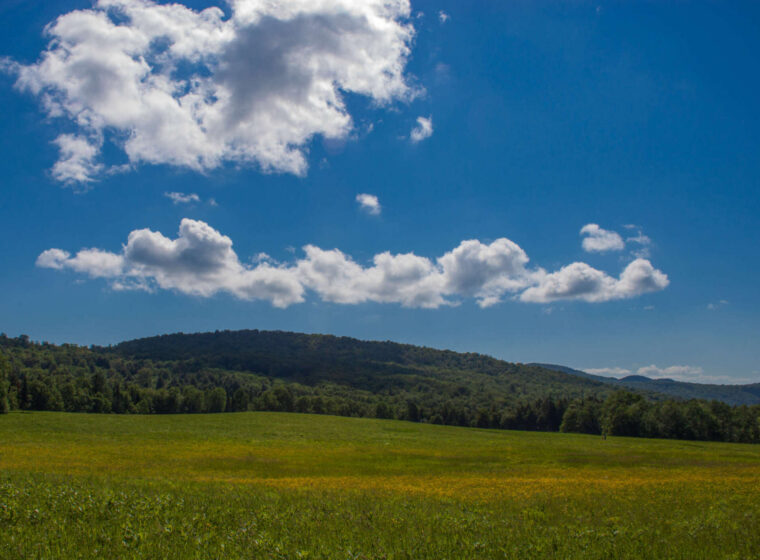
Field Guide to July 2023
The avian breeding season is winding down. Even a few southbound shorebirds will trickle through the region this month on their “fall” migration. But as the dawn bird chorus fades from northern woodlands, fields and wetlands erupt in the sparkle and drama of summer insects. Here’s a short guide to some of the other glitter now on the wing.
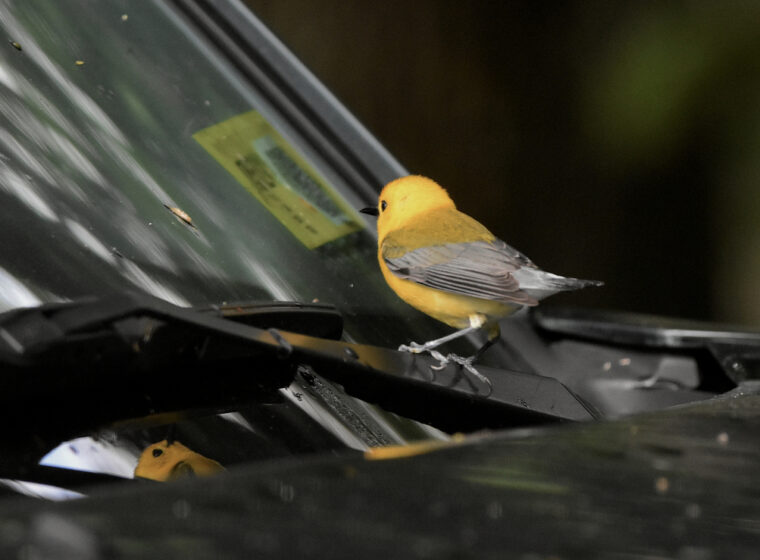
June 2023 Photo-observation of the Month
Congratulations to Craig Hunt for winning the June 2023 Photo-observation of the Month for the Vermont Atlas of Life on iNaturalist! His photo of a rare Prothonotary Warbler perched on his truck’s windshield received the most faves of any iNaturalist observation in Vermont during the past month.
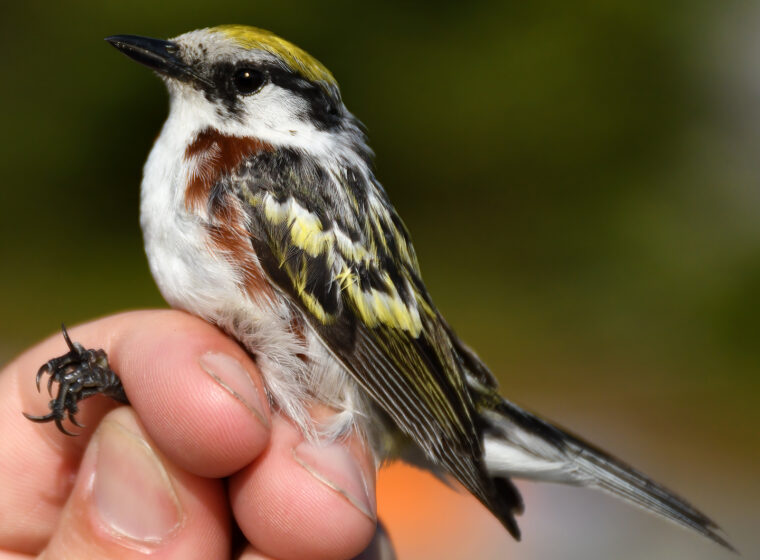
Mansfield Continues to Provide New Experiences, New Surprises, and New Research!
This week Mansfield provided beautiful weather and cooperative birds for week four. A crew of myself, Chris Rimmer, Melory Brandao, Kevin Tolan, Nathaniel Sharp, and Chris Hansen trekked up the mountain for two days. We were joined by new VCE intern Natalie DeVito, who is joining us for the summer between her semesters at Brown University.

New Report Uses Big Data to Establish Vermont Biodiversity Baseline
By 2100, Vermont is estimated to experience a net loss of 386 species (or 6%), under the current carbon emission scenario. This comes among several key findings outlined in a new report from VCE. It marks the 10th Anniversary of the Vermont Atlas of Life, an ambitious project that harnesses the power of community science and professional biologists to discover, document, and map Vermont’s biodiversity.
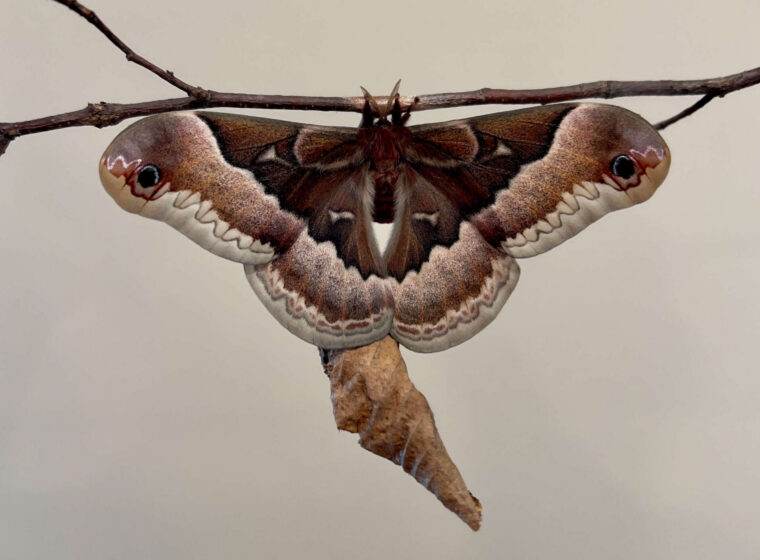
Field Guide to June 2023
Here in Vermont, we dream of June during the darkest days of January. Verdant wooded hillsides glowing brightly under a robin egg sky. Warm afternoon breezes rolling through the valleys as we lounge by the clear waters of a cold river. The chorus of birds waking us each morning. June is a dream here. Its days last forever.
Mansfield’s Ridgeline Lures VCE Back for Season #32
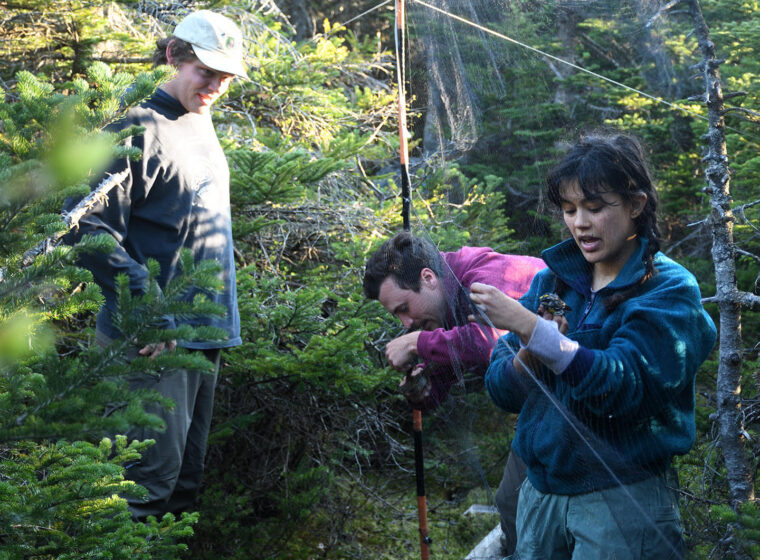
One could argue that after 31 years of studying Mt. Mansfield’s ridgeline breeding birds, the time has come to seek new horizons. Well, sorry, that’s just not the VCE way. We launched season #32 on May 31, taking advantage of unseasonably summerlike weather to capture a total of 58 birds.
May 2023 Photo-observation of the Month
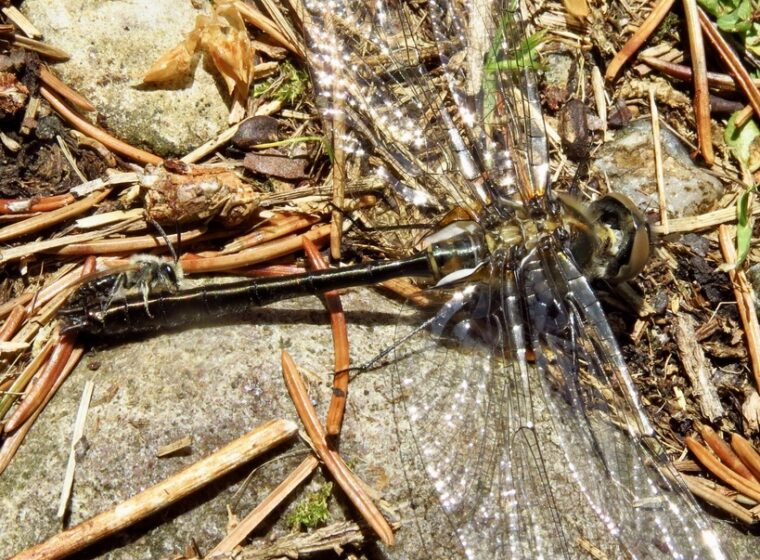
Congratulations to Bernie Paquette (aka bugeyedbernie) for winning the May 2023 Photo-observation of the Month for the Vermont Atlas of Life on iNaturalist! His photo of an unusual insect pair received the most faves of any iNaturalist observation in Vermont during the past month.
After Two Decades of Searching, Biologist Discovers Rare Butterfly in Vermont
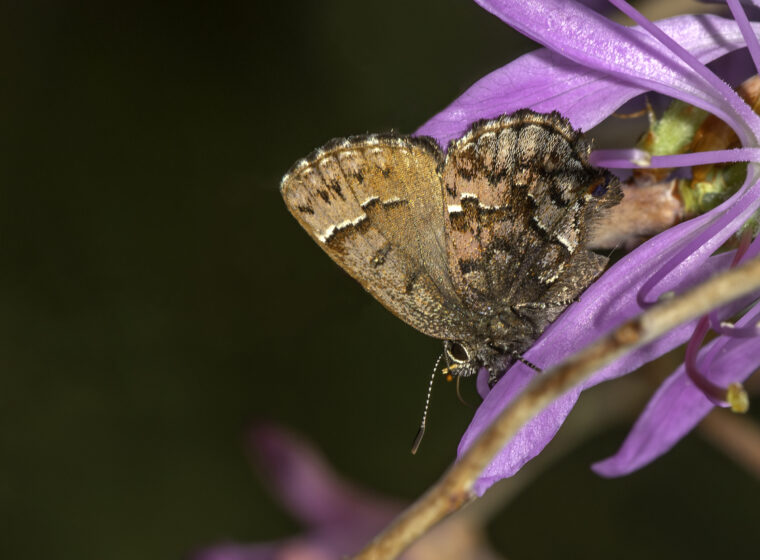
A rare and elusive butterfly has been discovered for the first time in Vermont, flying this spring at one of the state’s protected natural areas. Bog elfin, patterned in brown and rust, and no bigger than a penny, had eluded detection in the state until one flew past a Vermont field biologist who had been searching for it for two decades.
Global Launch of eButterfly
The Vermont Center for Ecostudies, Espace pour la vie in Montréal, and the University of Ottawa are proud to announce the worldwide launch of e-Butterfly. Thanks to the collaboration of…