A Tale of Two Recoveries
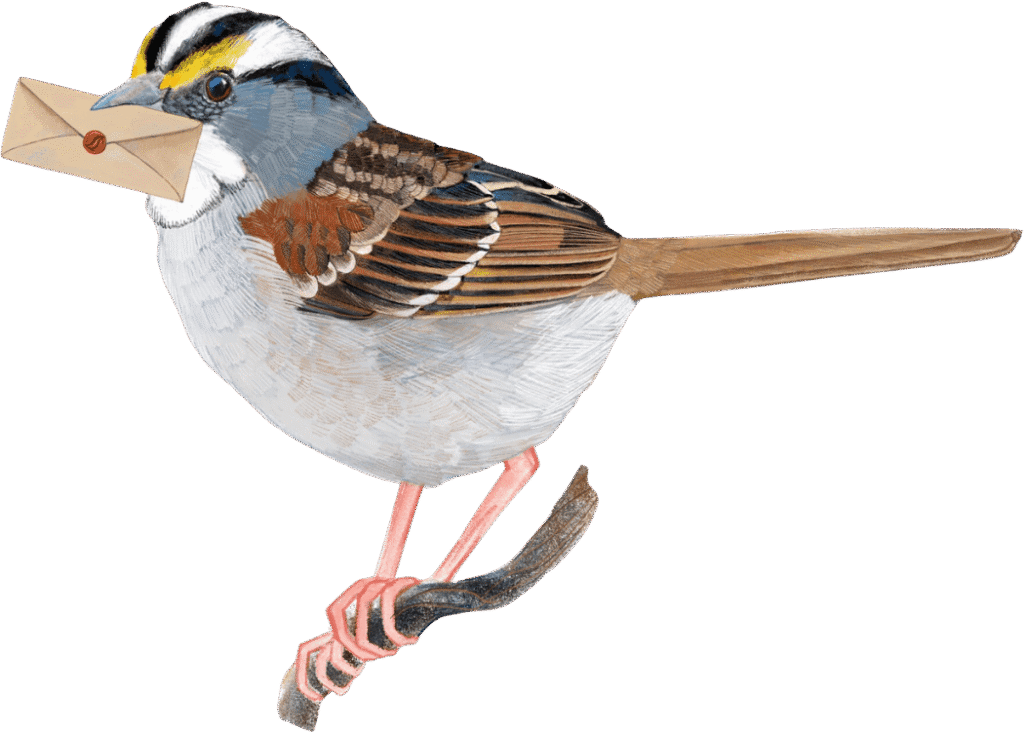
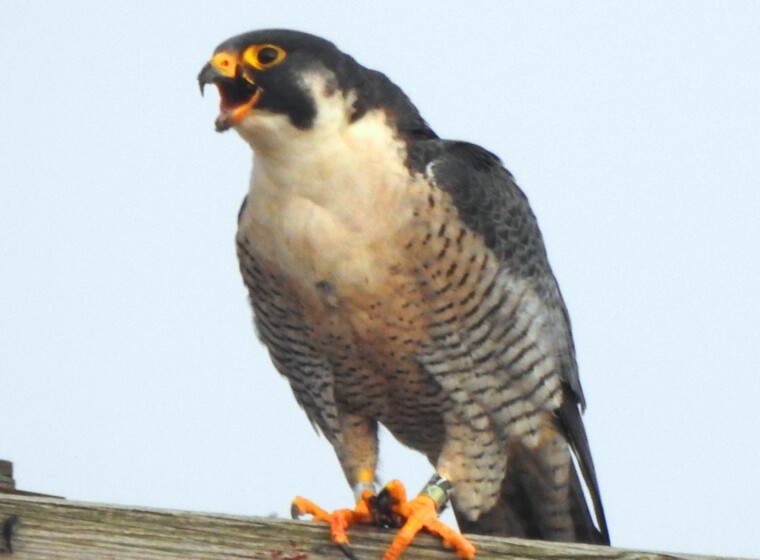
It’s extremely rare that banded birds are recovered or re-sighted outside of the immediate area in which they were banded. Imagine VCE’s surprise and excitement upon learning of two “foreign” band recoveries in 2017.
Field Guide to December 2017
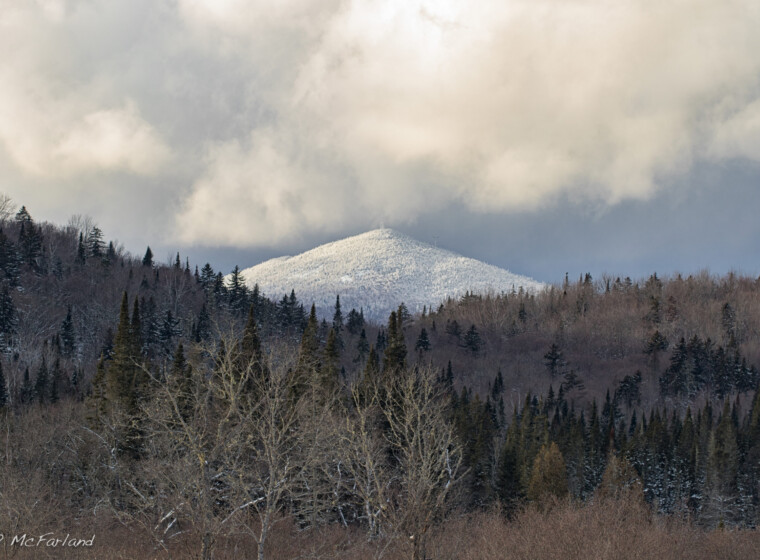
Fear not, during these short days and long nights of December, we’re still finding plenty of life in the fading light. Once we pass the winter solstice, which strikes at 11:27 am on December 21st, more light will begin to creep back into our lives. Until then, here’s some wintry natural history to keep you going.
Join Outdoor Radio Live on Facebook
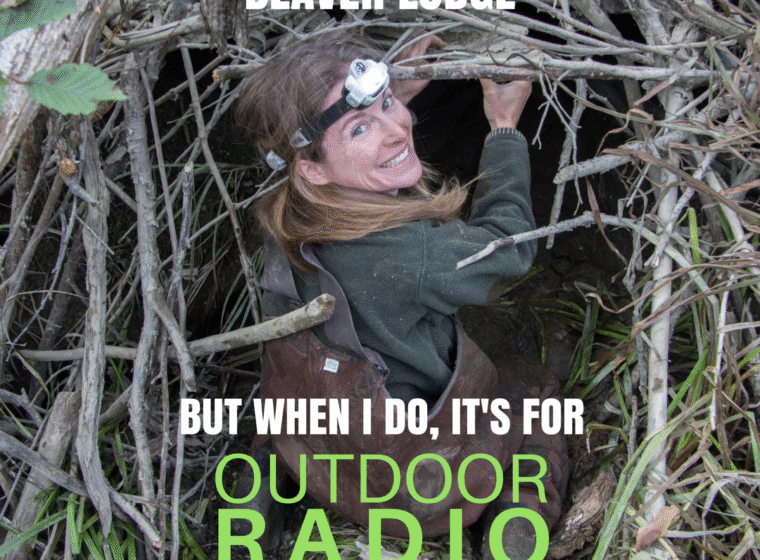
I hope you’ll tune into Outdoor Radio at the Vermont Center for Ecostudies for a FaceBook live event on Tuesday, November 28th from 12-1pm. I will be joining my Outdoor Radio co-host Sara Zahendra and VCE conservation biologist Steve Faccio, to answer all your burning questions about the natural world – from birds to butterflies, vernal pools to mountain tops, we’ll cover it all.
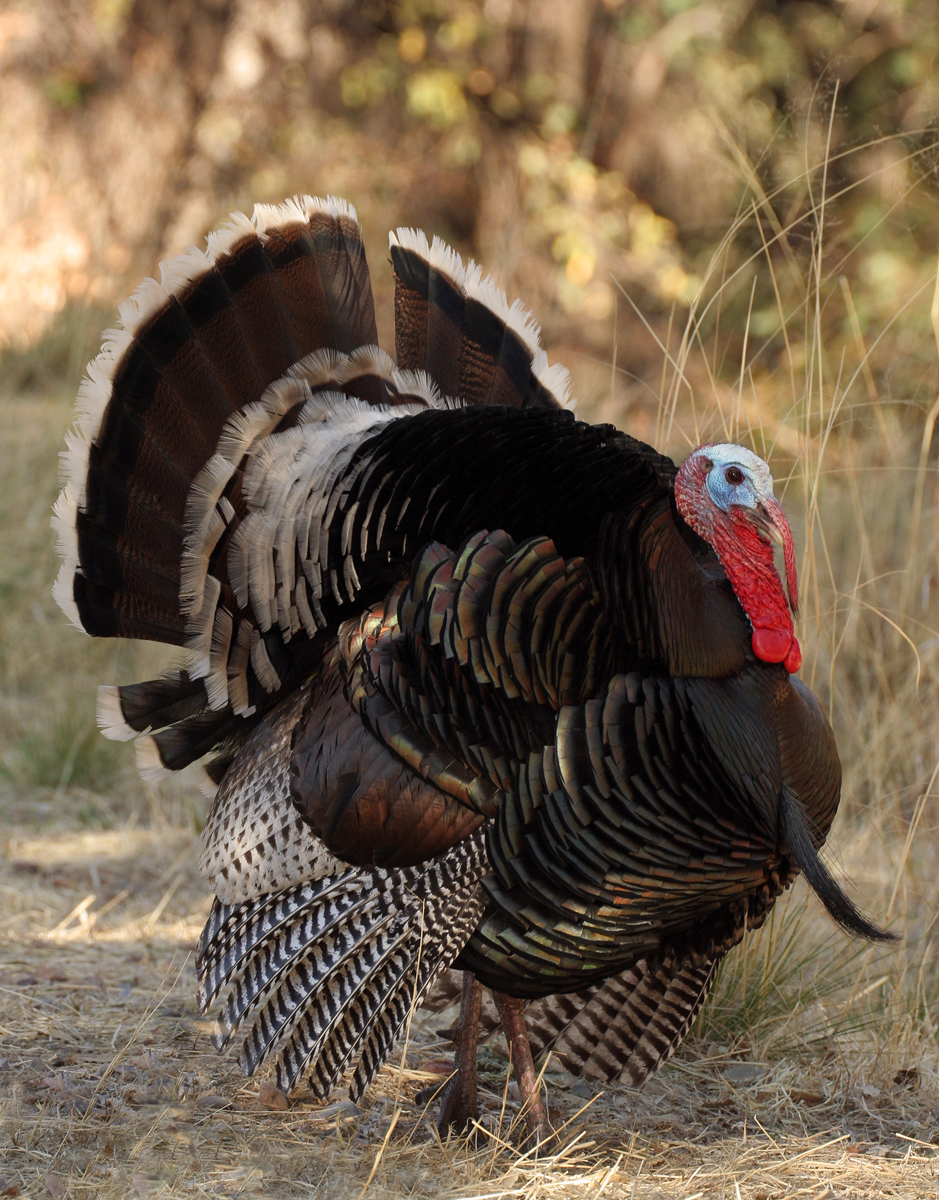
Swooning for the Snood
How do you choose your turkey? It might be by weight. Perhaps it is from a favorite farm. Or it could be a brand that you like. But if you were a female turkey, you’d be looking at the snood.
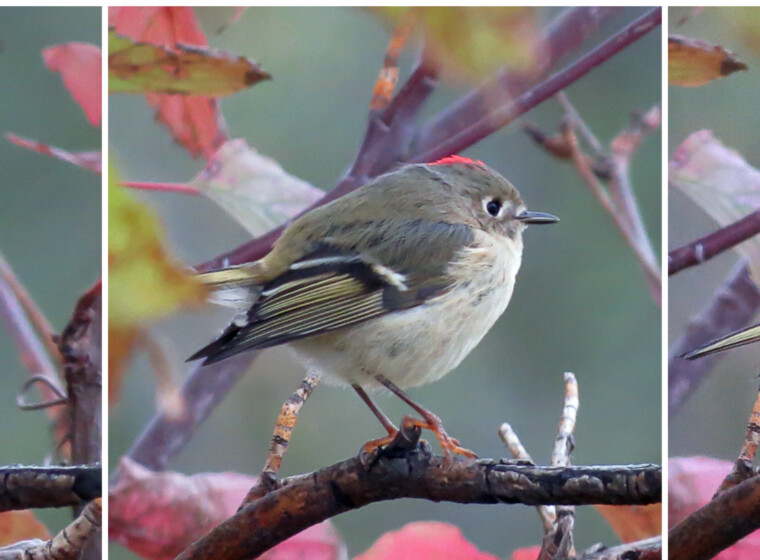
October 2017 iNaturalist Vermont Photo-Observation of the Month
Congratulations to Charlotte Bill for winning the October 2017 iNaturalist Vermont photo-observation of the month contest. The images of Ruby-crowned Kinglet with its crest partly raised were the most popular photo-observation as measured by clicked ‘favs’.

Field Guide to November 2017
“Stick Season,” when the woods are gray and cold, is anything but lifeless. Fall migration continues with passing waterfowl and the final hawks drifting south. The year’s last butterflies remain on the wing. And winter visitors – like Common Redpolls – will be arriving in good numbers. Here’s more in our Field Guide to November.
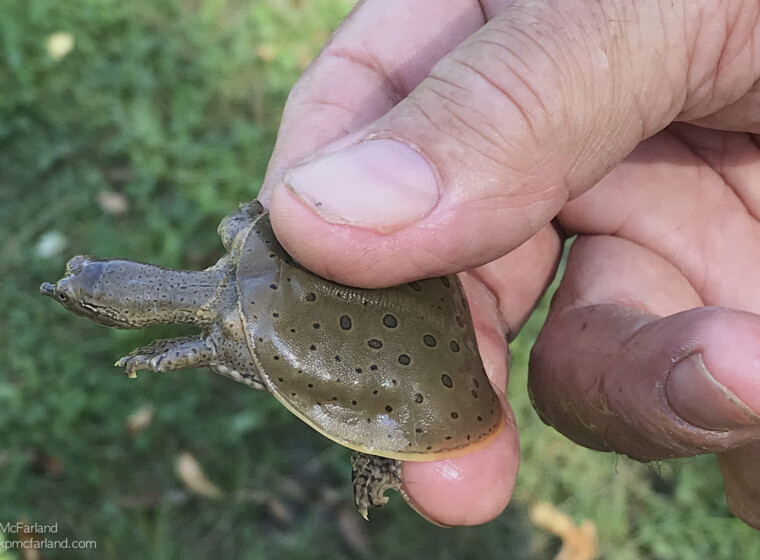
Outdoor Radio: Spiny Softshell Turtles
With a pointed snout and a leathery shell, the Spiny Softshell Turtle is certainly one of Vermont’s odder-looking reptiles. It is also listed as Threatened in Vermont. Steve Parren of…
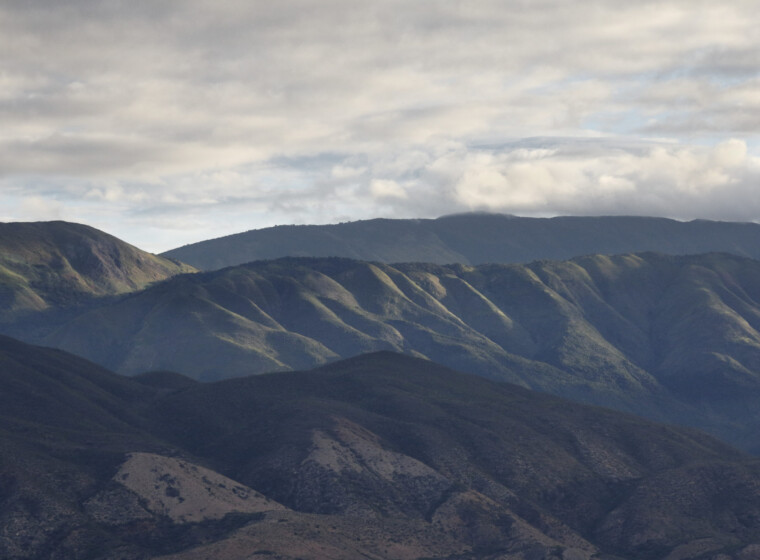
A Plan for the Future of Sierra de Bahoruco
The Sierra de Bahoruco National Park rises from arid plains in the far southwest of the Dominican Republic. Despite the good intention behind the establishment of the park, most now agree that it is failing to serve its purpose. But an important effort to address these threats and ensure a healthy future for the park is underway.
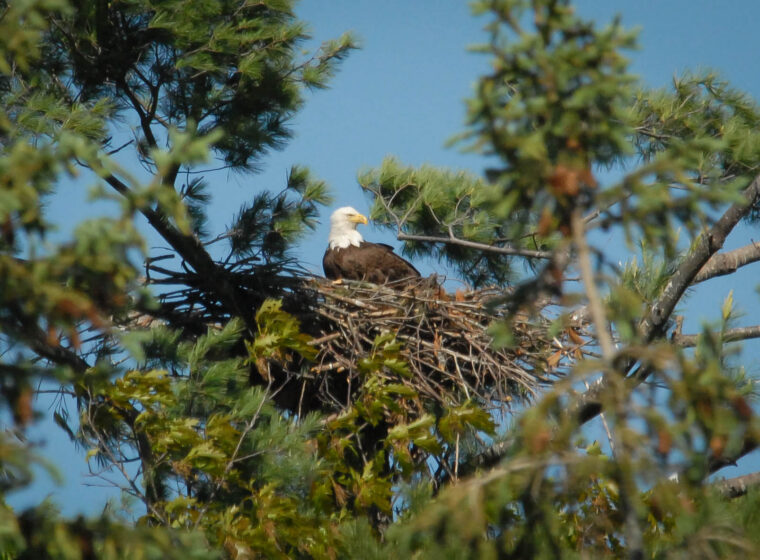
Vermont Bald Eagles Nest in Record Numbers in 2017 – Peregrine Falcons, Common Terns, and Loons also successful
Vermont’s Bald Eagle population continued its recovery in 2017. Twenty-one pairs of adult Bald Eagles successfully produced 35 young in Vermont in 2017, a modern-day record.
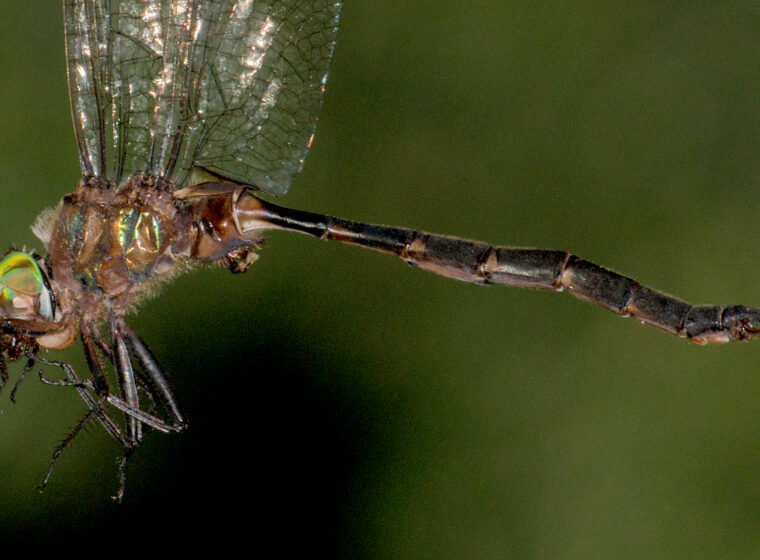
September 2017 iNaturalist Vermont Photo-Observation of the Month
Congratulations to Josh Lincoln for winning the September 2017 iNaturalist Vermont photo-observation of the month contest. His image of an Incurvate Emerald (Somatochlora incurvata) was the most popular photo-observation as measured by clicked ‘favs’, and for a good reason. This was the first record for the species in Vermont.
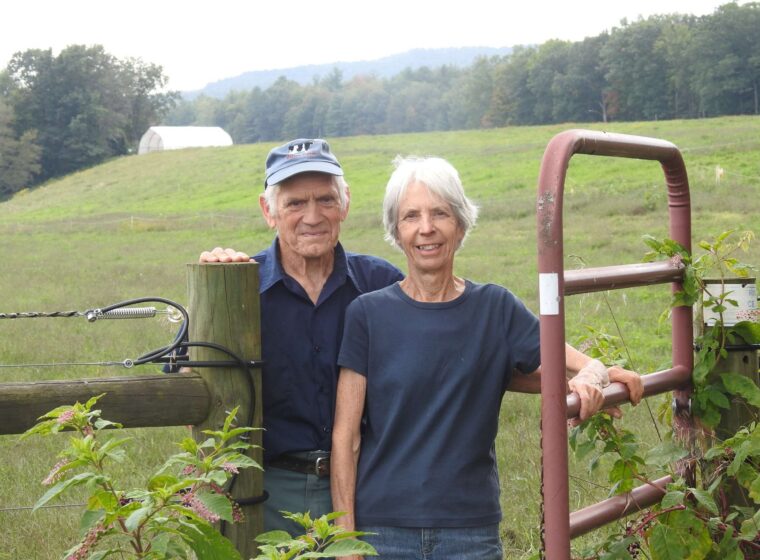
Making Room for Meadowlarks
Once a regular summer breeder, Eastern Meadowlarks have been declining across much of New England. So when a pair of meadowlarks was spotted on Miller Farm in southern Vermont, I wasted no time. Paul and Mary Miller agreed to meet with me the next day.
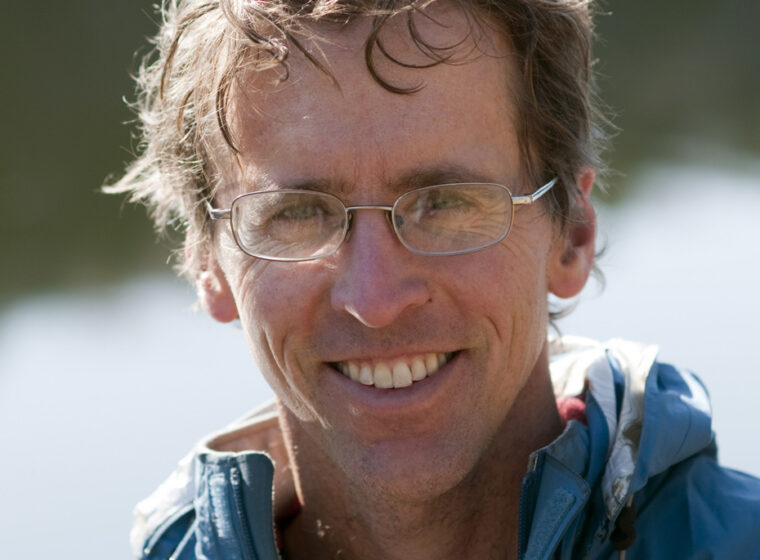
Twenty Years as the Vermont Loon Biologist – a retrospective
This year marks two decadal anniversaries: the 40th year of the Vermont Loon Conservation Project (VLCP) and my 20th year coordinating that core VCE program.