Posts by Vermont Center for Ecostudies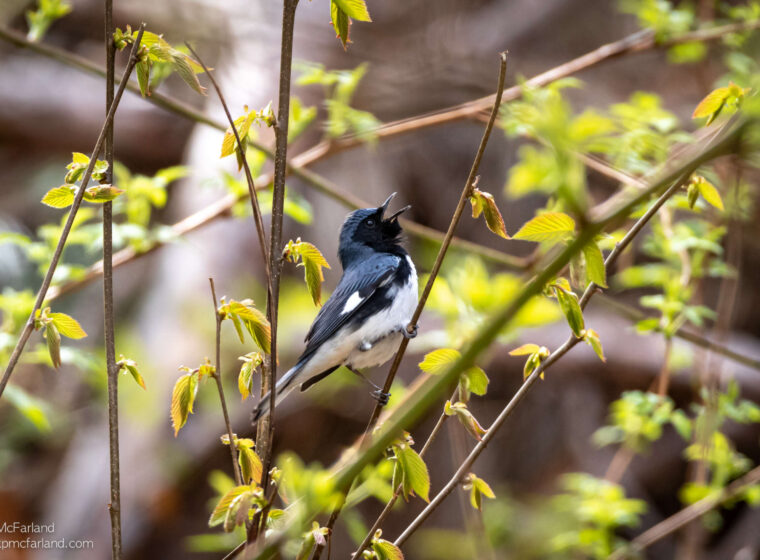
Field Guide to May 2023
The month of May is a show-off. Grass glows green under the deep blue sky. Woodland wildflowers jump out of the ground. Trees flower, and leaves burst from long-dormant buds. Birds arrive on southern night winds and liven the dawn with their chorus. May shouts of life and rejuvenation. Here’s your monthly guide to some of this month’s delights.
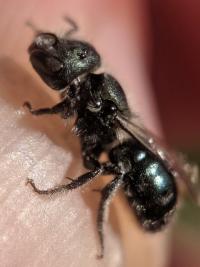
Gardening for Bees
A guide this spring, for the do’s and don’ts of backyard gardening if you want to attract native bees.
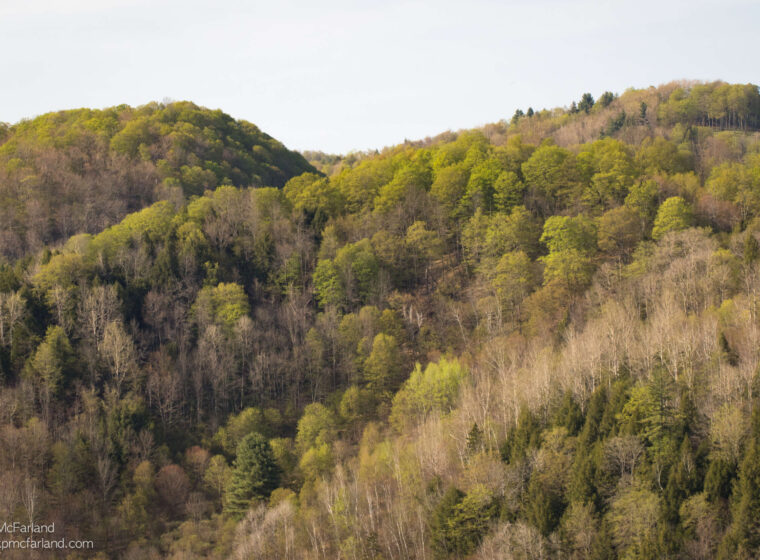
Field Guide to April 2023
In April, the northern forest is laid bare with cold desire, and our long-dormant senses awaken. Here’s our guide to some of the joys this month brings.
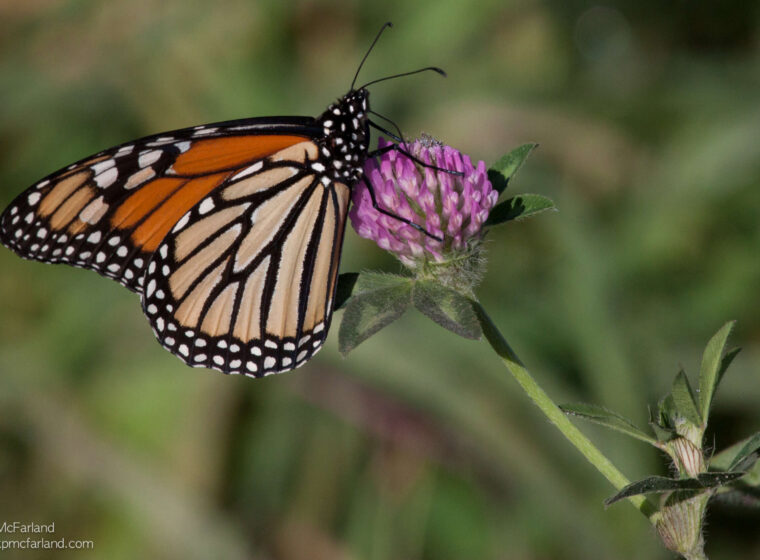
Join the Second Vermont Butterfly Atlas
Vermonters now have another excuse to get outside on sunny days: to join a statewide survey of the most angelic insects—butterflies. VCE is recruiting volunteers to help search fields and fens, mountains and meadows, and even their own backyards to help document the status of Vermont’s butterflies.
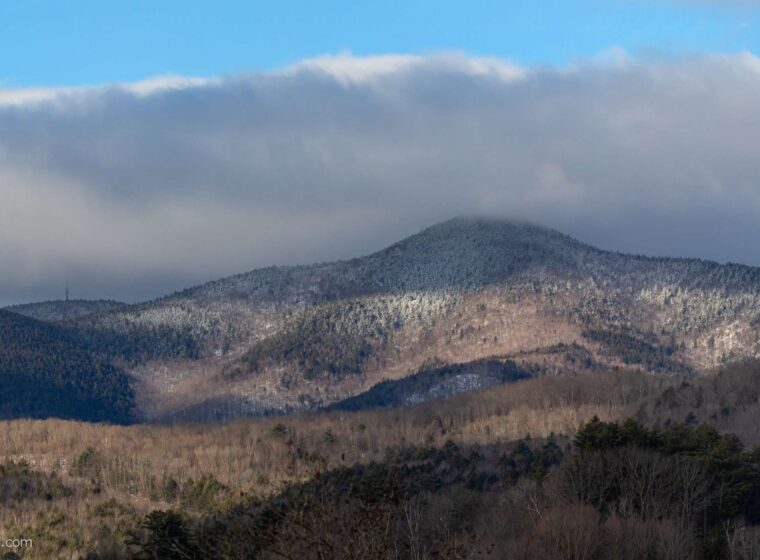
Field Guide to March 2023
On Wednesday, March 20th, at 5:24 PM EST, spring arrives in the north. The spring equinox marks the moment the sun crosses the celestial equator – an imaginary line in the sky above Earth’s equator – from south to north. It is also at spring equinox that people worldwide can see the sun rise exactly due east and set exactly due west. While the sun may be predictable, March weather is not. In fact, March is appropriately named for the Roman god of war, Mars. March is a month of battles between warm and cold, between winter’s refusal to leave and spring’s insistence on coming. So, here are some signs of spring to look out for in this Field Guide to March.
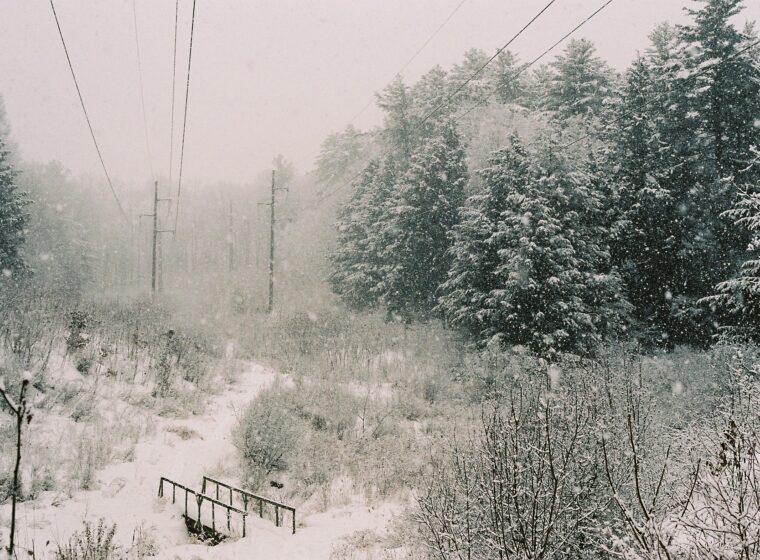
Field Guide to February 2023
This month, wildlife and the rest of us here in New England will cross an arbitrary, not insignificant threshold: 10 hours of daylight. Even though we’ve got lots more winter, at least the sound of spring is in the air. So here’s a Field Guide to February to help get your hopes up, no matter what that sleepy woodchuck predicted.
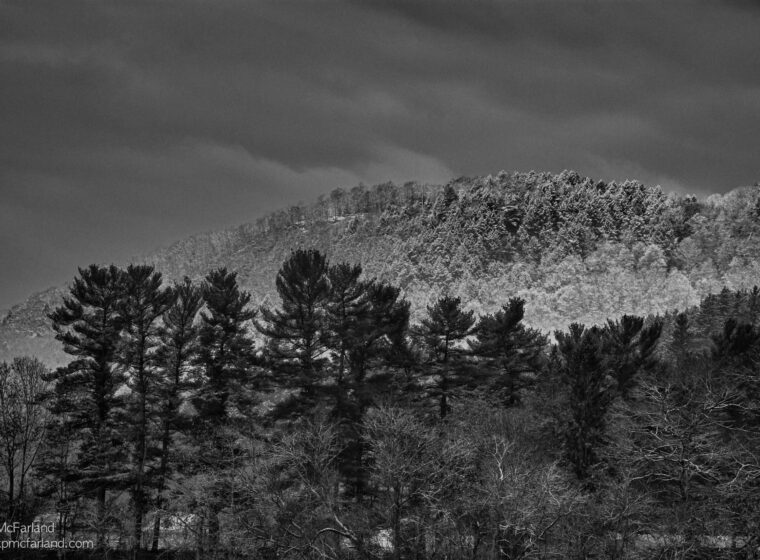
Field Guide to January 2023
Although the days are slowly growing longer, life in the Northeast now finds itself in the coldest depths of winter. January is about survival. Wildlife that doesn’t migrate adapts instead to make it to spring. Here are a few tidbits of natural history happening outdoors this month around you.
VAL Gets a ‘Boost’
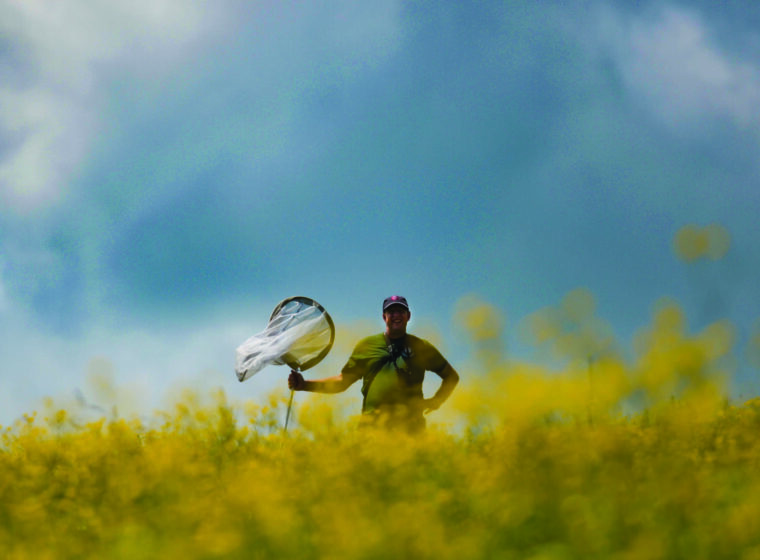
Vermont Atlas of Life (VAL) director Kent McFarland was recently recognized on behalf of the VAL team’s work with a 2022 SciSTARter Boost Award. He is among ten individuals who received this inaugural award for their outstanding work with community science.
Field Guide to December 2022
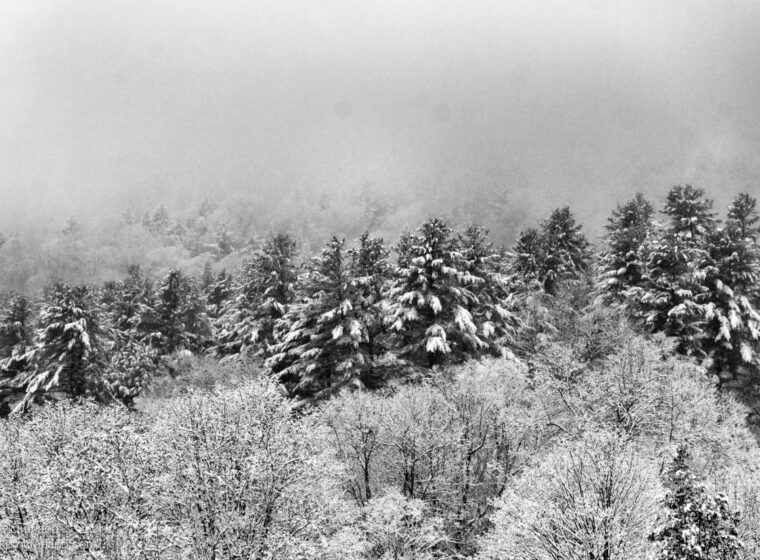
Fear not; during these short days and long nights of December, there’s still plenty of life in the fading light. Once we pass the winter solstice, which strikes at precisely 4:47 PM on December 21st, more light will creep back. Until then, here’s some wintry natural history to keep you going.
Field Guide to November 2022
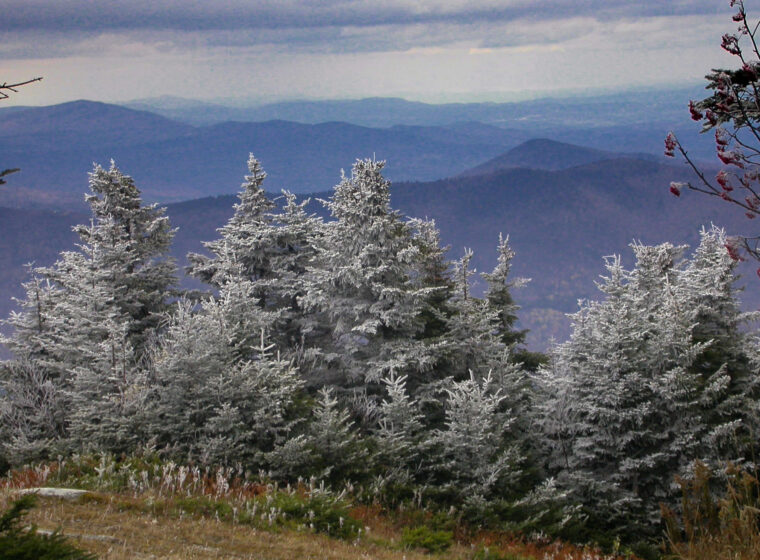
With November comes a stronger nip to the morning air and the rushed activity of wildlife either preparing for their winter stay or leaving Vermont for their winter location. There is a sense of fall finality as the last deciduous trees drop their leaves. November also hails some of Vermont’s winter migrants, coming just in time to catch the first flakes. Learn more in our Field Guide to November.
Field Guide to October 2022
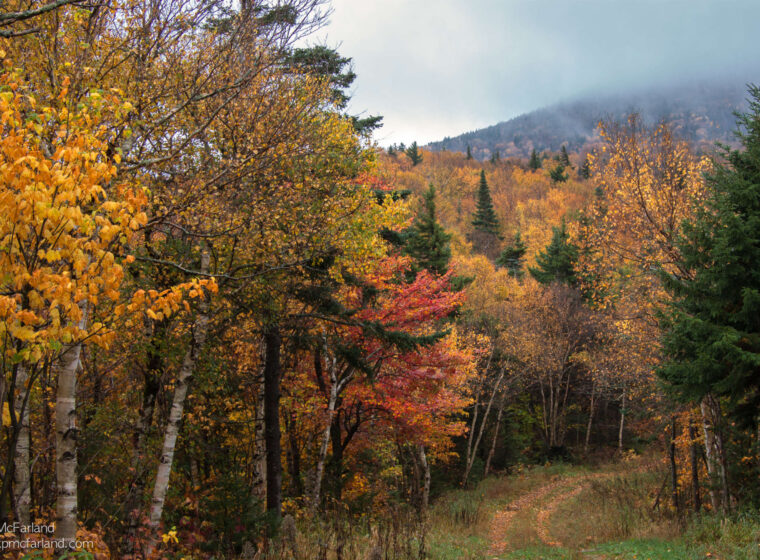
October is a memorable month for many reasons. The leaves change from summer emerald to autumn auburn and gold. Creatures of all sizes flit and scurry as they prepare for winter. And people’s homes become adorned with carved pumpkins, cackling witches, and looming ghosts. This field guide highlights a handful of Vermont’s Halloween-themed biodiversity in honor of the season. But beware—some of nature’s marvels can be frightful.
Field Guide to September 2022
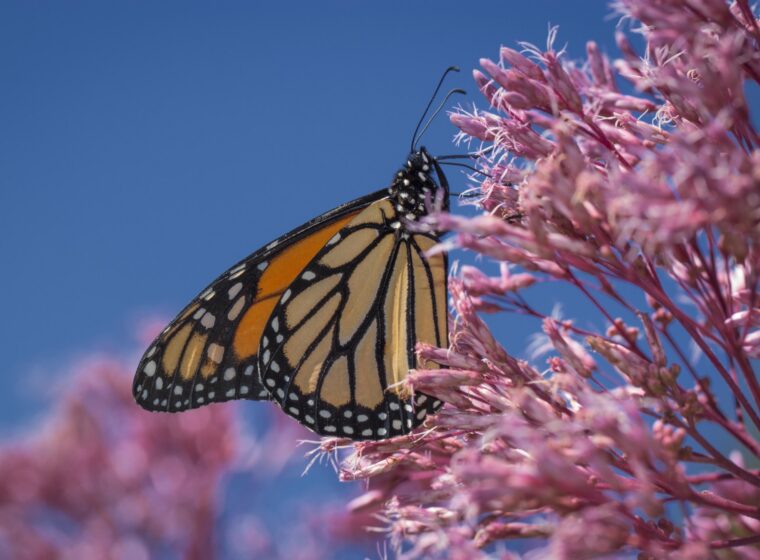
It can happen almost anywhere. On a cool, foggy morning, for example, when fall warblers drop from their nocturnal migratory flights into your backyard. Or when the Monarchs gliding past you under a cool blue sky convince you that summer is indeed over. Here is your field guide to life slowing down and on the move in September.