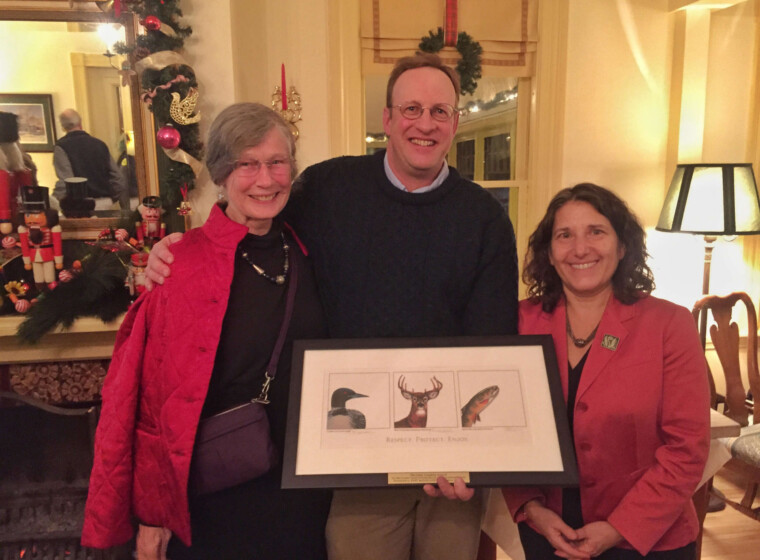
Kent McFarland Receives 2016 Sally Laughlin Award
At VCE’s annual holiday celebration on December 6, our very own Kent McFarland received the first-ever Sally Laughlin Award for the Conservation of Endangered and Threatened Species. ANR Secretary Deb Markowitz presented the award, and Sally Laughlin – who inspired it – was there to share the special moment.
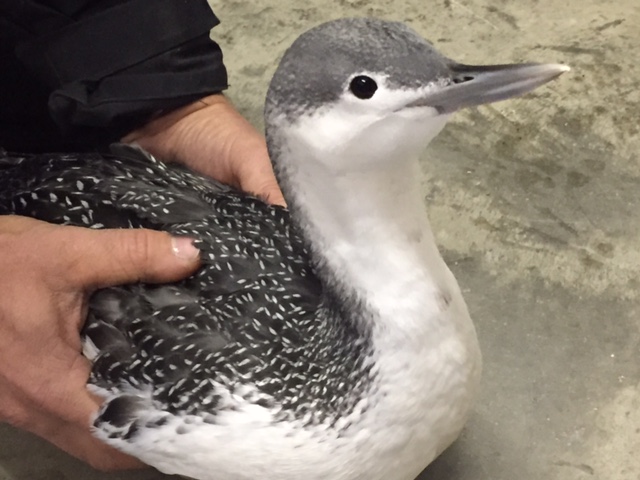
A Red-throated Loon Drops in for Thanksgiving
Last night, this exquisite bird was found in the middle of the road along Route 15 in Walden Vermont
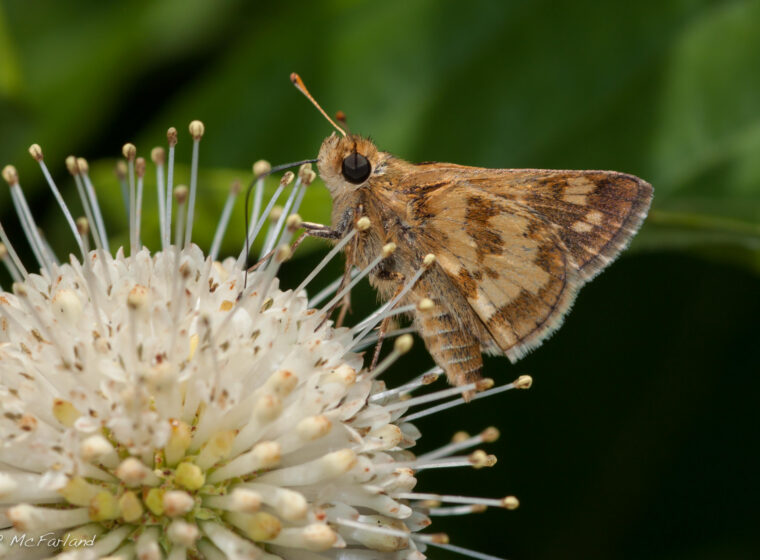
Vermont Butterfliers Tally Big Numbers in 2016
Naturalists love a challenge. For years, birders have ardently (sometimes obsessively) racked up species via county or state lists, year lists, and Big Days. Recently, that trend has encompassed butterflies….

A Learning Experience
Amber Wolf (left) was our inaugural Alexander Dickey Conservation Intern. Her enthusiastic spirit embodied Alex’s deep-rooted interests and abiding respect for the natural world.
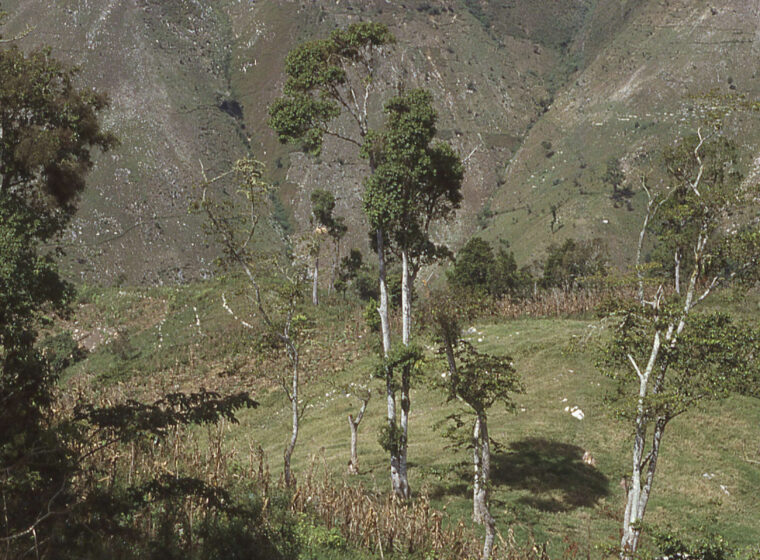
Measuring the Loss of a Thrush’s Forest
Scientists at VCE are using a world database of forest change to examine conditions of the forests on Hispaniola that provide habitat for Bicknell’s Thrush, and the results are alarming. Nearly 240 square miles of potential habitat has been lost between 2000 and 2014.
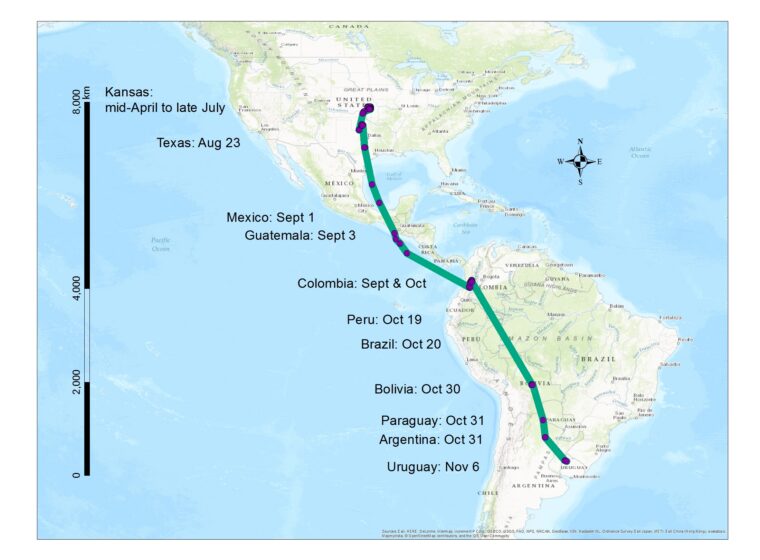
VCE Tracks Upland Sandpiper Across 10 Countries During Fall Migration
The results of our grassland bird research partnership with the Department of Defense Legacy Program have been eye-opening. This past summer we outfitted 15 Upland Sandpipers with satellite tags at…
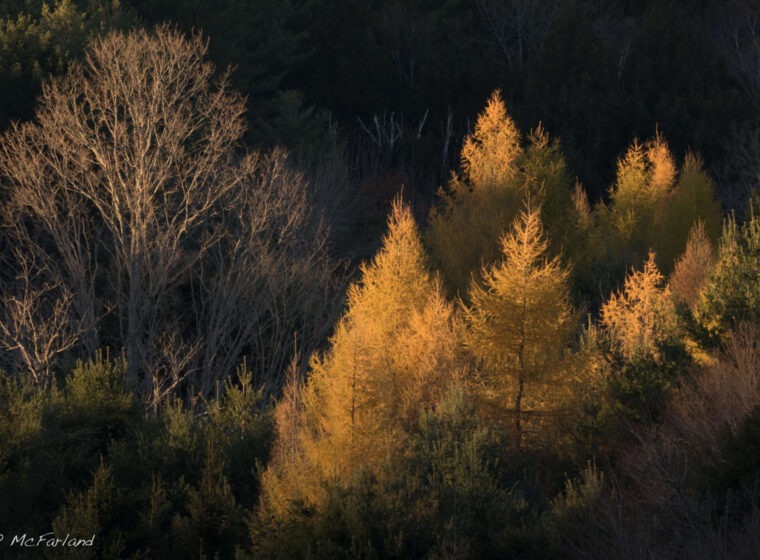
Field Guide to November 2016
We call November “Stick Season” here in New England, when the woods are gray and cold and the leaves have mostly fallen. But it’s anything but lifeless. Bird migration continues. The year’s last butterflies flutter on a stray warm day. Learn more about November life in this edition of our monthly Field Guide.
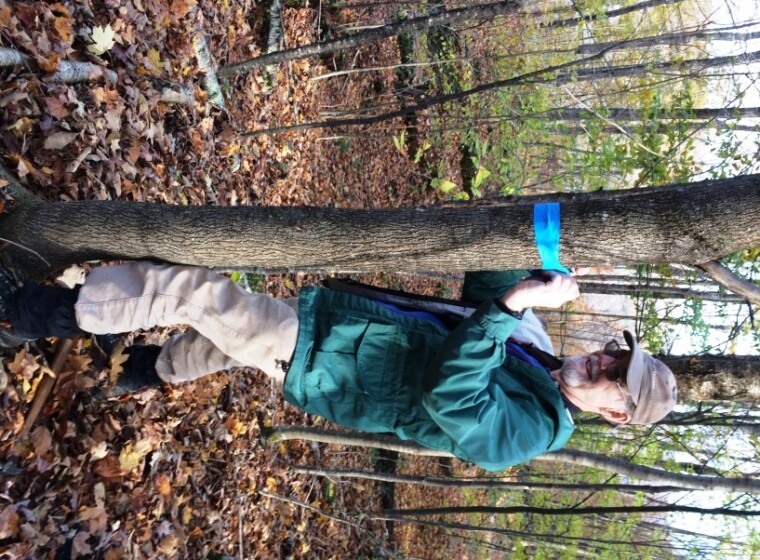
Volunteer Spotlight: Allon Wildgust—Above and Beyond the Call of Duty
Sometimes volunteers do more than what is expected of them for a given project. Allon Wildgust is a case in point. Since 2010, Allon has been surveying our Forest Bird…
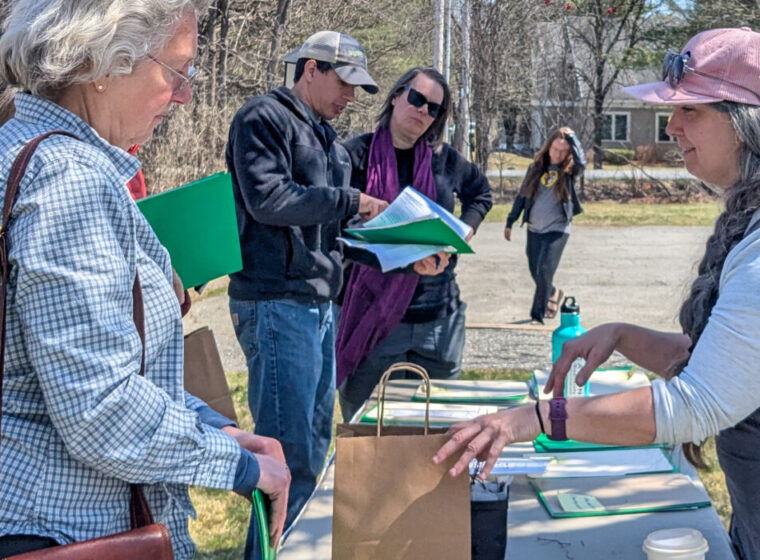
October 2016 iNaturalist Vermont Photo-observation of the Month
Congratulations to Daron Tansley for winning the October 2016 iNaturalist Vermont photo-observation of the month contest. His image of a Red Fox hunting small mammals was the most popular photo-observation as measured by clicked ‘favs’. Red…
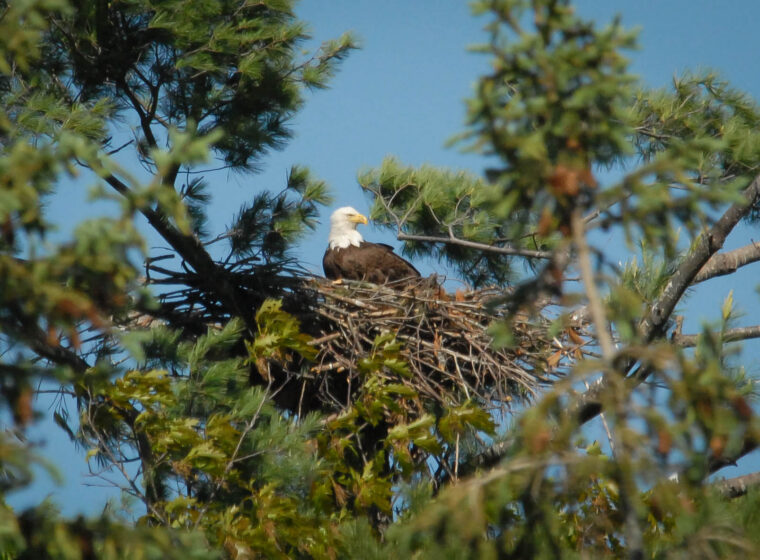
Record Number of Bald Eagles Nested in Vermont in 2016
Bald eagles produced 34 successful young in Vermont in 2016, smashing the most recent record of 26 in 2013 according to the Vermont Fish & Wildlife Department. The birds remain on the list of species protected under Vermont’s state endangered species law, but this strong year has conservationists hopeful for their continued recovery.
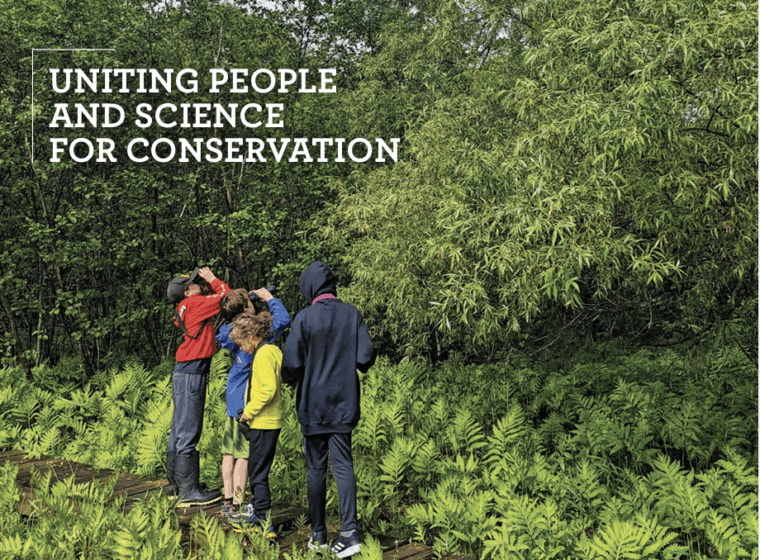
Outdoor Radio: Inside a Lodge
Climb into a beaver lodge with hosts Sara Zahendra and Kent McFarland and learn about beaver adaptations and their life in the lodge.

Print a Checklist Instantly with Vermont eBird
You can discover the best places for birding in Vermont (or around the world) using the Vermont eBird hotspot explorer. And now, you can even print out a bird checklist from any hotspot to carry with you in the field or study at your leisure.