Finding Ferns
We found 22 fern species during an iNaturalist Vermont walk with interns and citizen naturalists on a two-hour tour of Marsh-Billings-Rockefeller National Historical Park. Led by VCE’s Kent McFarland and Park ecologist, Kyle Jones, the group was able to document 17 of those with photos in iNaturalist Vermont, a project of the Vermont Atlas of Life.
A Ghost in the Making Released Online
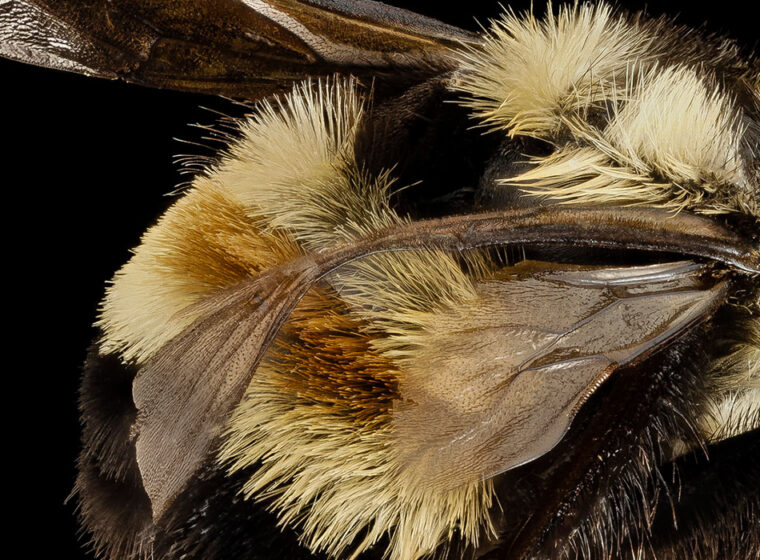
A Ghost in the Making: Searching for the Rusty-patched Bumble Bee, an enchanting short film about the disappearance of the Rusty-patched Bumble Bee and one man’s journey to find out what’s happened to it, is now available to watch online.

Vermont iNaturalist Discovers a New Population of a Rare Dragonfly
As a novice photographer, James Welch enjoys documenting the biodiversity he sees around his home turf. With his camera in hand while walking his dog last week, Welch stumbled upon a rare find.

Mansfield Update: Hardy Survivors and a Site-faithful Sharpie
After forced cancellation of a planned field trip to Mt. Mansfield in early June, when wind chills on the ridgeline plummeted to 14 degrees F, VCE returned on June 15-16. The avian chorus was subdued, but the hardiness of resident birds was evident. A male Sharp-shinned Hawk banded in 2013 was a surprise returnee in our nets.

A loon and eagle having a showdown
I was literally in the middle of a stand-off between two showy birds.

Reports of color-banded birds are rolling in!
Reports of color-banded Gray Catbirds and Song Sparrows are now showing up regularly on eBird checklists from the Buzzell Bridge Road and Mystery Trail areas of Union Village Dam thanks to keen observers like Mary Waugh, Jenn Megyesi, and Kathy Thompson.
Looking for WHIPs in all the Wrong Places
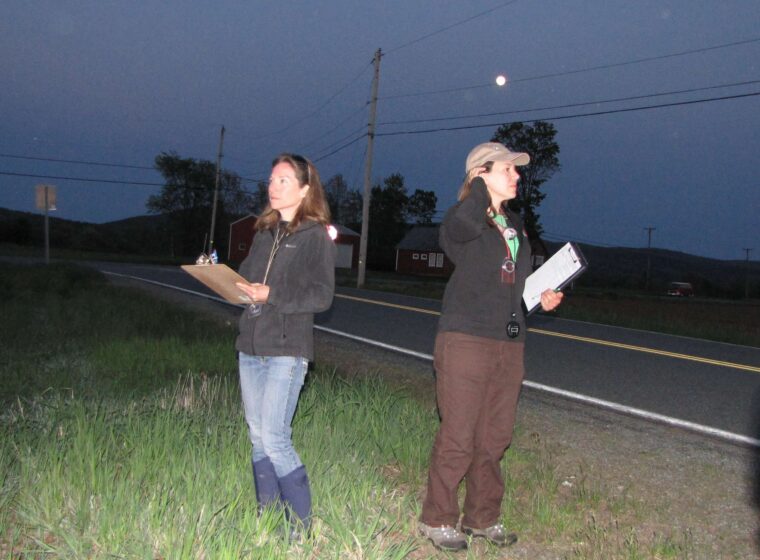
Monday, May 30th marked the close of stage 1 of VCE’s 2016 Eastern Whip-poor-will (WHIP) surveys for team Sara/h (Sara Zahendra and Sarah Carline). This session was a far cry from West Haven.

Across the Kingdom, VCE Birdathon a Boreal Success
The Green Mountain Goatsuckers mixed it up this spring, opting for a new approach and venue. We migrated to Vermont’s fabled birding mecca – the Northeast Kingdom, and we made a key strategic move by enlisting the Kingdom’s foremost birding guru, Tom Berriman, as our local guide.

A Field Guide to June 2016
Here in Vermont, we dream of June during the darkest days of January. Verdant wooded hillsides glowing brightly under a robin egg sky. Warm afternoon breezes rolling through the valleys as we lounge by the clear waters of a cold river. The chorus of birds waking us each morning. June is a dream, and here are some of its natural history wonders.
Male Loons Can Make Poor Choices
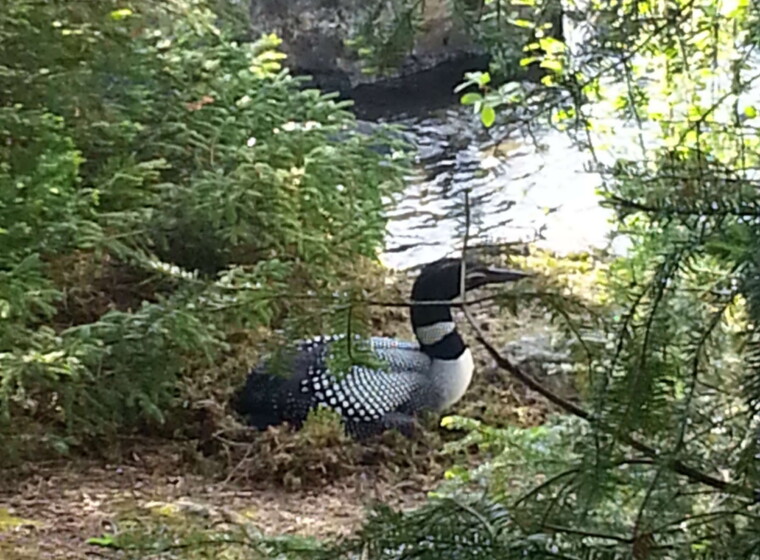
Last week, the loon pair on Metcalf Pond nested on summer cottage beach. Bad move. After 3 or 4 days of incubation, the eggs disappeared and the loons gave up even before the landowners came for Memorial Day weekend. Learn why this might have happened and an update on nesting loons this year.

Help Find Colorful Bird Bracelets
Identifying individual birds and tracking their fate over time offers insight into important details of a bird’s life: how long it lives, where it moves during the year, and how many offspring it rears. VCE’s newest citizen-science project is testing whether birders can help carry out this kind of important – but difficult – field work.

The ‘Price is Right’ Bird Delivers
For VCE biologist Jason Hill, unveiling the secrets this bird holds is more exciting than a new car or a vacation in Hawaii. This summer Jason and his crews are logging many miles on foot at six Department of Defense installations across the country to recapture Grasshopper Sparrows with valuable data on their backs.