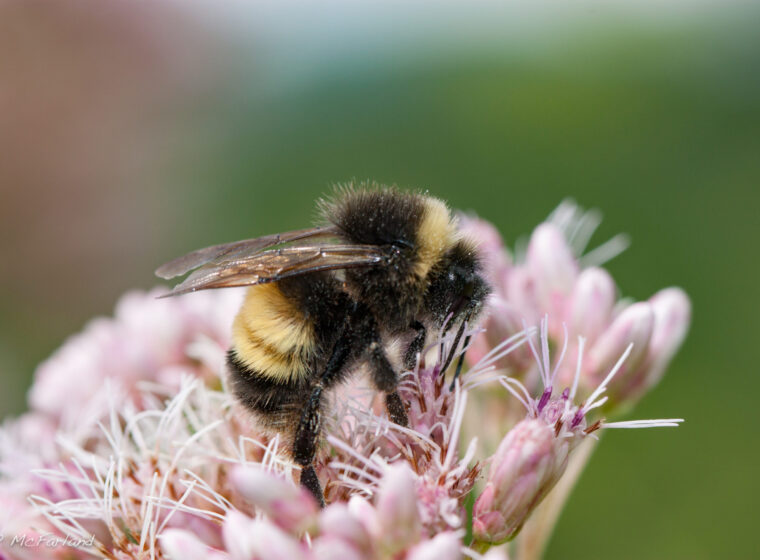
Study Reveals Striking Decline of Vermont’s Bumble Bees
A new study examining 100 years of bumble bee records reveals that almost half of Vermont’s species, which are vital pollinators, have either vanished or are in serious decline.
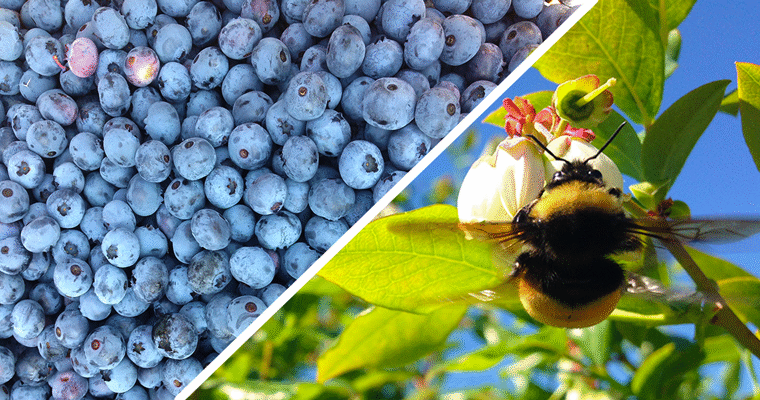
The Secret to Better Berries? Wild Bees
Want bigger, faster-growing blueberries? New research shows wild bees are an essential secret ingredient in larger and better blueberry yields – producing plumper, faster-ripening berries.
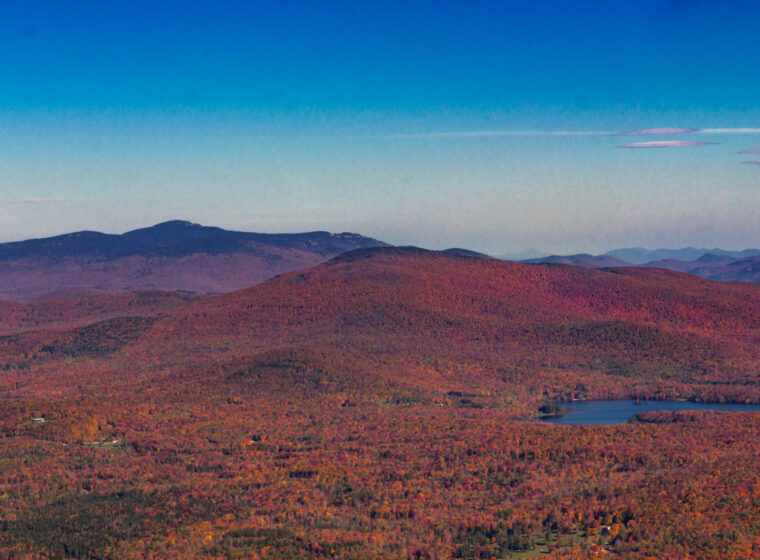
Field Guide to October 2018
October is a month of change. The forested hills fade from green to a kaleidoscope of red and gold that dazzles the eyes. Here’s your field guide to some moments that you might not otherwise notice during these few precious weeks.
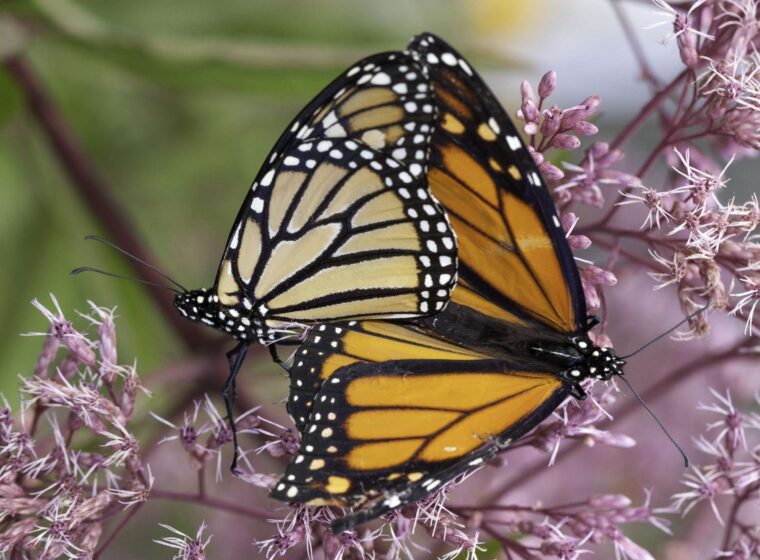
A Field Guide to July 2018
The avian breeding season is winding down. Even a few southbound shorebirds will trickle through the region this month on their “fall” migration. But as the dawn bird chorus now fades from northern woodlands, fields and wetlands erupt in the sparkle and drama of summer insects. Here’s a short guide to some of July’s lesser known natural history.
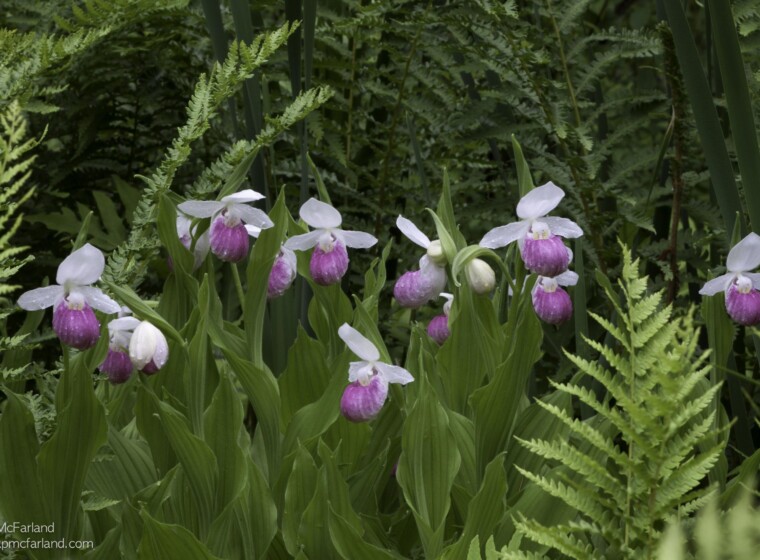
Field Guide to June 2018
Here in Vermont, we dream of June during the darkest days of winter. June is a dream here. Its days last forever. Here are some natural history wonders for the month from the Green Mountains.
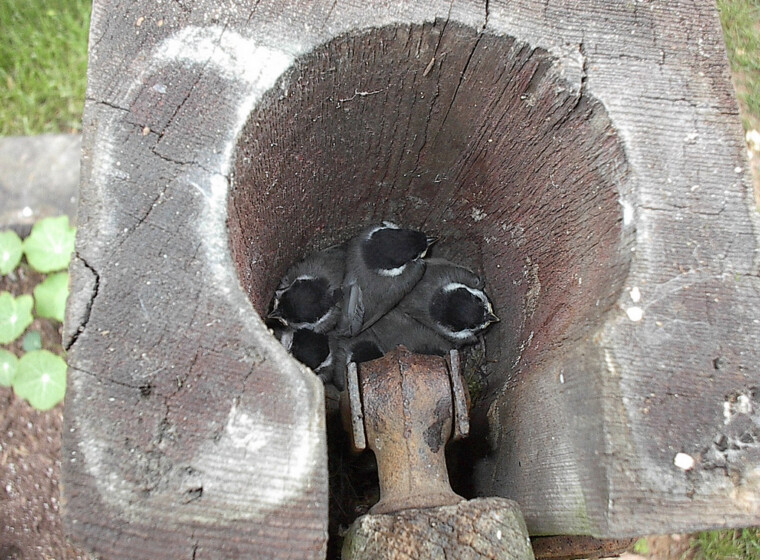
Breeding Yard Birds More Successful with Native Plants
The idyllic setting for nesting songbirds in our backyards is one filled with native plants, according to research published last summer.
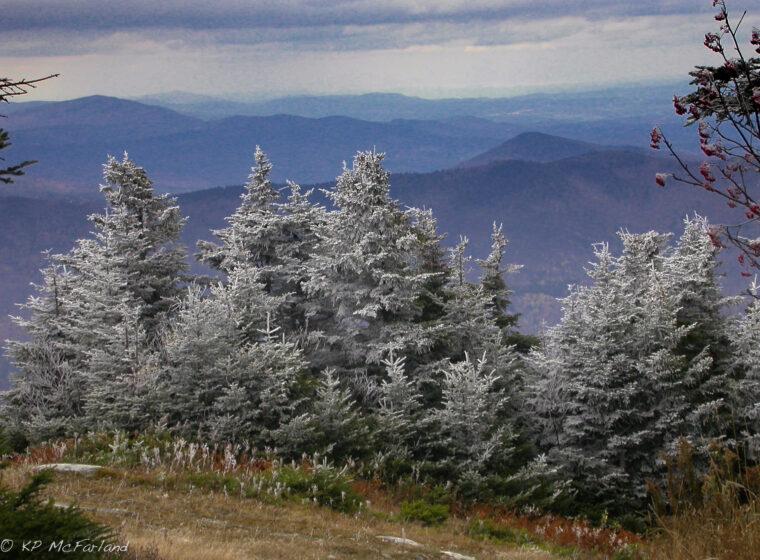
A Field Guide to October 2017
October is a month of change. Here’s your field guide to some moments that you might not otherwise notice during these few precious weeks that feature colored hills beneath a deep blue sky with the last Monarchs fluttering southward.
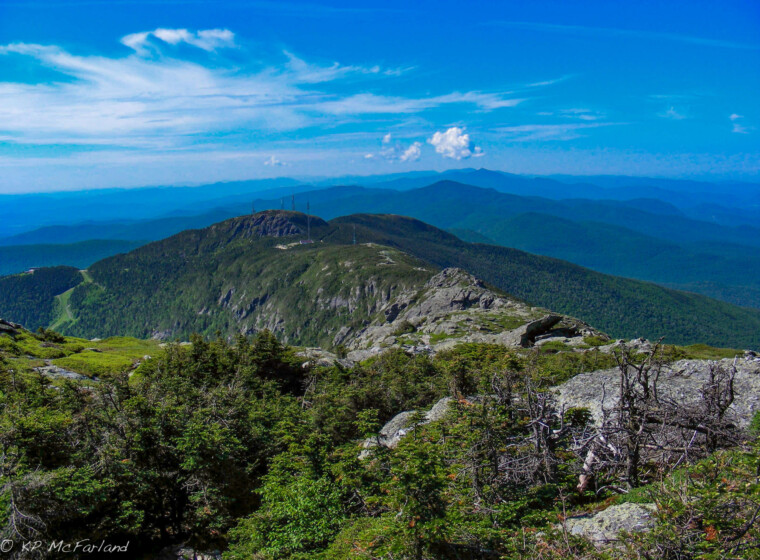
A Field Guide to June 2017
Here in Vermont, we dream of June during the darkest days of winter. Verdant wooded hillsides, a robin egg sky, chorus of bird song, butterflies and bees on flowers. We often forget about the clouds of black flies. June is a dream here. Here’s some natural history wonders for the month from this neck of the woods.
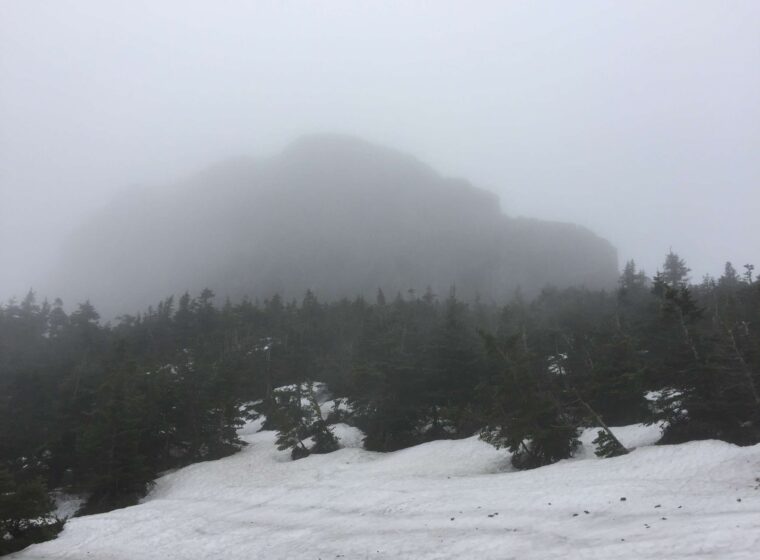
Monitoring Spring Phenology on Mount Mansfield
With deep snowpack on Mt. Mansfield remaining, yesterday we installed equipment that will monitor bird activity and the arrival of spring in the fir forest on the Mt. Mansfield ridgeline. Learn more about our phenology study…
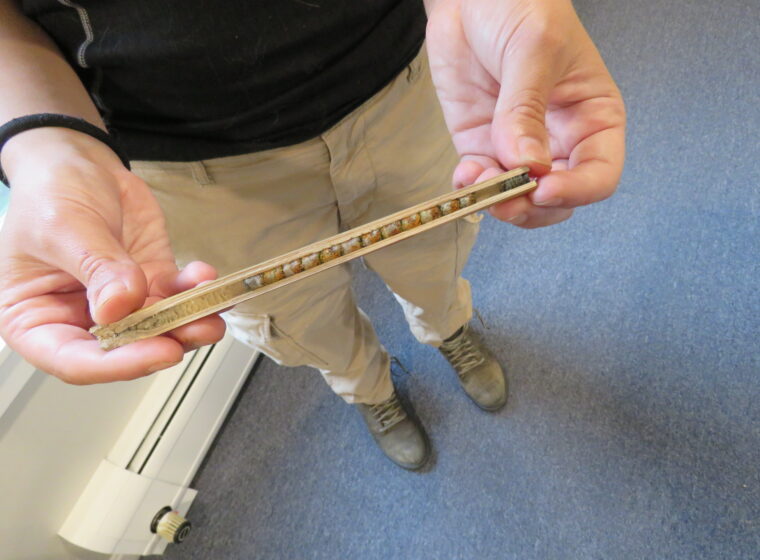
Stand Up for Science!
All of us, scientists and non-scientists alike, who believe in rationality, who believe that science can and should contribute to good decision-making and public policy, need to stand up and make our voices heard.
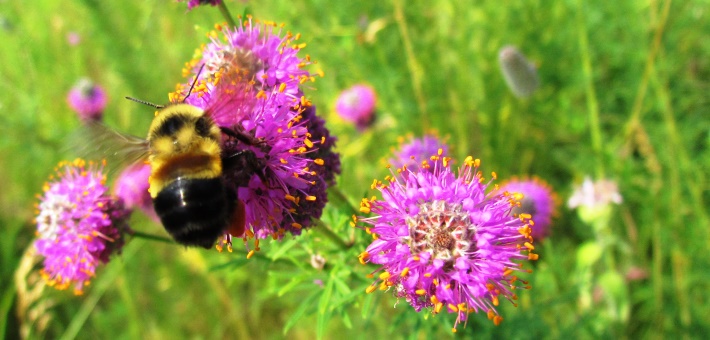
Once Common in Vermont, Rusty Patched Bumble Bee Now Federally Endangered
Just 20 years ago, the rusty patched bumble bee was a common sight, so ordinary that it went almost unnoticed as it moved from flower to flower, collecting nectar and…
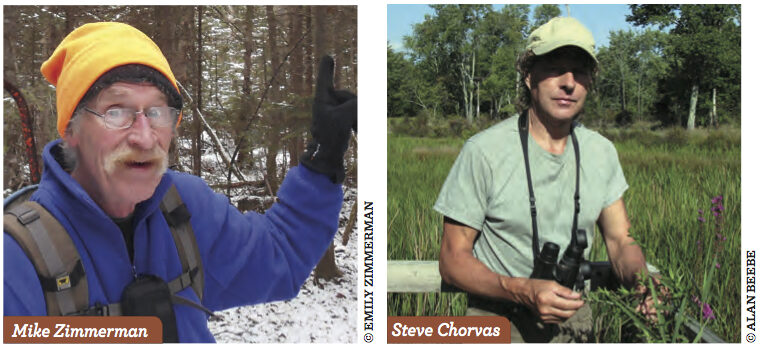
Two Mountain Birdwatchers Receive the 2016 Julie Nicholson Citizen Scientist Award
This year’s citizen science awardees, Mike Zimmerman and Steve Chorvas, have climbed peak after peak, year after year, helping to conserve montane birds.