Global Launch of eButterfly
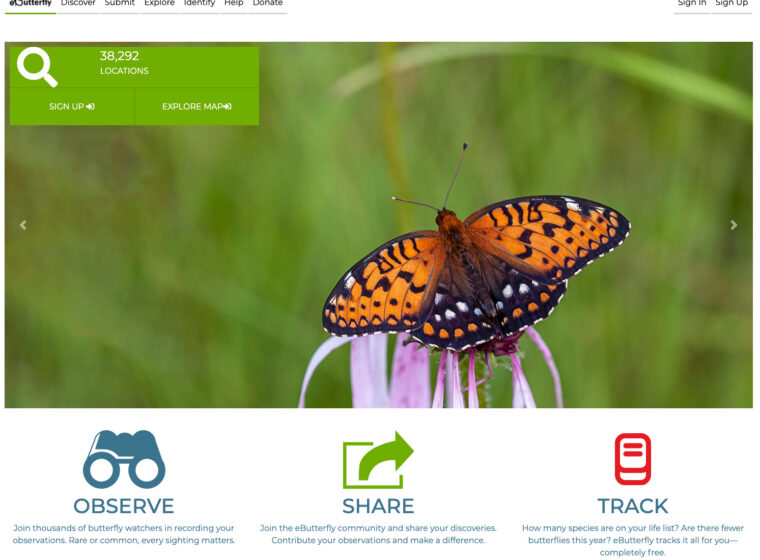
The Vermont Center for Ecostudies, Espace pour la vie in Montréal, and the University of Ottawa are proud to announce the worldwide launch of e-Butterfly. Thanks to the collaboration of…
Field Guide to May 2023
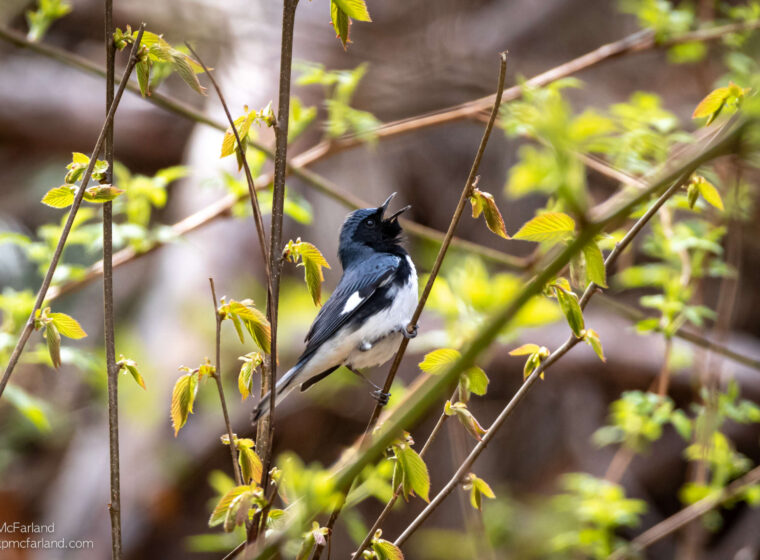
The month of May is a show-off. Grass glows green under the deep blue sky. Woodland wildflowers jump out of the ground. Trees flower, and leaves burst from long-dormant buds. Birds arrive on southern night winds and liven the dawn with their chorus. May shouts of life and rejuvenation. Here’s your monthly guide to some of this month’s delights.
Join the Second Vermont Butterfly Atlas
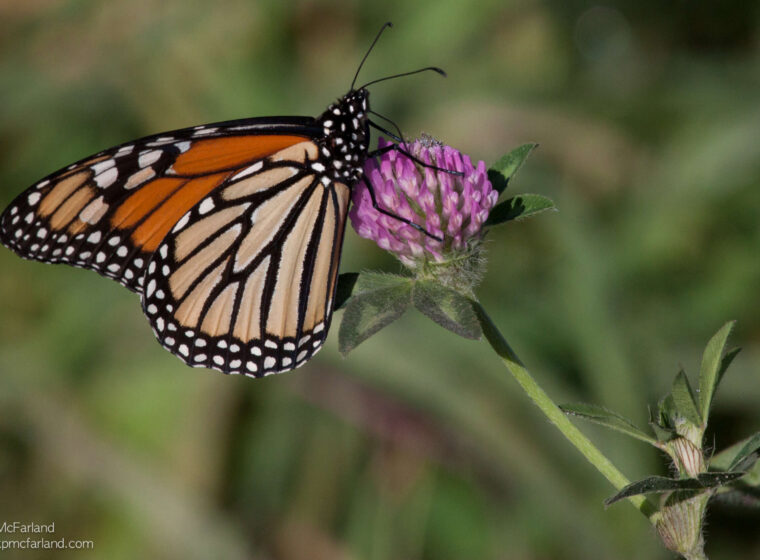
Vermonters now have another excuse to get outside on sunny days: to join a statewide survey of the most angelic insects—butterflies. VCE is recruiting volunteers to help search fields and fens, mountains and meadows, and even their own backyards to help document the status of Vermont’s butterflies.
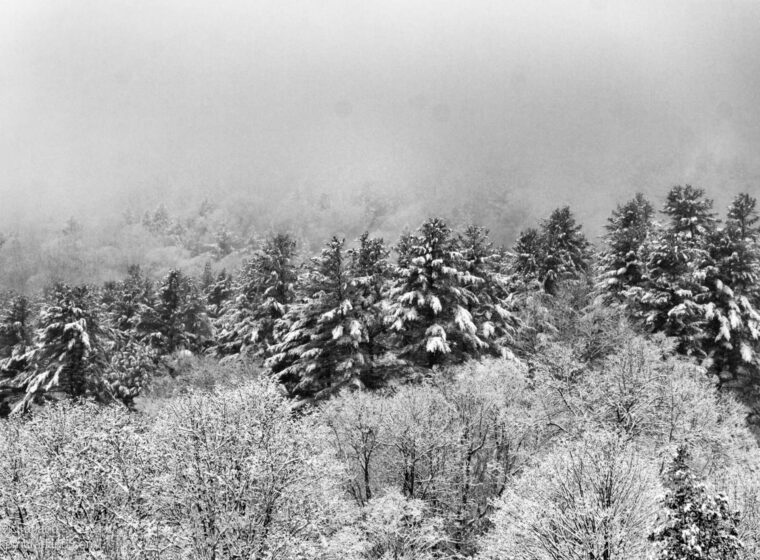
Field Guide to December 2022
Fear not; during these short days and long nights of December, there’s still plenty of life in the fading light. Once we pass the winter solstice, which strikes at precisely 4:47 PM on December 21st, more light will creep back. Until then, here’s some wintry natural history to keep you going.

Join Our West Virginia White Watch (April 1-June 6)
Spring is changing. The snow is melting earlier, wildflowers are blooming sooner, and trees are leafing out faster. How are West Virginia White butterflies faring? Join the West Virginia White Watch!
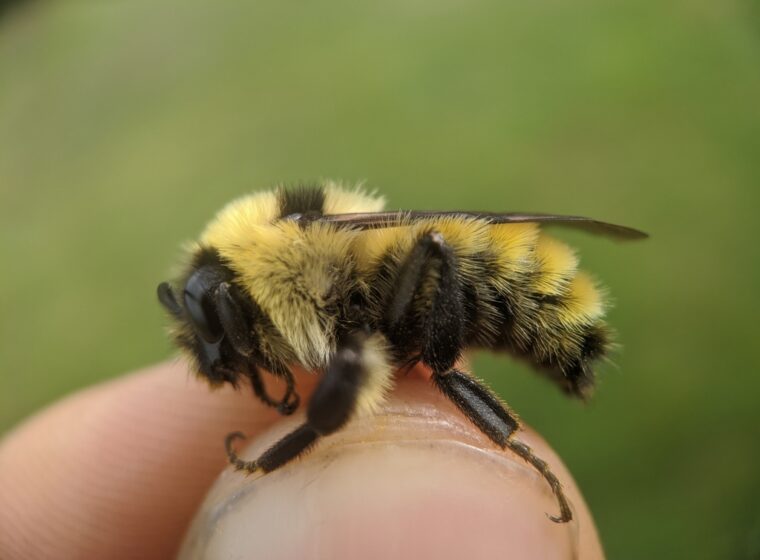
Powerlines and pollinators: undervalued and underappreciated
Just as hayfields are essential habitat for grassland birds like Bobolinks, consensus is building that the scrubby open habitat maintained under utility rights-of-way (ROW) plays an important role in the conservation of a diverse suite of wildlife. We’re looking to connect with landowners in north-central Vermont with ROWs on their property about conducting weekly surveys for pollinators this summer.
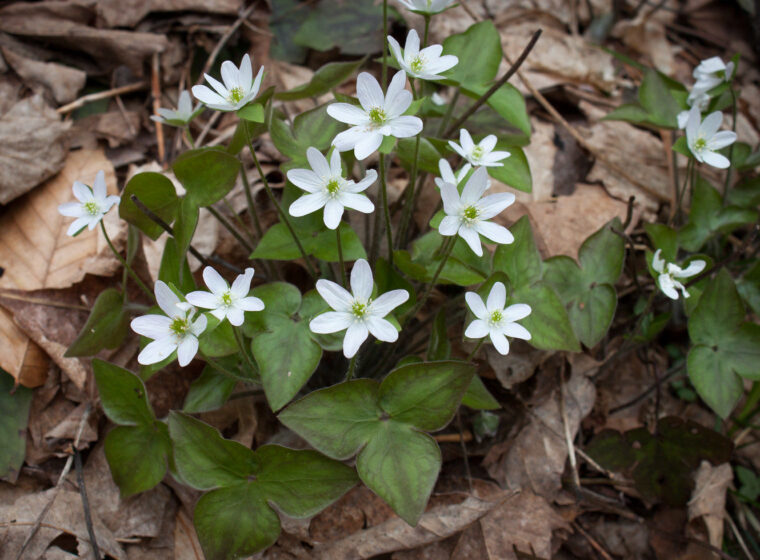
Field Guide to May 2021
Bees buzzing, birds migrating, lady beetles emerging from hibernation, and so much more! Celebrate the spectacle of spring phenology in this Field Guide to May.
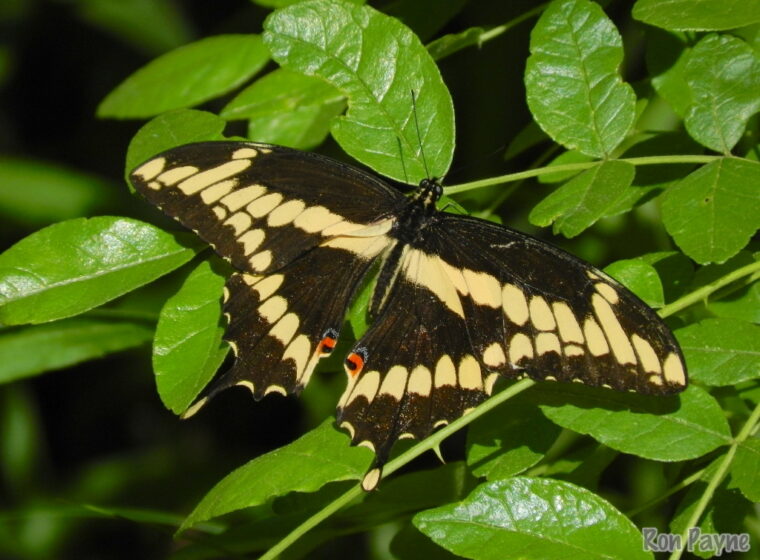
A Giant Leap Northward for a Butterfly
Our study published in Frontiers in Ecology and Evolution this week shows an unusually rapid northward range shift by the Eastern Giant Swallowtail.
Field Guide to September 2020
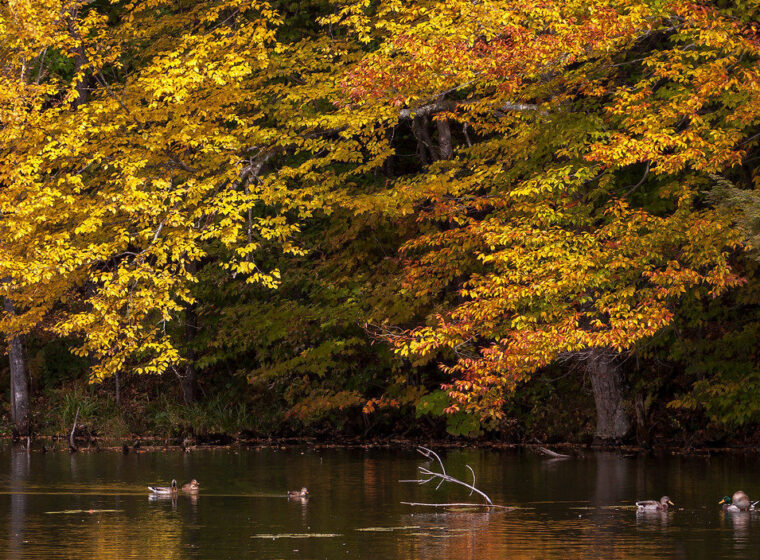
One morning, you wake to a nip in the air, and notice subtle changes in the quality of the light. Suddenly, it’s September. There’s a lot going on this time of year, if you know where to look. Here is your field guide to life on the move, and some natural history tidbits to discover this fall.
Field Guide to July 2020
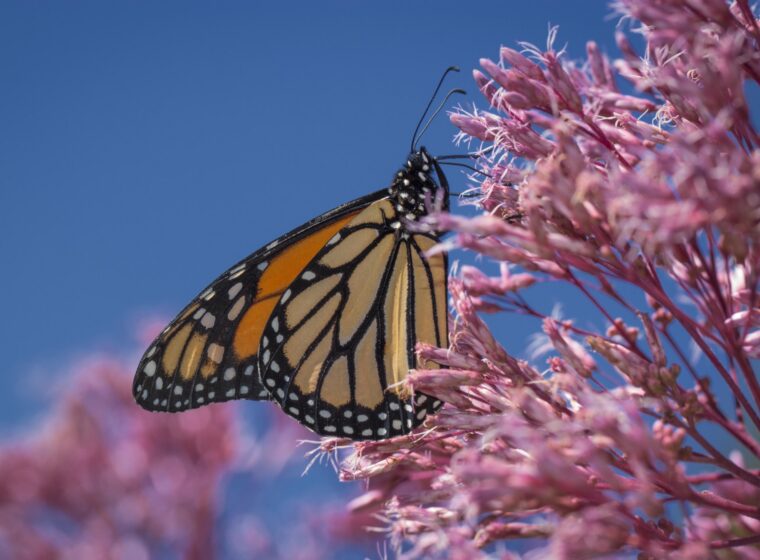
As the dawn bird chorus now fades from northern forests, summer erupts in the sparkle and drama of insects. Here’s a short guide to July’s natural history.
Field Guide to May 2020
The month of May is a show-off. Grass glows green under blue skies. Woodland wildflowers break out of the ground and demand attention. Trees flower and leaves burst from long-dormant buds. Songbirds arrive on southern night winds and liven the dawn with a chorus of song. May shouts of life and rejuvenation. Here’s a few bits of natural history for your May days.
From Panama to the Arctic, a New eButterfly Takes Flight
An international team of biologists and software engineers, including VCE’s Vermont Atlas of Life, has collaborated on an ambitious expansion of the eButterfly platform, offering scientists and naturalists powerful new tools to track and help conserve butterflies from Central America to the far reaches of the Arctic.