When the Prize Flies Away
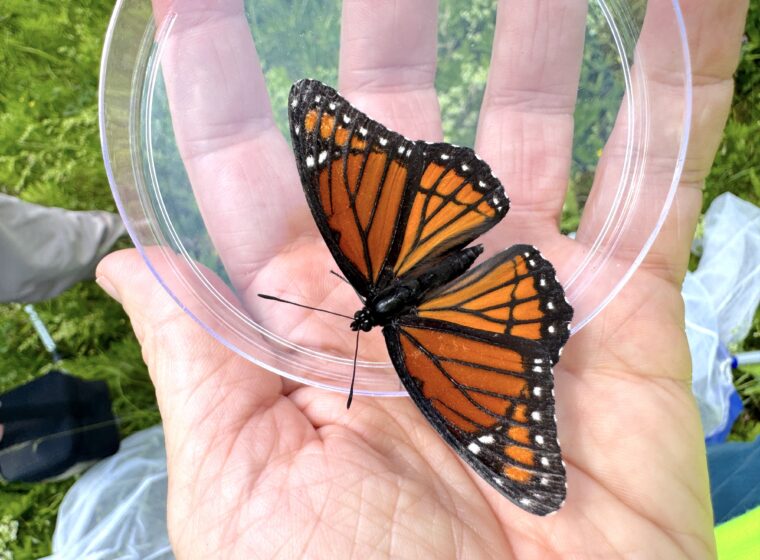
Follow VCE’s Seasonal Butterfly Atlas Technician Jill DeVito as she wanders through meadows in search of elusive butterflies, collecting valuable data for The Second Vermont Butterfly Atlas.
Go Touch Grass. Let Us Know What You See.
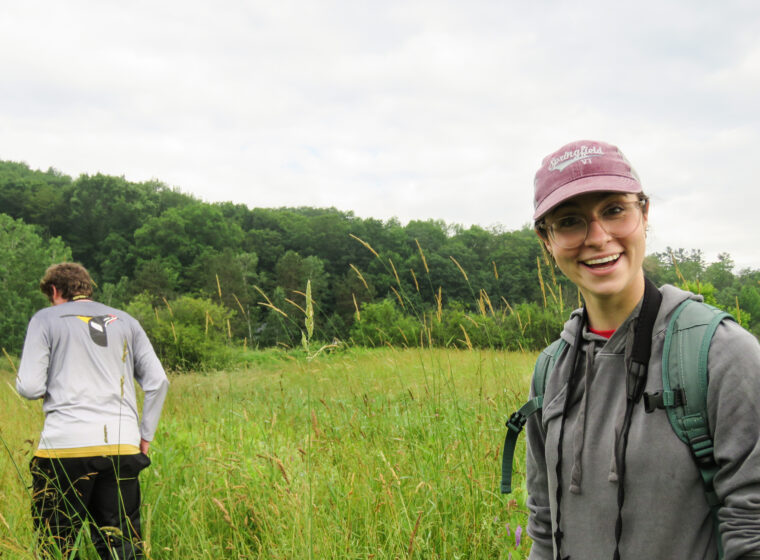
Here at Vermont Center for Ecostudies we have a dozen different volunteer opportunities that will get you outside, calm your nervous system, and help you get to know the local flora and fauna, while also contributing to conservation science.
Field Guide to August 2026
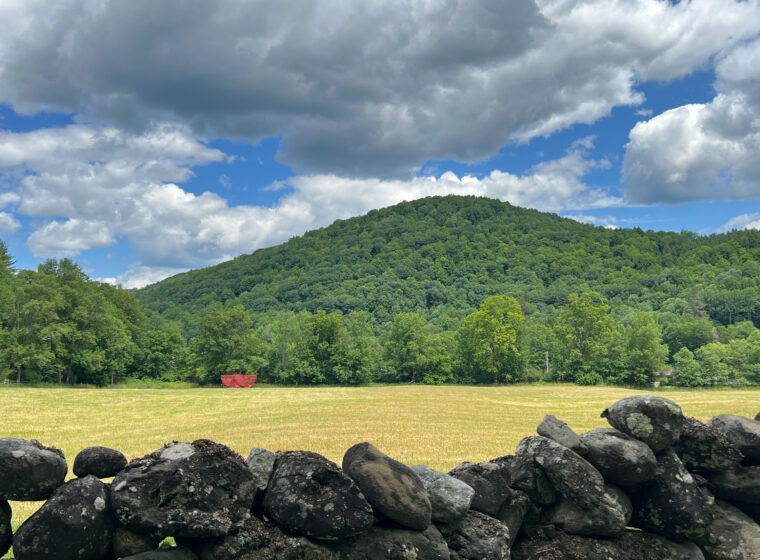
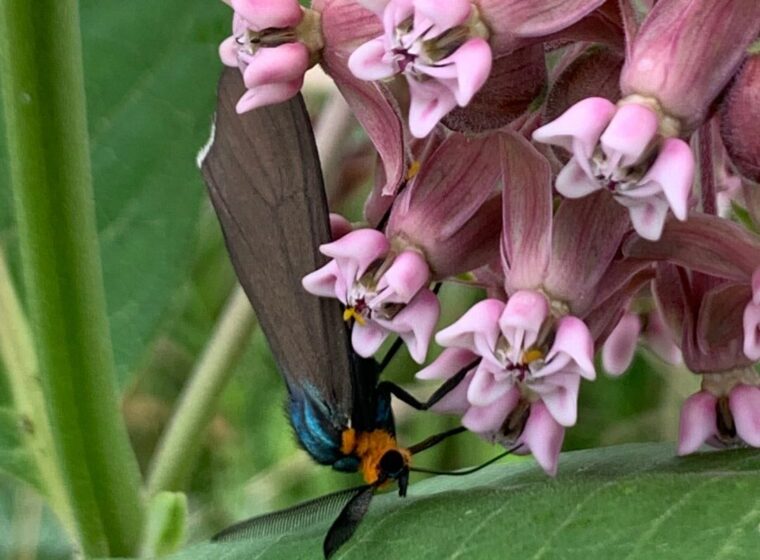
Little things with wings are catching our interest this month. We’re affixing tiny trackers to migrating Monarch butterflies. We’re waxing on about the wonderful world of wasps, which are not the villains, but the heroes of the garden! And we’re keeping an eye out for delightful Primrose Moths, which alight on the very tall, yellow, native flowers that just love to take over recently disturbed space.
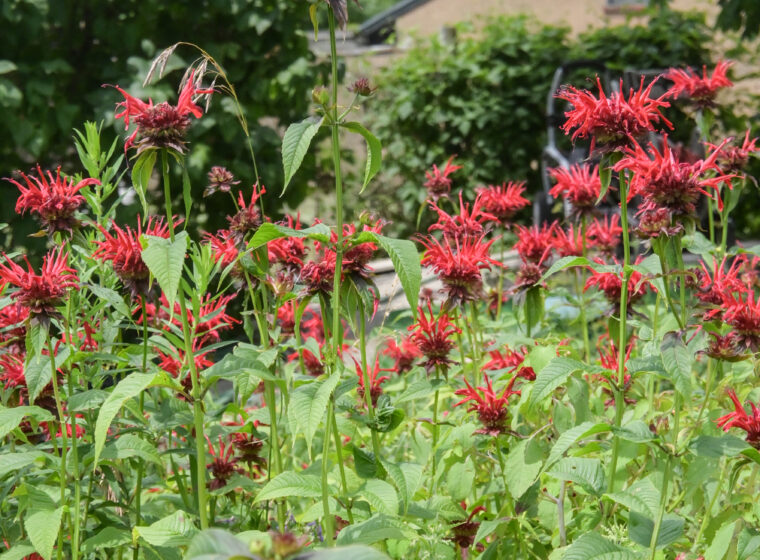
A Master Gardener and His Habitat Garden
What started as a Monarch meadow has become so much more.
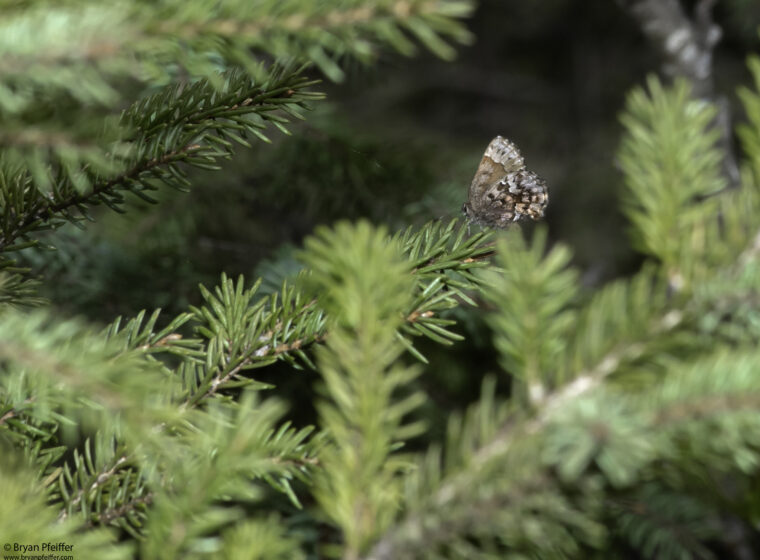
Explore All of Vermont’s Natural Nooks with the Second Vermont Butterfly Atlas
Pick a natural area you’ve always wanted to explore, or find a place right nearby. Either way, while hunting for butterflies, you’ll find some incredible green corners you never would have seen otherwise.
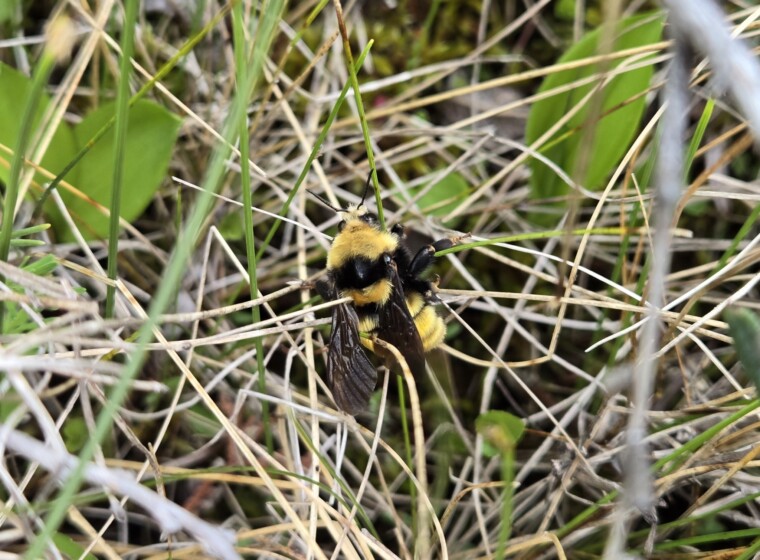
Does No Mow May Invite Invasives and Ticks to Your Yard?
The term “No Mow May” seems to imply that helping our pollinators is as simple as that: not mowing. But there are drawbacks.
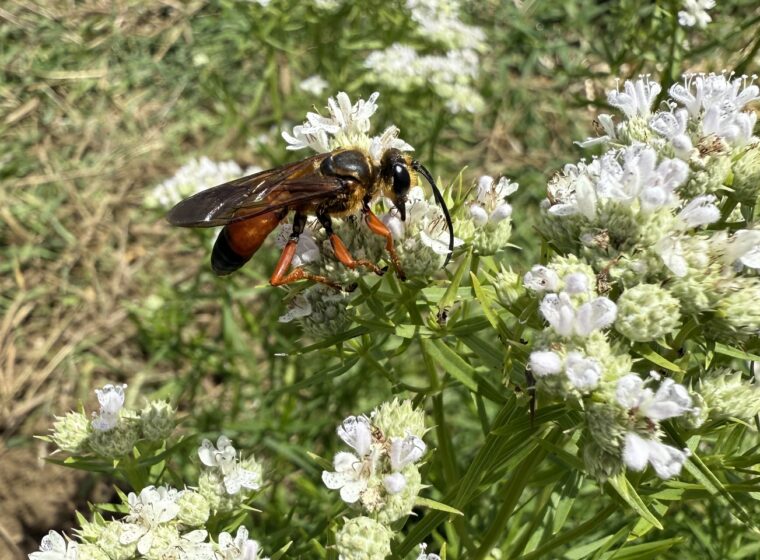
Not Just Bees: How to Support All Types of Pollinators in Your Garden
When you think of pollinators, what is the first thing you think of? What would you say if I told you that flies and beetles were also pollinators? How about wasps? Here’s how to help conserve even the least appreciated ones in your backyard.
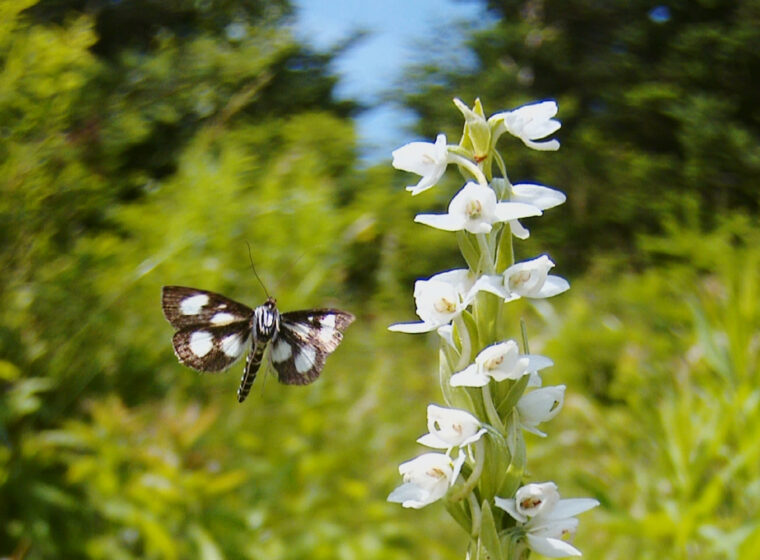
Mysterious No More: What’s Pollinating the White Bog Orchid
North America is home to over 200 species of wild orchid, but for such a beloved group of plants, it’s remarkable how little we know about their insect relationships. Half of our orchids have no known pollinator. That’s where studies like mine—plus help from volunteers like you—can help fill the gap.
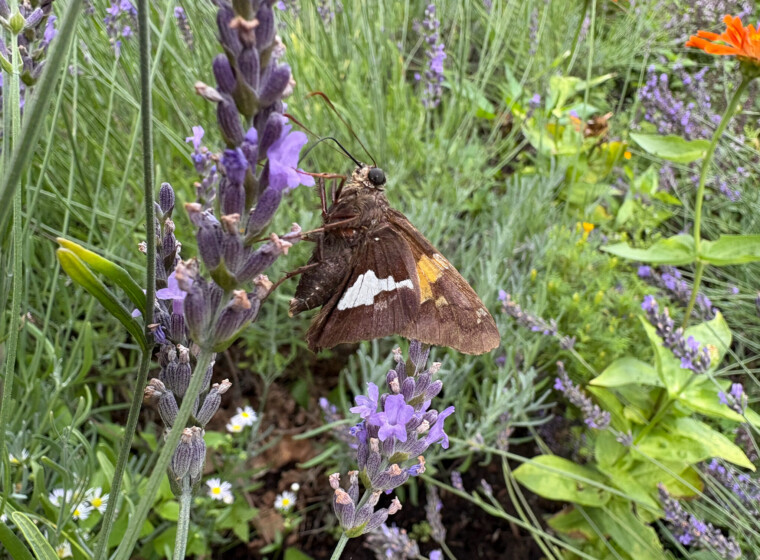
Is Our Tick Anxiety Affecting Pollinators?
In a soon-to-be-published VCE study, tick spraying was associated with a five to 30% immediate decline for most invertebrate groups, especially less mobile and soft-bodied arthropods, like native caterpillars that turn into moths and butterflies.
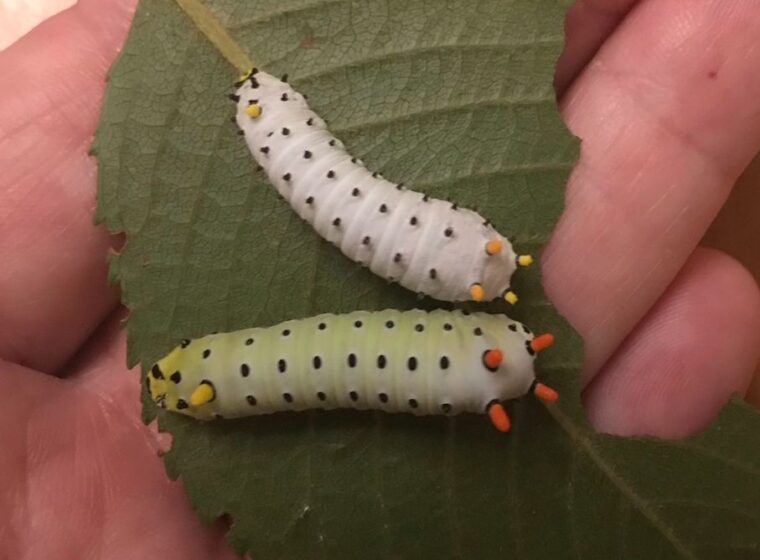
New Study Shows Native Cherry Trees Better Support Native Moths
Native plants are great and all, but what if all they have at the garden center is a closely related, non-native species imported from Asia or Europe? A new paper by VCE biologist Desirée Narango has the answer.
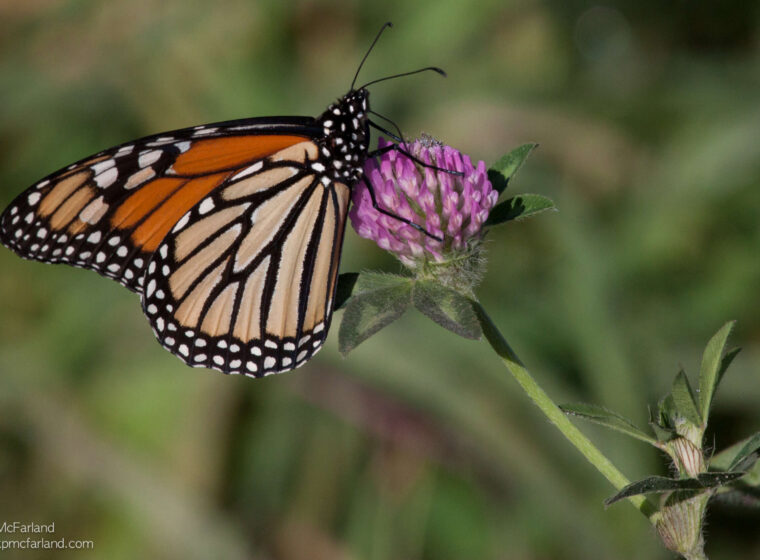
Vermont State Butterfly Proposed for Threatened Species Listing
For many Vermonters, Monarchs are a much-anticipated sign that summer is truly here. However, experts have long been growing concerned over declines in migratory Monarch populations. In December 2024, the U.S. Fish & Wildlife Service officially proposed to list the species as Threatened.
2024 Field Season in Review
Wow, what a field season! Do we feel like that every year at VCE? Truthfully, yes, but this year is one for the books.