From New England to Colombia, Migratory Species Rely on Grassland Ambassadors – Part II
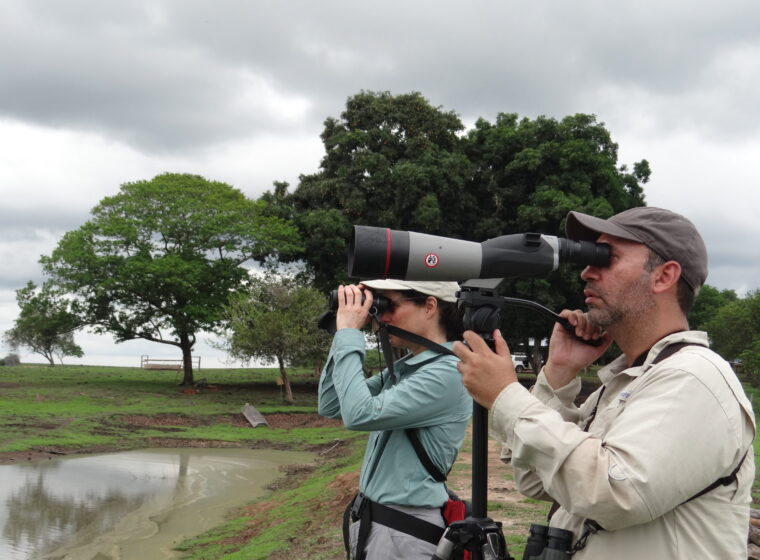
VCE biologist Rosalind Renfrew spent three weeks in Colombia with conservation partners Asociación Calidris for migratory grassland bird research and outreach. Read part two of a three-part series about this incredible shared learning experience.
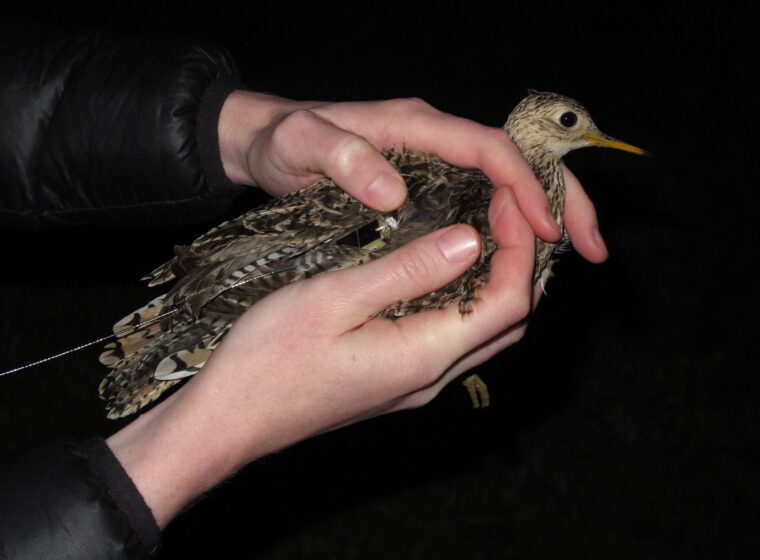
Live Updates: Tracking Upland Sandpiper Trans-hemispheric Migration
Follow Konza the Upland Sandpiper on her migration journey! We will post updated maps every few days to show where Konza travels, stops, and overwinters. Where will she go next?
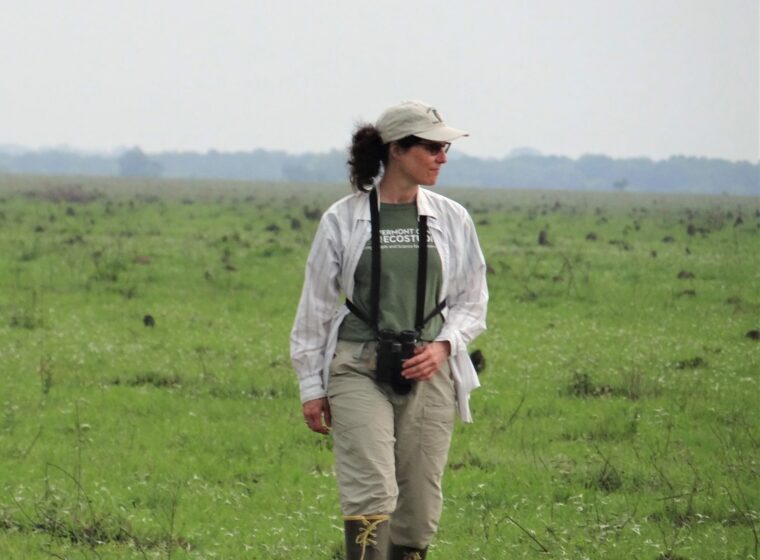
From New England to Colombia, Migratory Species Rely on Grassland Ambassadors
VCE biologist Rosalind Renfrew spent three weeks in Colombia with conservation partners Asociación Calidris for migratory grassland bird research and outreach. Read part one of a three-part series about this incredible shared learning experience.
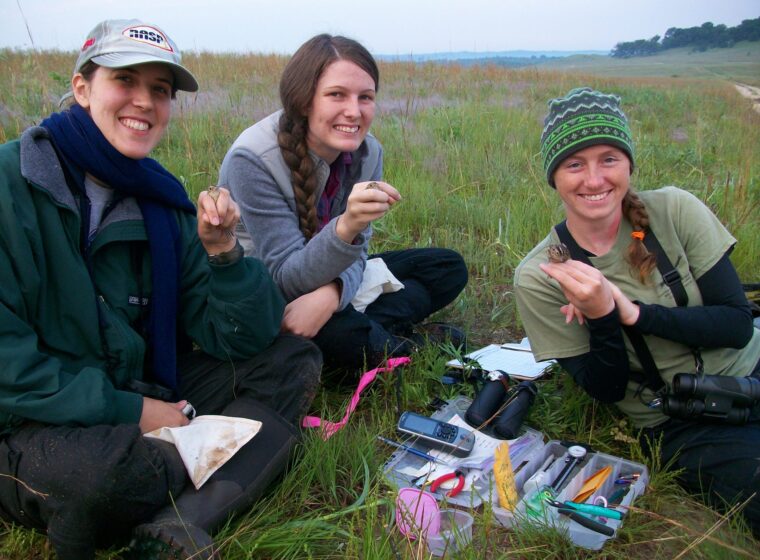
VCE Biologists Discover Migratory Patterns of Two North American Grassland Bird Species
A new VCE study sheds light on the annual movements of two grassland bird species and yields surprising results that may help transform the way we manage grassland bird populations, both across international borders and throughout their annual cycle.
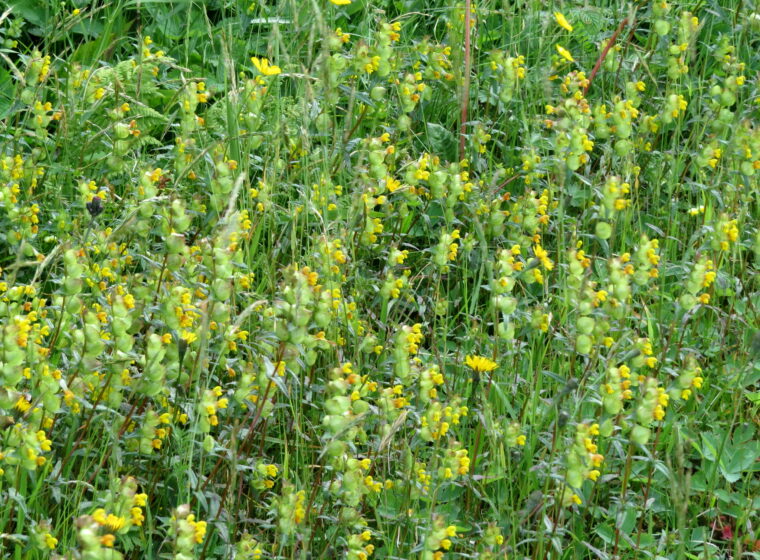
Holding the Line with Hayfield Invasives
Read about how one of our Grassland Ambassadors controls a villainous invasive species in his hayfields, while at the same time providing habitat for grassland birds.

Nathaniel Sharp, VCE Citizen Science Outreach Naturalist
Get to know VCE’s new Citizen Science Outreach Naturalist, ECO Americorps member Nathaniel Sharp!

Grassland Ambassadors: Laughing Brook Farm
The Bobolink’s bubbly song has filled the summer fields of Julia and Greg Smist’s 100-acre farm in Westminster, VT for at least 30 years. A decade or so after buying the farm, Julia noticed fewer Bobolinks in the fields. Her observations echo a grim region-wide statistic: Bobolinks have declined by 75% in the region over the past 50 years.
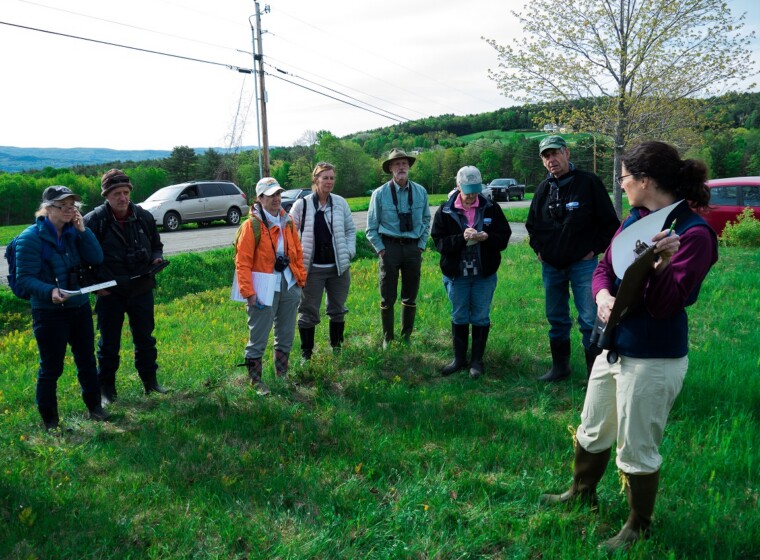
Hayfield Heroes: Landowners Key to Grassland Bird Conservation
Landowners often unknowingly control the fate of migratory grassland birds, and the possibilities for providing nesting habitat vary from one piece of land, and one landowner, to the next.
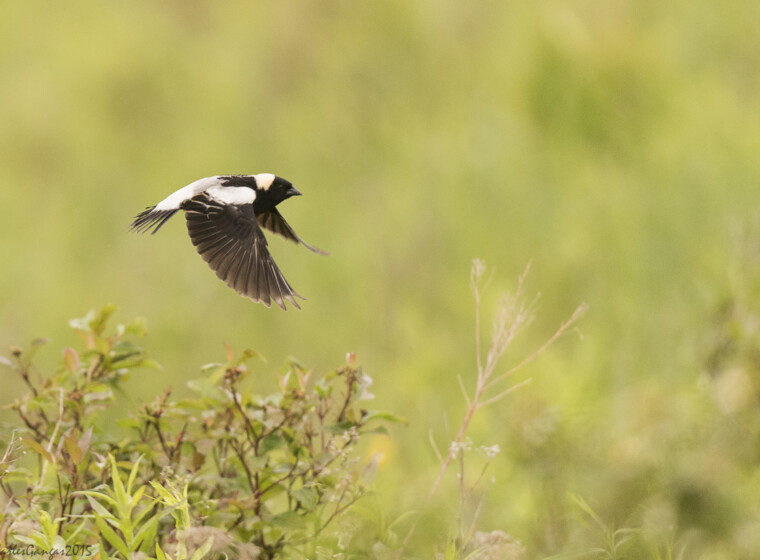
Mowing Hay and Growing Birds
In May, Bobolinks arrive to breed after making the longest trip of any migrant songbird in the Northeast. These tenacious travelers need our help to ensure that their annual 12,000-mile round-trip trek is not in vain. Learn more…
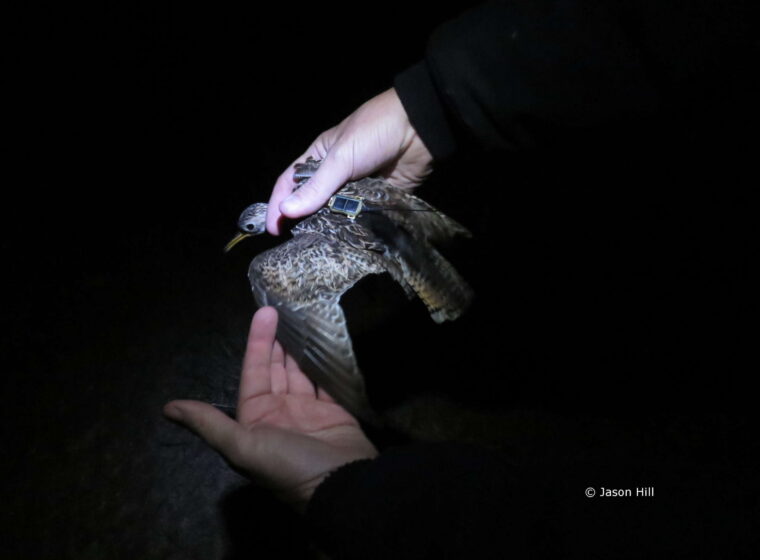
GPS Tags Reveal a Hidden Side to a Grassland Bird
GPS tags are revealing new and exciting insights on the epic, transcontinental migrations of Upland Sandpipers. VCE’s recent, ongoing research has revealed that this grassland specialist uses a surprising array of migratory habitats across its route. These range from busy airports, to steep mountain slopes, to Neotropical river banks, and even the open Atlantic Ocean (well, they don’t exactly stop there).
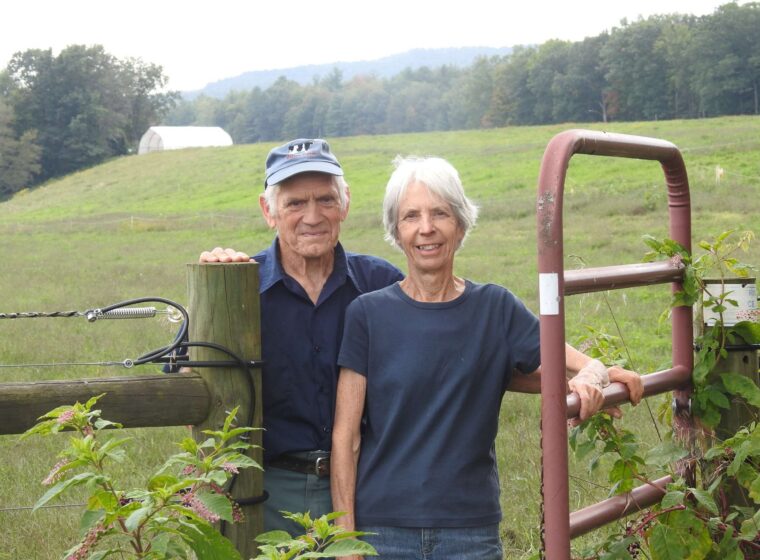
Making Room for Meadowlarks
Once a regular summer breeder, Eastern Meadowlarks have been declining across much of New England. So when a pair of meadowlarks was spotted on Miller Farm in southern Vermont, I wasted no time. Paul and Mary Miller agreed to meet with me the next day.
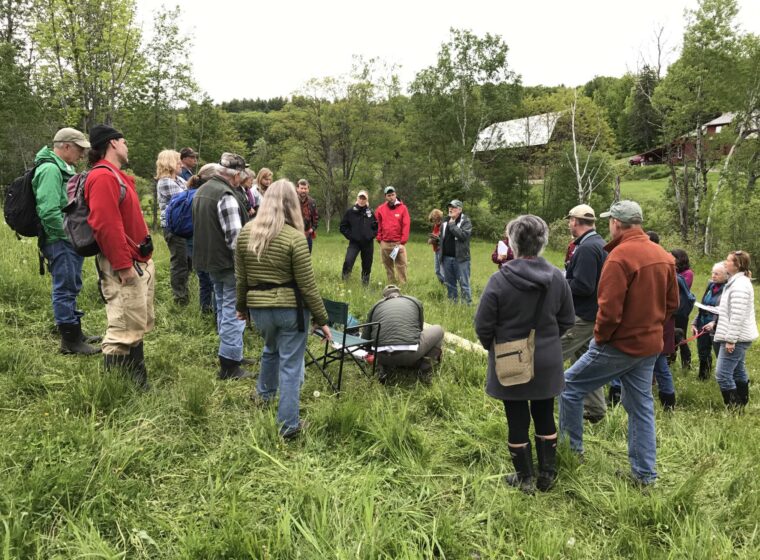
The Balancing Act: Supporting Nesting Birds in Hayfields
In the forest-dominated landscape of the Vermont and New Hampshire Upper Valley, opportunities abound to lend a hand to grassland birds. Landowners queried experts about how to provide habitat for birds while producing forage in hayfields.