Posts by Vermont Center for Ecostudies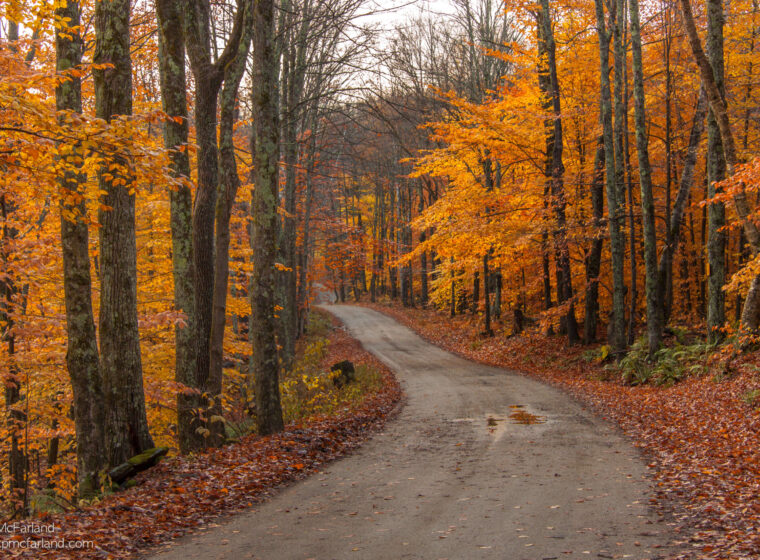
Field Guide to October 2023
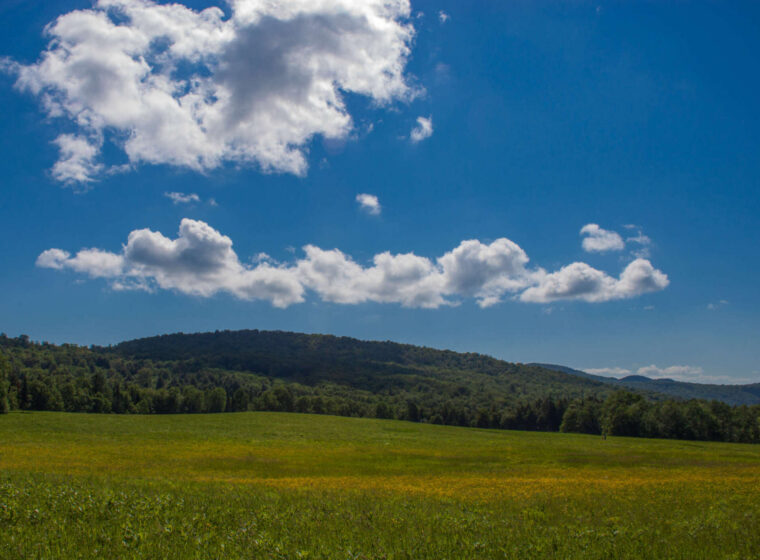
The month of October reminds us of the cyclical nature of life. Like spring, autumn is a season of change. The forested hills fade from summer emerald to a watercolor painting of red and gold and brown. Here’s your field guide to some moments that you might not otherwise notice during these few precious weeks that feature colored hills beneath a deep blue sky, with the calls of migrating geese high overhead and the last Monarchs gliding silently southward.
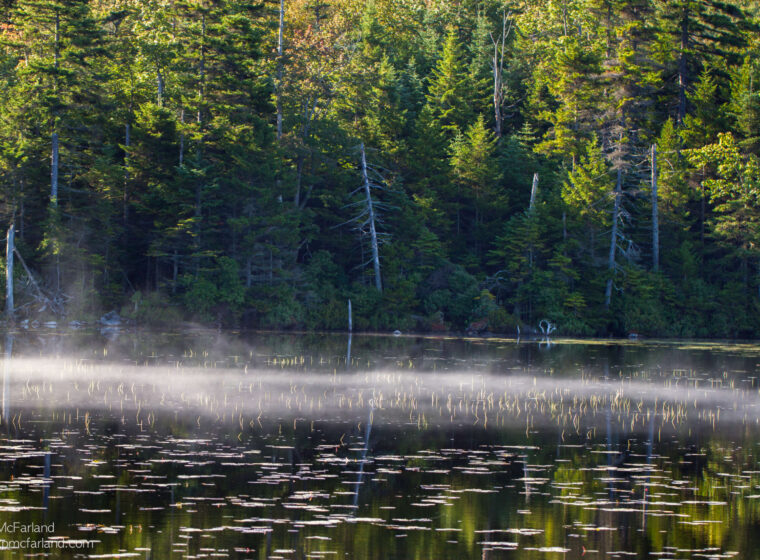
Field Guide to September 2023
It can happen almost anywhere. On a cool, foggy morning, when fall warblers drop from their nocturnal migratory flights into your backyard. Or on a hilltop when the Broad-winged Hawks circling above and Monarchs gliding southward convince you that summer is indeed coming to a close. Here is your field guide to some life on the move in September.
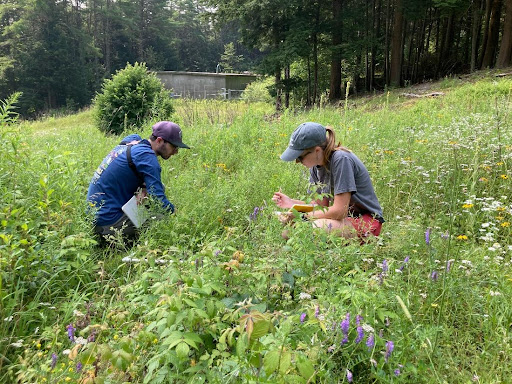
2023 Marks the Second Successful Community Science Teacher Workshop
Vermont and New Hampshire educators alike joined to explore field methods and focus on enhancing science in their curriculums. Our goals for the workshop aimed to give teachers the toolkit to engage students in the outdoors and develop place-based community science that addresses both local and regional conservation issues.
Vermont eBird Volunteer Data Experts Retire
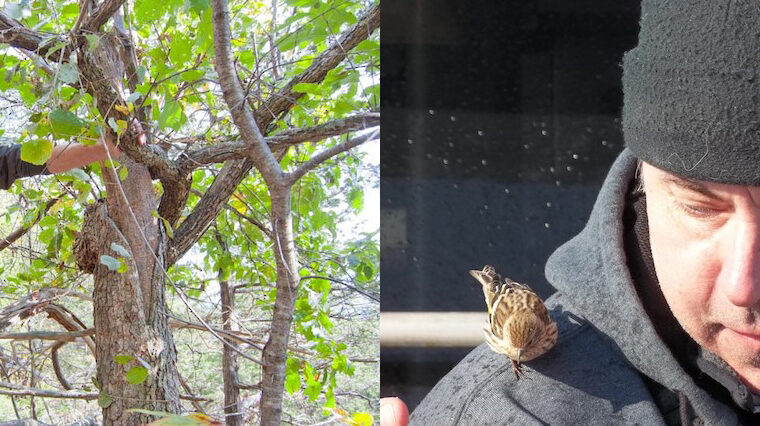
After more than a decade of service, two of the first-ever Vermont eBird volunteer data experts are hanging up their keyboards. Ian Worley and Craig Provost first joined the project in 2010. Over the past 13 years, they have reviewed tens of thousands of records submitted by bird watchers and have been outreach champions for Vermont eBird.
Field Guide to August 2023
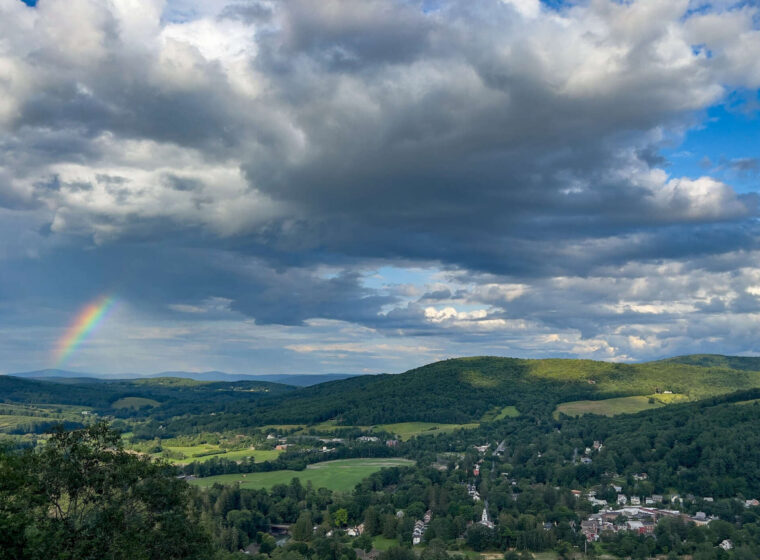
The dog days of summer are here, hot and sultry. The Romans referred to this time of year as the days of the dog star, when Sirius appears in the sky just before the sun and marks the hottest days of summer. Read all about August’s natural wonders in this month’s field guide.
Mansfield Update: VCE Interns Reflect on a Summer on the Mountain
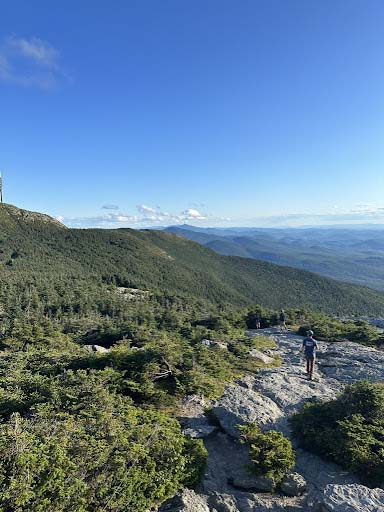
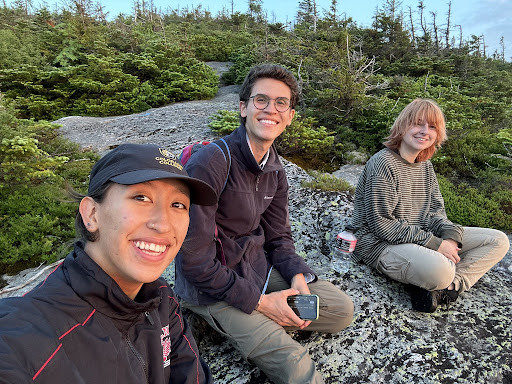
An essay on our summer interns’ final trip to Mount Mansfield, written by two of the interns themselves, Emily Marple and Julia Stahl.
Baby Birds and Bicknell’s Backpacks
This week marked the beginning of a very exciting time of the summer–when we start catching fledgling baby birds!
Field Guide to July 2023
The avian breeding season is winding down. Even a few southbound shorebirds will trickle through the region this month on their “fall” migration. But as the dawn bird chorus fades from northern woodlands, fields and wetlands erupt in the sparkle and drama of summer insects. Here’s a short guide to some of the other glitter now on the wing.

New Report Uses Big Data to Establish Vermont Biodiversity Baseline
By 2100, Vermont is estimated to experience a net loss of 386 species (or 6%), under the current carbon emission scenario. This comes among several key findings outlined in a new report from VCE. It marks the 10th Anniversary of the Vermont Atlas of Life, an ambitious project that harnesses the power of community science and professional biologists to discover, document, and map Vermont’s biodiversity.
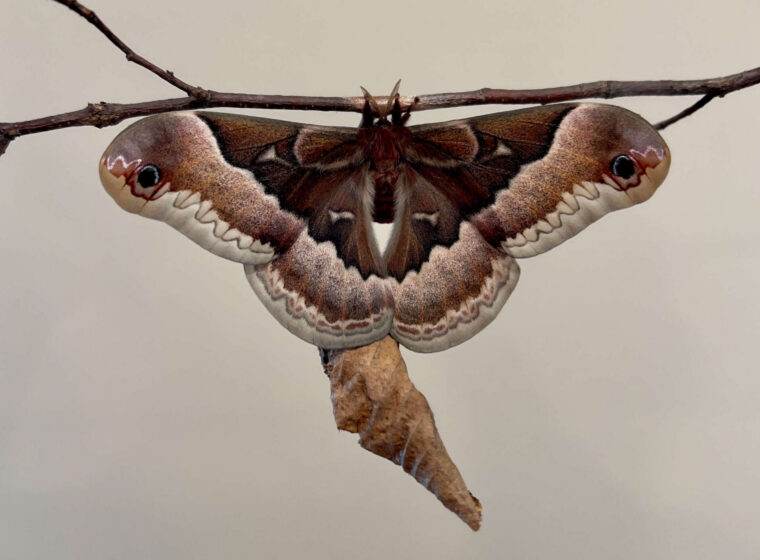
Field Guide to June 2023
Here in Vermont, we dream of June during the darkest days of January. Verdant wooded hillsides glowing brightly under a robin egg sky. Warm afternoon breezes rolling through the valleys as we lounge by the clear waters of a cold river. The chorus of birds waking us each morning. June is a dream here. Its days last forever.
After Two Decades of Searching, Biologist Discovers Rare Butterfly in Vermont
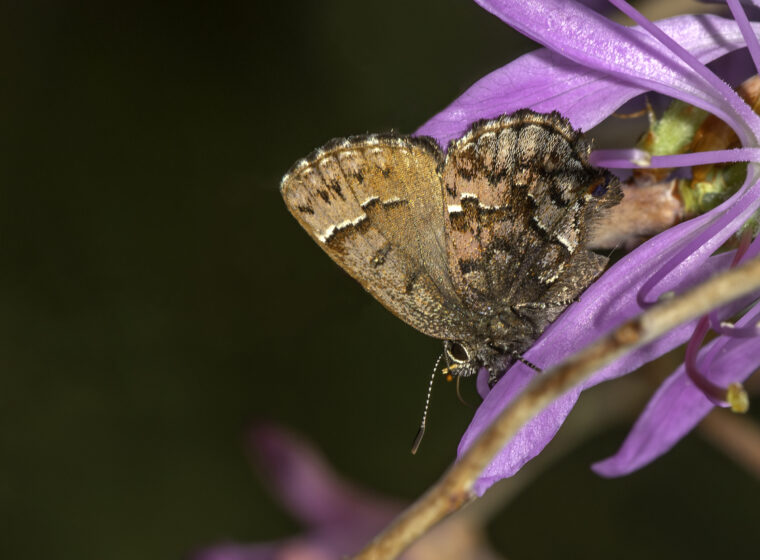
A rare and elusive butterfly has been discovered for the first time in Vermont, flying this spring at one of the state’s protected natural areas. Bog elfin, patterned in brown and rust, and no bigger than a penny, had eluded detection in the state until one flew past a Vermont field biologist who had been searching for it for two decades.
Global Launch of eButterfly
The Vermont Center for Ecostudies, Espace pour la vie in Montréal, and the University of Ottawa are proud to announce the worldwide launch of e-Butterfly. Thanks to the collaboration of…