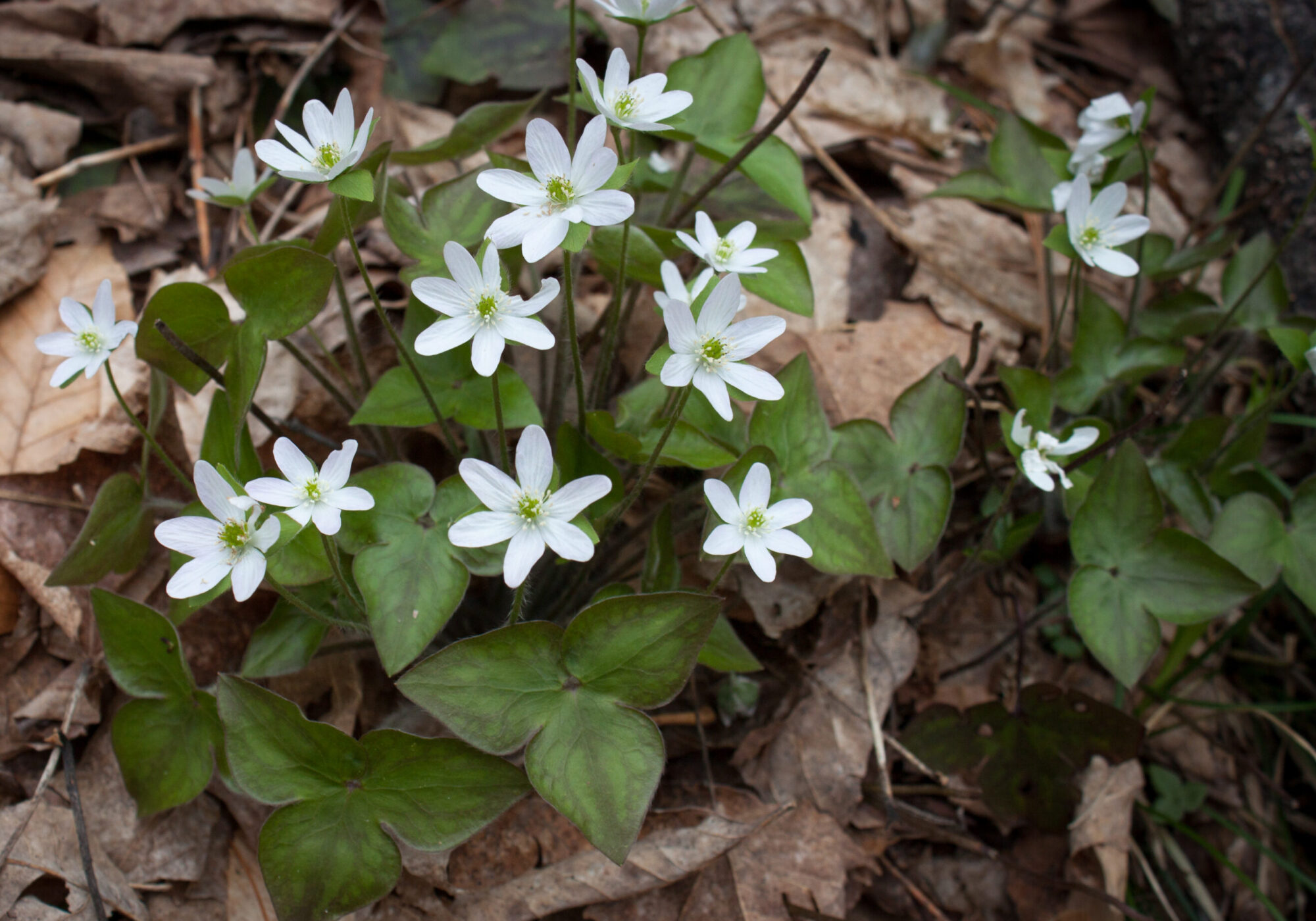
Sharp-lobed Hepatica
© Kent McFarland
After the long winter, flowers, colors, and insects are finally emerging in the Northeast. Our April Field Guide will give you a crash course on the blooms, bees, butterflies, (and ticks!) of early spring.
By Desirée L. Narango
It’s a common assumption that dandelions are the only available floral resources for pollinators in the spring. They just happen to be the flowers we see most often in our lawns and gardens. But many other species bloom in early spring (including our spring ephemerals; see this article by our VCE conservation scientist, Kent McFarland). Some early-blooming plants are also “mow-friendly” and do well interspersed in lawns, roadsides, and other areas of bare or disturbed ground—just like dandelions.
Keep an eye out for these April-blooming species, and document who you see visiting them! You can submit your observations to iNaturalist to contribute to our Pollinator Interactions on Plants Project (PIP), or record early-flying butterflies for the Vermont Butterfly Atlas .
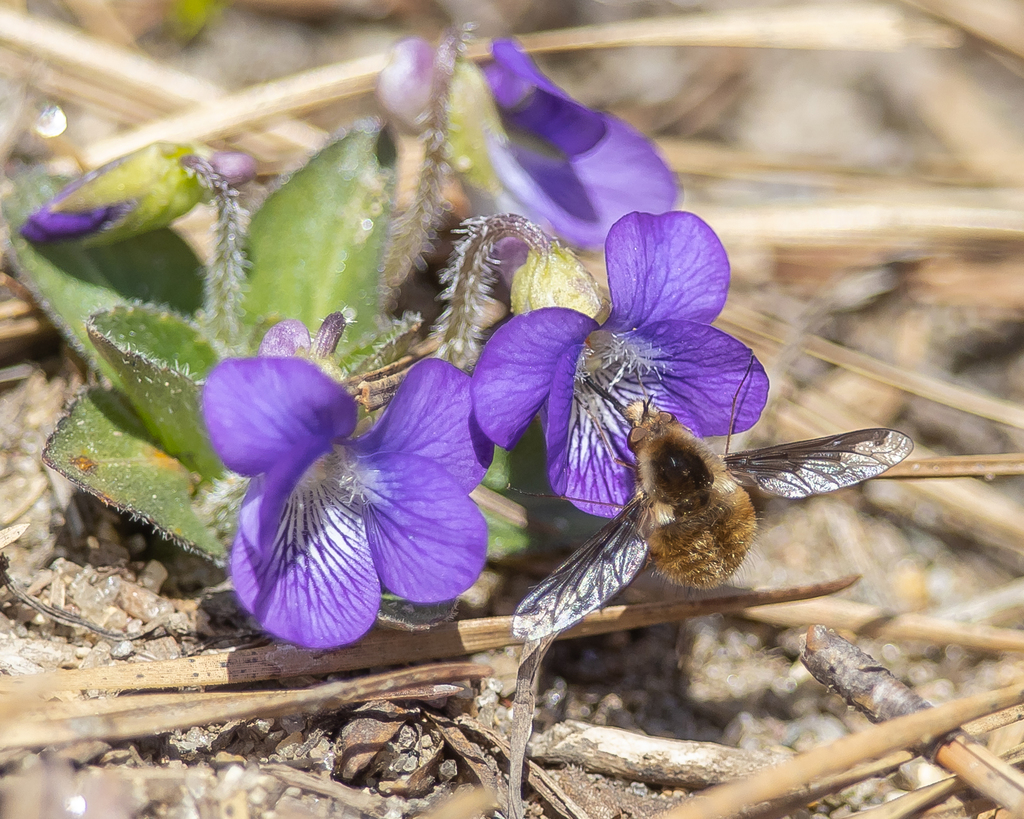
Greater Bee Fly (Bombylius major) observed in Massachusetts and added to the PIP project on iNaturalist © Jeremy Colemen (licensed under CC-BY-NC)
There are about 45 violet species native to Vermont and other parts of New England. They are the native cousins of the introduced pansies commonly found in nurseries each spring. Similar to monarchs and milkweed, violets are the sole host plants for most of our fritillary butterflies, like the Greater Spangled Fritillary. Violets are also visited by a pollen-specialist bee, the Violet Miner (Andrena violae), a rare (or at least rarely documented) species that flies early in the season. With so many violet species available, there is likely one that fits with the ecosystem where you live. One of my favorite violet species is the American Dog Violet (Viola labradorica). This dainty, lavender flower readily takes hold in lawns and gardens.
Some visitors in the PIP dataset to Viola in April:
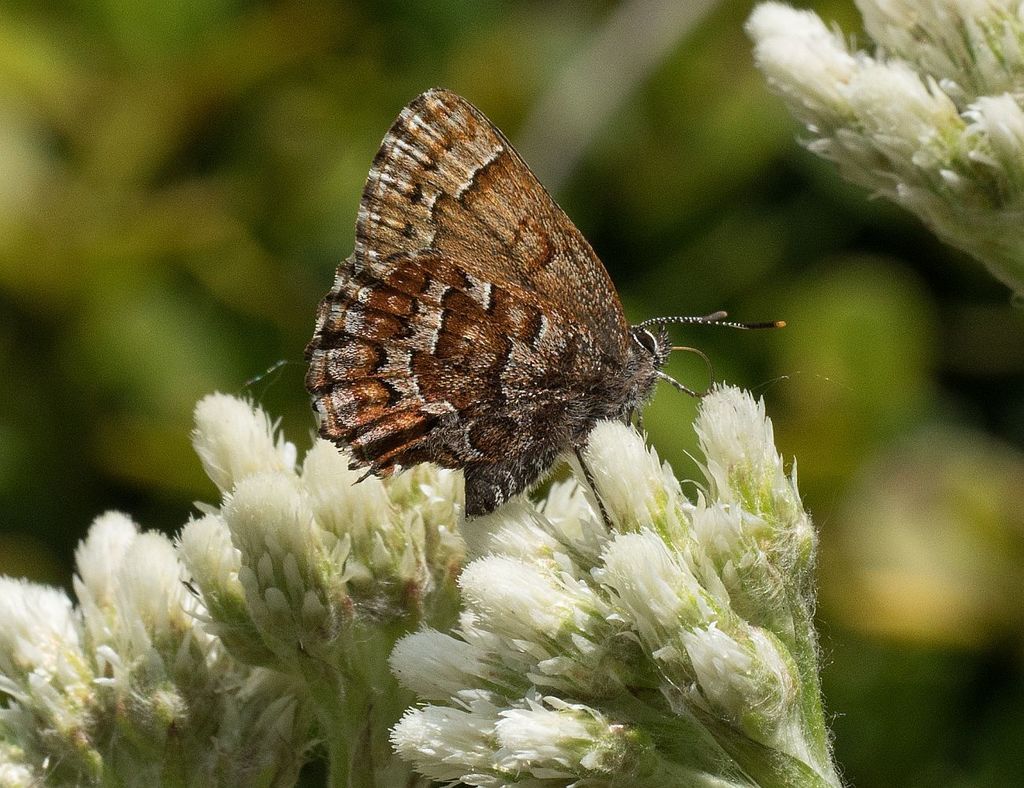
Eastern Pine Elfin (Callophrys niphon) observed in Maine and added to the PIP project on iNaturalist © Thomas Berger (licensed under CC-BY-NC)
Pussytoes are some of my favorite spring flowers. Their small and unassuming white blooms may not look like much at first glance, but they can be a magnet for early-flying bees. There are four species of native pussytoes in New England. The most common is Field Pussytoes (Antennaria neglecta). As its name suggests, it thrives in neglected areas and poor soils. I regularly see this species in lawns across Vermont—even in ballfields where kids are trampling it!
Some flower visitors in the PIP dataset to Antennaria in April:
Nason’s Mining Bee (Andrena nasonii) observed in Pennsylvania and added to the PIP project on iNaturalist © @gabrielemonshausen (licensed under CC-BY-NC)
There are two species of native strawberries in New England: Virginia Strawberry (Fragaria virginiana) and Woodland Strawberry (Fragaria vesca). Virginia Strawberry is related to the cultivated strawberries we buy in stores. These “garden strawberries” (Fragaria × ananassa) are hybrids developed in 1714 by crossing the Virginia Strawberry with the Chilean Strawberry (Fragaria chiloensis).
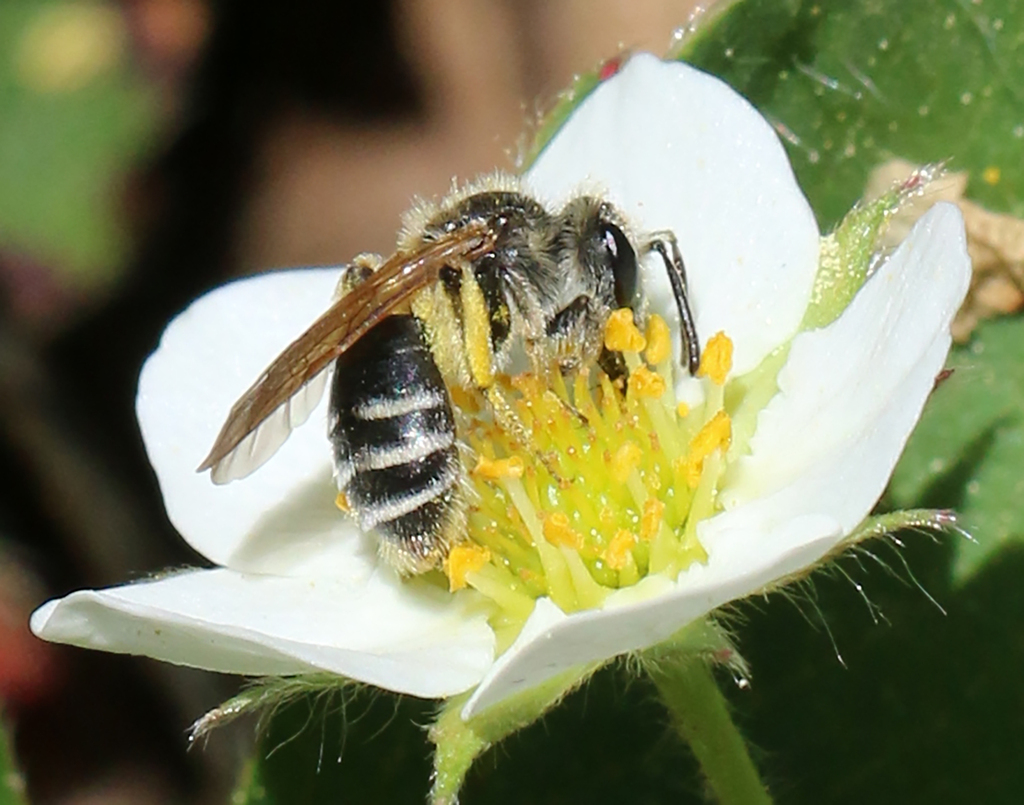
Today, the Virginia Strawberry is widespread and one of the most common flowers in spring. It’s known for being both a pollinator magnet and an important host plant for caterpillars—supporting hundreds of species across New England. We included Virginia Strawberry in our Native Plant Ecotype Experiment and have documented many visitors, including its specialist bee, the Rose Miner Bee (Andrena melanochroa).
Some flower visitors to the PIP dataset to Fragaria in April:
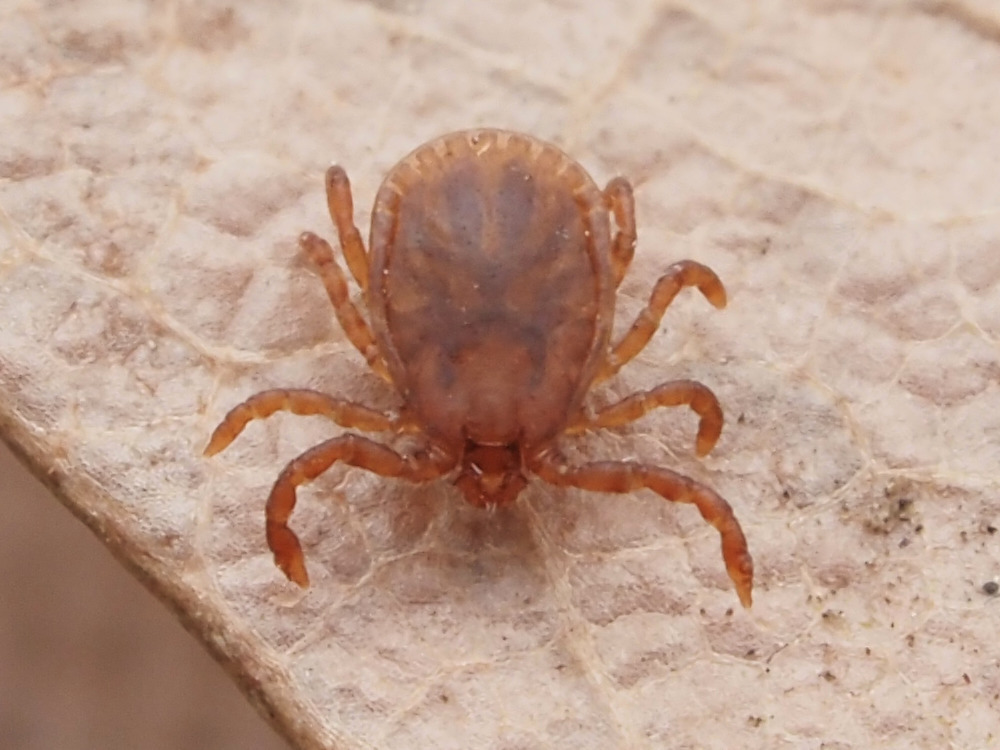
By Jason Hill
With each spring comes a renewed need to be vigilant for ticks. Over the past several decades, many tick populations—and the pathogens they carry—have expanded globally, driven by climate change, land-use shifts, and growing host populations.
In New England, we are now at the leading edge of that expansion. Warmer year-round conditions are allowing ticks and other species to move northward and upslope, while also making the region increasingly suitable for species introduced from elsewhere. They are one visible part of a much broader ecological shift.
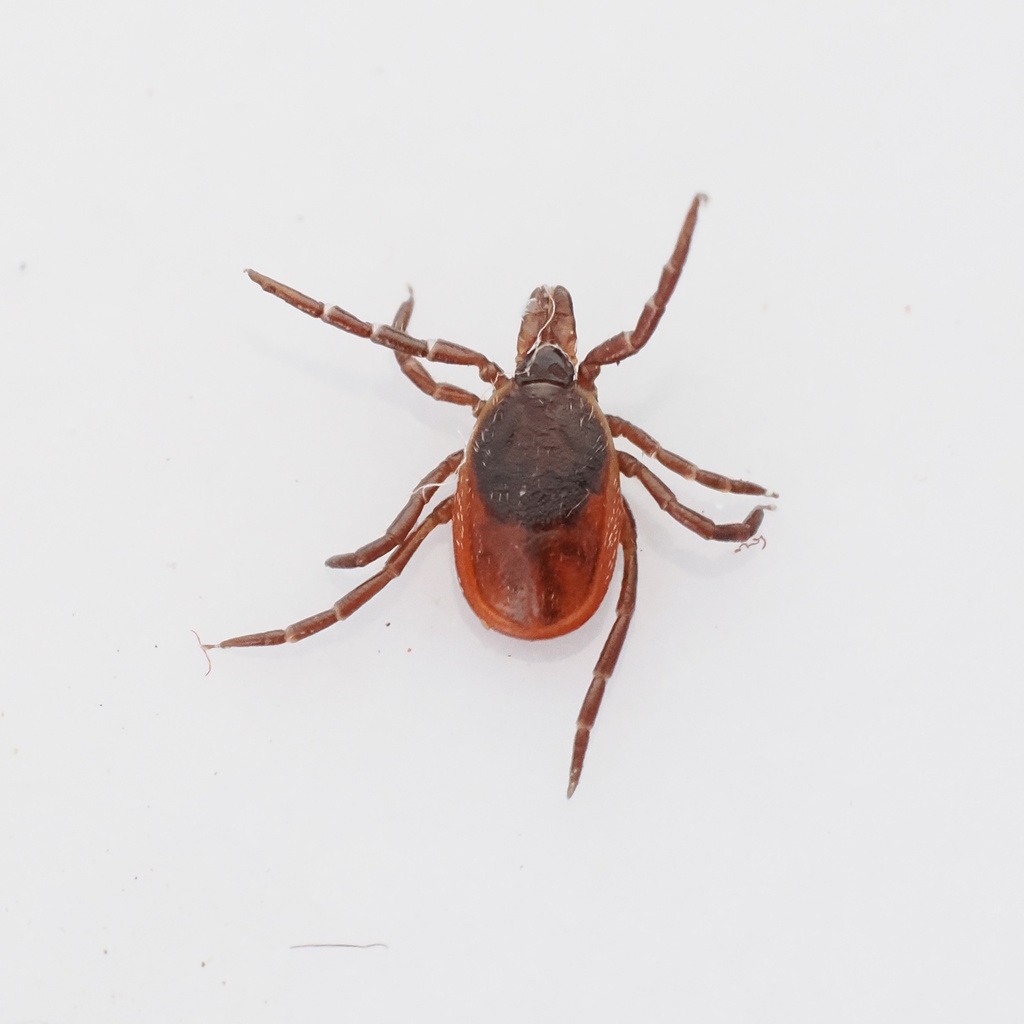
While Black-legged Ticks (“deer” ticks, which can transmit Lyme disease) have been present in New England for perhaps a century, their North American range has more than doubled since the 1990s, advancing northward at approximately 20 miles per year. These expansions are not uniform or gradual, but rather episodic, with more northward expansion occurring in relatively warm years.
By comparing the genetic signature of ticks across the northern United States and southern Canada, we’re learning that ticks can move hundreds of miles in a day during spring—via migratory birds. These movements lead to new populations appearing in scattered patches, gradually filling in areas where ticks were previously absent or in low densities.
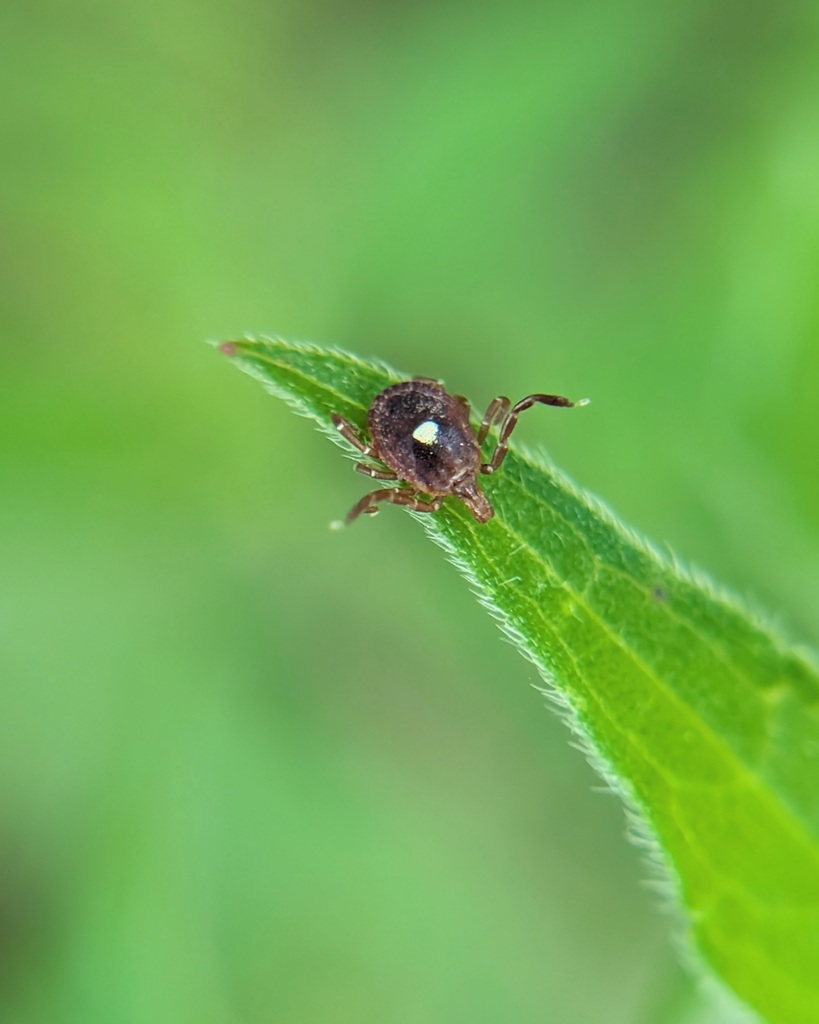
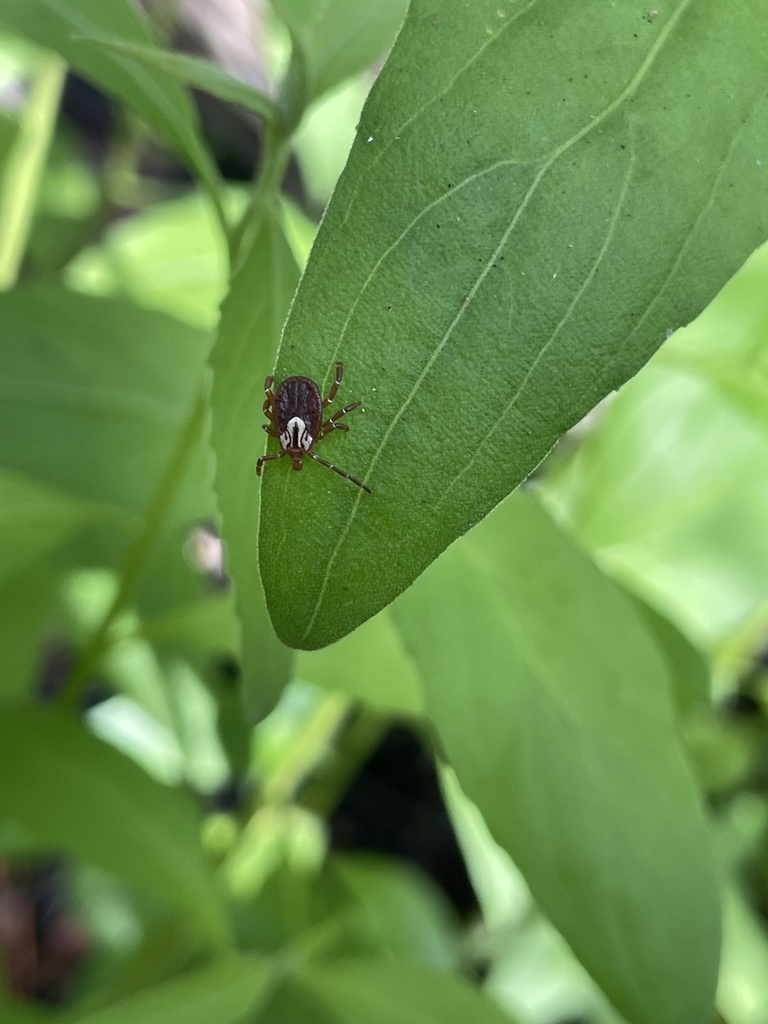
Lone Star Ticks, capable of triggering alpha-gal syndrome in humans, were formerly restricted to the southeastern United States, but are now regularly detected throughout the Northeast. Gulf Coast Ticks, which in some regions have been known to transmit a bacterium that causes a mild form of spotted fever, have only recently colonized New England within the last decade but are appearing with increasing frequency. The Asian Longhorned Tick, primarily a concern for livestock, was accidentally introduced to New Jersey around 2013. This species has now established populations in our region and is capable of rapid population growth through asexual reproduction. Incredibly, genetic analyses suggest that the entire U.S. population of Asian Longhorned Ticks can likely be traced back to just three self-cloning female ticks that were accidentally introduced from East Asia.
Warming temperatures are only part of the story. Our actions have led to increased forest fragmentation and suburbanization, which have created an environment full of shrubby edges (or ecotones, as we call them) that favor ticks and the animals they feed on, like White-tailed Deer.
These changes have not gone unnoticed in New England. In our two-year Upper Valley Backyard Tick Project, we found that pesticide use for ticks has increased substantially in recent years, with many homeowners turning to routine, monthly yard treatments. That response is understandable given the health risks ticks pose. However, there is no clear evidence that spraying around the home reduces the likelihood of contracting a tick-borne disease. In our study, pesticide applications reduced tick numbers for a short period, but those effects did not last—and pollinator populations declined by as much as 30% following treatment.
There are, however, simple and effective ways to reduce your risk from ticks. Wear long pants, tucked into your socks, while walking or working in brushy areas. It’s a nouveau fashion trend that looks great (trust me), and it makes ticks easier to spot before they disappear under your clothing. For additional protection, consider treating your clothing with picaridin or lemon eucalyptus oil. Check yourself, your children, and your pets regularly while outdoors. At the end of the day, make a full-body tick check part of your nightly routine.
If you find a tick and aren’t sure what species it is, upload clear photos to iNaturalist for identification. For more information, including what to do after a tick bite or whether you need to save a tick for testing, see this page from the Center for Disease Control. These small steps are more effective than trying to control ticks at the scale of your yard.
As you run maple lines or direct-sow your root vegetables this spring, it’s worth considering how differently we respond to species on the move. The northward expansion of Sassafras, Common Pawpaw, and Shagbark Hickory has largely been treated with indifference—ho-hum. Some arrivals are even welcomed—many of us are excited by the prospect of encountering species like Yellow-throated Vireo or Red-banded Hairstreak farther north.
Ticks, of course, elicit a very different reaction, largely because of their direct impacts on human health. But the processes driving their expansion are the same. Across New England, species are shifting their ranges in response to a rapidly changing climate and landscape.
If we look closely, ticks are not the whole story—they are one thread in a much larger pattern of ecological change unfolding across New England.
By Spencer Hardy
The changing colors of fall leaves is undeniably one of the great spectacles of the northern hardwood forests. But consider for a moment the other end of the growing season—from early April through late May, the color palette of our local forests changes at breathtaking speed. The daily commute—whether on a highway or trundling down a back road next to a rushing stream—becomes a crash course in forest diversity and structure, with each day revealing a new shade of white or green corresponding to a unique tree or shrub species.
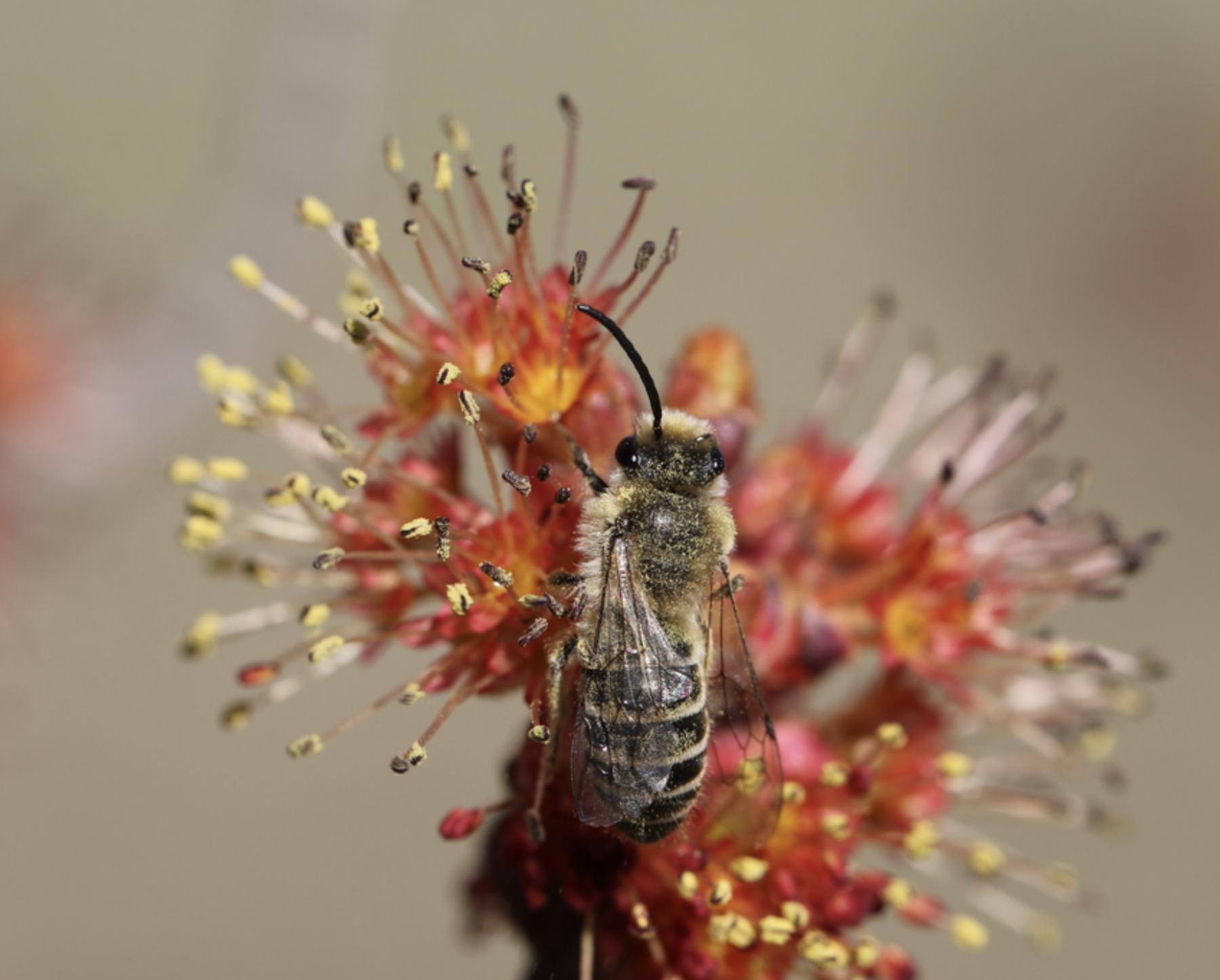
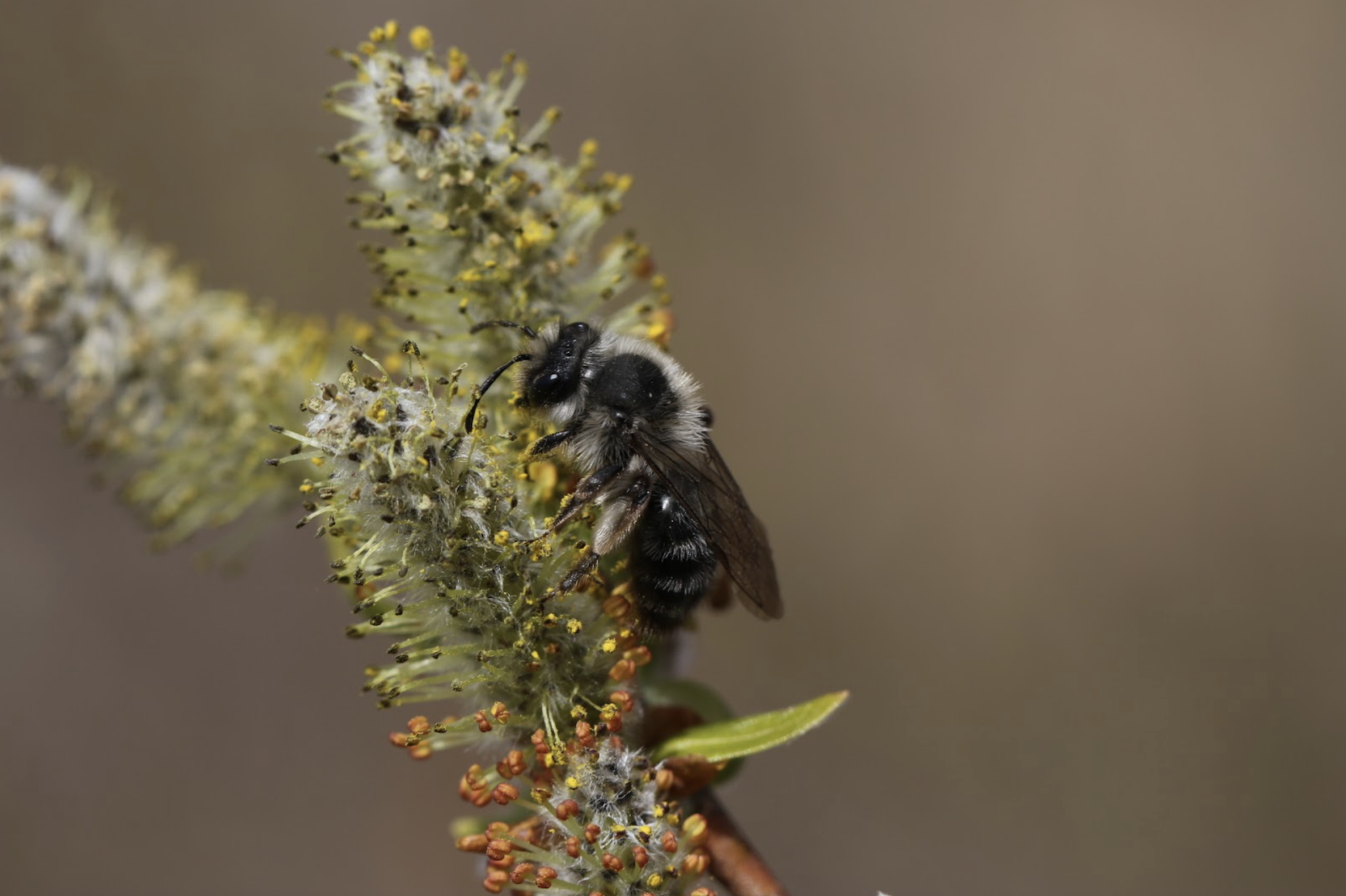
The first color arrives with the swelling maple buds, often prior to snow melt, but the party really gets started when the Red Maples open their flowers and the bottom lands tinge red. Shortly thereafter, the early willow species of wet meadows turn yellow with their catkins full of pollen. After the willows, there is a rapid fire collection of flowering shrubs, each like ephemeral fireworks with their own signature shade of white and preferred niche on the landscape. In rough phenological order, Downy Serviceberry, Smooth Serviceberry, American Plum, Pin Cherry, Chokecherry, Black Cherry, and hawthorns bring us to the end of May and are then eventually supplanted by another cast of late spring and early summer species.
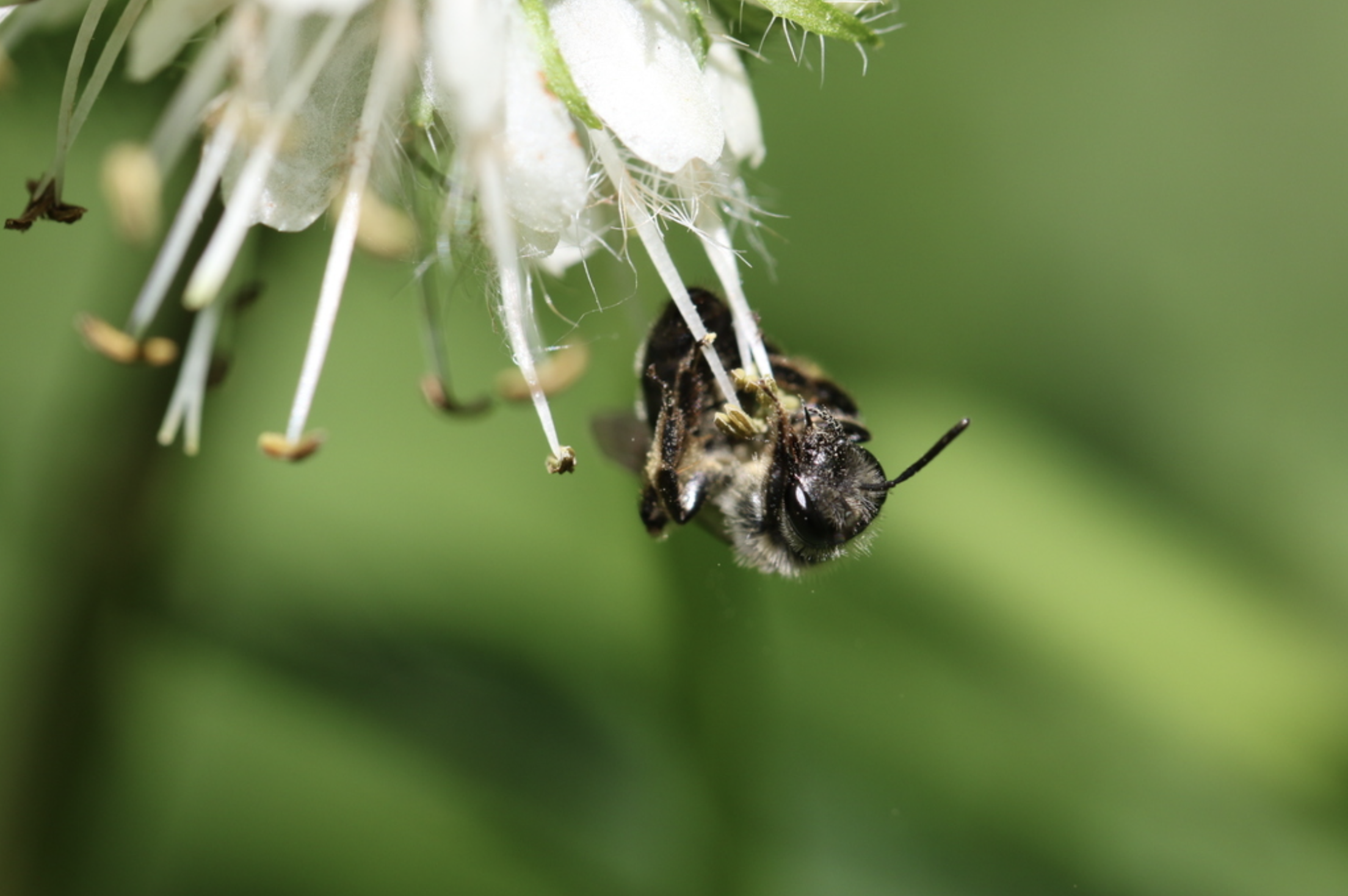
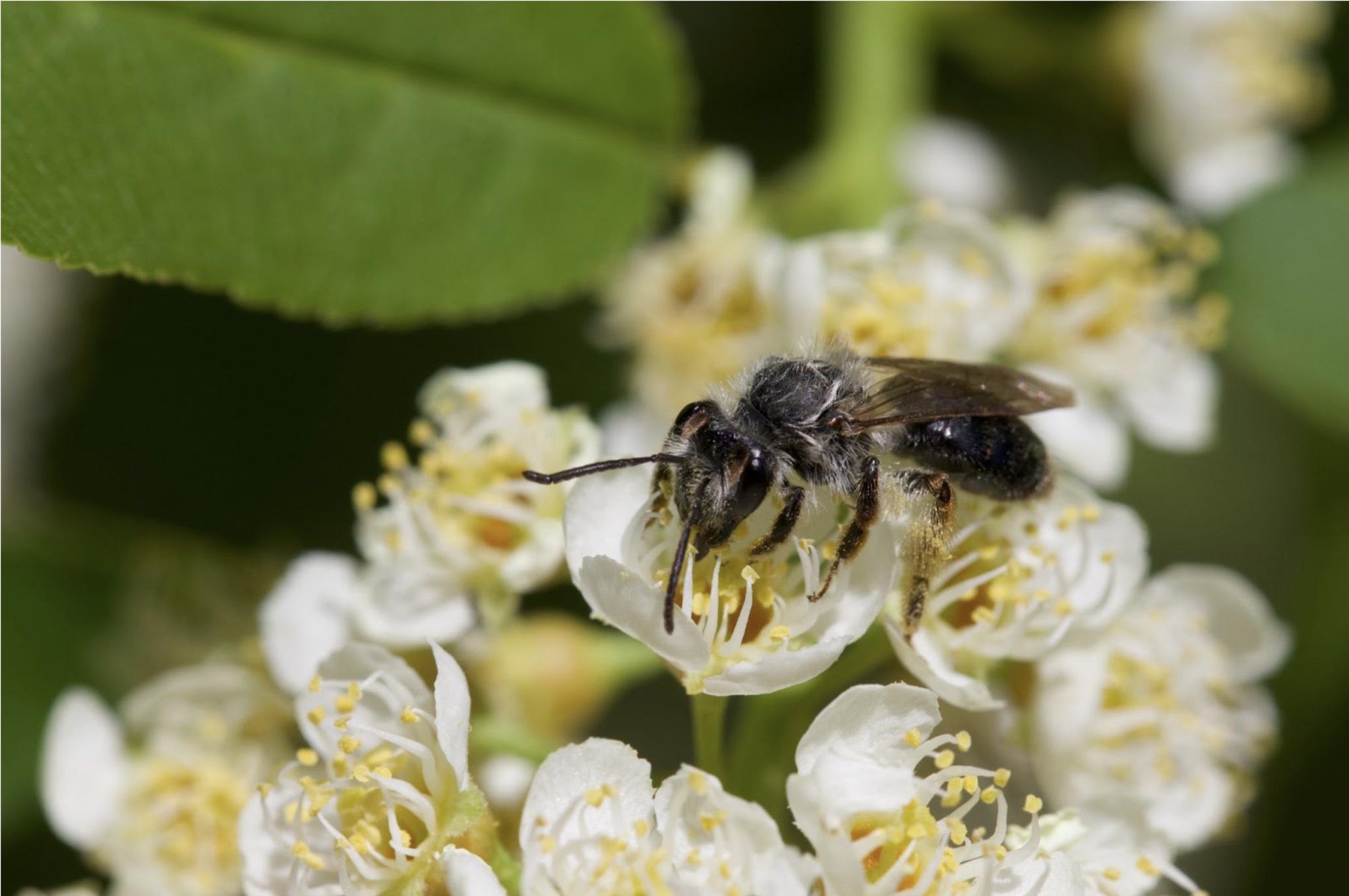
While these explosions of color can be witnessed at highway speeds, there is another whole layer of associated color and natural history that requires closer observation. With decent weather, all of these shrubs and trees are likely to be literally buzzing with potentially hundreds of insects, many of them wild bees. We know of nearly 60 species of mining bees that are likely to be active in May in Vermont. Twenty-four of them are specialists, the picky eaters of the bee world, only gathering pollen from a small subset of the available flowers. Within the shrub-associated mining bees, there are seven species that are dependent on willows, four that need dogwoods, and two associated with blueberries, plus a number of others that have a strong preference for flowering shrubs in general. And of course this explosion of flowers in the woods doesn’t go unnoticed by the less picky bees—watching bumble bee queens cruising a patch of willows has become a spring ritual for me.
Perhaps because I perceive them as overlooked, and I like to root for the underdog, I’ve increasingly found myself drawn to our woody species and will promote their virtues whenever I’m given a chance. There are also, of course, bees that like the more quintessential spring flowers. Many of our rich hardwood forests are awesome places to look for bees—but often only for a few sunny days in early May before the canopy closes and shades out the spring ephemerals. Spring Beauty, Trout Lily, and bellworts are true spring ephemerals that have associated specialist bees. Other spring plants that host specialist bees include Wild Geranium, Golden Alexander, Wild Strawberry, Violet spp., and Virginia Waterleaf.
With so many picky bees, each with their own diet, phenology, and nesting habitat, it’s hard to know what to prioritize in efforts to help protect them, especially for backyard naturalists. Here are a few tangible ideas to ponder this spring while cruising back roads and admiring the return of color to the landscape.
1. Mow less. Even just raising your mower blade gives wild strawberries, violets, and many others a chance to bloom. Also, unfertilized lawns and meadows tend to have a higher portion of flowering forbs, and thus more bees!
2. Buy bird friendly maple syrup—it’s good for the bees too!
3. Eat more venison. In many areas, deer are the number one killer of many of the plants mentioned above, especially our woodland ephemerals.
4. Plant some fruit trees. Though the cultivated varieties might not be as good as the native species, they are still popular with a lot of bees, and certainly better than turf grass. Think plums, cherries, apples, blueberries, currants, and gooseberries.
5. Avoid pesticides. Bees are insects (shocker, I know) and can be heavily impacted by many of the insecticides used on farms and backyards (think mosquito and tick control, and Raid). Choosing organic fruits at the store is a good way to limit bees exposure, since some fruits are often sprayed while the crops are blooming.