VCE Birdathon Terns up a Last-minute Surprise
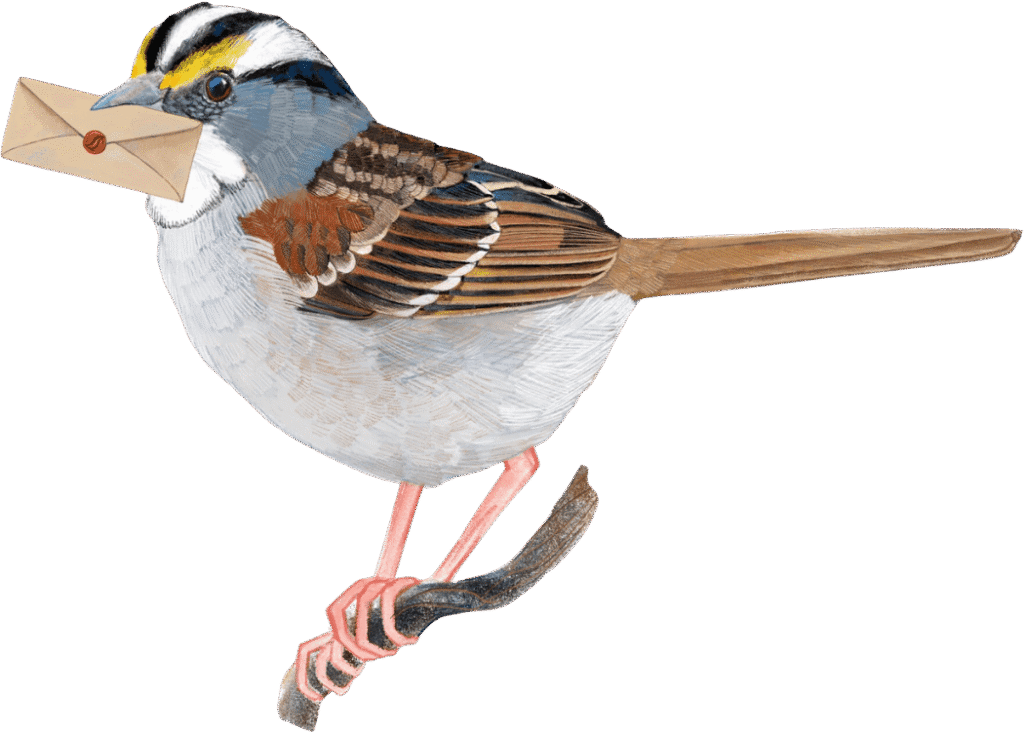
Boreal birds, balsam fir spires and peat bogs proved an irresistible lure to the Green Mountain Goatsuckers, drawing us back to Vermont’s Northeast Kingdom for our 2018 Birdathon. From the Barton River wetlands to the larch and fir forests of Victory, we covered a lot of ground. Our species count topped out at 103, and the day’s most surprising bird was our very last tally.
Outdoor Radio: Turkey Vultures Soar over the Capital
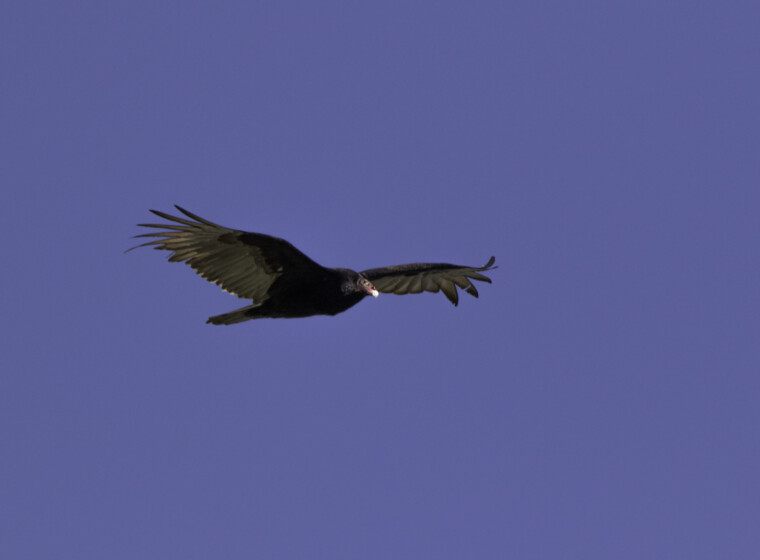
Outdoor Radio usually takes us to a mountain top, pond or forest to get close to wildlife. But this month, biologists Sara Zahendra and Kent McFarland are on top of the National Life building in Montpelier. For the past several years, National Life employees have been able to watch Turkey Vultures right out their windows.
Vermont Cliff Tops and Overlooks Closed to Protect Nesting Peregrines
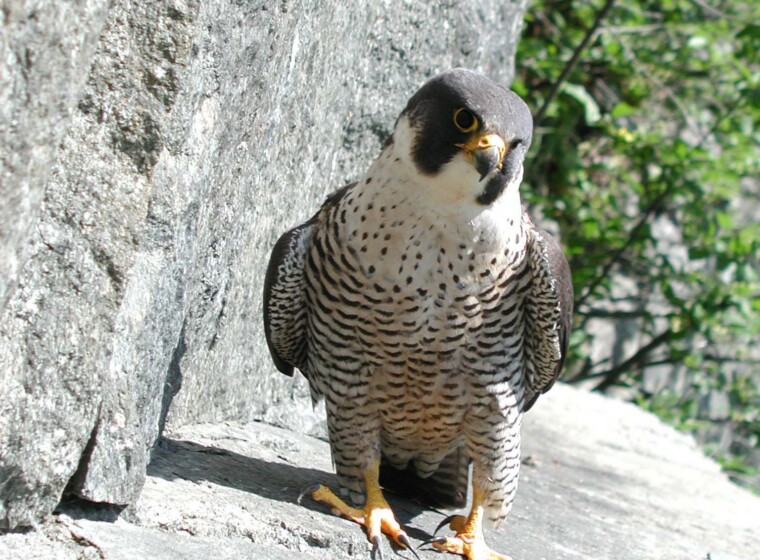
Hiking Vermont’s hillsides is a great way to enjoy a spring day, but the Vermont Fish & Wildlife Department and Audubon Vermont recommend checking to see if the area you’re planning to hike or climb is open. Several cliff areas are currently closed to protect nesting peregrine falcons.

The Distinguished Dozen: Vermont Most Wanted Dragonflies
VCE and its collaborators are launching a new effort to locate rare and undiscovered dragonflies and damselflies, which could be flying at your nearest river, wetland or backyard pond. We’ll even train people who want to join in the pursuit of these charismatic insects.
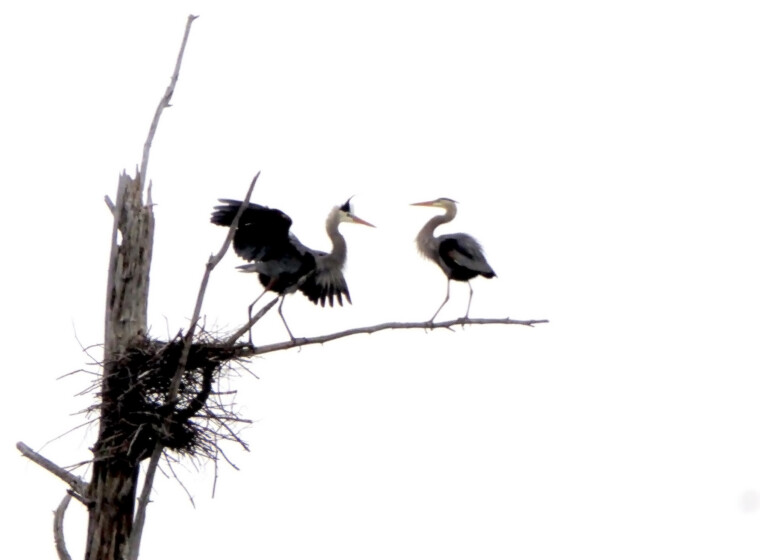
April 2018 Photo-observation of the Month
Congratulations to Kyle Jones for winning the April 2018 iNaturalist Vermont photo-observation of the month contest. The image of a pair of Great Blue Herons nesting was the most popular photo-observation.
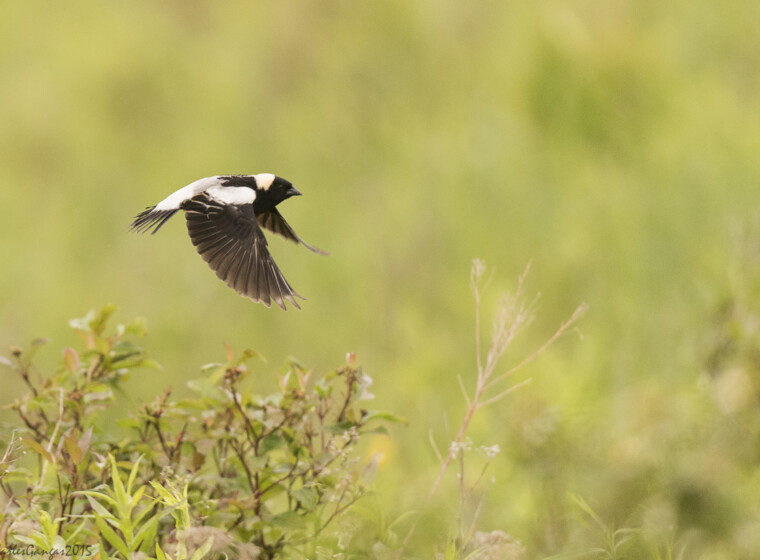
Mowing Hay and Growing Birds
In May, Bobolinks arrive to breed after making the longest trip of any migrant songbird in the Northeast. These tenacious travelers need our help to ensure that their annual 12,000-mile round-trip trek is not in vain. Learn more…
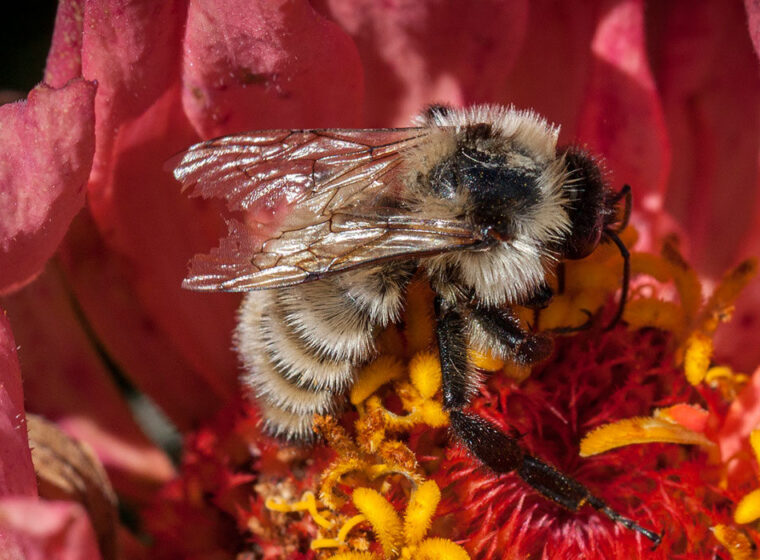
Loons and Late Ice
Loon pairs are somehow able to catch up in years of late ice-out so that their breeding schedule does not differ greatly from other years.
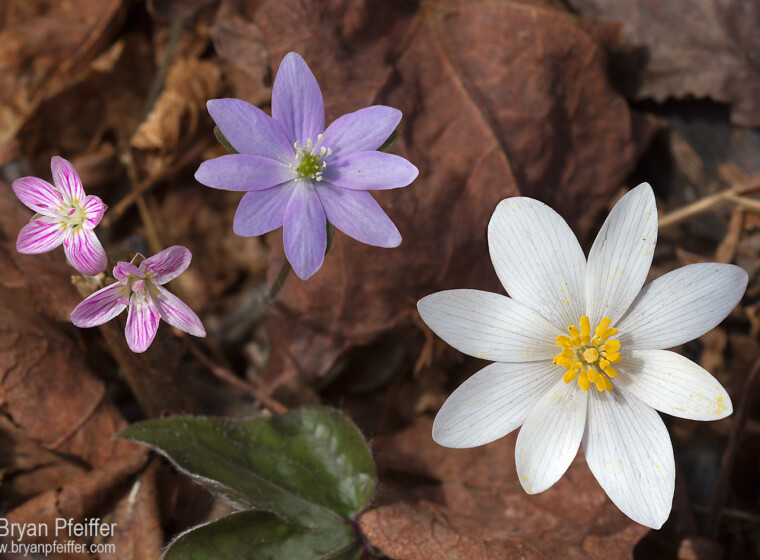
Field Guide to May 2018
The month of May is a show-off. Woodland wildflowers break out of the ground. Trees flower and leaves burst. Birds arrive on southern winds with song. May shouts of life and rejuvenation. Here’s a few bits of natural history for your May days.
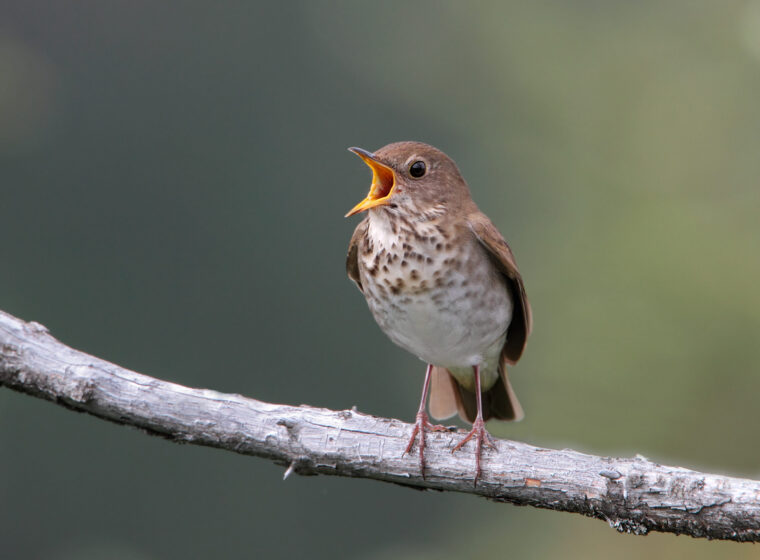
Forest Thrush Mix Up
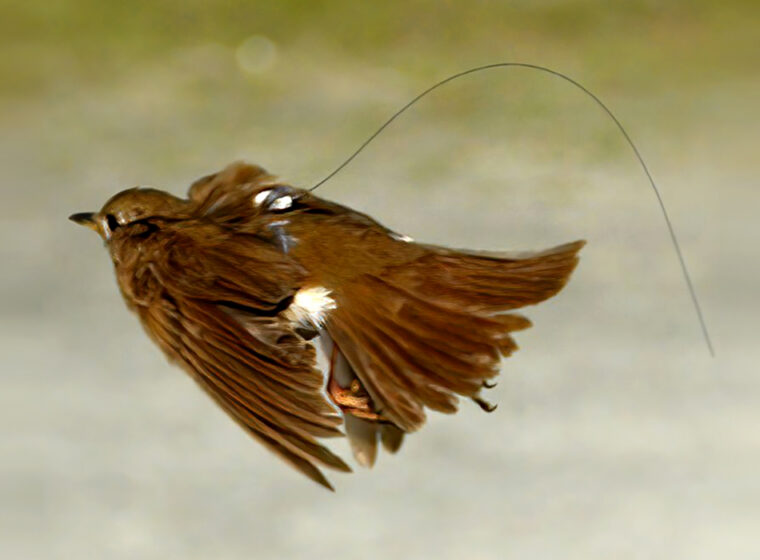
A first-hand account of VCE Biologists discovery of a rare thrush phenomena published this month in the Wilson Journal of Ornithology.
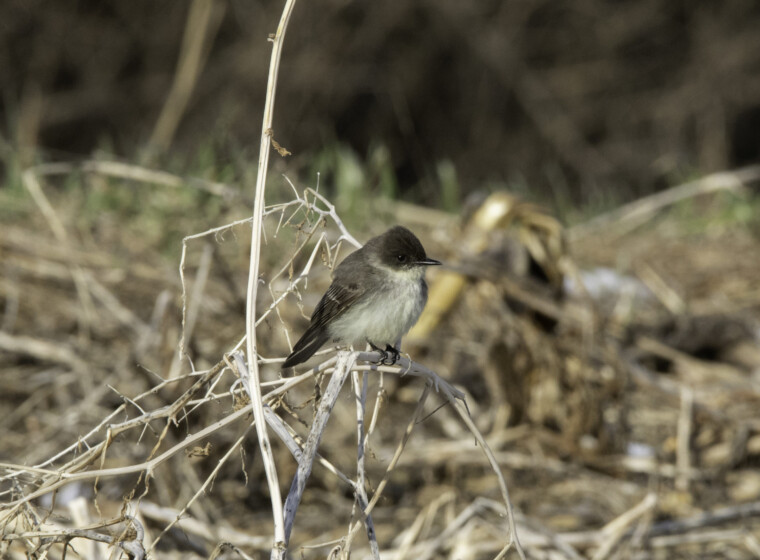
Bad Weather Yields Phoebe Bonanza
Bad weather may create memorable birding for humans, but unusual concentrations of grounded migrants typically reflect stressful situations for the birds themselves. Three VCE staff recently experienced an unprecedented and unforgettable gathering of Eastern Phoebes at Lake Runnemede in Windsor.
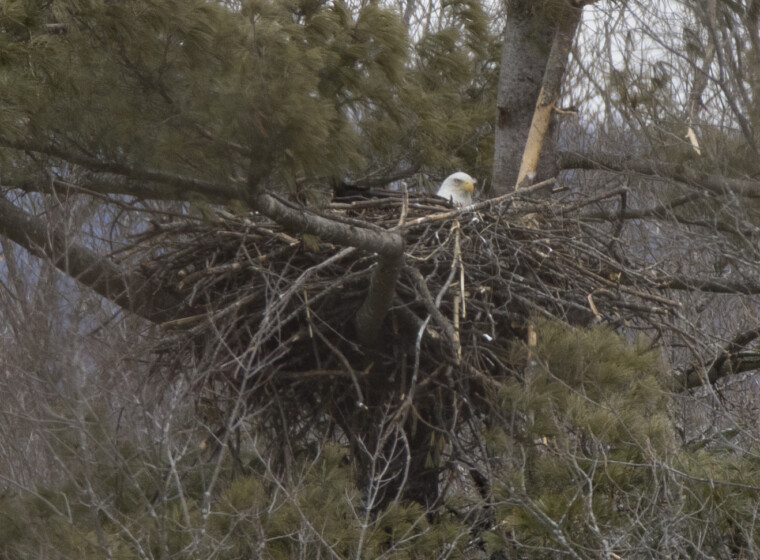
Outdoor Radio: Nesting Bald Eagles a Conservation Success Story
Wildlife biologist John Buck, of the Vermont Fish and Wildlife Department, joined VCE biologists Sara Zahendra and Kent McFarland to see a Bald Eagle nest and talk about their natural history and conservation success.
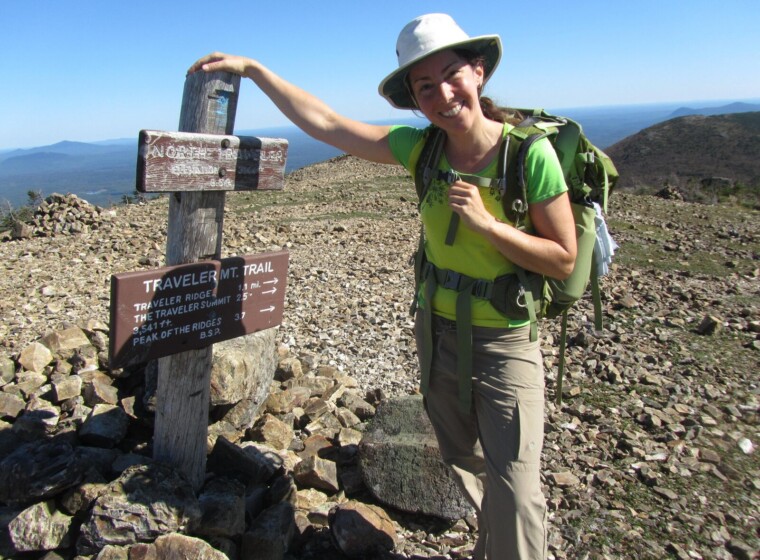
VCE Welcomes New Director of Communications
Karen Bourque joins VCE as our new Director of Communications.