A Field Guide to October 2017
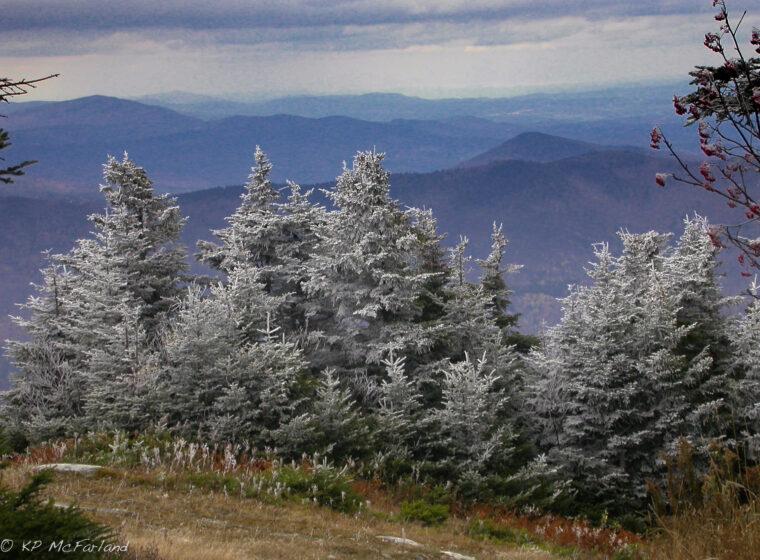
October is a month of change. Here’s your field guide to some moments that you might not otherwise notice during these few precious weeks that feature colored hills beneath a deep blue sky with the last Monarchs fluttering southward.
Bicknell’s Thrush and the Endangered Species Act
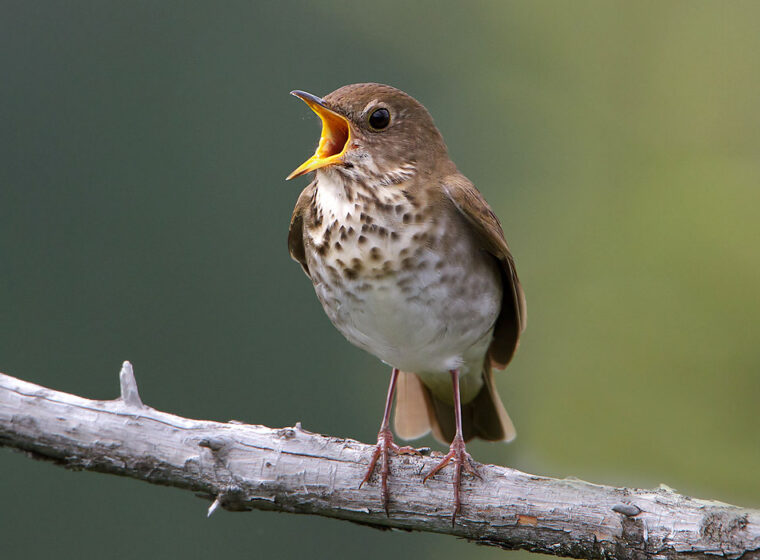
The US Fish and Wildlife Service has chosen not to add Bicknell’s Thrush to the list of endangered species. The decision not to list Bicknell’s Thrush must not be interpreted as a sign that our job as conservationists and scientists is done. On the contrary, it reinforces the importance of the collaborative, science-based conservation work of VCE.

New VCE Study Reveals Population Health of Mountain Songbirds
A 16-year study by VCE of mountain forest songbirds across New York and New England, including thrushes, warblers and other iconic species, has documented their population changes.
Take a Time Out for Turtles: Volunteers Needed for Nesting Beach Clean Up Day
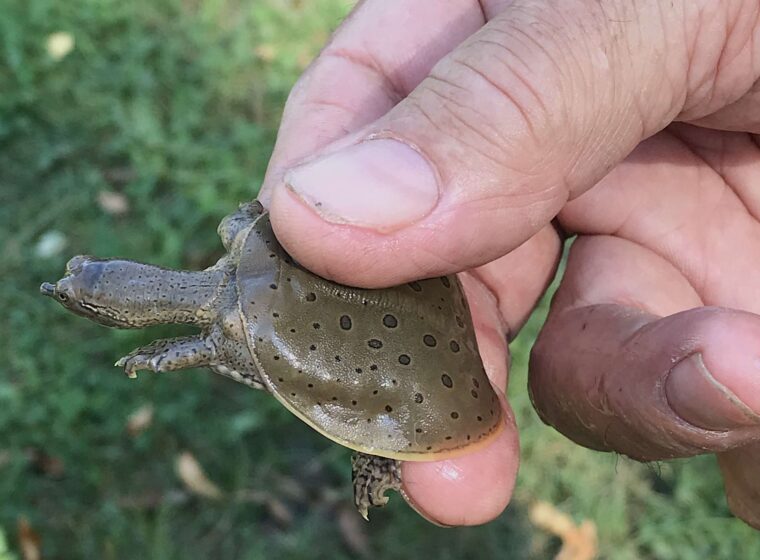
The annual spiny softshell turtle beach cleanup day is on Saturday, October 21, and Vermont Fish & Wildlife is looking for volunteers to help.
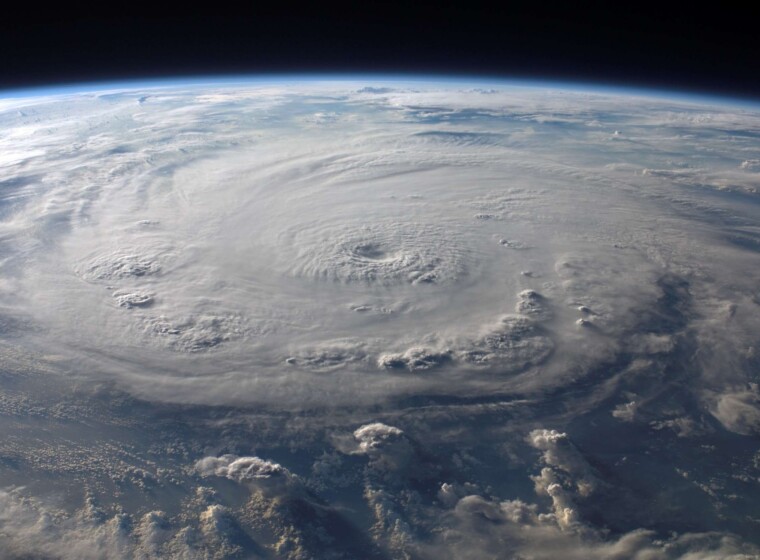
VCE Partners with BirdsCaribbean for Post-hurricane Relief
VCE is partnering with BirdsCaribbean to raise funds for humans and wildlife affected by the succession of devastating hurricanes throughout the Caribbean this season. Please join us in helping get the region back on its feet!
Outdoor Radio: Lake Fairlee Loons
Biologists Kent McFarland, Sara Zahendra and Eric Hanson headed out in canoes to take a look at the nesting sites and check on the loon chick. Join them as we learn the story of the Lake Fairlee loons and how volunteers are helping VCE and the Vermont Fish & Wildlife Department conserve Vermont’s loon population.
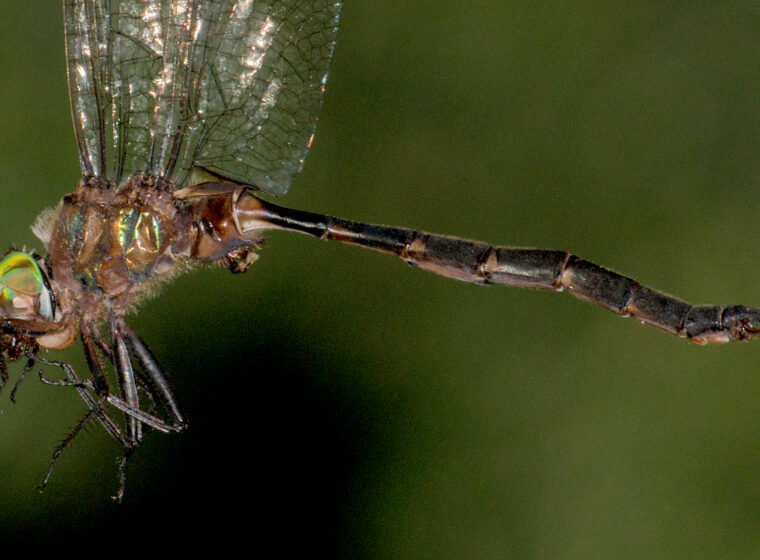
An Emerald Discovered in Victory
Mike Blust and Josh Lincoln had a plan hatched by a fellow naturalist. Hike deep into the forest to a bog in northeast Vermont and find a rare emerald dragonfly that had never been seen in Vermont. Read about their trials and tribulations that led to elation at discovering this beautiful insect for the Vermont Damselfly and Dragonfly Atlas.
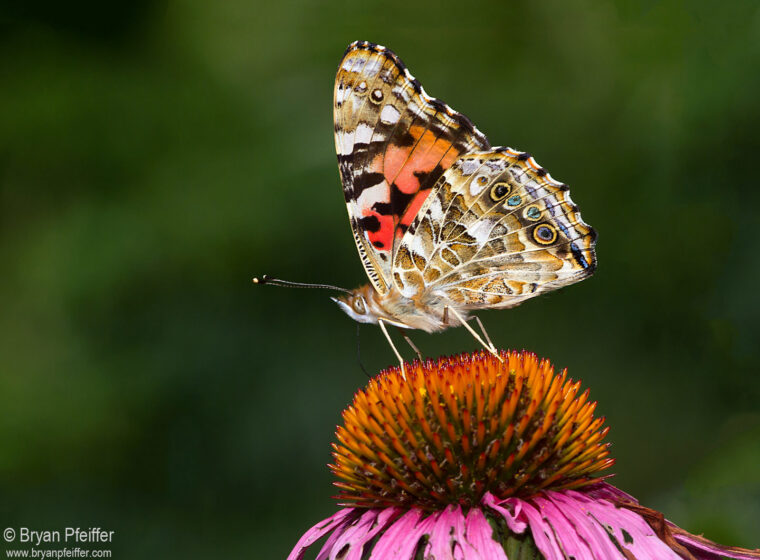
Help Us Record Painted Lady Butterflies on the Move
Painted Lady butterflies are flitting about fields, gardens, roadsides and meadows throughout eastern North America and beyond. Like Monarch butterflies, with which they are sometimes confused, Painted Ladies are now…
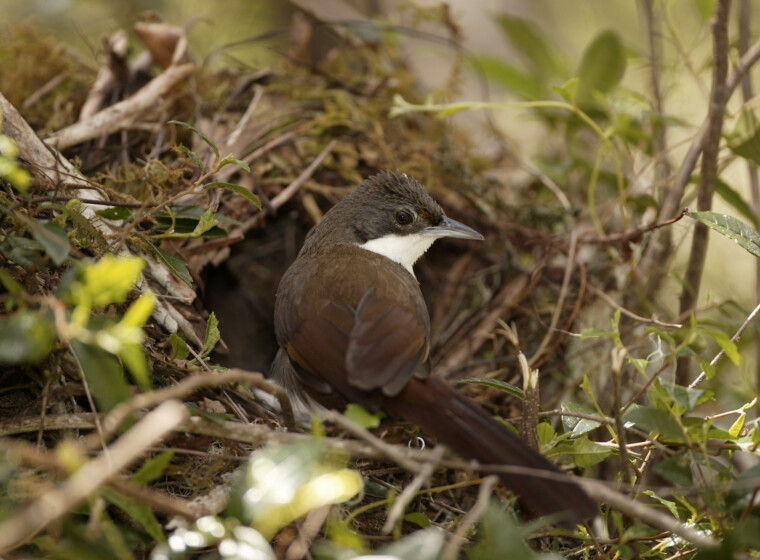
VCE Paper Sheds Light on Little-known Hispaniolan Endemic
VCE’s recent peer-reviewed paper on Western Chat-Tanagers from cloud forests of Hispaniola highlights non-breeding home range ecology and nocturnal roosting patterns of this rare, globally vulnerable endemic.
Down Year for Piping Plovers in New Hampshire
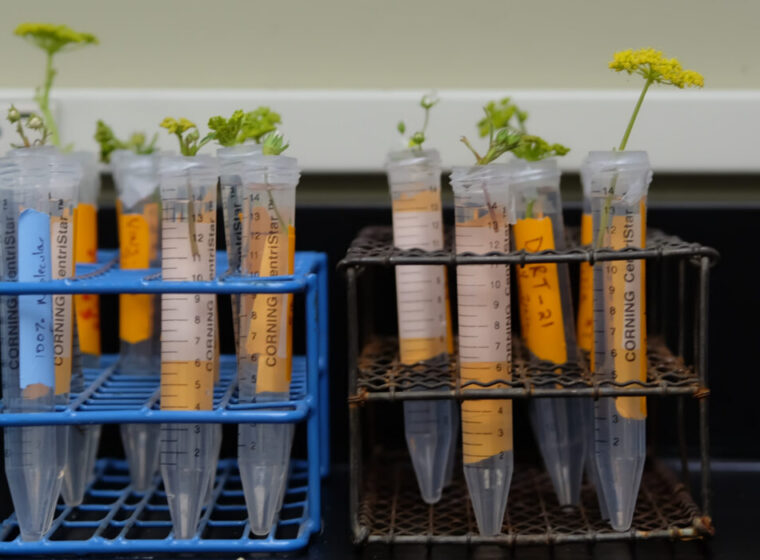
t was a difficult summer for the state-endangered and federally threatened Piping Plovers on Hampton and Seabrook beaches this year. This summer, three pairs nested on Hampton Beach, while on Seabrook Beach four pairs of plovers nested.
A Field Guide to September 2017
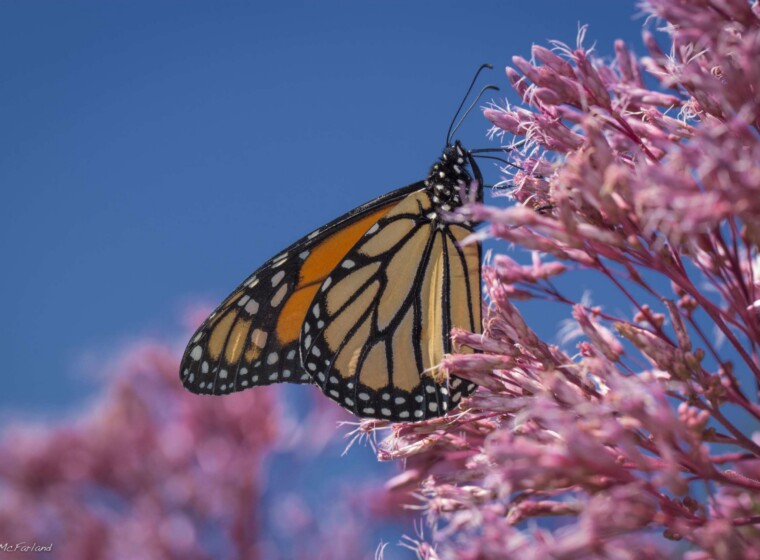
Sorry, summer is over, but autumn is spectacular here in the Northeast and wildlife is on the move. So here’s your field guide to some of life on the move in September.
A Record Year for Vermont’s Loons in 2017
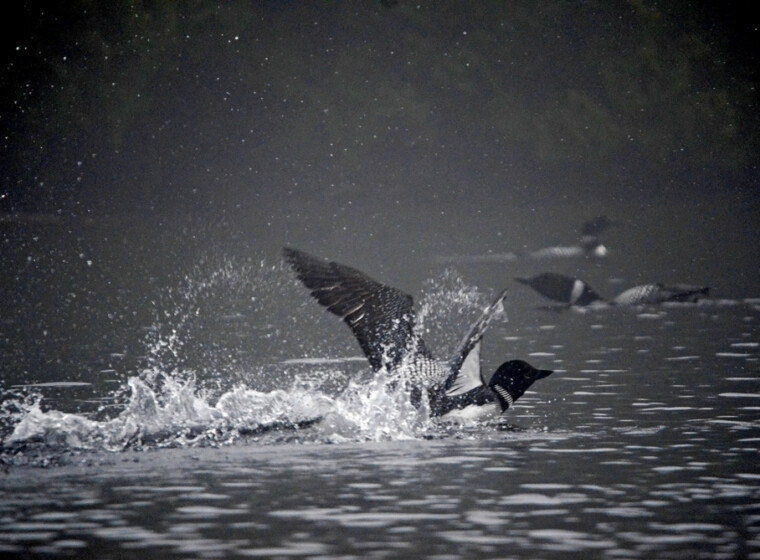
This year was another great breeding season for Common Loons in Vermont. The Vermont Loon Conservation Project and it’s volunteers observed a record 97 loon nest attempts with at least 72 successful nests. Learn more…