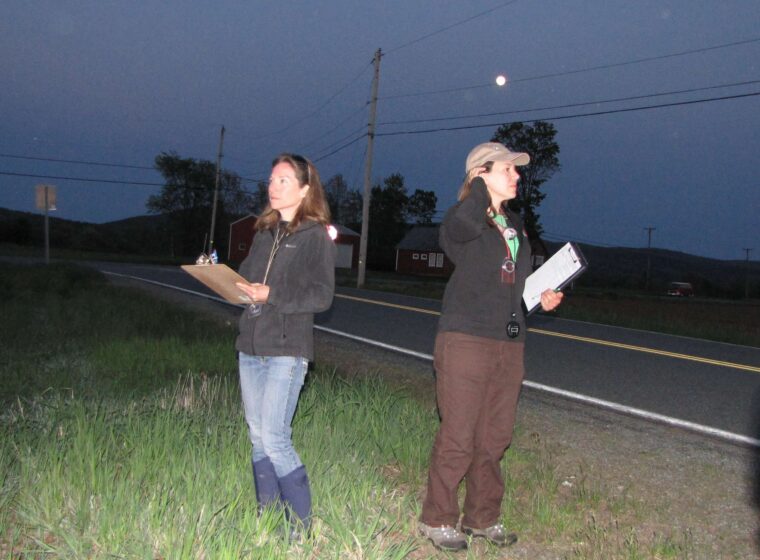
VCE Seeks Volunteers for Eastern Whip-poor-will Surveys
With spring on our doorstep, our whip-poor-will survey team and volunteers are looking forward to sunsets and moonlit nights this year more than ever! Sound like fun? Please join our adventurous volunteers in surveying Whip-poor-will routes across Vermont on moonlit nights.
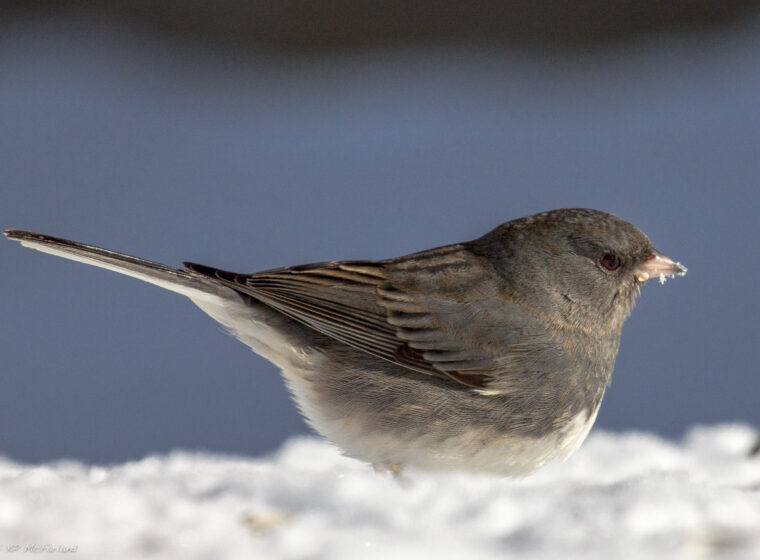
Juncos Flock in Large Numbers with Late Winter Storm
Many of us in Vermont experiences incredible numbers of Dark-eyed Juncos during this winter. But this past weekend was epic. With snow, ice, sleet, and rain blanketing the region for 3 days, bird watchers reported amazing numbers of juncos at their bird feeders and along highways.
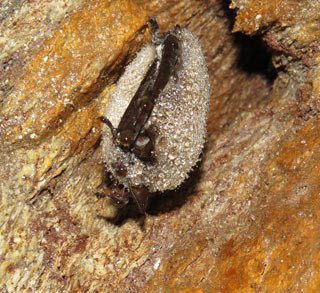
NH Winter Bat Surveys Reveal Decreasing Population
Recent surveys for bats in New Hampshire hibernacula, places where bats spend the winter, resulted in biologists finding a total of only 26 bats. In 2008, the same hibernacula had nearly 4,000 bats.
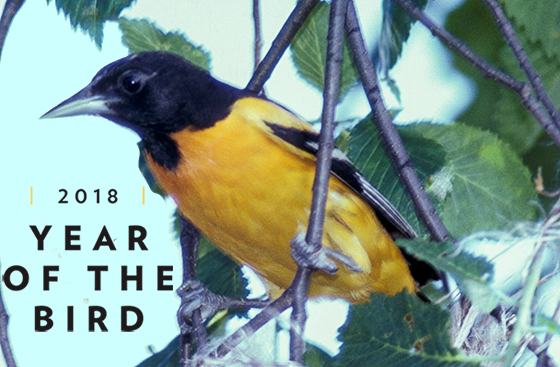
Sipping for Songbirds
Three-quarters of the world’s coffee farms destroy forest habitat to grow coffee under full sun. With thoughtful consumption, coffee drinkers can help save songbirds one cup at a time.
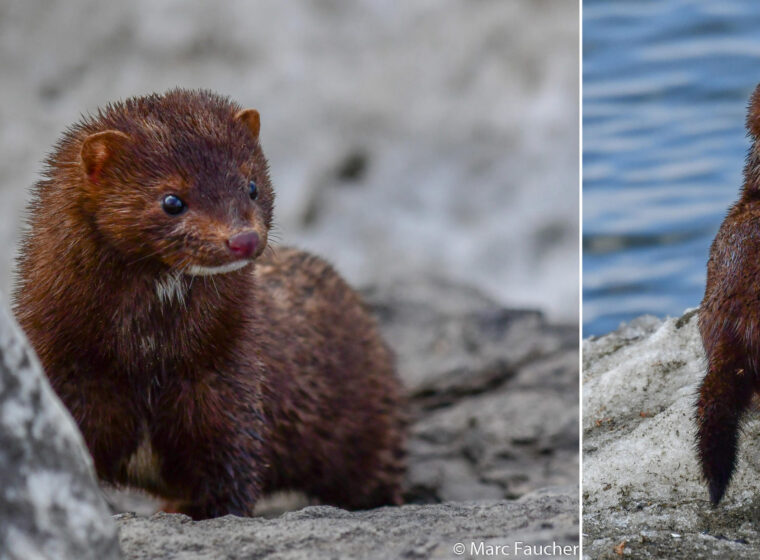
March 2018 iNaturalist Vermont Photo-Observation of the Month
Congratulations to Peggy and Marc Faucher for winning the March 2018 iNaturalist Vermont photo-observation of the month contest. The images of a wet Mink hunting along the shoreline was the most popular photo-observation.
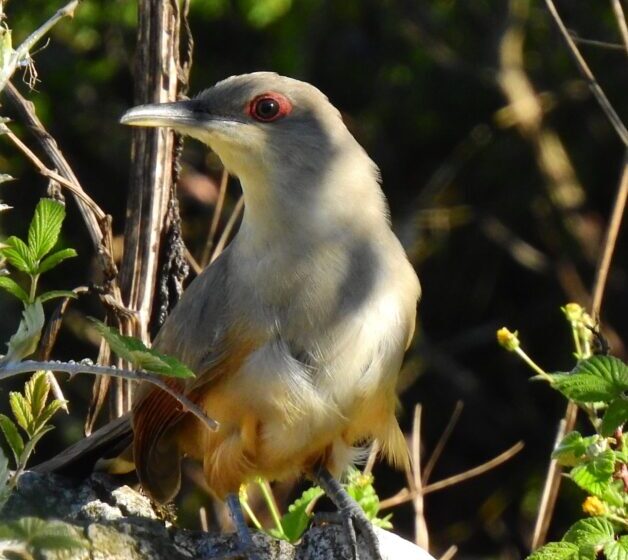
A Field Guide to April 2018
In April the northern forest is laid bare with cold desire. Sight, sounds, and smell – April leaves none of our senses void. Here’s our guide to some of the joys of April.
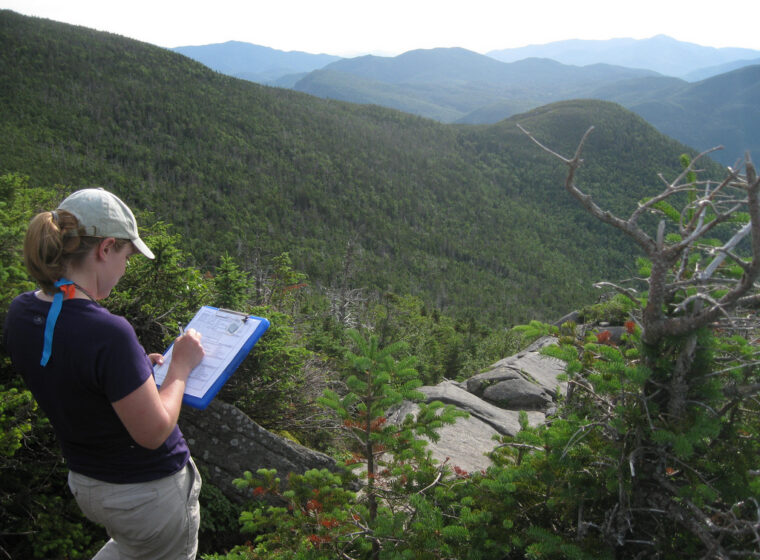
Mountain Birdwatch Brings a Mountain of Data to eBird
Since 2010 alone, several hundred Mountain Birdwatch citizen scientists have conducted 18,636 five-minute point counts at nearly 750 remote locations in the mountains of New York and New England. Recently, we uploaded more than 37,000 checklists spanning the last 17 years of the program to eBird.
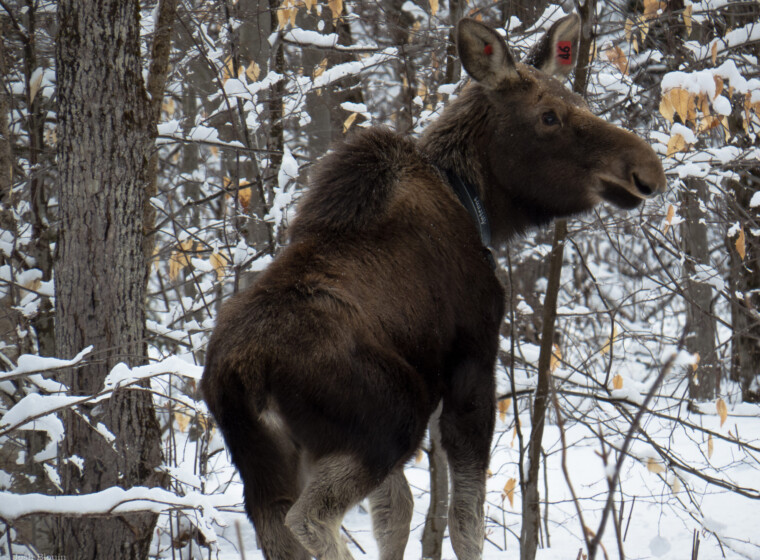
Outdoor Radio: Tracking Moose Health
Moose populations in Vermont and New Hampshire have undergone a rapid population decline for a variety of reasons. We join Jake Debow, a graduate student of the University of Vermont and biologist with Vermont Fish & Wildlife Department, to trek through deep snow near Maidstone Lake to find out more about the plight of Moose in the region.
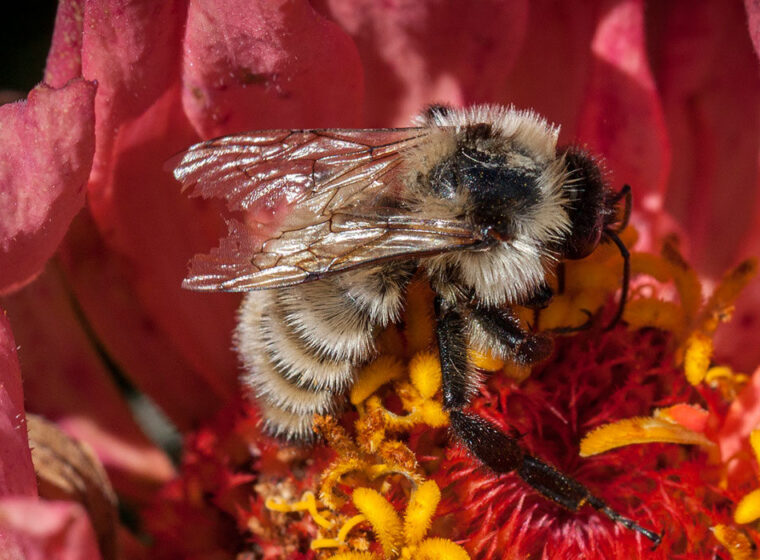
Where Are Common Loons in Late Winter?
If you travel to the coast this late winter or early spring, bring your binoculars and scan nearshore waters. You’ll likely find loons, and you might be lucky enough to hear one call.
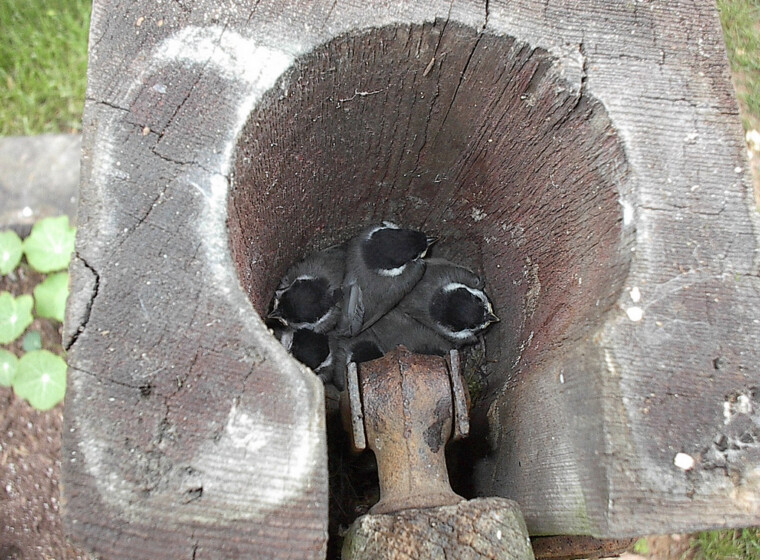
Breeding Yard Birds More Successful with Native Plants
The idyllic setting for nesting songbirds in our backyards is one filled with native plants, according to research published last summer.
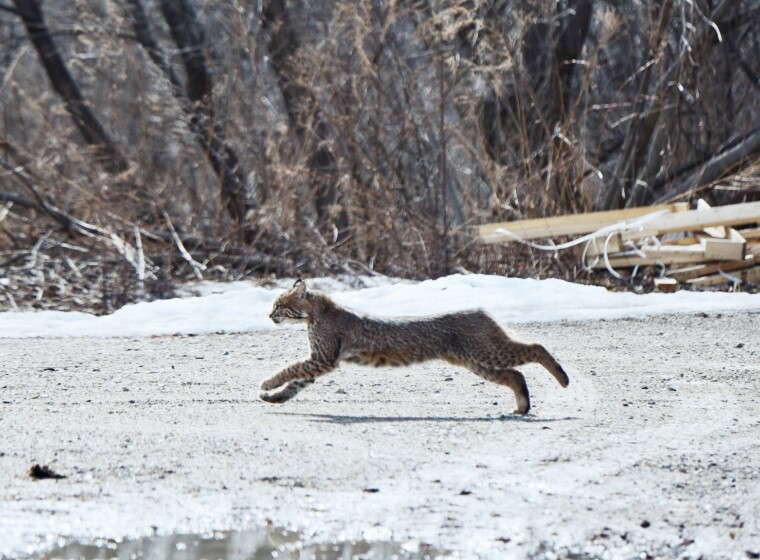
February 2018 iNaturalist Vermont Photo-Observation of the Month
Congratulations to Kyle Tansley for winning the February 2018 iNaturalist Vermont photo-observation of the month contest. His image of a running Bobcat was the most popular photo-observation.
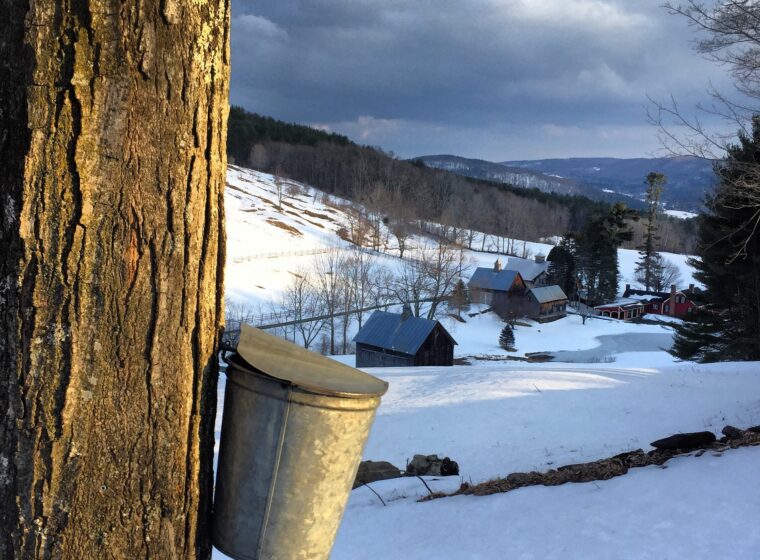
A Field Guide to March 2018
On Tuesday, March 20th at 12:15 PM spring arrives in the north. While the sun may be predictable, March weather is not. March is a month of battles between warm and cold, between winter’s refusal to leave and spring’s insistence on coming. So here’s some signs of spring in this Field Guide to March.