If you own a large parcel in New England, there are a lot of research-backed ways to be a good steward of the land and the wildlife that depends on it.
- Learn about vernal pool ecology in the collection of videos below.
- Head to the Vernal Pool Atlas to see if there are potential, probable, or confirmed vernal pools near or on your property. Then contact biologist Kevin Tolan to confirm what you have.
- Become a Grassland Ambassador. Watch the grassland bird webinars below to understand why and how to manage for these vulnerable species through thoughtful mowing schedules. Contact Kevin Tolan to learn more.
- Make your windows safer. Collisions with glass—including large picture windows in homes—cause up to 1 billion avian deaths annually in the U.S. Visit American Bird Conservancy’s bird-strike prevention page for solutions you can implement right now.
- Turn off building lights at night, especially during spring and fall migration. Ask your local elected officials and encourage your city’s property owners and building managers to join the National Audubon Society’s Lights Out program . Turning off architectural and window lighting in cities at night not only saves energy and money—it saves the lives of migratory birds that can become fatally disoriented by artificial lights. Learn more about Lights Out Vermont .
- Avoid pesticides. More than one billion pounds of pesticides are applied in the U. S. each year. The widely used insecticides called neonicotinoids or “neonics” are especially lethal to birds and the insects they consume, but even pesticides marketed as “bee-friendly” or “green” can harm beneficial insects. Contact our biologist Desirée Narango to learn more about the latest research on pesticides and pollinators, or Jason Hill to learn about tick spraying’s effect on other insects.
- Eliminate pesticide use around your home and garden, and take the next step by asking your senators and representatives to further restrict ecosystem-destroying pesticides in your state.
Vernal Pools
Called “the coral reefs of the forest,” vernal pools are a unique type of wetland habitat. Landowners should protect vernal pools on their land for their value as habitat and flood control features.
Head to the Vernal Pool Atlas to see if there are potential, probable, or confirmed vernal pools near or on your property.
Mapping and Conserving Vernal Pools
In partnership with the Association of Vermont Conservation Commissions, join VCE’s Kevin Tolan and take a virtual step into the world of vernal pools, plus learn how to document and conserve these delicate ecosystems in your area. (1 h 12 min)
 Video Series: Watch a Vernal Pool Come to Life with Steve Faccio
VCE Conservation Biologist Steve Faccio (now-retired) visits a Vermont vernal pool throughout the spring and summer of 2020. During each visit, he documents the changes with video clips and discusses what he finds. Each 2-to-5-minute video reveals a different aspect of the natural history and ecology of these fascinating, keystone ecosystems.
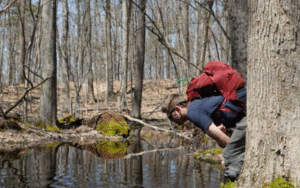
What Landowners Need to Know about Vernal Pools
This primer covers how to identify and document vernal pools on private property and public lands, as well as how to manage and develop areas where vernal pools are present.
Hayfields and Grassland Birds
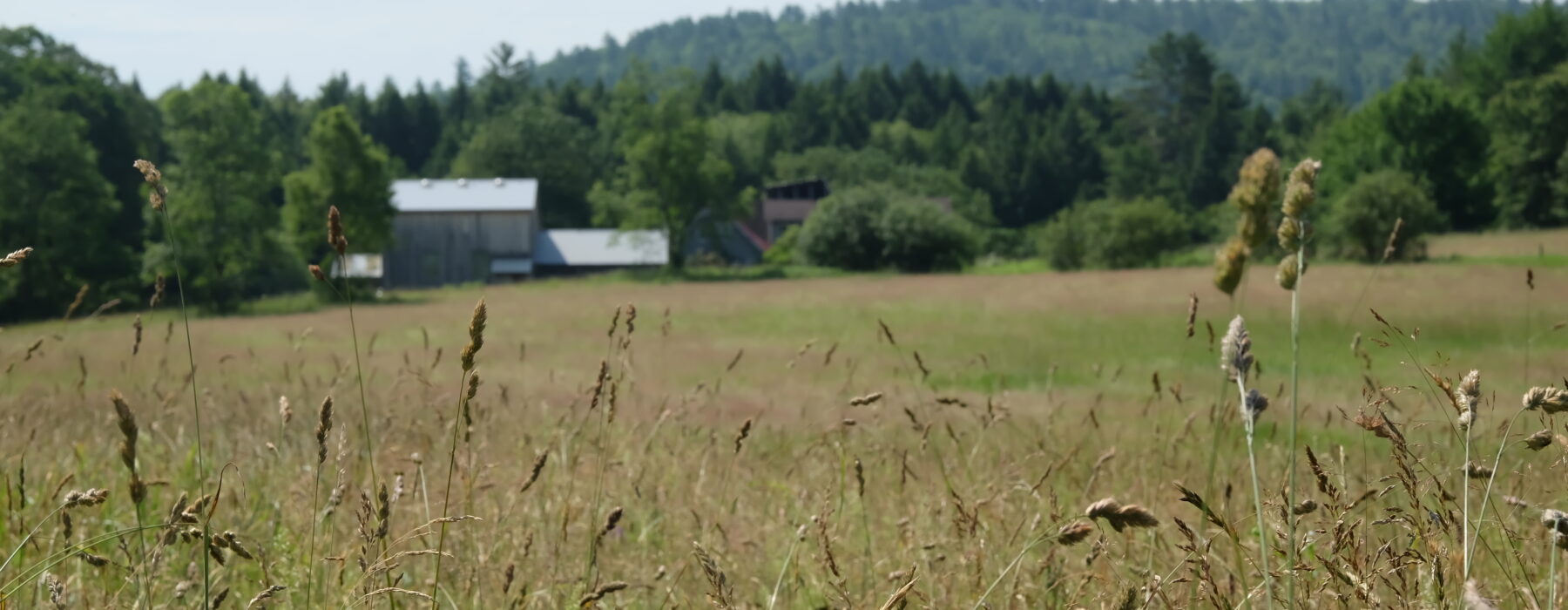
Are you the proud owner of a 10-acre-plus hayfield? Do you want to hear the song of the Bobolink and Eastern Meadowlark in the summer? Then you could be a part of protecting grassland birds, which are undergoing the most drastic decline of any bird community in the continental United States.
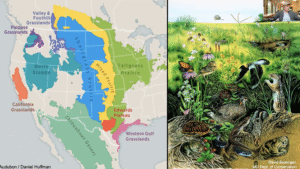 Webinar: Meadows, Mountains, and Moraines: The history (and future) of Northeastern Grassland with
Kevin Tolan, hosted by the Green Mountain Audubon Society
Eastern Meadowlarks have declined in Vermont over the last 50 years. VCE biologist Kevin Tolan discusses the 2022 Eastern Meadowlark report and what studies suggest about the future of this bird in Vermont. (48 mins)
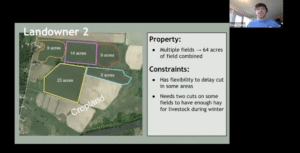 Recorded Workshop: Managing Grasslands for Birds
Kevin Tolan, former VCE biologist Liza Morse, and Vermont Land Trust’s Pieter van Loon hosted this virtual workshop about grassland bird ecology and habitat management for landowners. (1 h 16 min)