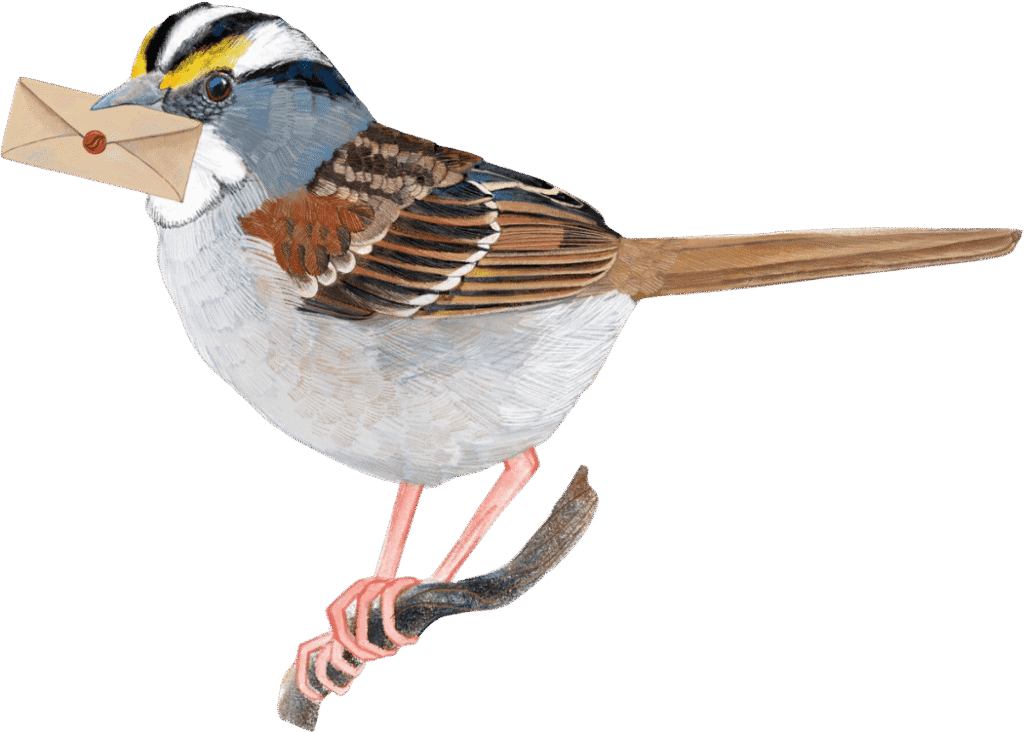
Field Guide to November 2022
With November comes a stronger nip to the morning air and the rushed activity of wildlife either preparing for their winter stay or leaving Vermont for their winter location. There is a sense of fall finality as the last deciduous trees drop their leaves. November also hails some of Vermont’s winter migrants, coming just in time to catch the first flakes. Learn more in our Field Guide to November.

Field Guide to October 2022
October is a memorable month for many reasons. The leaves change from summer emerald to autumn auburn and gold. Creatures of all sizes flit and scurry as they prepare for winter. And people’s homes become adorned with carved pumpkins, cackling witches, and looming ghosts. This field guide highlights a handful of Vermont’s Halloween-themed biodiversity in honor of the season. But beware—some of nature’s marvels can be frightful.
ECO Americorps Members Reflect on Their Time at VCE
ECO Americorps members Abbie Castriotta and Julia Pupko reflect on their term here at VCE. Abbie has been involved with multiple invertebrate studies, and has even created regional field guides for VCE. Julia has been working on the Lady Beetle Atlas project, surveying the entire state. She has even discovered several new species of Lady Beetle during her time here.

Meet Vermont’s Newest Endangered Species
The latest Vermont Endangered and Threatened species list celebrated the recovery of Bald Eagles and the Canada Black Snakeroot, while five new species and three critical habitats were added. Learn about the newest members of the list that will need our help for their recovery.
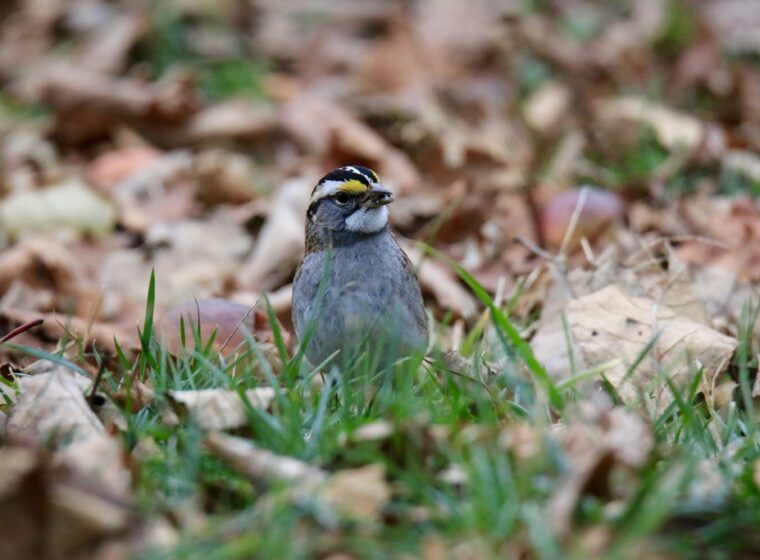
Leaf it Be — ditch the rake this fall to promote insect populations around your home
This autumn, consider opting for less intensive yard maintenance practices to foster more biodiversity in your yard this season and beyond. By planting native late-blooming plants, leaving leaves where they fall, and preserving standing rigid vegetation, you will be providing winter homes and food sources for invertebrates, birds, and other winter residents.
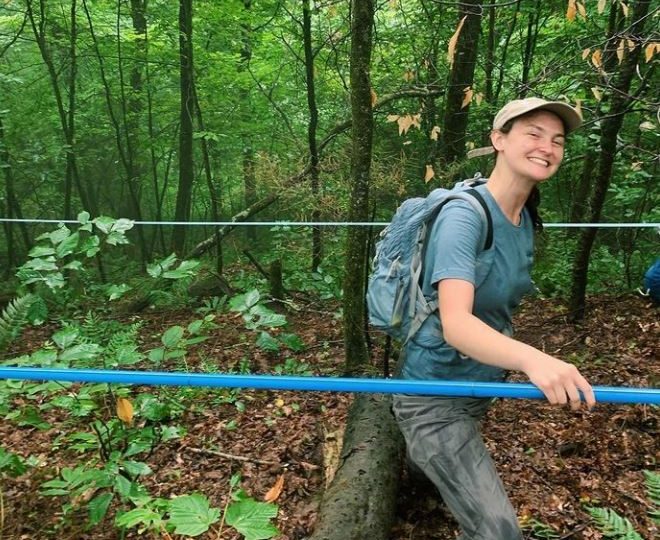
Birds, Bees, and Trees: A Summer Working for VCE
From long days spent in wooded hillsides to early mornings on top of Mt. Mansfield, it was a busy—but exciting—summer for VCE’s 2021 Alexander Dickey Conservation Intern.
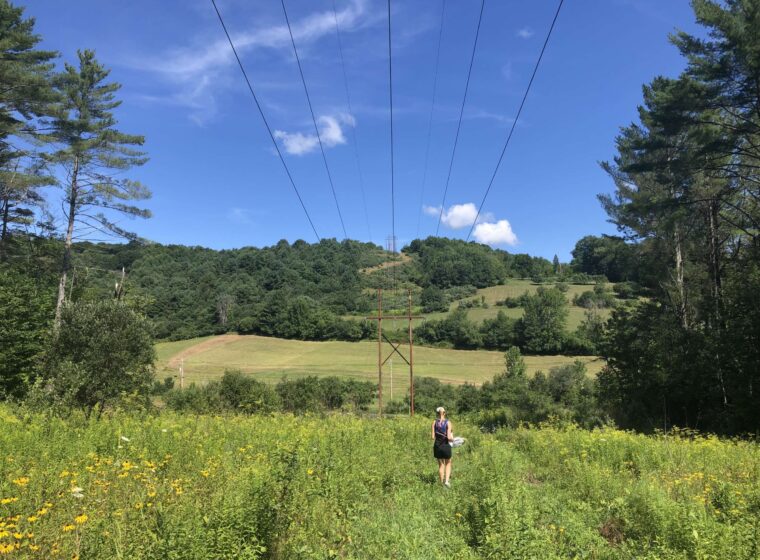
Powerlines and pollinators: undervalued and underappreciated
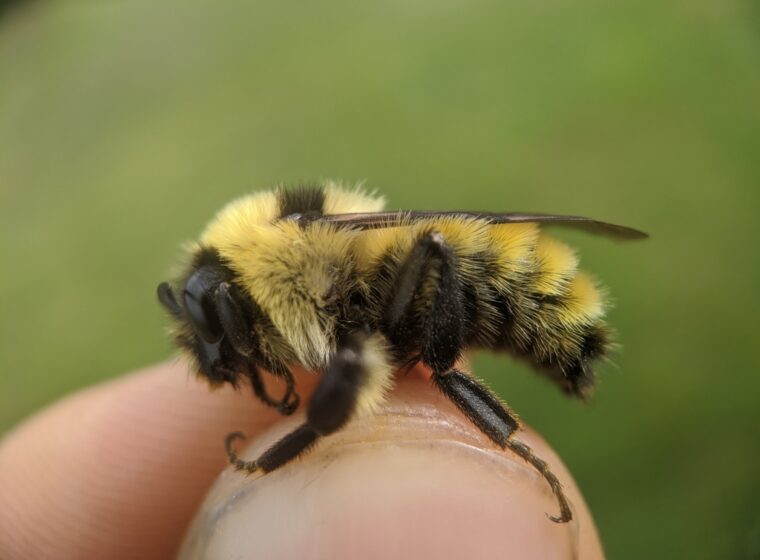
Just as hayfields are essential habitat for grassland birds like Bobolinks, consensus is building that the scrubby open habitat maintained under utility rights-of-way (ROW) plays an important role in the conservation of a diverse suite of wildlife. We’re looking to connect with landowners in north-central Vermont with ROWs on their property about conducting weekly surveys for pollinators this summer.
Field Guide to May 2020
The month of May is a show-off. Grass glows green under blue skies. Woodland wildflowers break out of the ground and demand attention. Trees flower and leaves burst from long-dormant buds. Songbirds arrive on southern night winds and liven the dawn with a chorus of song. May shouts of life and rejuvenation. Here’s a few bits of natural history for your May days.
VTBees Update From the Field
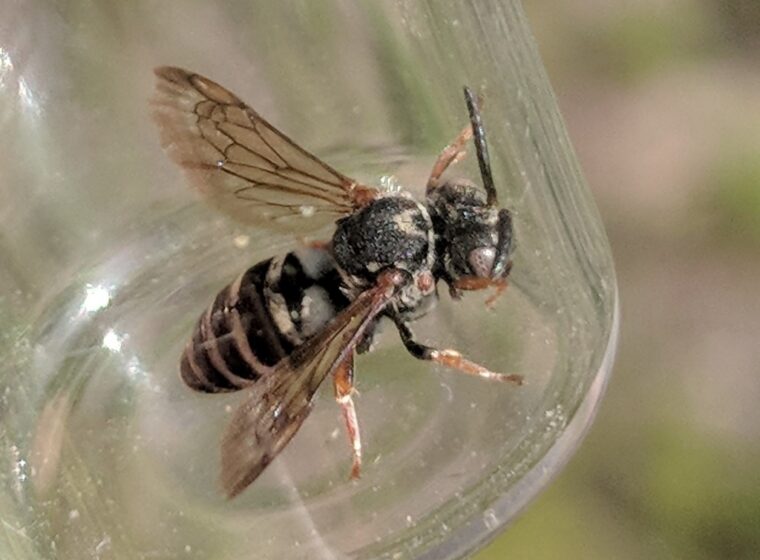
Throughout the spring and summer, Vermont Center for Ecostudies biologists and citizen scientists alike have been scouring fields, roadsides, gardens, and all places flowers are found to survey bees for the Vermont Wild Bee Survey (VTBees).
Outdoor Radio: The Buzz in Your Backyard
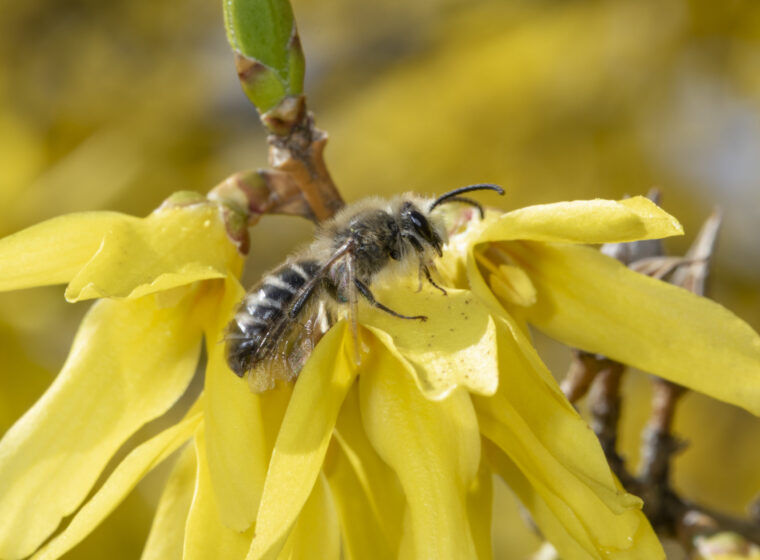
We all recognize bumble bees buzzing about or honey bees foraging among flowers, but did you know there are more than 300 species of wild bees living in Vermont? These…
Study Reveals Striking Decline of Vermont’s Bumble Bees
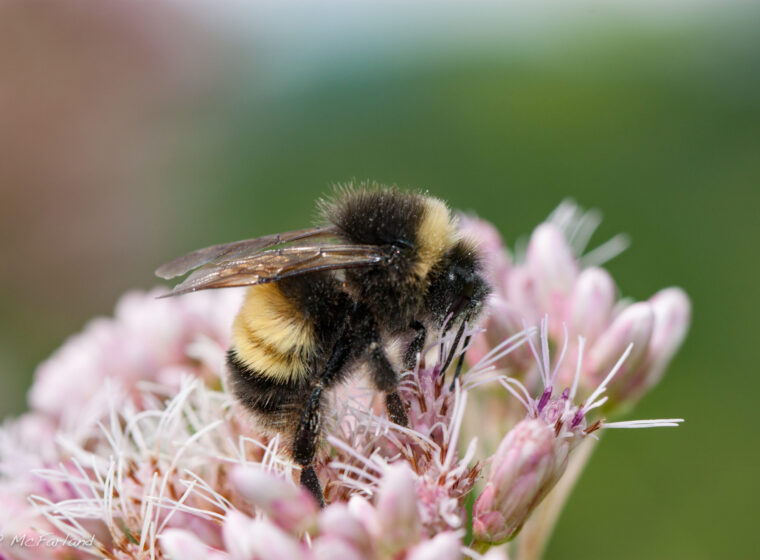
A new study examining 100 years of bumble bee records reveals that almost half of Vermont’s species, which are vital pollinators, have either vanished or are in serious decline.
The Secret to Better Berries? Wild Bees
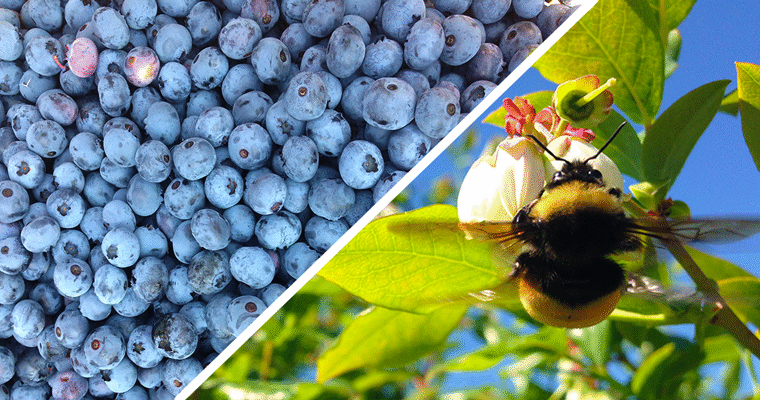
Want bigger, faster-growing blueberries? New research shows wild bees are an essential secret ingredient in larger and better blueberry yields – producing plumper, faster-ripening berries.