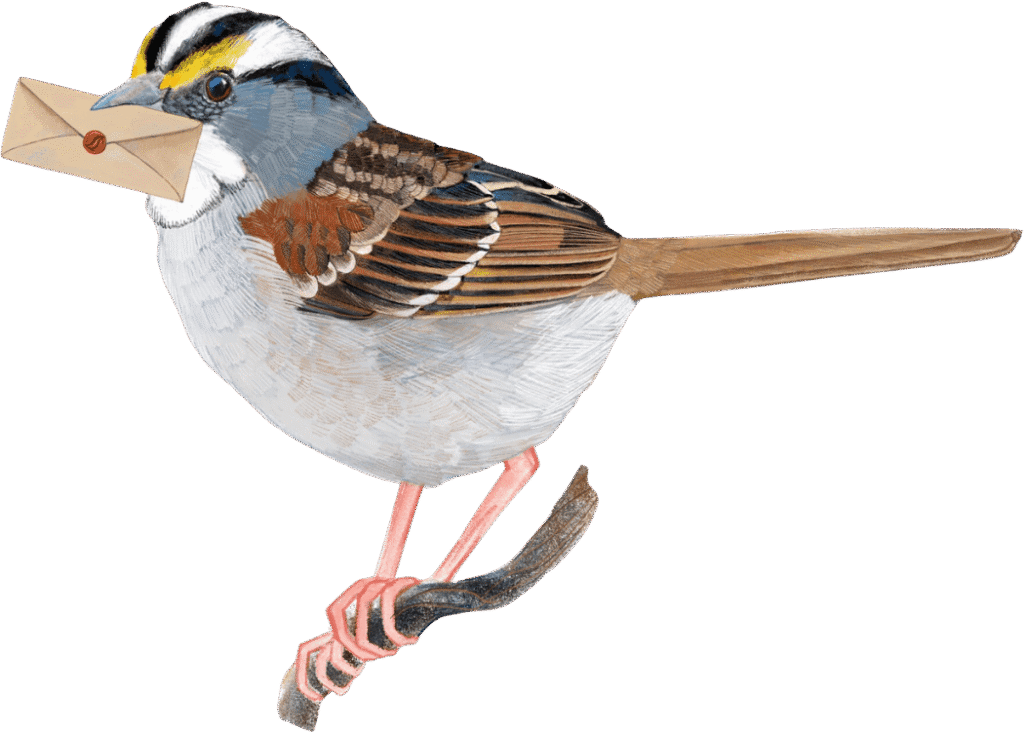
These species represent the breadth of birds that might live at high altitudes in the Northeast in the summer—a mix of montane specialists, intermediaries that occur in the lower hardwoods and spruce-fir, and lower elevation species that are likely to colonize higher elevation areas as the climate warms and as humans further modify the landscape. Mountain Birdwatch also monitors the Red Squirrel, an important nest predator whose populations cycle in response to spruce and fir cone masting.
Together, the data points collected by volunteers on these birds (and a predator) paint a picture of how bird populations in the Northeastern U.S. mountains are changing.
Yellow-bellied Flycatcher (Empidonax flaviventris)
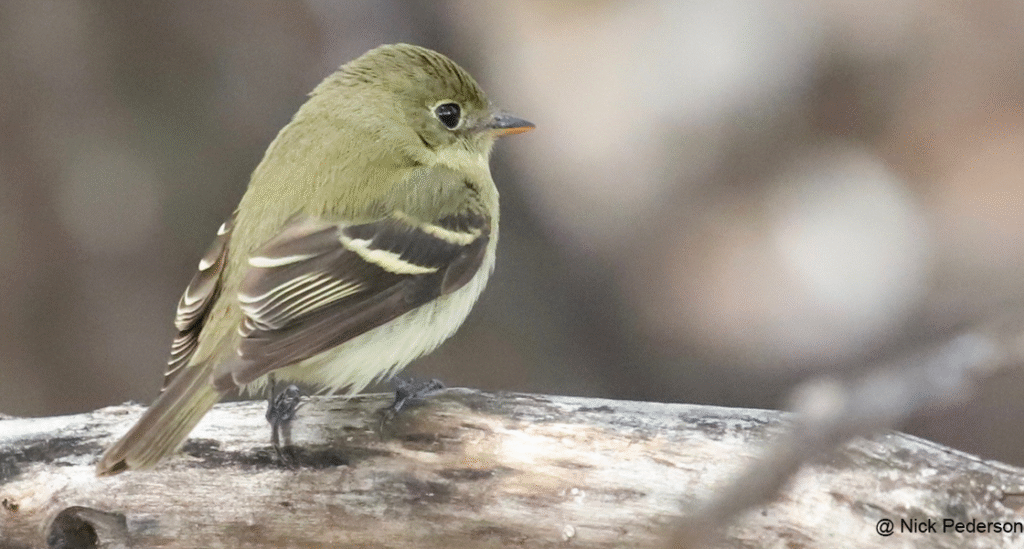
© Nick Pederson
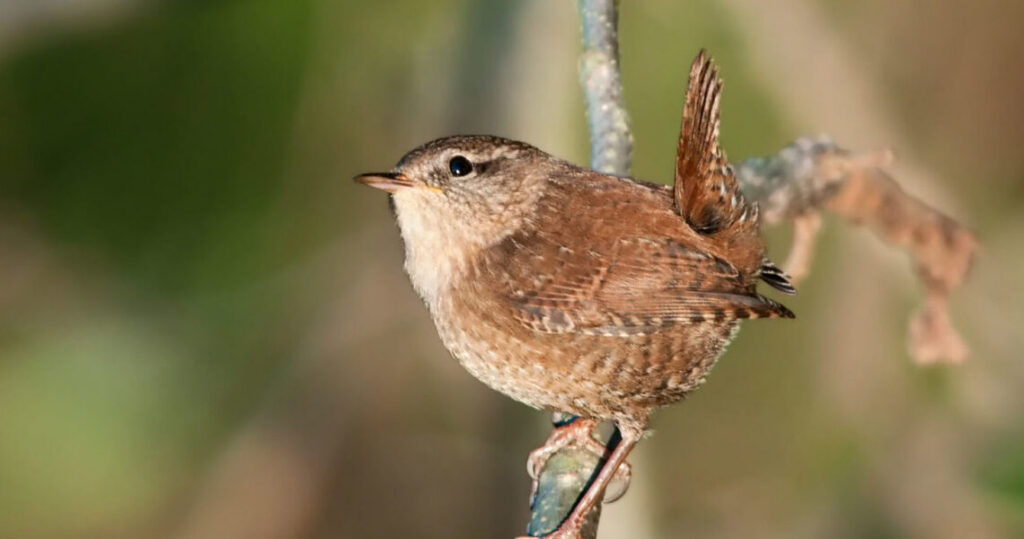
Winter Wren (Troglodytes hiemalis)
Black-capped Chickadee (Poecile atricapillus)
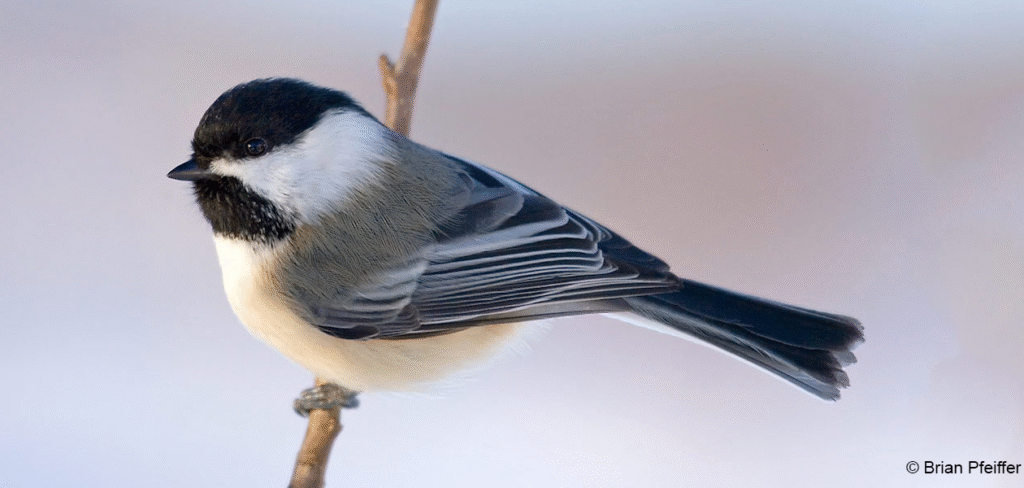
© Brian Pfeiffer
Boreal Chickadee (Poecile hudsonicus)
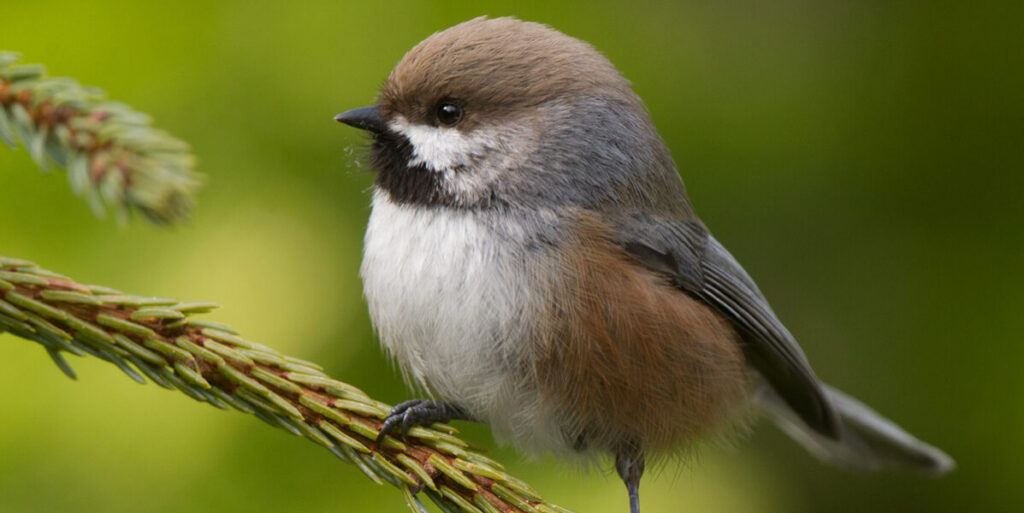
© Kent McFarland
Bicknell’s Thrush (Catharus bicknelli)
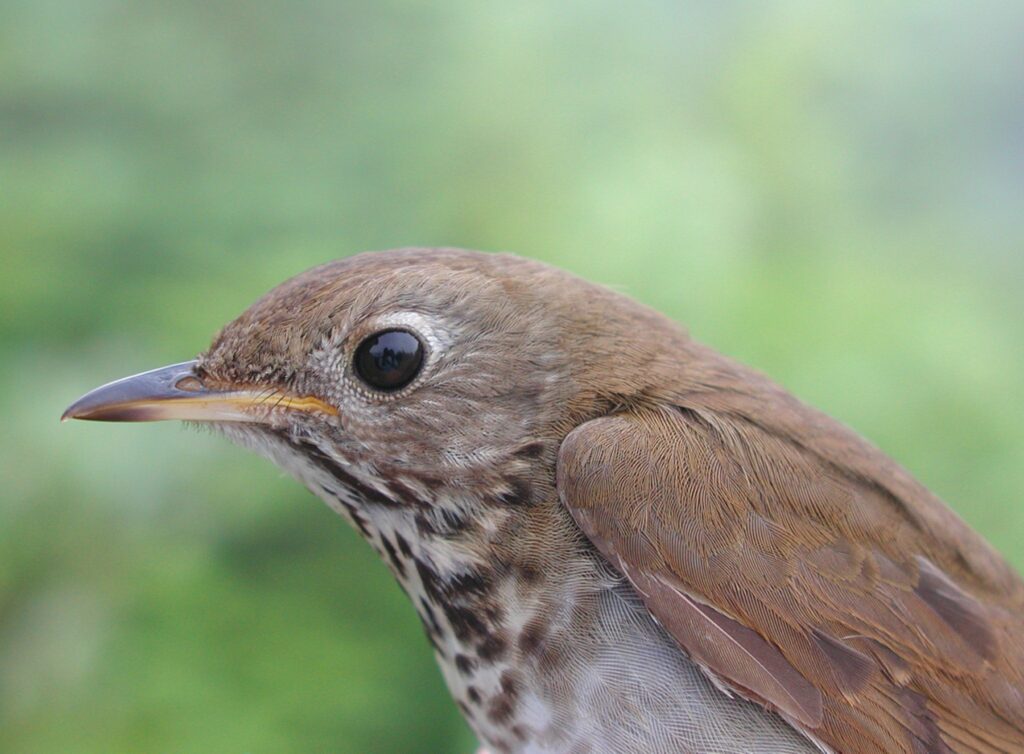
© Steve Faccio
Swainson’s Thrush (Catharus ustulatus)
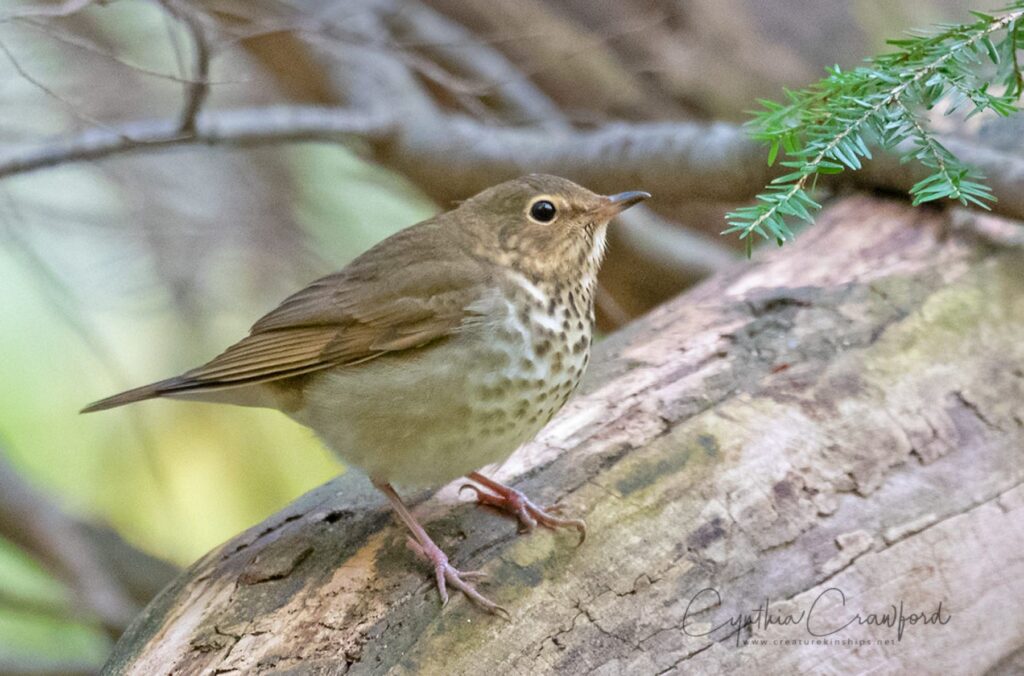
@ Cynthia Crawford
Hermit Thrush (Catharus guttatus)
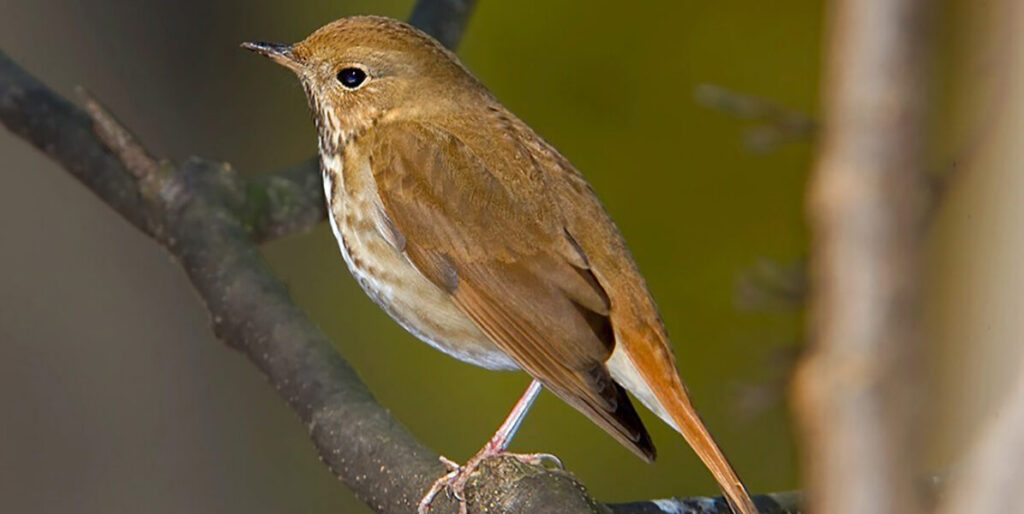
Fox Sparrow (Passerella iliaca)
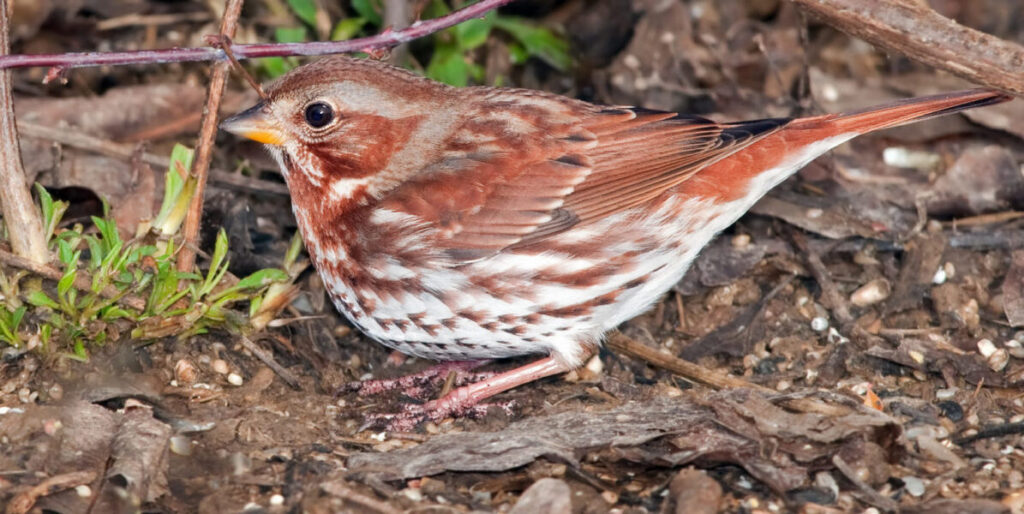
White-throated Sparrow (Zonotrichia albicollis)
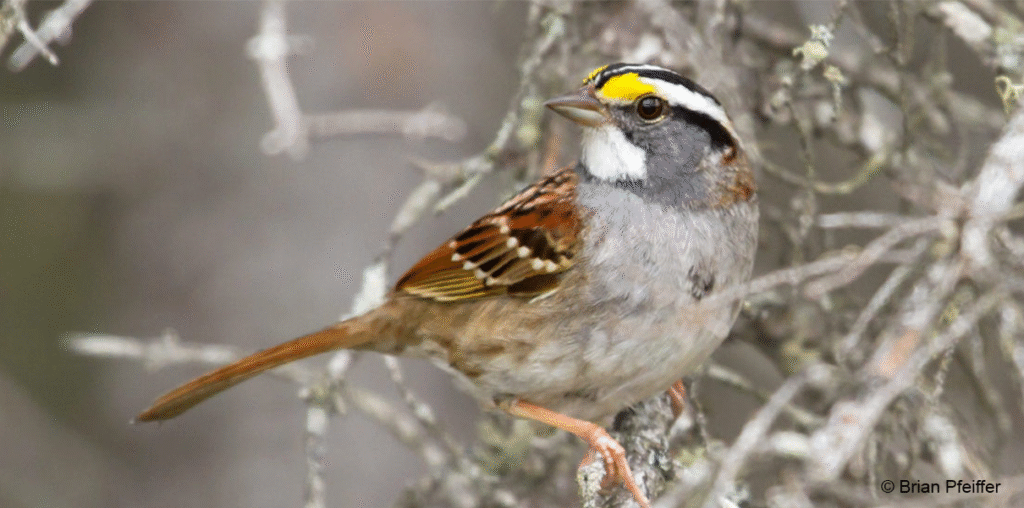
@ Brian Pfeiffer
Blackpoll Warbler (Setophaga striata)
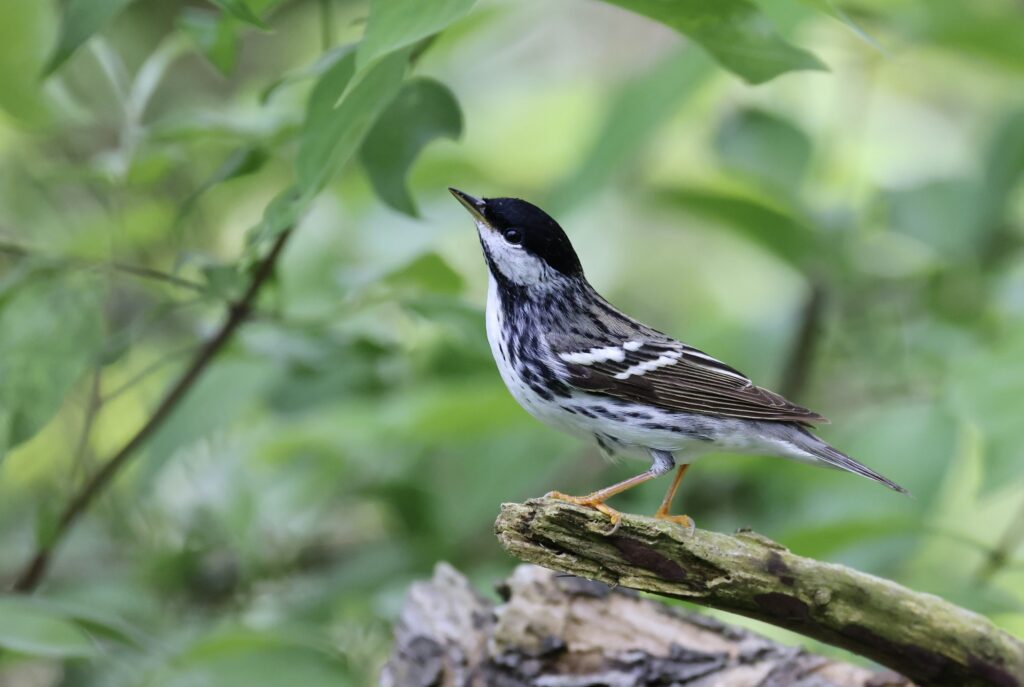
© Rick Nirschl (via iNaturalist, licensed under CC-BY-NC)
Red Squirrel (Sciurus vulgaris)
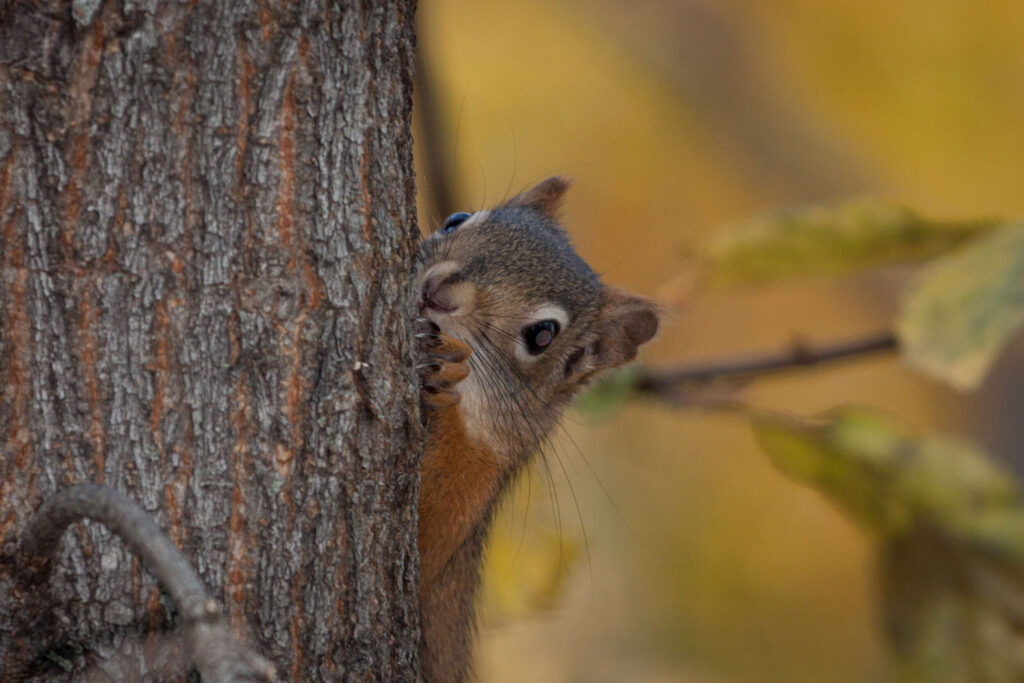
@ Kent McFarland