Leaf it Be — ditch the rake this fall to promote insect populations around your home
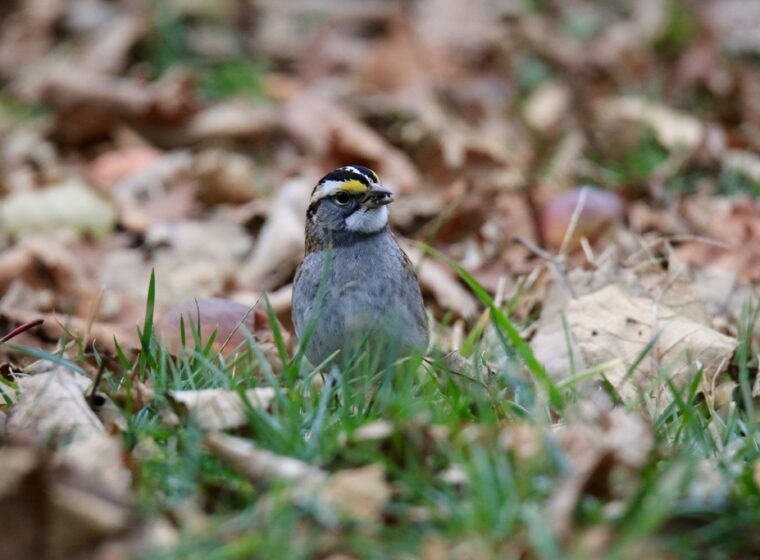
This autumn, consider opting for less intensive yard maintenance practices to foster more biodiversity in your yard this season and beyond. By planting native late-blooming plants, leaving leaves where they fall, and preserving standing rigid vegetation, you will be providing winter homes and food sources for invertebrates, birds, and other winter residents.
Birds, Bees, and Trees: A Summer Working for VCE
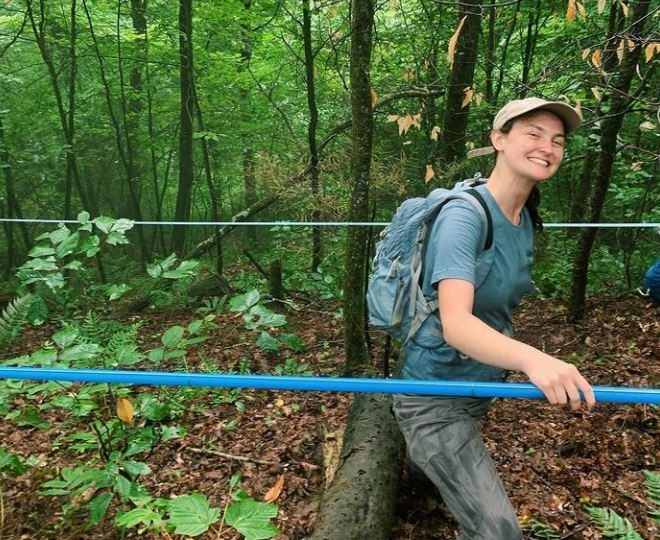
From long days spent in wooded hillsides to early mornings on top of Mt. Mansfield, it was a busy—but exciting—summer for VCE’s 2021 Alexander Dickey Conservation Intern.
Powerlines and pollinators: undervalued and underappreciated
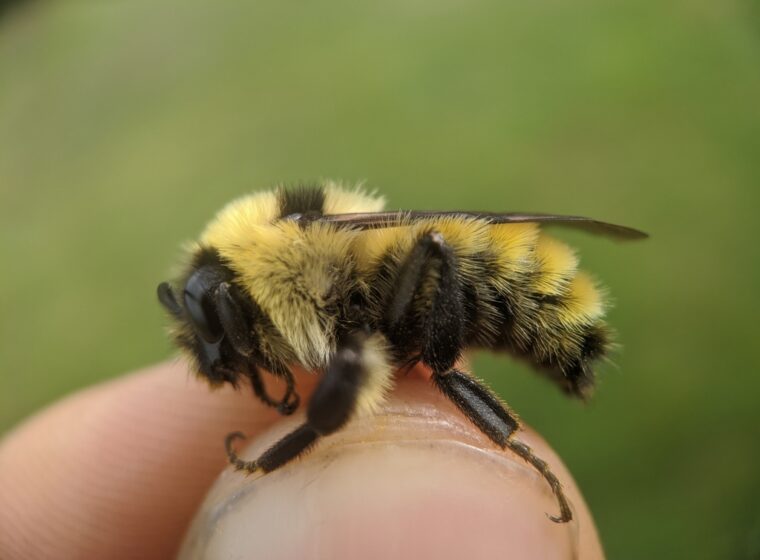
Just as hayfields are essential habitat for grassland birds like Bobolinks, consensus is building that the scrubby open habitat maintained under utility rights-of-way (ROW) plays an important role in the conservation of a diverse suite of wildlife. We’re looking to connect with landowners in north-central Vermont with ROWs on their property about conducting weekly surveys for pollinators this summer.
Field Guide to May 2020
The month of May is a show-off. Grass glows green under blue skies. Woodland wildflowers break out of the ground and demand attention. Trees flower and leaves burst from long-dormant buds. Songbirds arrive on southern night winds and liven the dawn with a chorus of song. May shouts of life and rejuvenation. Here’s a few bits of natural history for your May days.
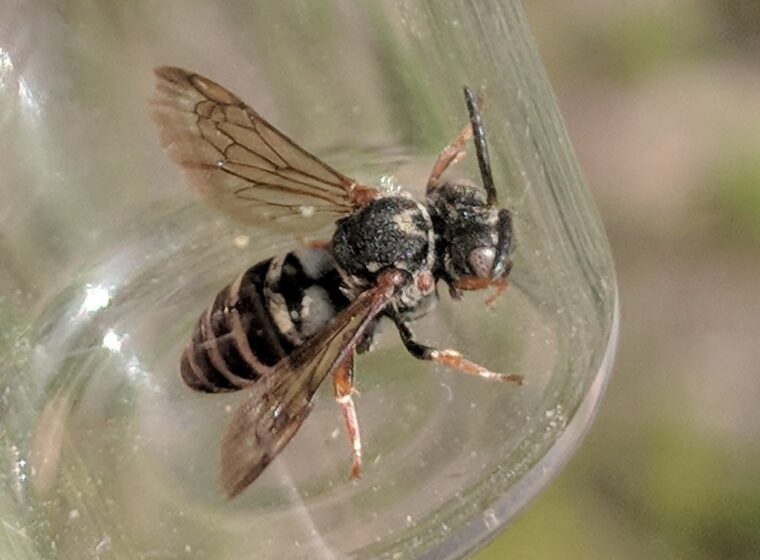
VTBees Update From the Field
Throughout the spring and summer, Vermont Center for Ecostudies biologists and citizen scientists alike have been scouring fields, roadsides, gardens, and all places flowers are found to survey bees for the Vermont Wild Bee Survey (VTBees).
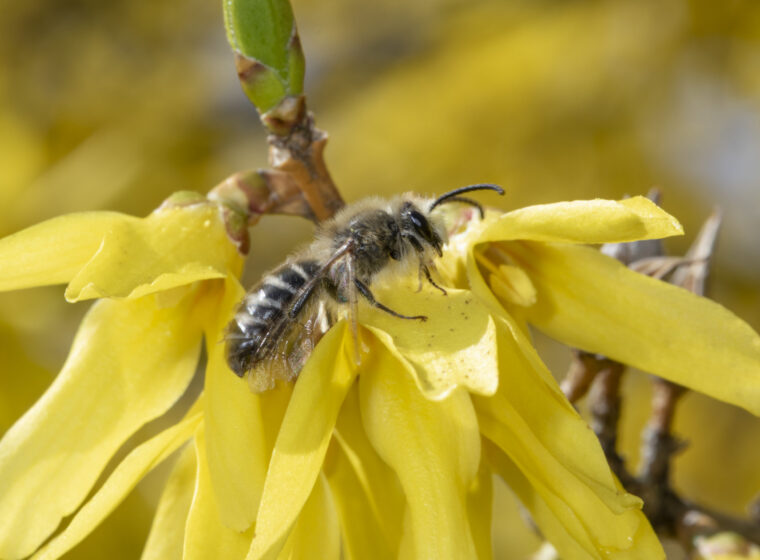
Outdoor Radio: The Buzz in Your Backyard
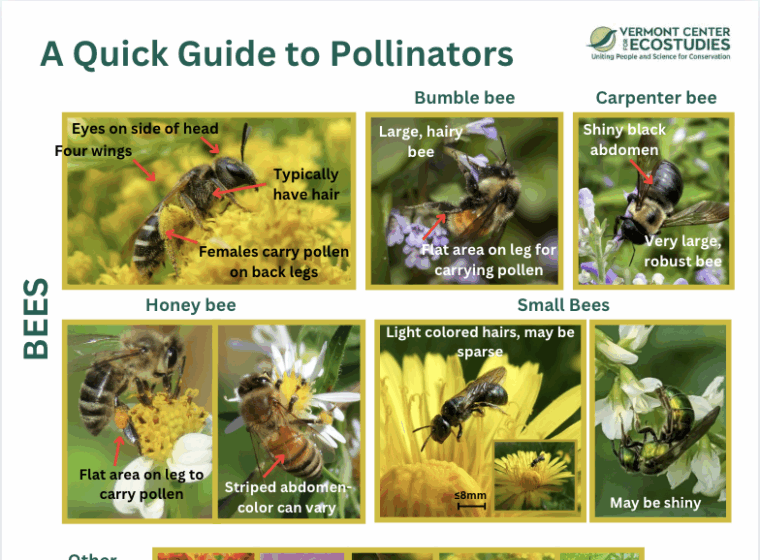
We all recognize bumble bees buzzing about or honey bees foraging among flowers, but did you know there are more than 300 species of wild bees living in Vermont? These…
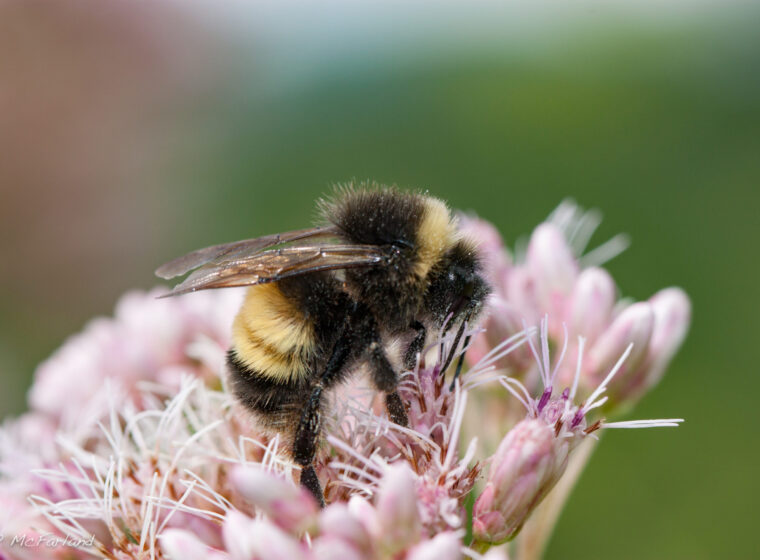
Study Reveals Striking Decline of Vermont’s Bumble Bees
A new study examining 100 years of bumble bee records reveals that almost half of Vermont’s species, which are vital pollinators, have either vanished or are in serious decline.
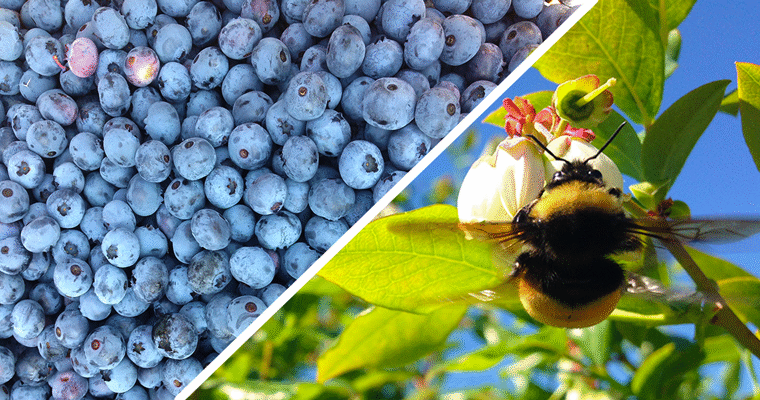
The Secret to Better Berries? Wild Bees
Want bigger, faster-growing blueberries? New research shows wild bees are an essential secret ingredient in larger and better blueberry yields – producing plumper, faster-ripening berries.
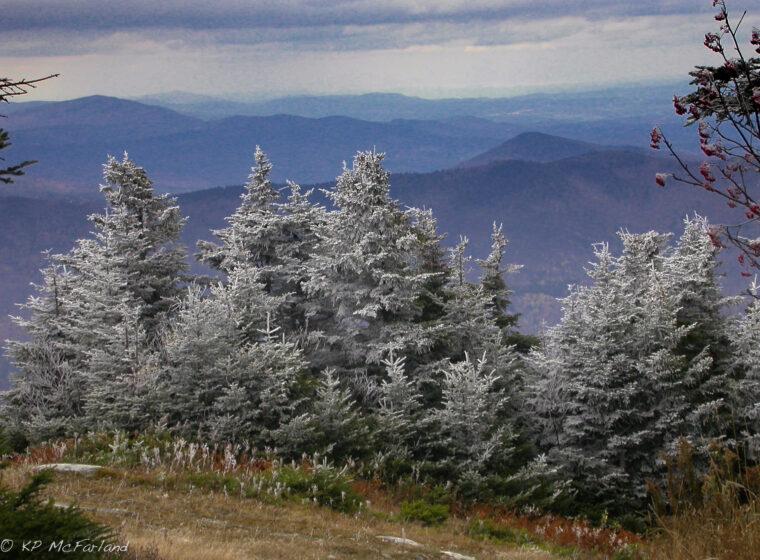
A Field Guide to October 2017
October is a month of change. Here’s your field guide to some moments that you might not otherwise notice during these few precious weeks that feature colored hills beneath a deep blue sky with the last Monarchs fluttering southward.
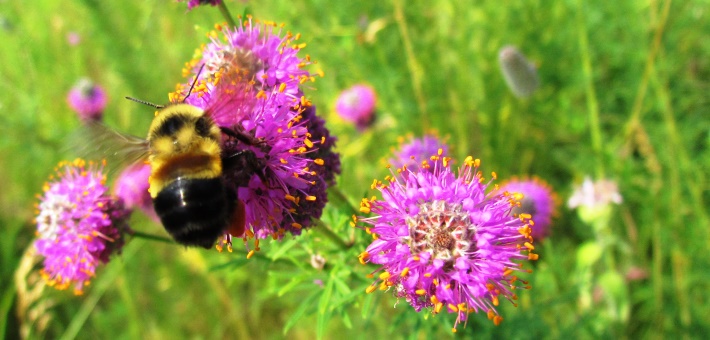
Once Common in Vermont, Rusty Patched Bumble Bee Now Federally Endangered
Just 20 years ago, the rusty patched bumble bee was a common sight, so ordinary that it went almost unnoticed as it moved from flower to flower, collecting nectar and…
A Field Guide to October 2016
October is a month of change. The leaves slip from green to gold. Then, suddenly, they all seem to drift to the ground. Here’s your field guide to some moments that you might not otherwise notice during these few weeks that feature colored hills beneath a deep blue sky.
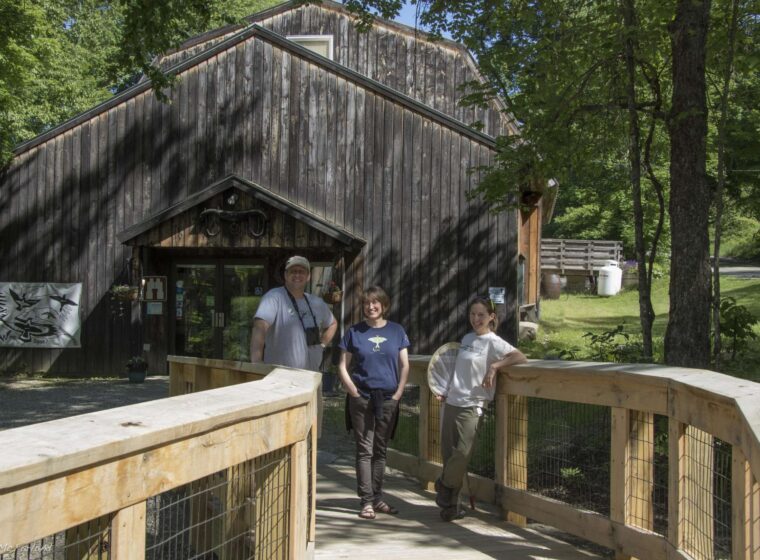
Outdoor Radio: A Pollinator Paradise At The Birds Of Vermont Museum
The Birds of Vermont Museum in Huntington has created pollinator gardens to attract and support bees, butterflies, flies and other insects. VCE’s Kent McFarland and Sara Zahendra visited the museum to talk about pollinators and plants. Listen to the show and explore the amazing images…