Posts by Vermont Center for Ecostudies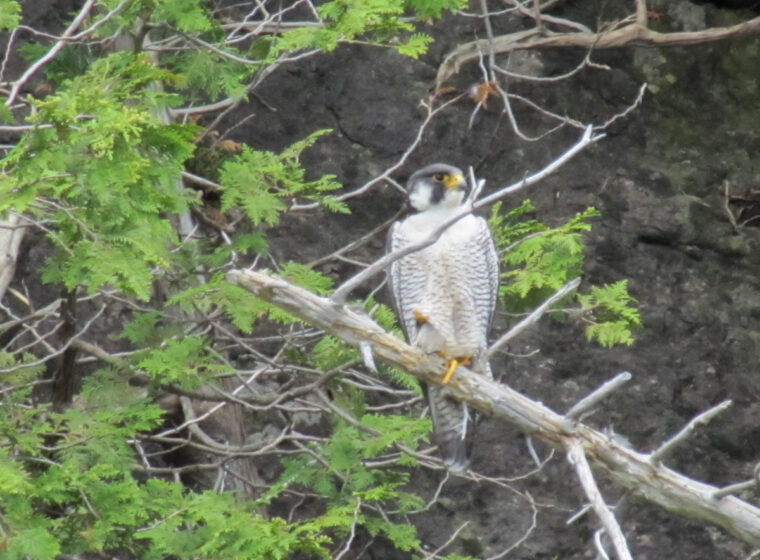
Cliff Tops and Overlooks Closed to Protect Nesting Peregrines
Hiking Vermont’s hillsides is a great way to enjoy a spring day, but the Vermont Fish & Wildlife Department and Audubon Vermont recommend you check to see if the area you’re planning to hike or climb is open. Several cliff areas are currently closed to protect nesting peregrine falcons.
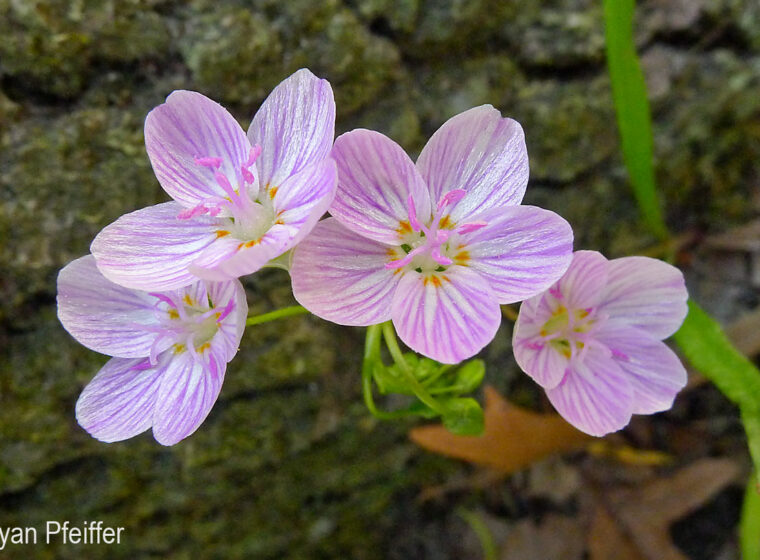
A Field Guide to April
April is the carnal month. The forest and wetlands return to live with cold desire. Here’s VCE’s Field Guide to April.
The Invisible Boundaries of Sierra de Bahoruco National Park
Recently, journalists and photographers used a new generation drone that gave them impressive bird’s-eye view of the same sites they visited on foot two years ago when they first exposed the deforestation happening within the national park.
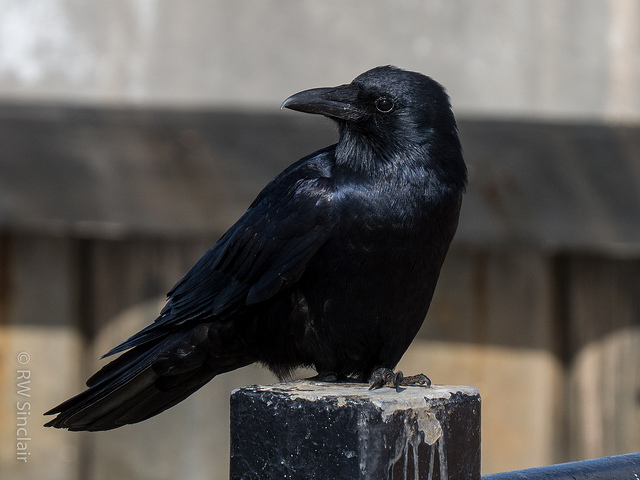
Counting Vermont’s Crows
Vermont has two species of crows, and one is very scarce and tricky to identify with certainty.
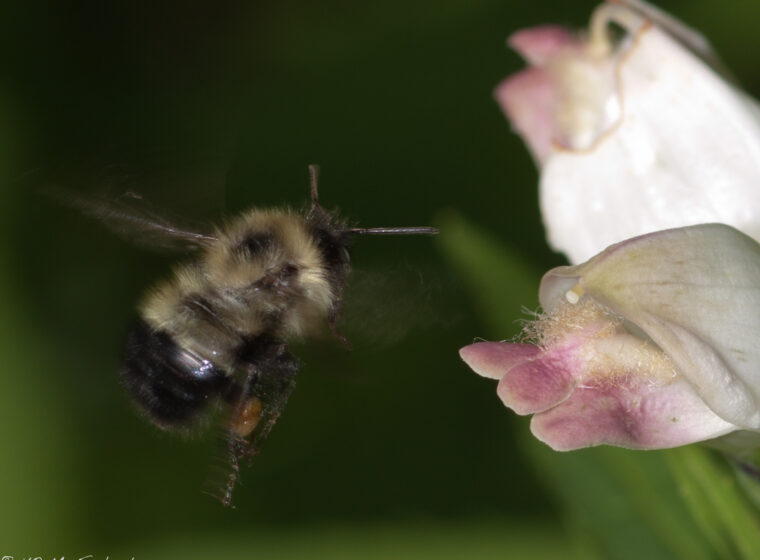
‘Nature’s Medicine Cabinet’ Helps Bumble Bees Reduce Disease Load
Researchers studying the interaction between plants, pollinators and parasites report that in recent experiments, bees infected with a common intestinal parasite had reduced parasite levels in their guts after seven days if the bees also consumed natural toxins present in plant nectar.
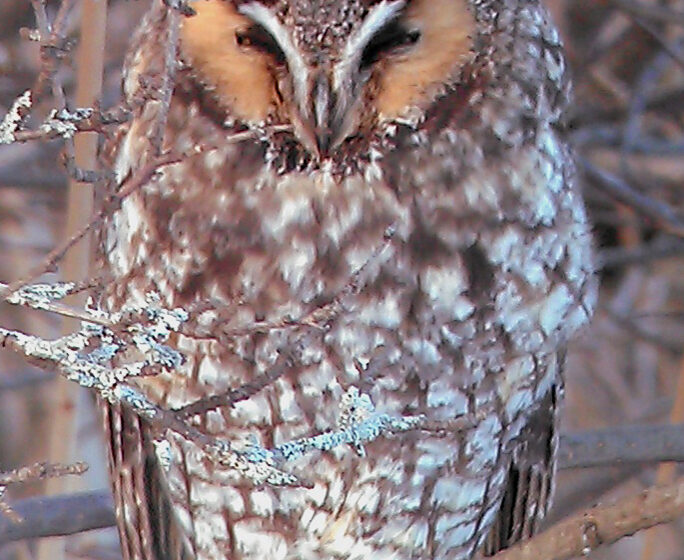
The 2015 Christmas Bird Count Roundup
As we all know, Christmas Bird Counts aren’t necessarily about finding rare birds. But all those birders out during the count period are bound to discover new and unusual birds. So here’s a summary, in no particular order, of what was hot during the 115th Vermont Christmas Bird Count season.
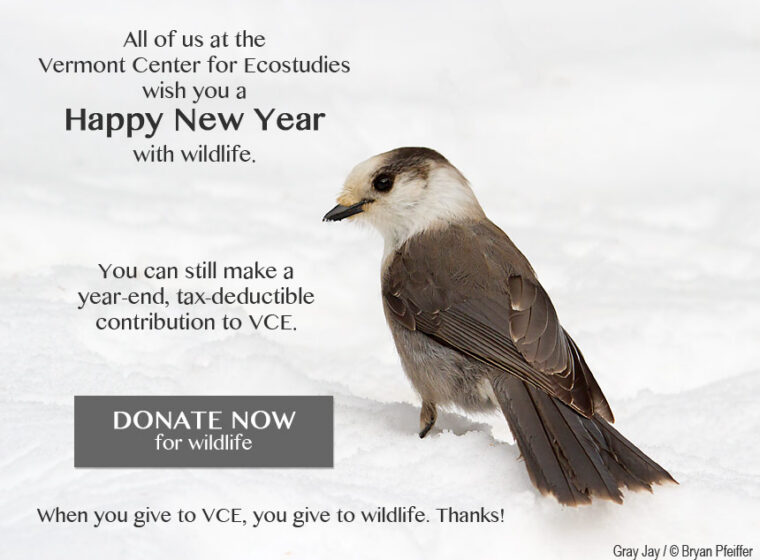
Happy New Year (and Give It Up for a Gray Jay?)
From all of us at VCE, have a great 2015 with wildlife. We’re looking forward to another productive year uniting people and science for conservation.
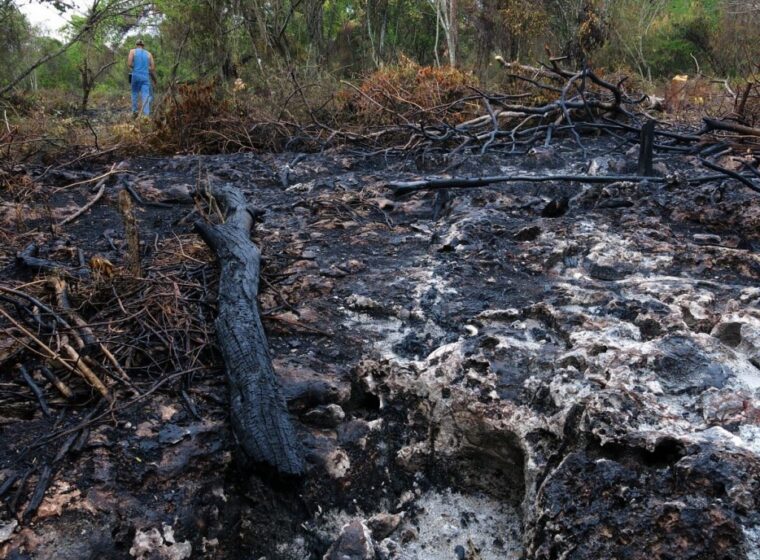
The Persistent Tragedy of Sierra de Bahoruco: The Case of Las Mercedes
For years we have been deeply worried about accelerated deforestation of Jaragua and Sierra de Bahoruco National Parks, core zones of the UNESCO Biosphere Reserve Jaragua-Bahoruco-Enriquillo in the Dominican Republic.
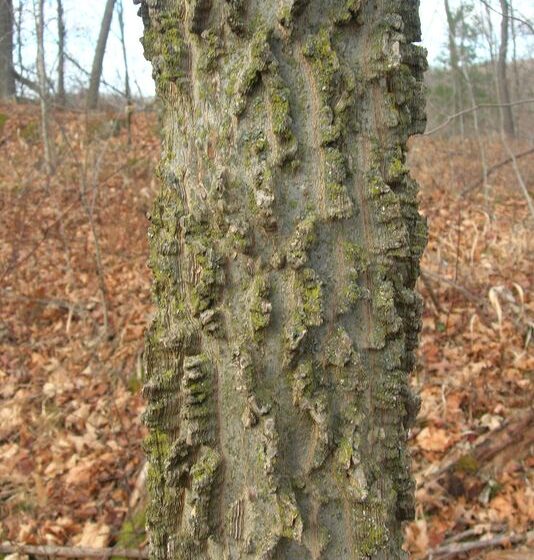
Keep Endangered Flora Alive and Well
In Vermont we’re fortunate that critical habitat for rare species still exists. In fact, just recently, two of Vermont’s most endangered plants were rediscovered.
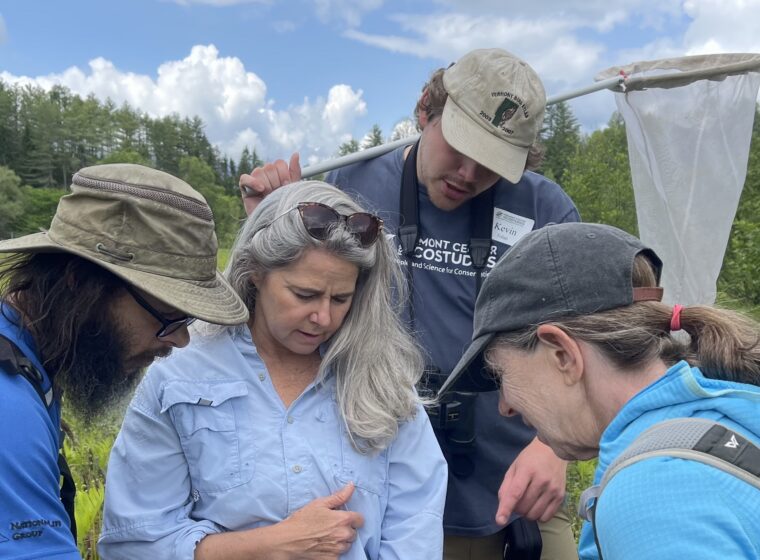
VCE’s Five Tips for Happy Holiday Conservation
‘Tis the season, when everywhere you turn, you’re inundated with holiday catalogs, electric reindeer, and online ads repeatedly showcasing those fluffy potholders shaped like lambs, with cute little faces and…
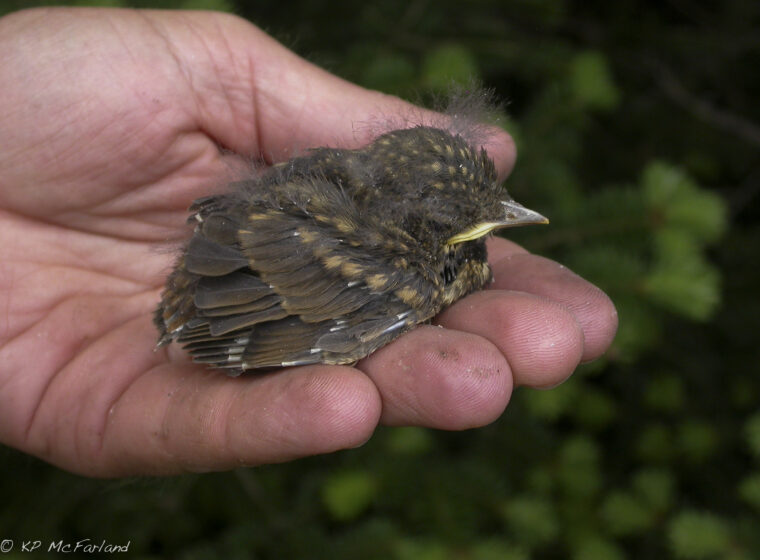
Miracles on Wings
They say that miracles only happen once, but for VCE biologists a miracle with wings has now hit their nets three times.
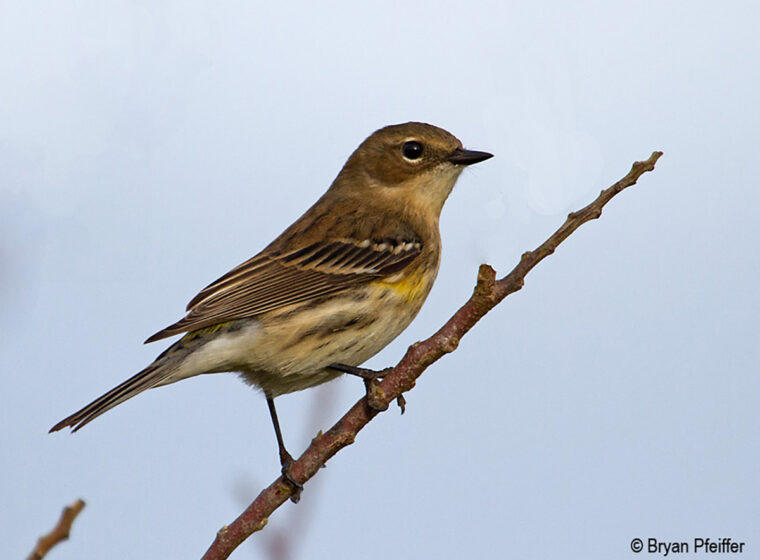
A Field Guide to December 2014
Even on these cold, short days, most of us might not be too far from warblers and butterflies. In this VCE Field Guide to December, we report on how animals adapt for winter, and how a few might even leave behind some nice impressions.