Field Guide to June 2026
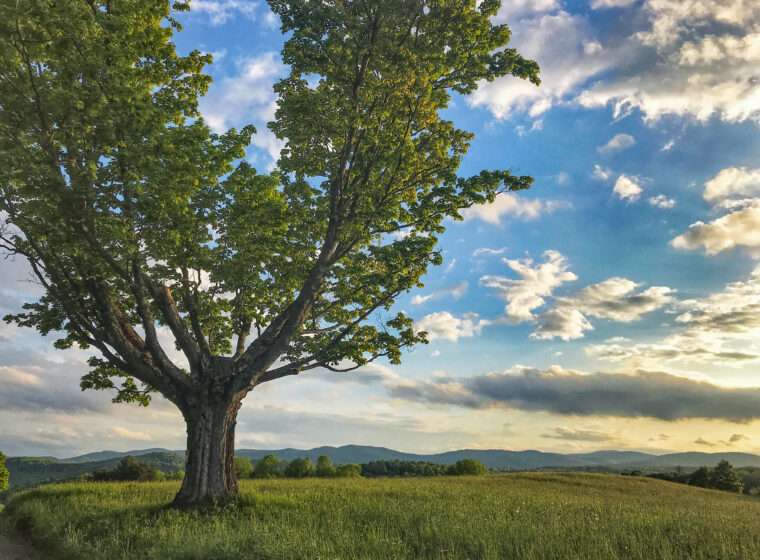
There is a lot for the keen listener to explore this month: the air is filled with the sounds of chirping, calling, and singing birds and buzzing insects.
Field Guide to May 2026
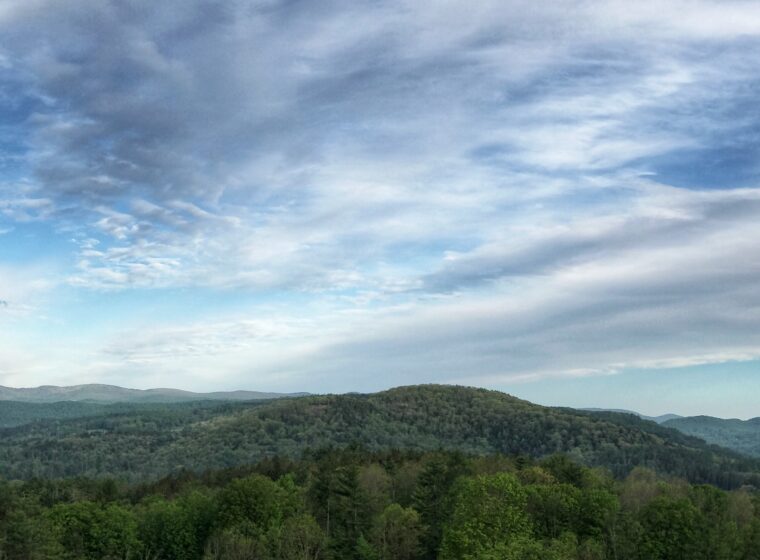
May is filled with winged delights. Bobolinks will begin to grace Vermont’s larger hayfields, busy ground-nesting bees can be found in the bare sunny spots of our yards, and early spring butterflies are getting first dibs on the earliest spring flowers. It’s a great time to get outside and explore.
Field Guide to April 2026
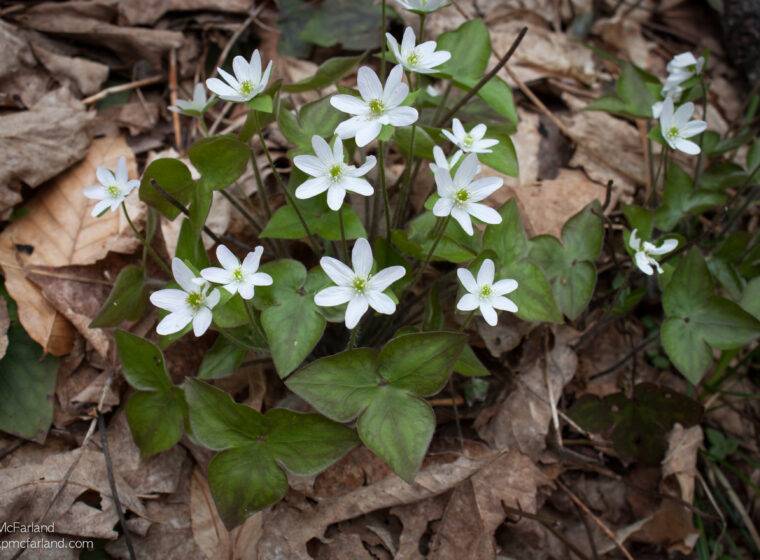
After the long winter, flowers, colors, and insects are finally emerging in the Northeast. Our April Field Guide will give you a crash course on the blooms, bees, butterflies, (and ticks!) of early spring.
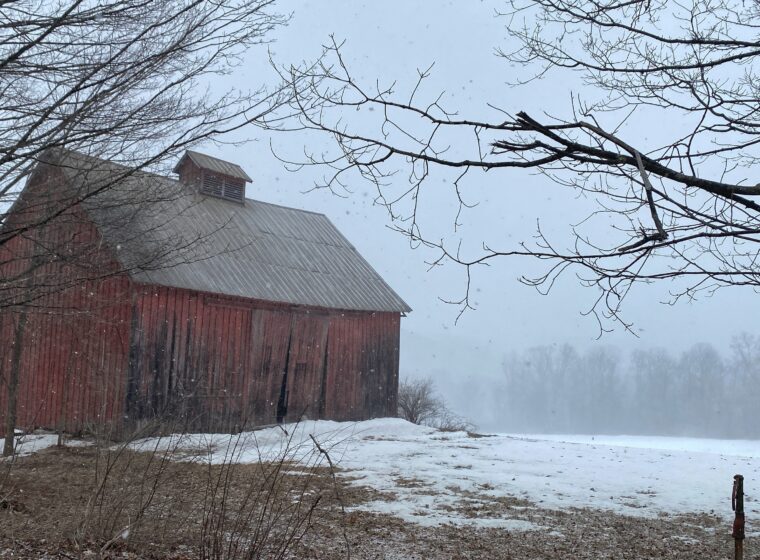
Field Guide to March 2026
Hibernation spans a broad physiological spectrum, from being completely conked out for 10 months underground to rousing occasionally to hunt or even breed in the deep snow of February. Here’s what, where, and how to find signs of life in this month’s most extreme conditions.
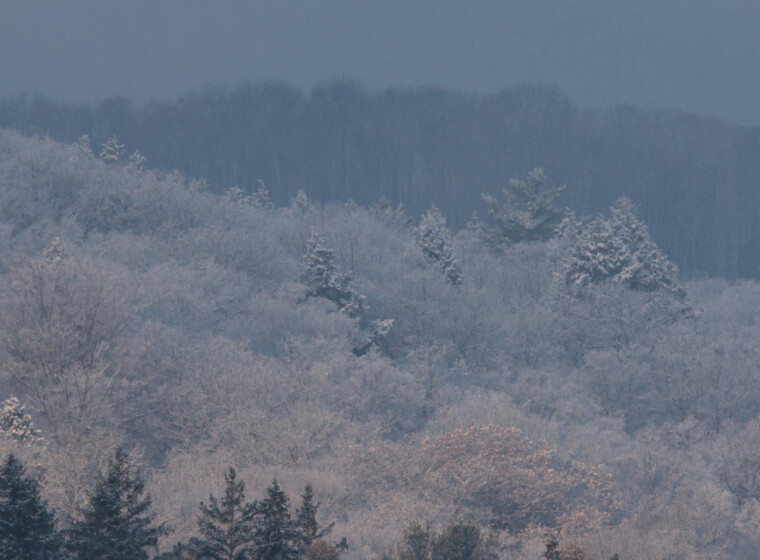
Field Guide to February 2026
Hibernation spans a broad physiological spectrum, from being completely conked out for 10 months underground to rousing occasionally to hunt or even breed in the deep snow of February. Here’s what, where, and how to find signs of life in this month’s most extreme conditions.
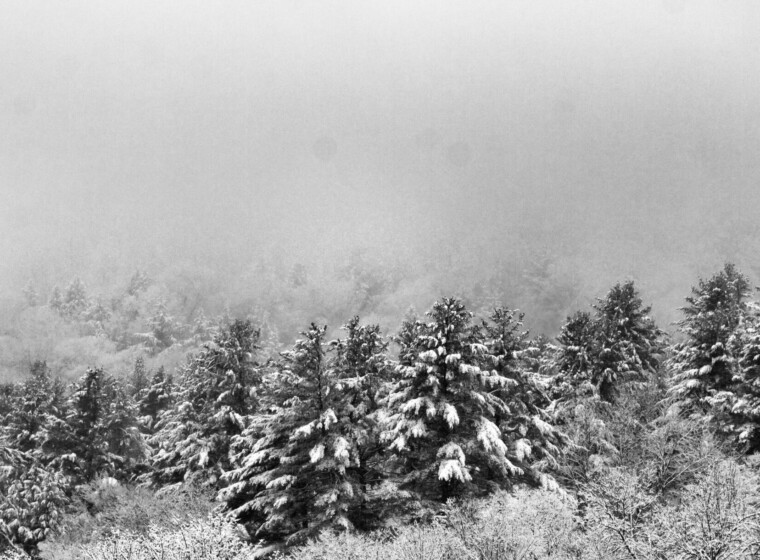
Field Guide to January 2026
In the deep freeze of a New England January, bees are likely overwintering in your brush piles, birds are feeding on (slightly) fermented winter fruits, and you might spot a Fir Wave from your seat on the ski lift.
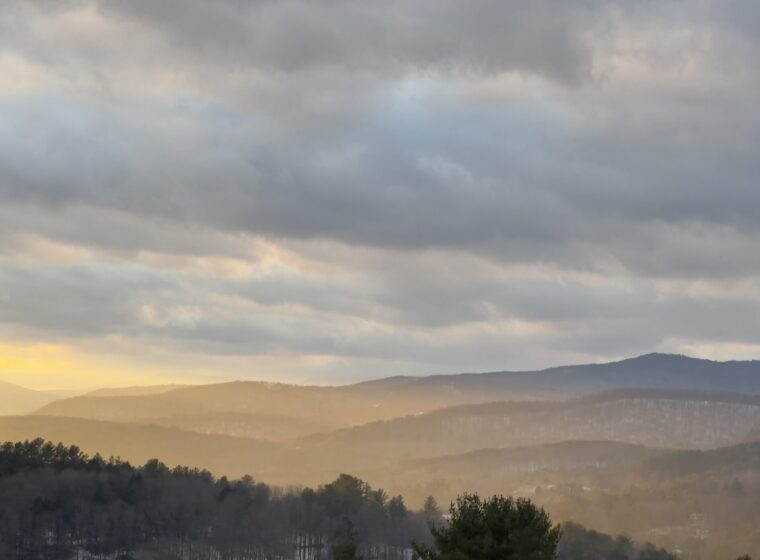
Field Guide to December 2025
As the light dwindles and the temperature drops, our scientists are thinking about the remarkable strategies overwintering species have evolved to survive New England’s coldest months. Grab a hot tea (or cocoa) and cozy up to this freezing, fascinating world with December’s Field Guide.
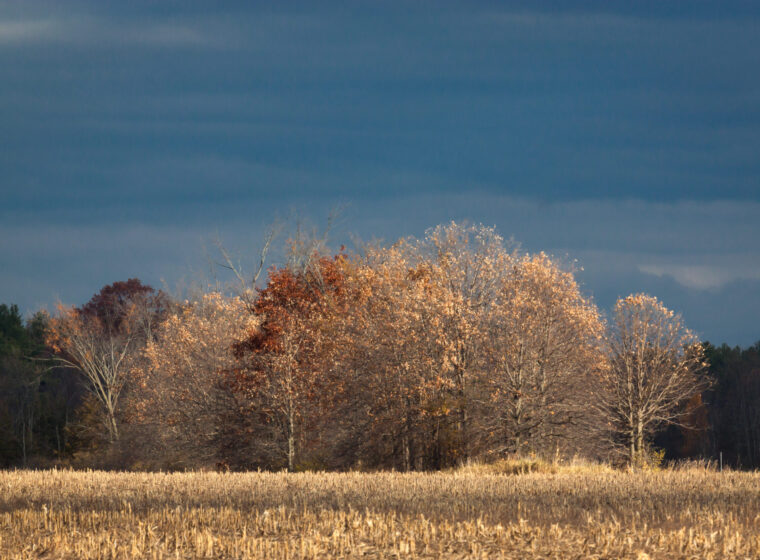
Field Guide to November 2025
Stick season is here and bird migration is petering off, but don’t let that get you down. The chickadees are bopping around the feeders, and mammals are getting fat and cozy. There are still even butterflies to be found! Here’s what to look for in November.
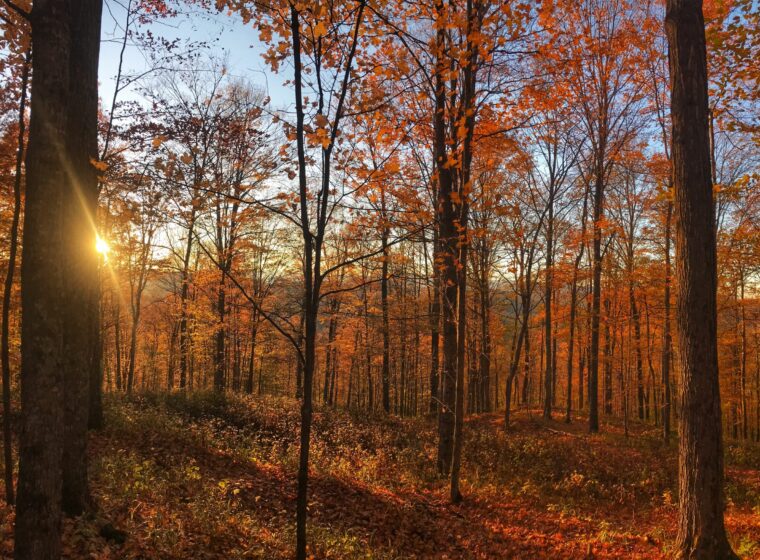
Field Guide to October 2025
Nature is putting on its final, colorful autumn show. Leaves are turning and falling, bees are buzzing around the asters, and mushrooms are putting out their final fruit. Don’t blink or you’ll miss it!
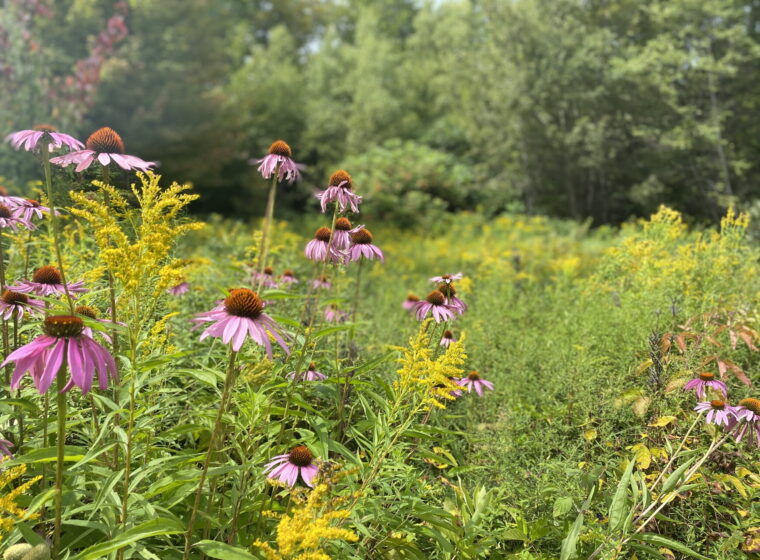
Field Guide to September 2025
As the weather begins to shift, we turn our attention to southward migration. From Green Darner Dragonflies to Bicknell’s Thrush, VCE scientists are uncovering the mysteries of migrating species and using this knowledge to help conservation efforts.
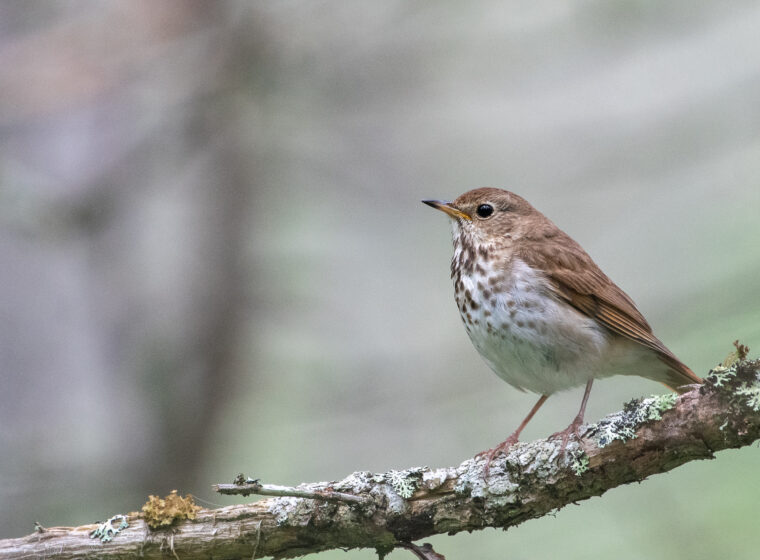
Four Federal (Yes, Federal!) Bills for Bird Conservation
We can’t deny the bad environmental news, but people across the U.S. are still working to protect wild birds with several positive, bird-related bills currently before Congress.
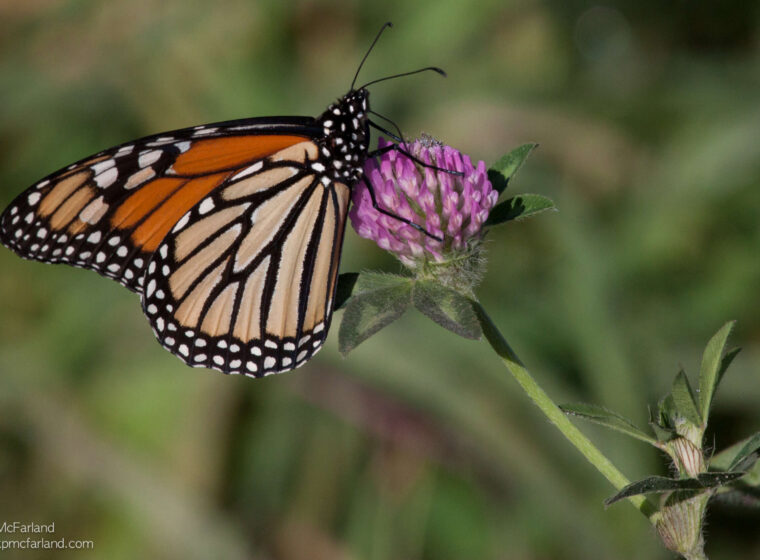
Vermont State Butterfly Proposed for Threatened Species Listing
For many Vermonters, Monarchs are a much-anticipated sign that summer is truly here. However, experts have long been growing concerned over declines in migratory Monarch populations. In December 2024, the U.S. Fish & Wildlife Service officially proposed to list the species as Threatened.