Field Guide to February 2026
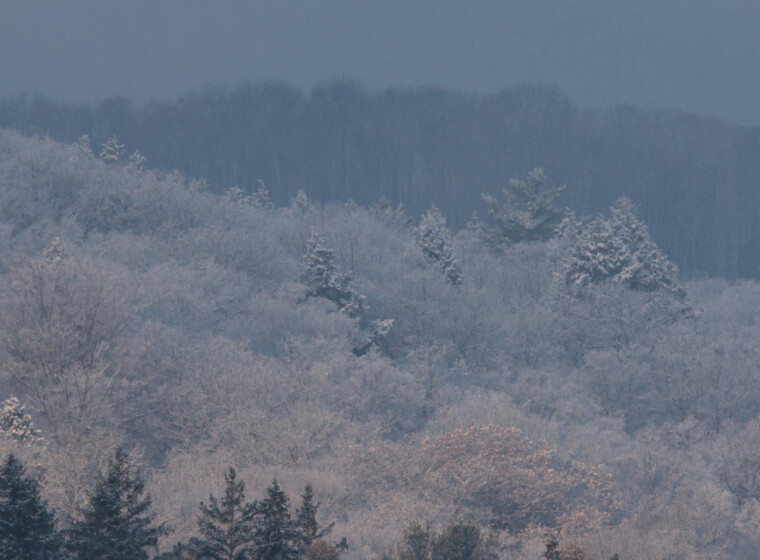
Hibernation spans a broad physiological spectrum, from being completely conked out for 10 months underground to rousing occasionally to hunt or even breed in the deep snow of February. Here’s what, where, and how to find signs of life in this month’s most extreme conditions.
Got Caterpillars? New Research Finds They’re Essential for Eastern Bluebirds
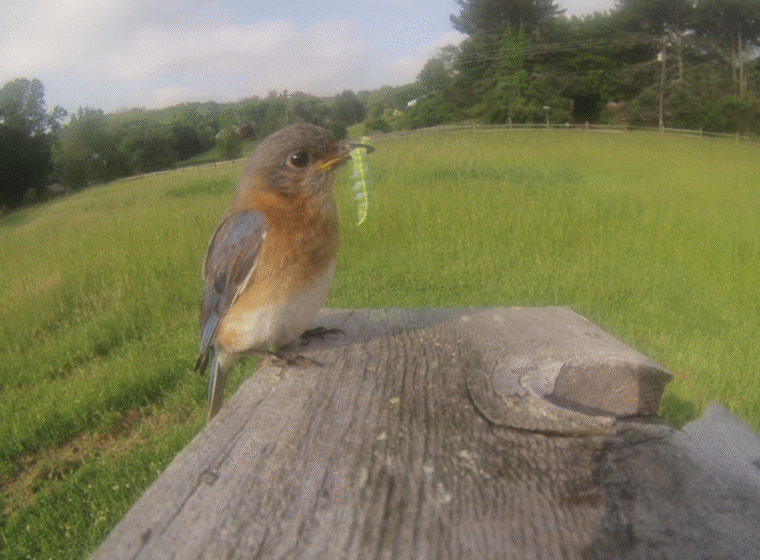
How important are insects to bird diets? Are some insects more important than others? These are questions I’m asked regularly—and for good reason. Much of my research focuses on studying…
Field Guide to January 2026
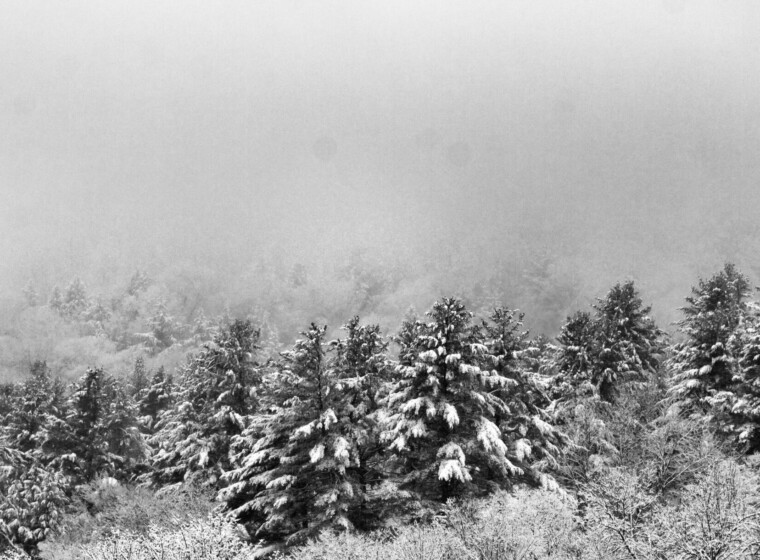
In the deep freeze of a New England January, bees are likely overwintering in your brush piles, birds are feeding on (slightly) fermented winter fruits, and you might spot a Fir Wave from your seat on the ski lift.
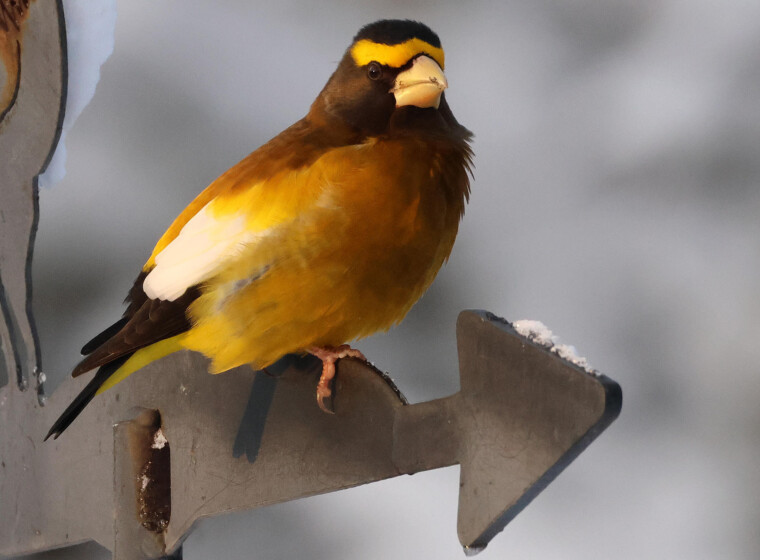
See an Evening Grosbeak? Here’s How You Can Help Them…and Researchers!
Since I’ve moved to rural Vermont, I’ve noticed that road kill isn’t just a mammal problem. Birds that are feeding along a country road may not be able to escape quickly enough for a large vehicle barreling down it.
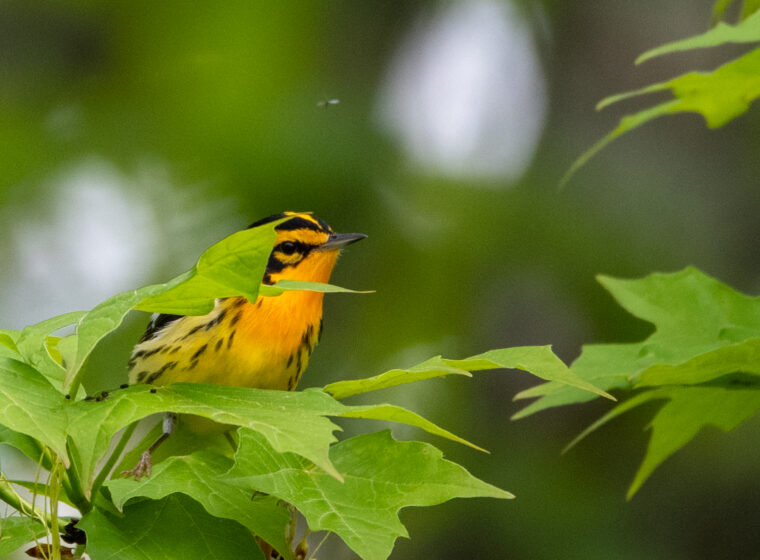
What Three Decades of Monitoring Birds Reveal About Our Changing Forests
Atticus Soehren is a senior at the University of Pennsylvania, majoring in biology and minoring in data science and analytics. He has always had a passion for birds, climate, and…
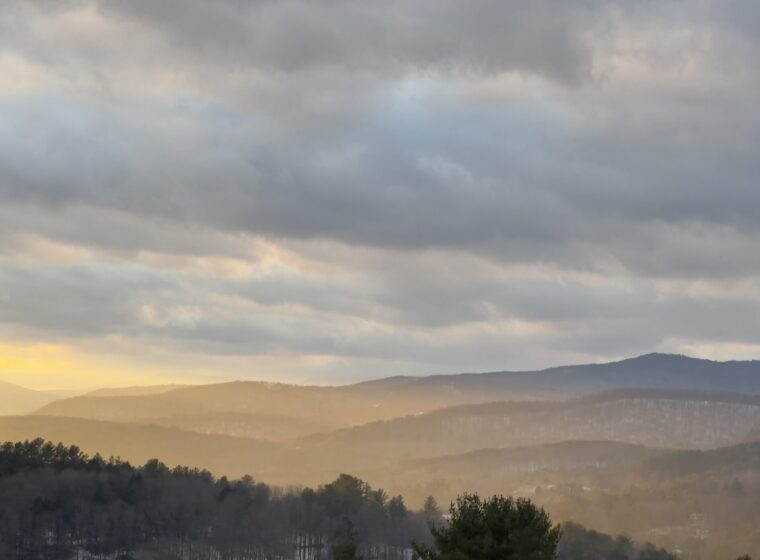
Field Guide to December 2025
As the light dwindles and the temperature drops, our scientists are thinking about the remarkable strategies overwintering species have evolved to survive New England’s coldest months. Grab a hot tea (or cocoa) and cozy up to this freezing, fascinating world with December’s Field Guide.
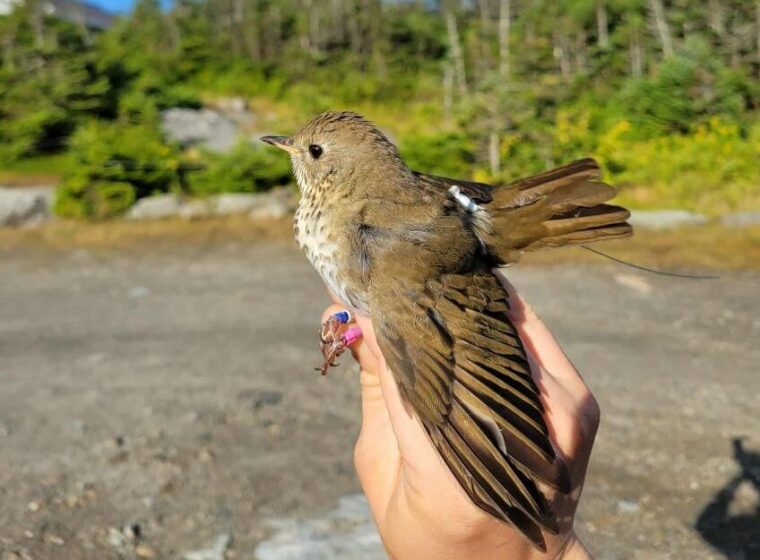
Why We Can’t Call the Bicknell’s Thrush Race Yet: A Peek Into How Migration Monitoring Works
We’ve decided to wait until the Pea Island data are uploaded and processed, which hopefully will be sometime in the next two weeks.
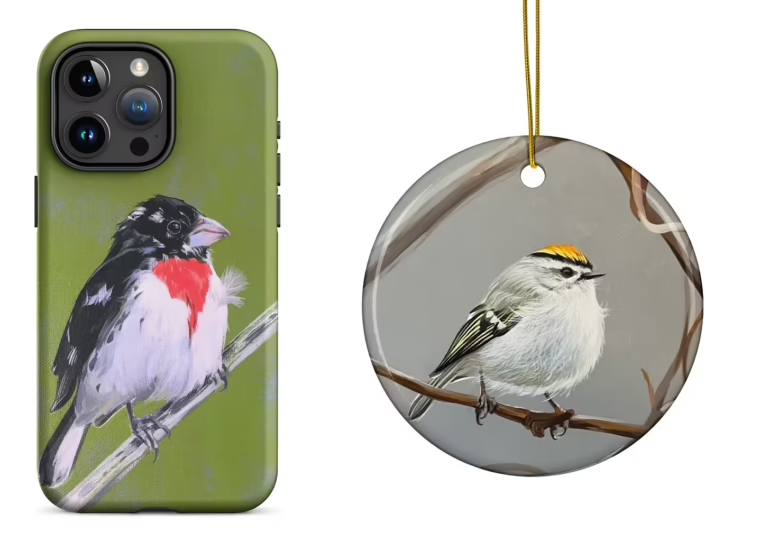
Gifts to Buy for New England Wildlife Lovers
Obviously, we here at Vermont Center for Ecostudies love a donation given on behalf of a wildlife lover. But if you’re looking for an object to include that can be mailed, wrapped, or placed under the tree, we know just the thing(s).
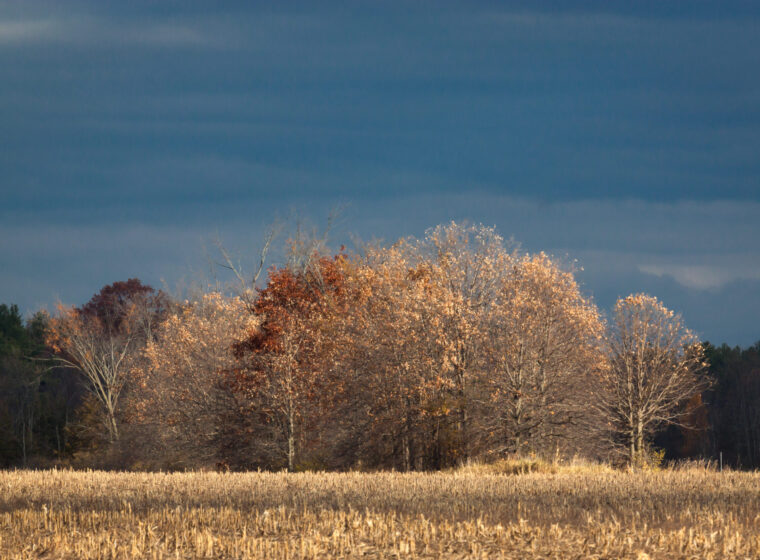
Field Guide to November 2025
Stick season is here and bird migration is petering off, but don’t let that get you down. The chickadees are bopping around the feeders, and mammals are getting fat and cozy. There are still even butterflies to be found! Here’s what to look for in November.
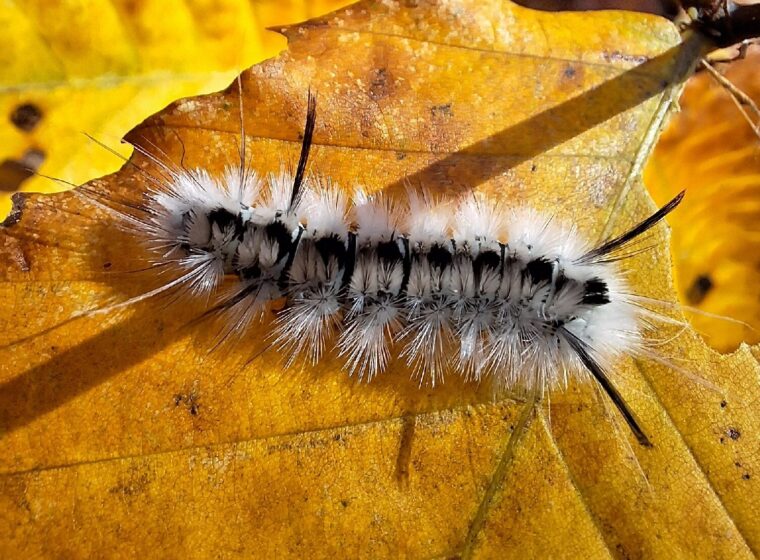
iNaturalist Vermont Hits One Million Research-grade Records!
More than 30,000 researchers and community scientists contributed to this milestone.
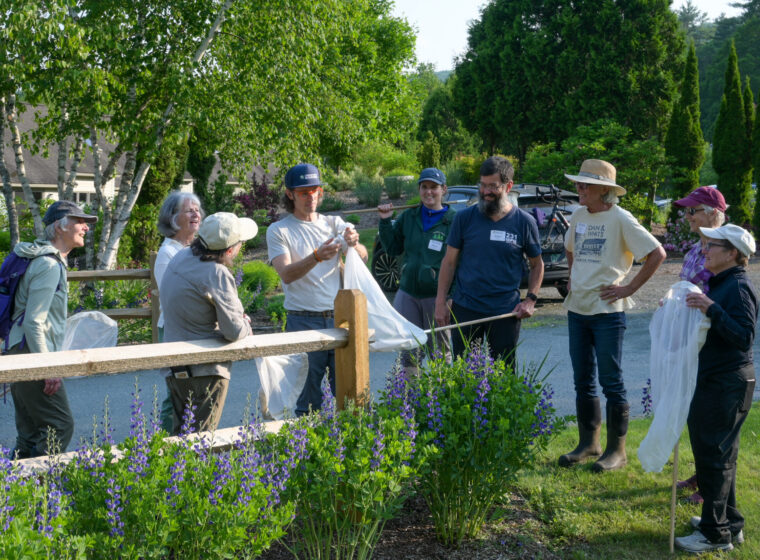
Over 350 Wild Bee Species Found in Vermont, with Help of Community Scientists
The new study provides the first comprehensive faunal list and conservation assessment of Vermont’s wild bees.
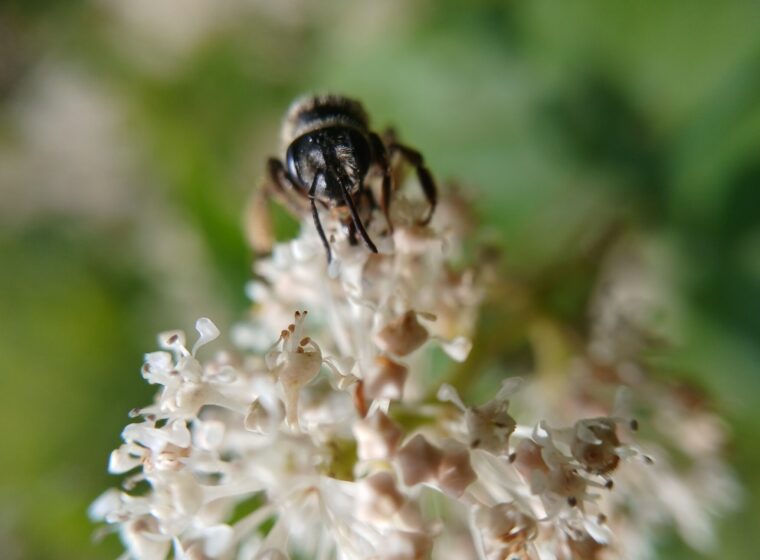
The Journey of a Single Bee Observation
A geologist mentioned that he uses iNaturalist in the university classes he teaches. “We contribute a lot of observations,” he said. “Who knows if they’re really of use to anyone?” Oh, they are.