Four Federal (Yes, Federal!) Bills for Bird Conservation
We can’t deny the bad environmental news, but people across the U.S. are still working to protect wild birds with several positive, bird-related bills currently before Congress.
Legal Lead Fishing Gear Is Still Killing Loons
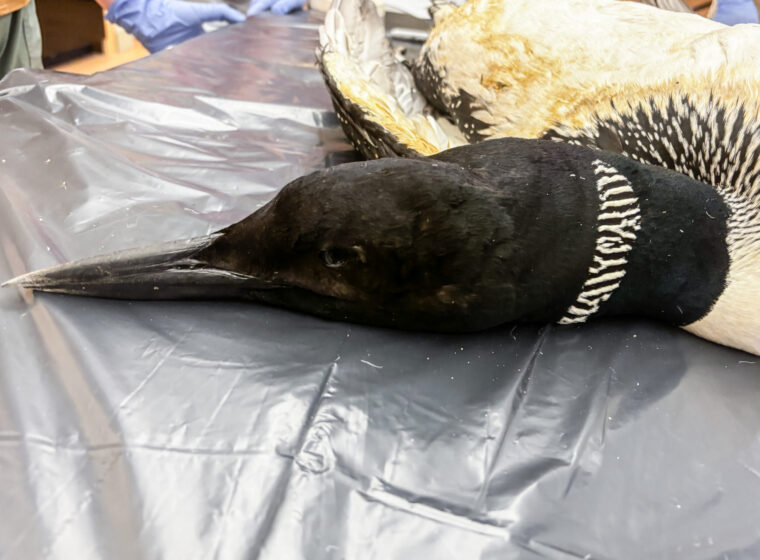
I watched Mark Pokras, a seasoned veterinarian from Tufts University, pull a jig out of the loon’s gizzard. “If you can scrape the top layer, it’s probably lead,” he explained.
The Ripple Effect: Wakeboats Pose Risks to Loon Nests
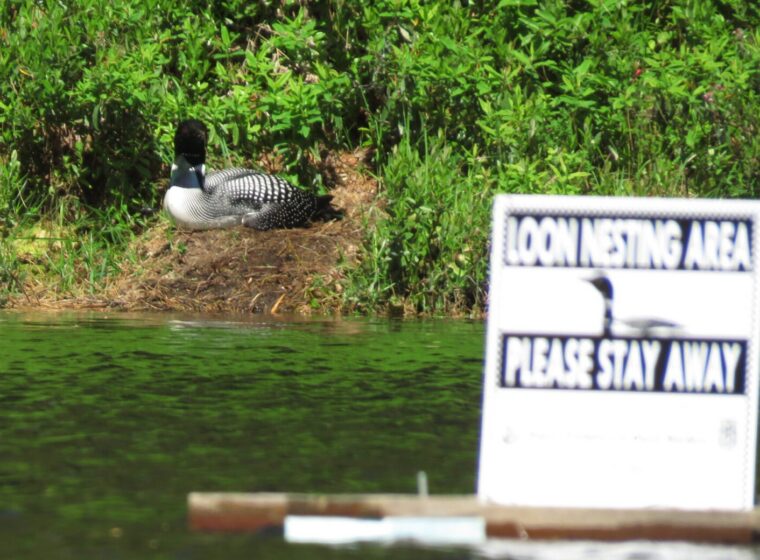
For many, current rules on wakeboats, which create ocean sized waves for wakeboarding, may not go far enough to ease concerns about safe recreation and impacts on aquatic environments. Loons and their nests may especially be at risk.
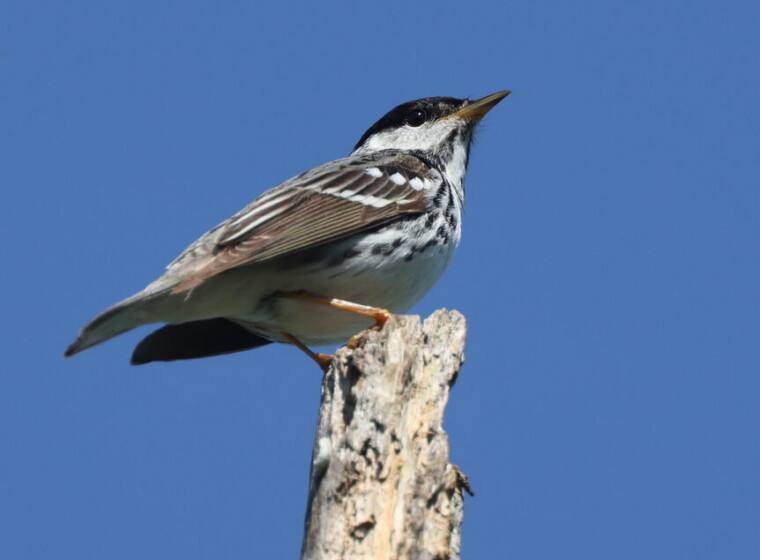
A Letter From Our Executive Director: Prepared for This Moment
These are not normal times for science or conservation. And many of you have asked how recent federal actions have affected VCE’s work.
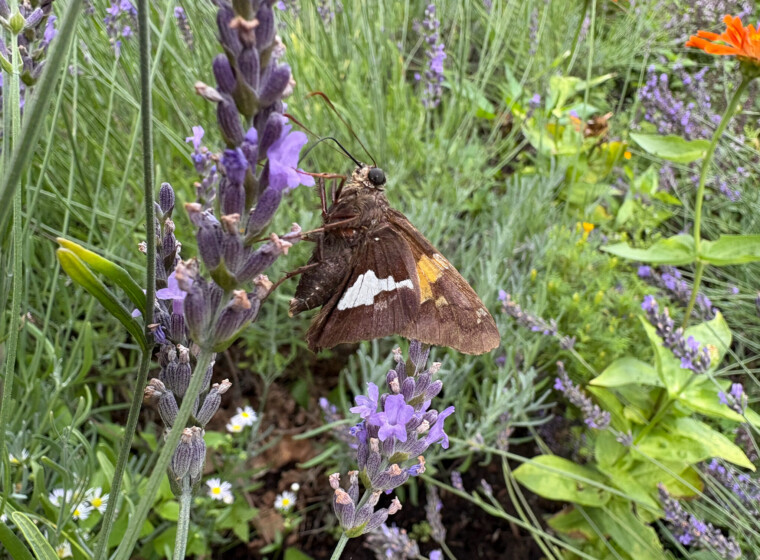
Is Our Tick Anxiety Affecting Pollinators?
In a soon-to-be-published VCE study, tick spraying was associated with a five to 30% immediate decline for most invertebrate groups, especially less mobile and soft-bodied arthropods, like native caterpillars that turn into moths and butterflies.
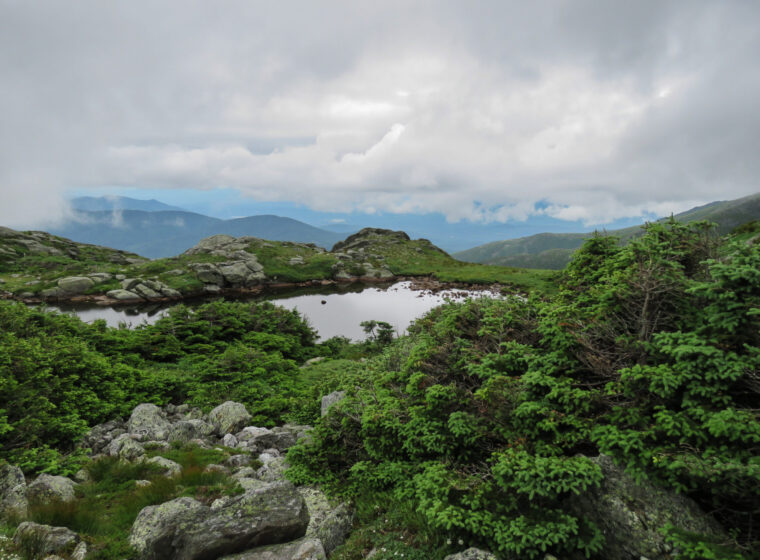
Field Guide to August 2025
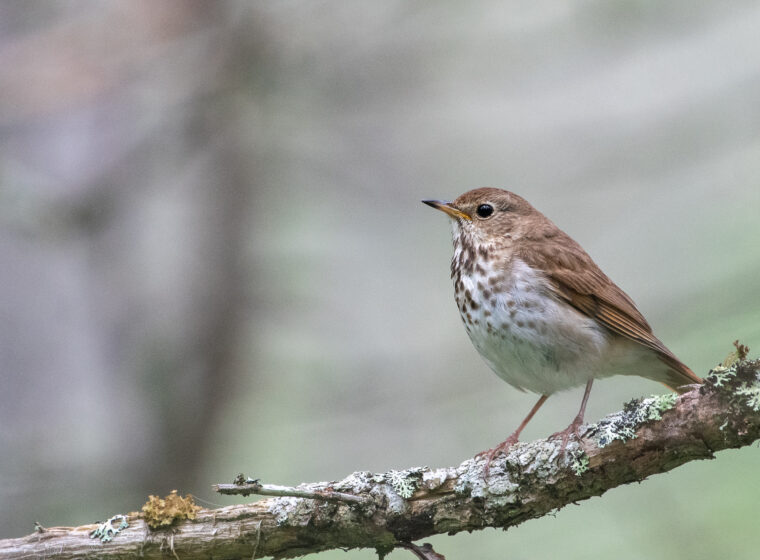
In August, birding efforts are fruitful if you know where to look. Berry-bearing trees and shrubs feed thrushes, waxwings, and bluebirds, while migrating shorebirds pause along gravel bars and mudflats. Where else can you see gems of summer’s end? One of the many public lands that make the woods and waters of northern New England accessible to all.
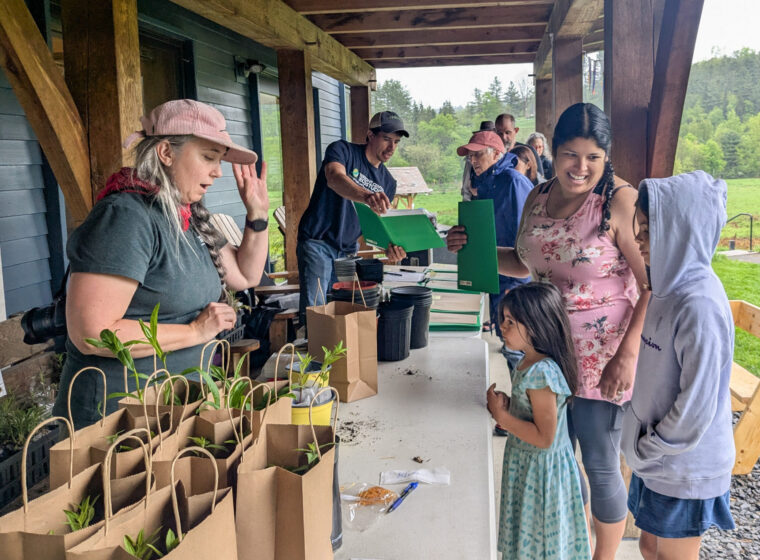
Community Science in Action: How I Recruited 700 Volunteers to Our Plant Ecotype Project
The Adopt-A-Plant project paired native plants with volunteers eager to grow them in their backyards and report observations back to VCE.
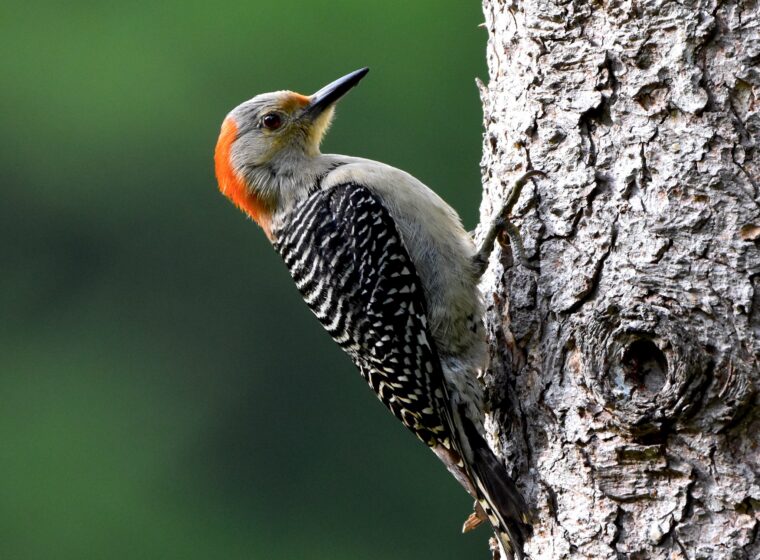
How eBird Vermont Checks Your Observations
Unlike iNaturalist, where photos or audio are required to reach “Research Grade” validation, eBird does not require physical evidence of most sightings. So how do we know that people saw what they say they saw?
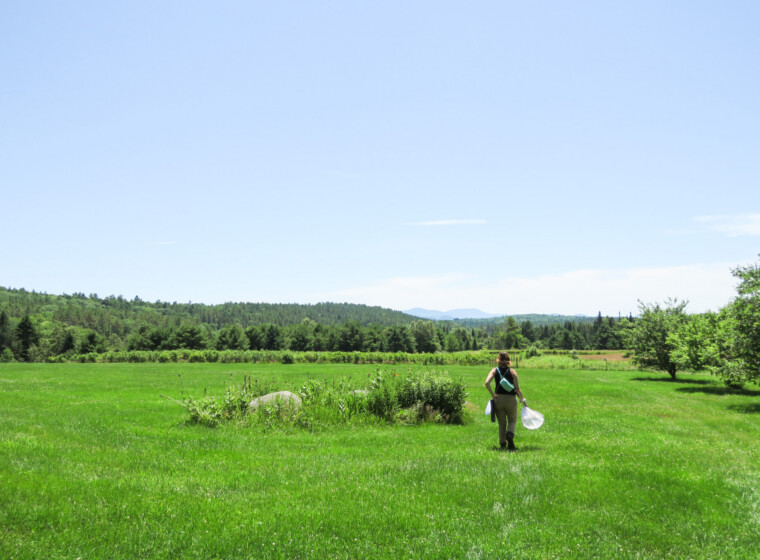
Field Guide to July 2025
Summer is the season to discover unsung (and often unseen) wildlife—like the wild bees, moths, and beetles who play vital roles in the ecosystem. Dive into July’s field guide to learn more about these animals and uncover the buzz, hum, and scuttle of summer.
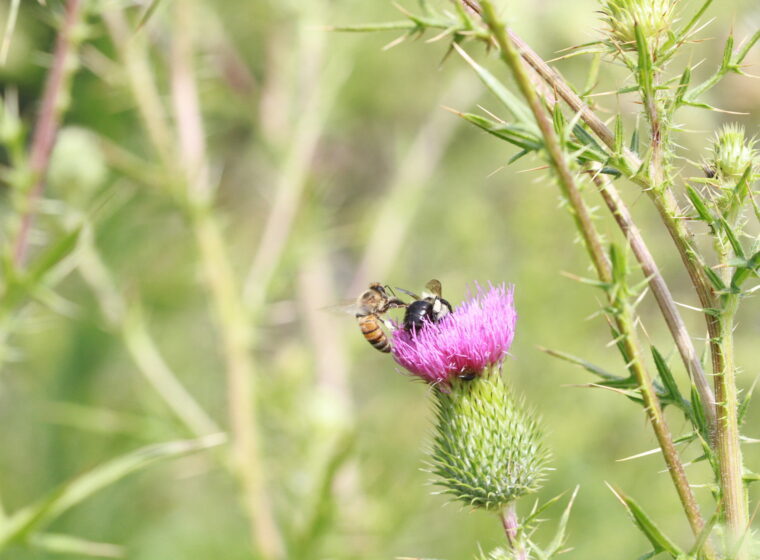
Are Honey Bees Good?
As a wild bee biologist for VCE, I’ve spent the better part of the last five years studying, counting, and watching native bees, which are often overlooked in favor of their domesticated cousins.
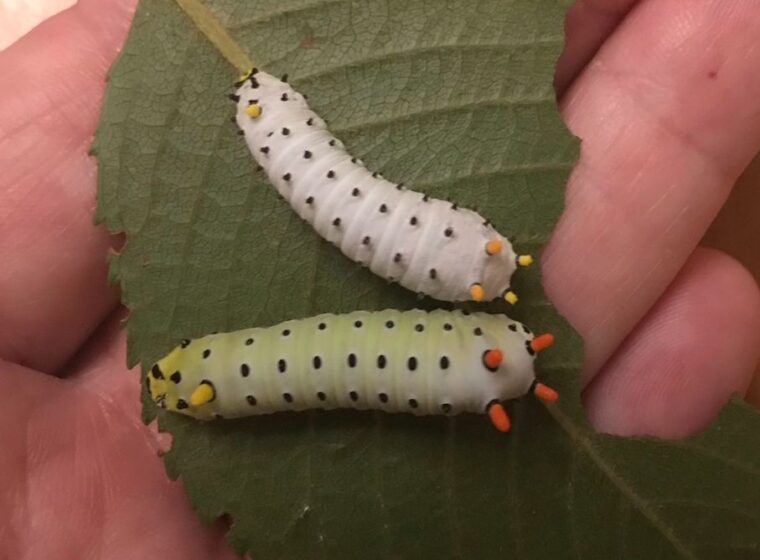
New Study Shows Native Cherry Trees Better Support Native Moths
Native plants are great and all, but what if all they have at the garden center is a closely related, non-native species imported from Asia or Europe? A new paper by VCE biologist Desirée Narango has the answer.
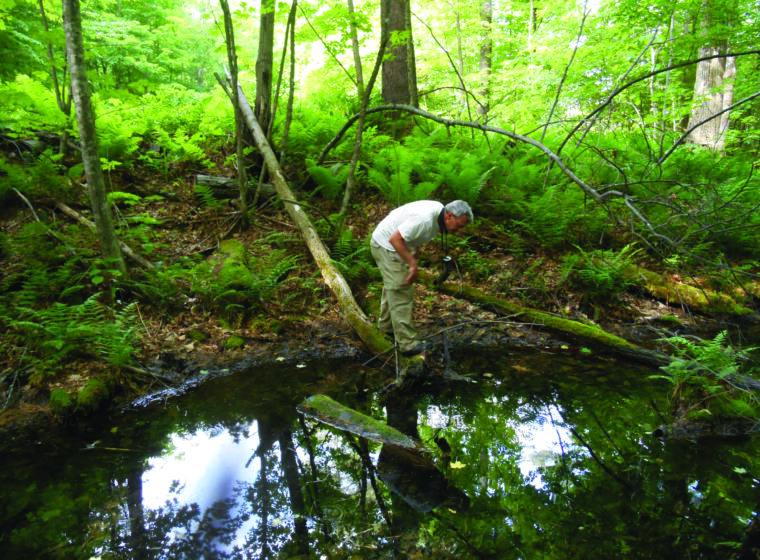
A Bittersweet Goodbye to Steve Faccio
While intrigued by research questions and inspired by fieldwork, Steve’s focus has never wavered from applying his findings to guide conservation.