How to Become an Ecologist
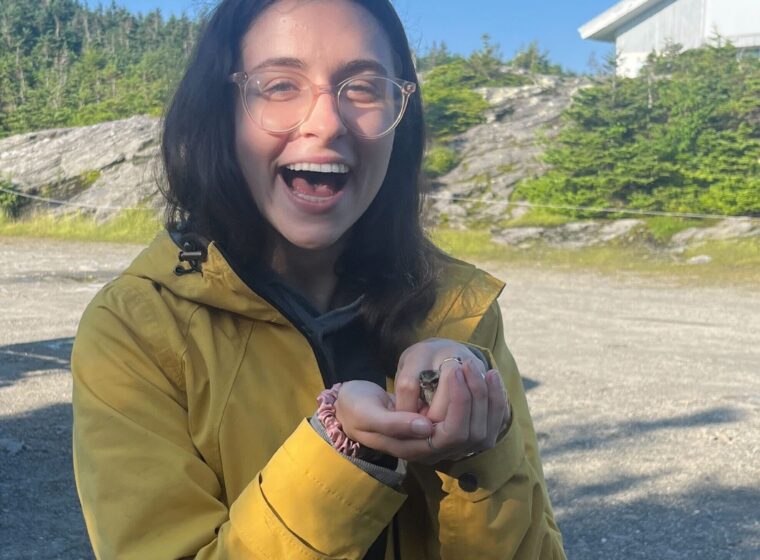
One day, I sent my mom a photo of me holding a freshly banded bird. She texted back: “That’s the face of someone who’s found what they love to do.” I hadn’t realized it until then, but she was right. Somewhere during this summer, I’d stopped feeling like an imposter and began to feel like a real ecologist.
Bernie Paquette Receives the 2025 Julie Nicholson Community Science Award
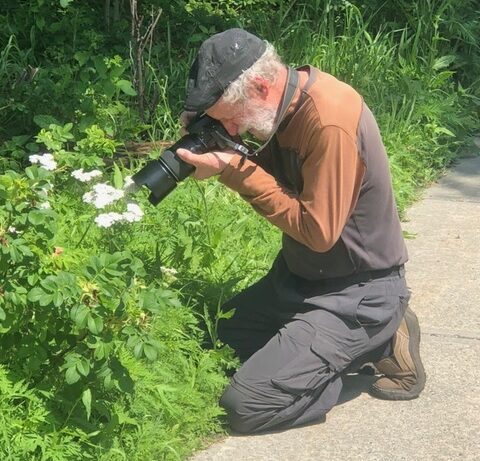
VCE bee biologist Spencer Hardy first met Bernie Paquette at the 2019 Jericho-Underhill Christmas Bird Count. Paquette had long since retired from his career at IBM in Essex Junction, but…
A Quick Trip to Birding Paradise
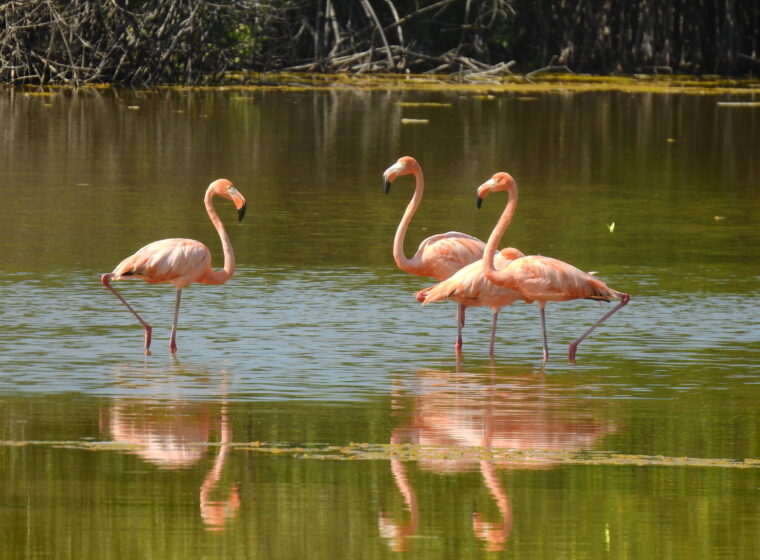
The D.R.’s biodiversity features hundreds of endemic species—ones you’ll find nowhere else on the planet—among them orchids, iguanas, frogs, ferns, and (happily for us) 33 extraordinary bird species.
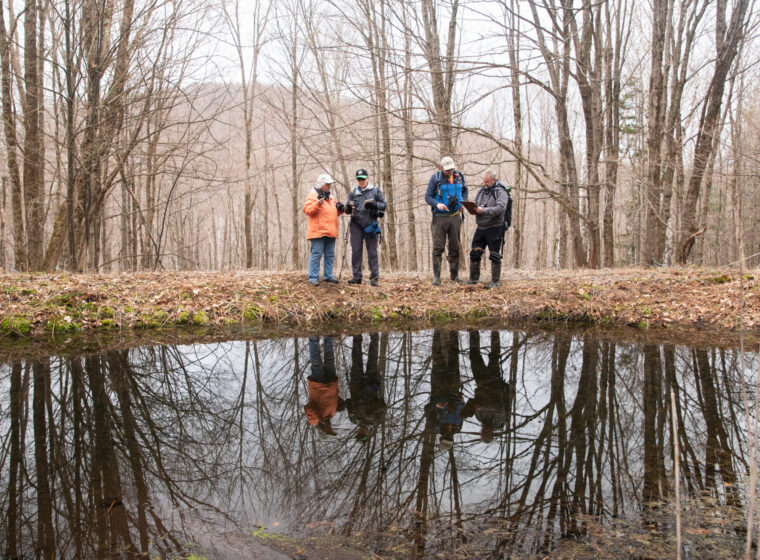
How States Like Vermont Fill the Gaps in Wetland Protection
Even with the rollback of federal protections, data still matter, especially at state and local levels. Thanks to VPMon and other research programs, VCE is able to contribute to evidence-based decision-making in Vermont and beyond.
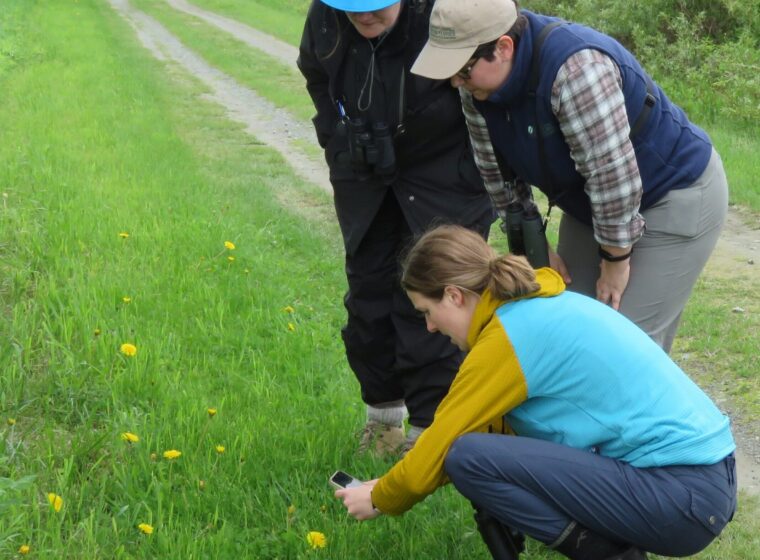
Why We Don’t Hoard Data
In the past, many scientists viewed the data that they collected as something belonging to them, sometimes guarding it zealously out of fear that they would be scooped by another scientist or with a sense that the data reflected too much hard work to simply give away.
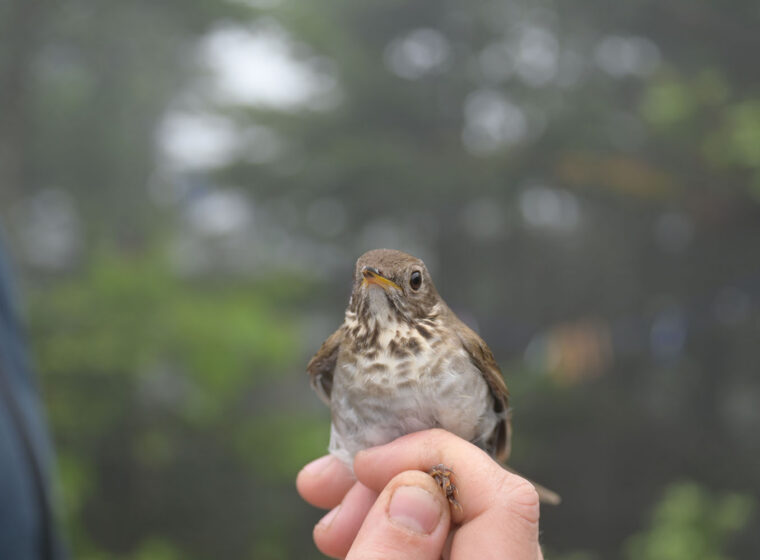
Why Bicknell’s Thrush?
How one elusive bird inspired generations of biologists—and helped create Vermont Center for Ecostudies.
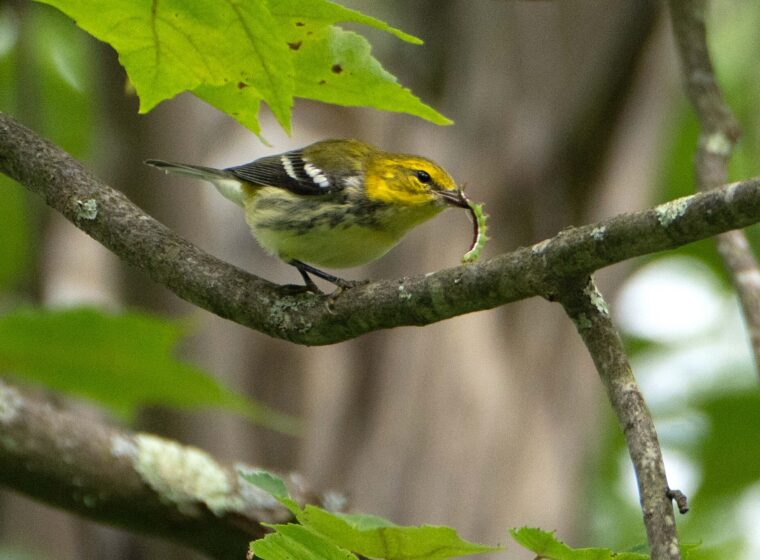
More Than Weeds: Herbicide Dicamba’s Return Could Impact Wildlife, Too
Dicamba is a controversial herbicide that has caused issues for both ecosystems and people. However, the EPA announced in July its intention to authorize its sale to farmers—again.
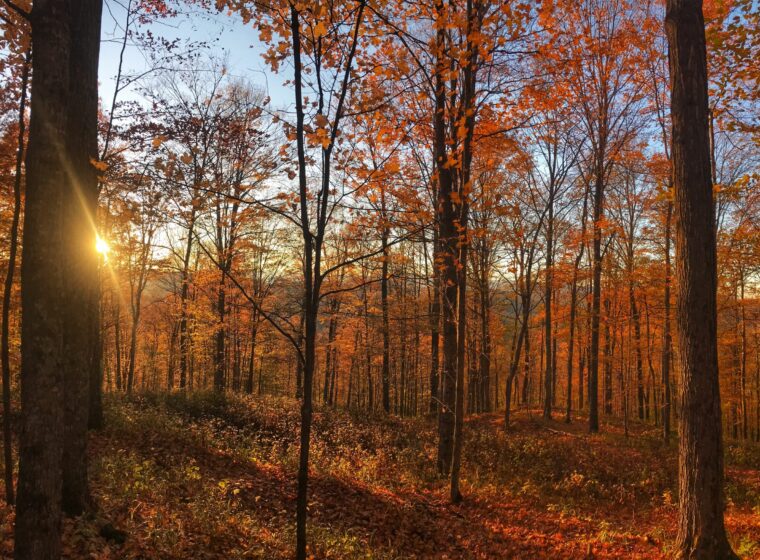
Field Guide to October 2025
Nature is putting on its final, colorful autumn show. Leaves are turning and falling, bees are buzzing around the asters, and mushrooms are putting out their final fruit. Don’t blink or you’ll miss it!
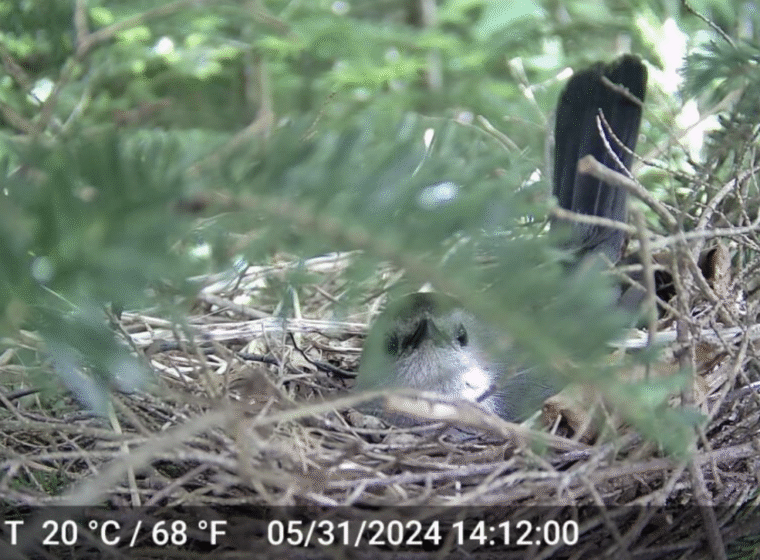
Field Report: The Secret Lives of Catbirds: Uncovering Nesting Behavior with Tracking Technology
We’re studying how we can track the behavior of these skulky, secretive birds. With luck and persistence, we may be able to piece together how the reproductive burden affects females season-to-season and year-to-year.
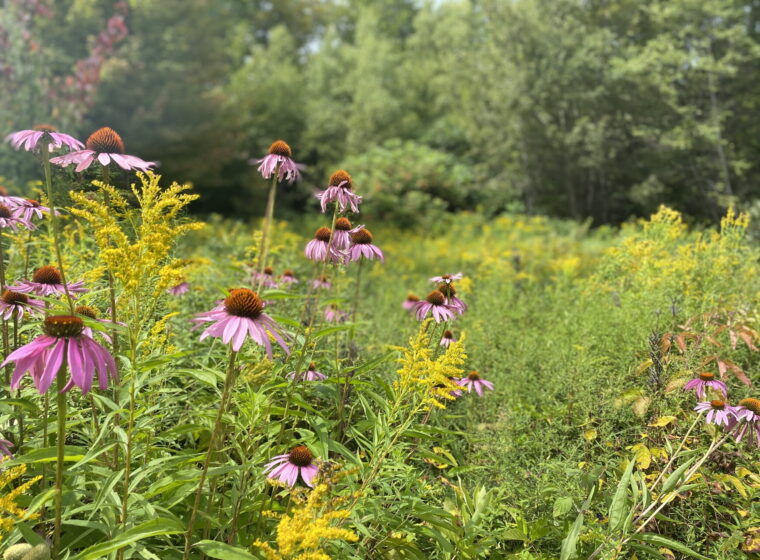
Field Guide to September 2025
As the weather begins to shift, we turn our attention to southward migration. From Green Darner Dragonflies to Bicknell’s Thrush, VCE scientists are uncovering the mysteries of migrating species and using this knowledge to help conservation efforts.
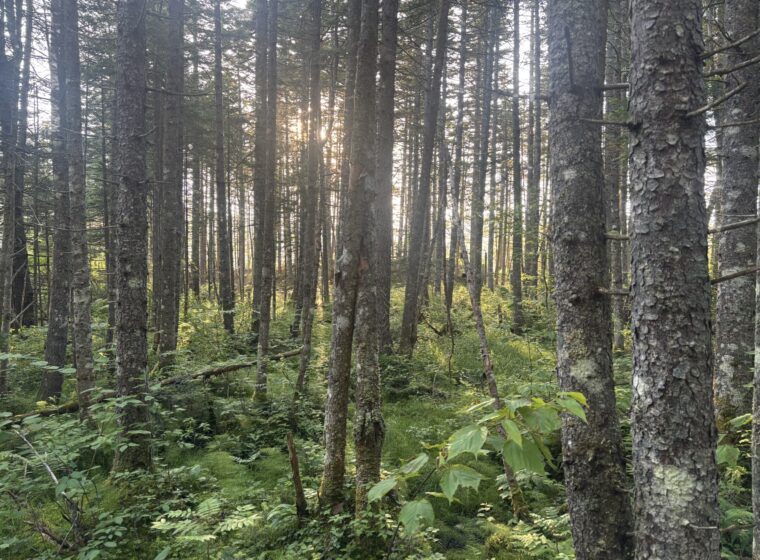
Field Report: What Is Loud and Clear in the Quiet of the Deep Forest
As I walk between survey points, I think about how loud the bird chorus must have been when the points were first established in 1989, and then how quiet the chorus might become in the coming decades.
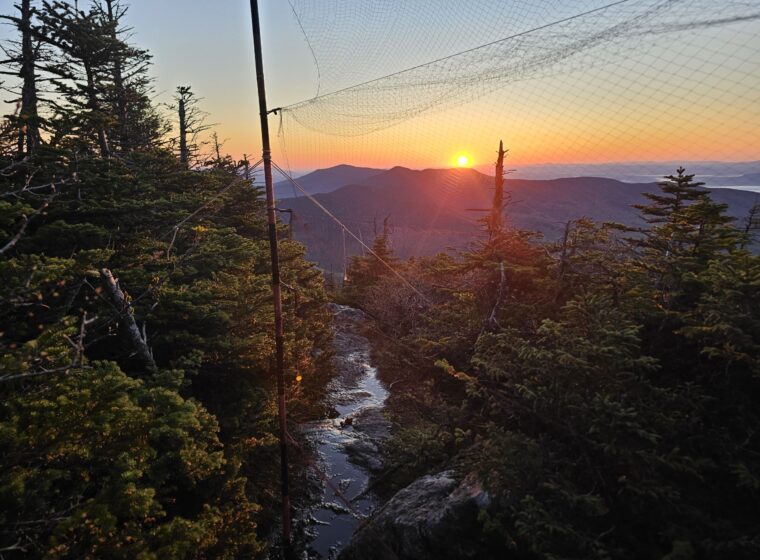
Field Report: How the Birds Are Doing on Mount Mansfield This Summer
Our Slate-Colored Junco capture numbers are half of what they were last year, although all of our other target species are visiting our nets at roughly the same or higher rates as 2024.